How Much Does an Apartment Cost in Houston, Texas? Price Breakdown

April 29, 2026
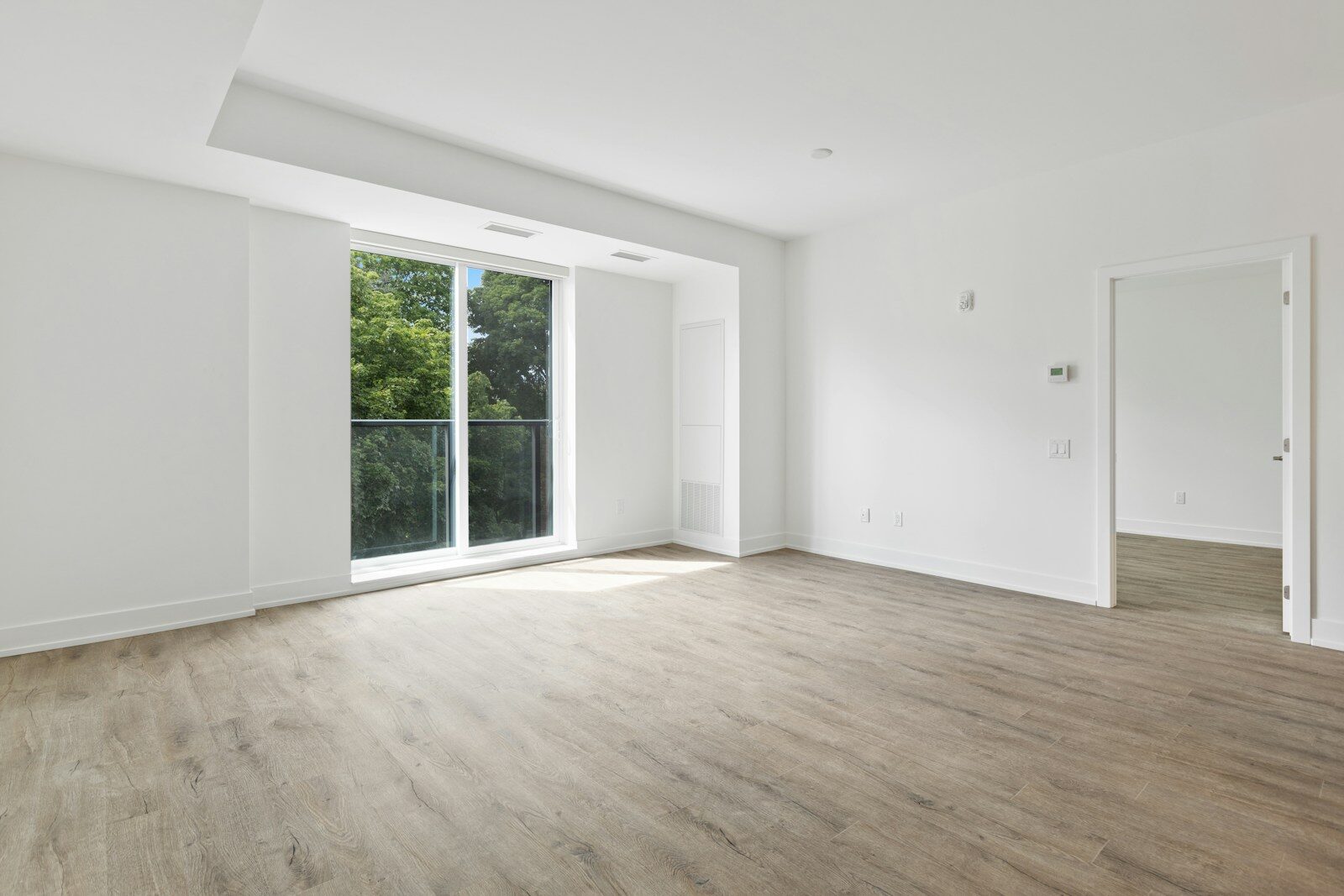
Houston, Texas is one of the few major American cities where you can rent a decent apartment without your paycheck evaporating on the first of the month. The fourth-largest city in the U.S. consistently ranks among the most affordable big metros in the country — but “affordable” still means something different depending on the neighborhood, apartment size, and whether you’re renting or buying.
If you’re planning a move to Space City or just trying to budget smarter, this guide breaks down exactly how much an apartment costs in Houston, Texas — from studio prices and purchase costs to the cheapest and priciest zip codes, and practical tips for finding the right place at the right price.
Average Rent in Houston by Apartment Size
Rental prices in Houston vary widely depending on the size of the unit you need. The average rent for an apartment in Houston is $1,343, a 1.06% decrease compared to the previous year, when the average rent was $1,358. That said, different data sources report slightly different figures depending on methodology, so it’s smart to look at a range.
Here’s a breakdown of what you can expect to pay by unit size, based on aggregated data from multiple rental platforms:
| Apartment Size | Average Monthly Rent | Average Square Footage |
|---|---|---|
| Studio | $1,011 – $1,517 | ~508–511 sq ft |
| 1 Bedroom | $1,193 – $1,700 | ~731 sq ft |
| 2 Bedrooms | $1,405 – $2,400 | ~1,054 sq ft |
| 3 Bedrooms | $1,831 – $2,400+ | ~1,367–1,368 sq ft |
| 4 Bedrooms | $2,500+ | Varies |
Studio apartments at $1,011 offer the most budget-friendly option with 508 square feet, ideal for single renters prioritizing location over space. One-bedroom apartments provide 731 square feet for $1,193, balancing privacy and affordability. Two-bedroom units at $1,506 offer 1,054 square feet, perfect for roommates or small families. Three-bedroom apartments deliver maximum space at 1,367 square feet for $1,831, suitable for larger households.
The largest share of rentals in Houston (45%) fall between $1,001–$1,500 per month, suggesting that most people successfully find suitable apartments within this price range. If you’re a couple or have a roommate, splitting a two-bedroom is often the most cost-efficient path.
Pro Tip: Rental prices in Houston tend to peak in spring and dip from October through January. If your move date is flexible, you can expect an average 3.4% drop in rental prices between the peak summer months and the slower winter months, with the added bonus of decreased competition from other renters.
Average Apartment Purchase Price in Houston
If you’re thinking beyond renting, Houston’s purchase market is worth a serious look. The median home price for 2025 remained largely flat, holding steady at $334,990. That’s a relatively stable figure compared to the dramatic price swings seen in other Texas metros.
For condos and townhomes — which are the closest equivalent to apartment-style living when buying — the numbers are somewhat different. Townhomes and condominiums saw a good pickup in December 2025, with closings up 5.5% year-over-year. While the median price declined by 4.4% to $224,500, the average price edged up by 0.8% to $269,502.
Average mortgage rates have decreased to 6.5%–7%, easing affordability constraints for buyers. That shift has made monthly mortgage payments more manageable for many Houston households. For someone buying the median-priced home in December 2025, their monthly payment was about $87.72 lower than it would have been in December 2024.
Key Insight: The cost of buying a home in Houston and Harris County has increased by 3%, with median home prices rising from $325,000 in 2023 to $345,000 in 2024. According to a Kinder Institute study, the median affordability gap for a home in Houston is about $130,000, meaning that the median household can afford a home worth approximately $195,000 in a market where the median price is $325,000.
This gap highlights why so many Houston residents choose to rent — at least in the short term. 531,864 or 58% of the households in Houston, TX are renter-occupied while 384,672 or 42% are owner-occupied.
Cost of Renting vs. Buying in Houston
The rent-vs.-buy debate in Houston is genuinely nuanced. Renting gives you flexibility and lower upfront costs, while buying builds long-term equity in a market that has historically appreciated steadily. Here’s how the two paths compare financially:
| Factor | Renting | Buying |
|---|---|---|
| Avg. Monthly Cost | $1,343 – $1,900 | Varies with rate; ~$1,800–$2,200+ on median home |
| Upfront Costs | Security deposit + first month | Down payment (3–20%) + closing costs |
| Flexibility | High — move when lease ends | Low — selling takes time and money |
| Equity Building | None | Yes — monthly payments build ownership |
| Maintenance Costs | Landlord’s responsibility | Owner’s responsibility |
| Tax Benefits | None | Potential mortgage interest deduction |
Monthly mortgage payments contribute to ownership rather than paying a landlord. Fixed-rate mortgages offer predictable monthly payments, unlike rent, which can increase over time. Homeowners may also deduct mortgage interest and property taxes, potentially reducing taxable income.
On the renting side, renting makes sense if you value flexibility and may relocate in the near future, prefer a maintenance-free lifestyle, want to avoid the financial commitment of homeownership, or want to test different neighborhoods before settling down.
You can explore the different types of apartments available in Houston to better understand which layout and lease structure fits your lifestyle before committing to either path. Also, if you’re weighing apartment living against other housing options, check out these urban living essentials every big city apartment must have to help you evaluate what to look for.
Important Note: Houston’s property taxes will likely prove higher, running around 2% to 3% or more. Factor this into your monthly ownership cost when comparing renting to buying, as it can add several hundred dollars per month to your housing expense.
Cheapest and Most Expensive Neighborhoods in Houston
Houston’s rental landscape is anything but uniform. The same city that has luxury high-rises at $3,000+ per month also has working-class neighborhoods where a one-bedroom goes for under $800. Here’s a look at both ends of the spectrum.
Most Affordable Neighborhoods
The most affordable neighborhoods in Houston include Northeast Houston, where the average 1-bedroom apartment rent goes for $702, Sunnyside, where renters pay $727 on average for a 1-bedroom apartment, and Greenspoint, where the average rent is $754. Other budget-friendly options include Sharpstown ($779 for a 1-bedroom) and Clear Lake ($825 for a 1-bedroom).
- Northeast Houston — ~$702/mo for a 1-bedroom
- Sunnyside — ~$727/mo for a 1-bedroom
- Greenspoint — ~$754/mo for a 1-bedroom
- Sharpstown — ~$779/mo for a 1-bedroom
- Clear Lake — ~$825/mo for a 1-bedroom
- Aldine — ~$850/mo for a 1-bedroom
Alief, in the western part of Houston, is known for its cultural variety and strong community ties. Renters there benefit from rates nearly 20% below the city average, making it a budget-conscious pick with a local feel.
Most Expensive Neighborhoods
The most expensive neighborhoods in Houston include Southmore, where the average rent for a 1-bedroom apartment is $3,007, Greater Third Ward at $2,887, and Texas Medical Center at $2,580. Downtown Houston ($2,090 for a 1-bedroom) and Midtown ($2,012 for a 1-bedroom) are additional high-cost options.
- Southmore — ~$3,007/mo for a 1-bedroom
- Greater Third Ward — ~$2,887/mo for a 1-bedroom
- Texas Medical Center — ~$2,580/mo for a 1-bedroom
- University Place — ~$2,556–$2,572/mo average
- Downtown Houston — ~$2,090–$2,260/mo average
- Midtown — ~$2,012/mo for a 1-bedroom
Fast growth in certain job sectors has pushed up rents in places like EaDo and the Texas Medical Center. If you work in one of these employment hubs, you may find that paying a premium for proximity saves you significantly on commuting costs and time.
Pro Tip: Midtown and Montrose attract renters who want walkable streets, local restaurants, and nightlife right outside their door, while The Heights delivers tree-lined blocks and easy access to the Heights Hike-and-Bike Trail. Downtown puts you in high-rise living near Minute Maid Park and Toyota Center. These neighborhoods command higher rents but offer lifestyle perks that matter for many renters.
If you’re also considering apartment living with pets, Houston has several pet-friendly neighborhoods worth exploring. Check out this guide on the best exotic pets for apartment living if you’re looking for a companion that suits a city lifestyle.
What Affects Apartment Prices in Houston
Understanding why prices vary so much across Houston helps you make smarter decisions about where to look — and when. Several key factors drive apartment costs up or down.
Location and Proximity to Employment Hubs
The closer an apartment is to major employment centers, the higher the rent tends to be. Upper Kirby and the Galleria area connect you to office hubs and upscale shopping, while EaDo’s newer lofts put you steps from Shell Energy Stadium. METRORail links several neighborhoods to the Texas Medical Center — one of the city’s biggest job centers — and highways like I-10, I-45, and I-610 make getting around town manageable.
Apartment Size and Unit Type
Size is one of the most straightforward pricing factors. Factors like size and location affect rent prices in Houston. Going from a studio to a one-bedroom typically adds $200–$400 per month, while stepping up to a two-bedroom can add another $300–$700 depending on the neighborhood. The average Houston apartment is about 923 square feet — more than 4% larger than the national average, which means you’re often getting more space for your dollar compared to renters in other major cities.
Amenities and Building Type
Luxury buildings with pools, fitness centers, concierge services, and in-unit washers/dryers command significantly higher rents than older stock apartments. The Museum District’s luxury homes are priced 15–20% higher than the city’s average. High-rise living in Downtown or Midtown also carries a premium over garden-style complexes in suburban Houston.
Seasonal Demand
Rental prices in Houston go up and down with the seasons. Prices usually rise in the first quarter and hit a high in spring, when more people decide to move. Prices drop from October to January, during fall and winter, when fewer people are looking to rent.
Utility Costs
Utilities are a hidden cost that can significantly affect your monthly budget. A basic utility bill should include electricity, heating, cooling, water, and garbage. If you live in a 915 sq. ft. apartment, you should expect to pay around $202.73 per month in Houston. Keep in mind that Texas isn’t known for its mild summers — you should expect to pay more to power your air conditioner from May through August when temperatures rise.
Managing your monthly budget wisely matters just as much as finding the right apartment. These 9 ways to cut your grocery costs can free up extra cash each month to put toward a nicer apartment or a savings cushion.
Common Mistake: Many renters budget only for rent and forget to factor in utilities, renters insurance, parking fees, and pet deposits. In Houston’s summer heat, electricity alone can add $50–$100 or more to your monthly costs compared to spring and fall months.
Is Houston Affordable Compared to the Rest of the US?
By most measures, yes — Houston remains one of the more affordable large cities in America, though that reputation is under pressure. The cost of living in Houston, TX is 5.9% lower than the national average. Generally, housing in Houston is 20.1% less expensive than the national average, with rent falling between $1,115 and $1,866.
The average rent in Houston, TX is $1,900 — 9.52% lower than the national average of $2,100. That gap is meaningful when you’re making housing decisions over a multi-year period.
Compared to other major Texas cities, Houston holds its own well:
- Compared to Dallas, rents are 18% lower while home prices are 13% higher.
- Austin’s rents are 20–25% higher, with homes priced roughly 40% above Houston’s.
- Houston rents are about 2% lower than San Antonio’s, but home prices are roughly 12% higher.
On a national scale, Houston is the fourth most affordable city among the 20 most populous in the United States. However, the cost of housing in the Houston area has continued to grow for both renters and homeowners, while income levels struggle to keep up, according to a study by Rice University’s Kinder Institute for Urban Research. The 2025 State of Housing in Harris County study found the median rent in Houston increased by 9% in one year, or 6% when accounting for inflation.
To comfortably afford Houston’s median rent of $1,297, you’d need to earn roughly $51,880 per year (or $4,323 per month) before taxes, using the 30% rent-to-income guideline.
For a broader perspective on apartment costs in other cities around the world, you might find it useful to compare with how much an apartment costs in Kathmandu — a useful benchmark for understanding just how varied global housing markets can be.
Key Insight: You can expect to pay 1.0% less for groceries, 7.2% less for utilities, and 5.8% less for transportation in Houston compared to the national average — meaning your rent savings stretch even further when you factor in total cost of living.
Tips for Finding an Apartment in Houston
Houston’s rental market moves quickly in peak season, but with the right strategy, you can find solid value without settling for less than you need. Here are the most practical steps to take.
1. Time Your Search Strategically
Prices usually rise in the first quarter and hit a high in spring, when more people decide to move. Prices drop from October to January, during fall and winter, when fewer people are looking to rent. If you can move during the off-season, you’ll have more negotiating power and more inventory to choose from.
2. Know Which Neighborhoods Fit Your Budget
Houston’s size works in your favor. The neighborhoods in Houston with the most apartments available are Southwest Houston, Northwest Houston, and Southeast Houston. These areas often offer better value than the trendy inner-loop neighborhoods while still providing reasonable access to major employment centers.
3. Use the 30% Rule as Your Baseline
Because the average rent in Houston is $1,198, you’ll want to make about $3,993 per month or $47,916 per year. The general guideline is to pay no more than 30% of your monthly income on rent. Use this as your starting point, but also account for utilities, parking, and renter’s insurance in your total housing budget.
4. Look Beyond the Listing Price
The advertised rent is rarely the full story. Ask about application fees, pet deposits, parking costs, and whether utilities are included. Monthly utility bills in Houston generally fall between $150–$300 for electricity, $50–$100 for water, and $50–$100 for internet. These numbers add up fast and can push a “cheap” apartment into an expensive one.
5. Check Multiple Platforms Before Deciding
Different listing platforms show different inventory. Sites like Apartments.com , Zillow , RentCafe , and Zumper all aggregate listings from different sources. Cross-referencing them gives you a fuller picture of what’s available and what’s fairly priced in your target neighborhood.
6. Consider Working with a Local Locator
The rental market changes with the seasons, and working with a locator can help you time your move to get the best deal. With the right approach and resources, finding affordable housing in Houston becomes much easier. Many Houston apartment locators work for free — they’re paid by the apartment communities — making them a low-risk resource for first-time renters in the city.
7. Factor in Commute Costs
Owning a car in Houston sets you back $500–$700 per month, factoring in gas, insurance, and upkeep. For cheaper transportation, METRO offers single rides for $1.25 and monthly passes for $40. Choosing an apartment near a METRORail stop or your workplace can save you hundreds per month in transportation — potentially offsetting a higher rent in a more central location.
Pro Tip: To live comfortably in Houston as a single adult with no dependents, aim for a salary of at least $69,000 before taxes. Expect to spend about $8,160/year for groceries, $12,144 for goods and services, and $22,140/year for housing. Use these benchmarks to assess whether your income aligns with the neighborhood you’re targeting.
If you’re also in the process of budgeting for a full move or new home setup, it helps to understand other costs that come with setting up your space. Our guide on how much it costs to build a greenhouse is a great example of the kind of detailed cost breakdowns that can help you plan smarter for home-related expenses.
Houston’s apartment market rewards renters who do their homework. Whether you’re looking for a budget studio in Greenspoint or a two-bedroom near the Galleria, understanding the real numbers — by size, neighborhood, and season — puts you in a much stronger position to find the right apartment at the right price.