How Much Does an Apartment Cost in Boston? Rent Prices, Neighborhoods & What to Expect

April 28, 2026
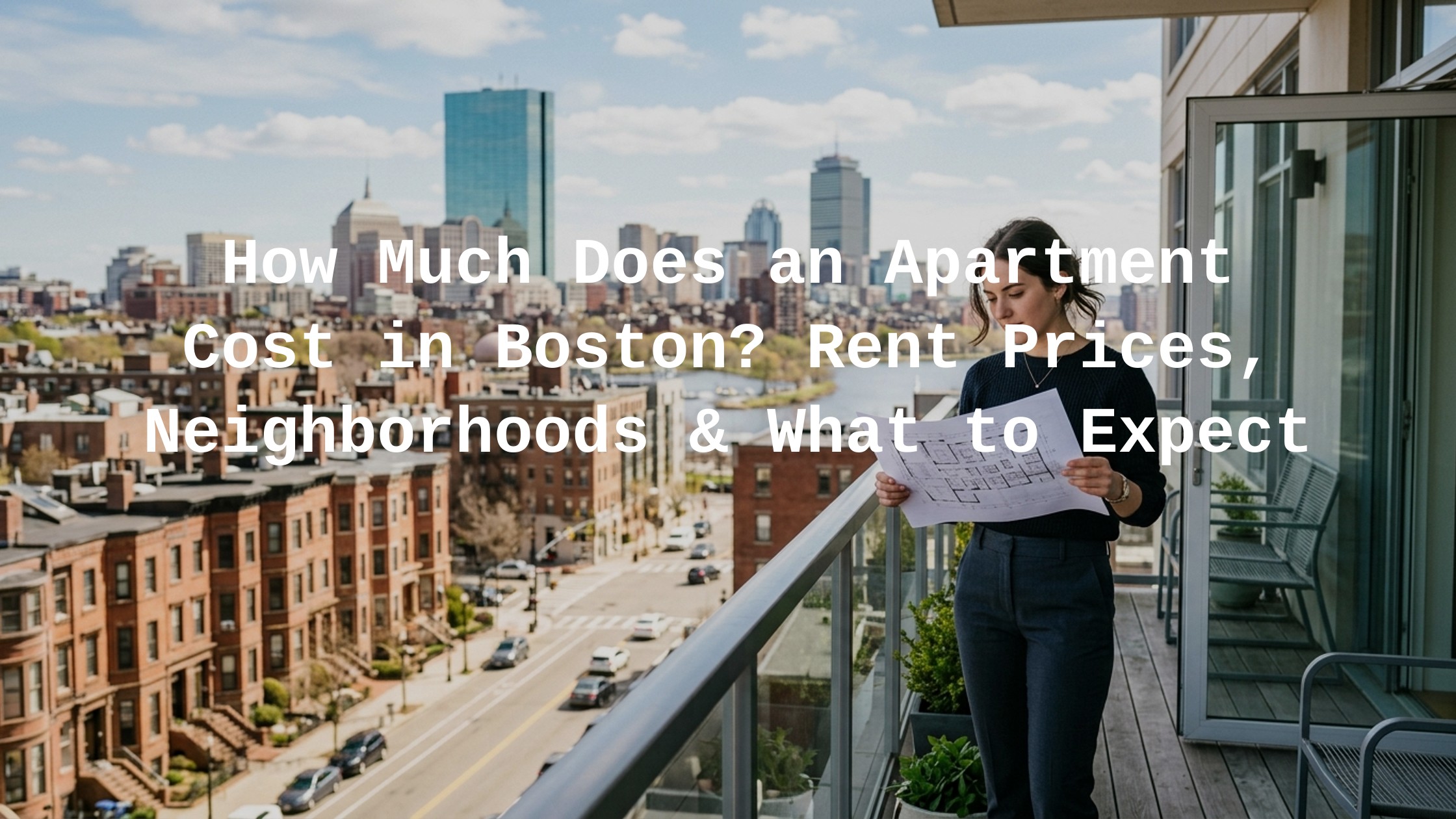
Boston is one of the most storied cities in America — but it also comes with one of the most expensive housing markets in the country. Whether you’re relocating for work, heading to school, or simply looking for a change of scenery, knowing what you’ll pay before you sign a lease can save you thousands of dollars and a lot of stress.
In this guide, you’ll find everything you need to know about apartment costs in Boston in 2025: average rents by size, purchase prices, neighborhood-by-neighborhood breakdowns, and practical tips for landing a place without breaking the bank.
Key Insight: Depending on the data source, average rent in Boston ranges from roughly $3,300 to $3,800 per month — far above the national average of around $2,100. Budget accordingly before your search begins.
Average Rent in Boston by Apartment Size
The size of your apartment is one of the biggest factors driving your monthly rent in Boston. The average rent for an apartment in Boston is approximately $3,638, a slight decrease compared to the previous year. However, prices vary significantly depending on how many bedrooms you need.
Here’s a snapshot of what you can expect to pay across different unit sizes, based on current market data:
| Apartment Size | Average Monthly Rent | Avg. Square Footage |
|---|---|---|
| Studio | $2,862 – $2,899 | ~477 sq ft |
| 1-Bedroom | $3,357 – $3,616 | ~708 sq ft |
| 2-Bedroom | $4,217 – $4,463 | ~998 sq ft |
| 3-Bedroom | $4,863 – $5,941 | ~1,225 sq ft |
Studio apartments at around $2,862 offer the most budget-friendly option with 477 square feet, ideal for single renters prioritizing location over space. One-bedroom apartments provide 708 square feet for around $3,357, while two-bedroom units at $4,217 offer 998 square feet — a solid option for roommates or small families.
Larger units are coveted items, especially apartments with three or more bedrooms, and due to demand, they experience faster price growth — likely driven by families and roommate groups searching for more space in a crowded city. If you’re open to splitting rent with a roommate, a larger unit can actually work out cheaper per person than renting a studio alone.
Pro Tip: Sharing a two-bedroom apartment with a roommate in Boston can cut your housing costs nearly in half compared to renting a one-bedroom solo. It’s one of the most effective ways to manage costs in this market.
Many renters have already caught on — high rent prices have effectively incentivized people to seek out roommates and larger apartments in order to reduce housing costs by splitting rent and utilities. Explore different types of apartments to understand which layout and size makes the most sense for your lifestyle and budget before committing to a lease.
Average Apartment Purchase Price in Boston
If you’re considering buying instead of renting, Boston’s for-sale market is just as demanding. The city’s desirability, limited land, and strong job market have kept purchase prices elevated for years.
According to the “Greater Boston Housing Report Card 2025,” the household income required to purchase a starter home has jumped from $98,000 in 2021 to over $162,000 today. That’s a staggering increase in just a few years, and it reflects just how competitive the ownership market has become.
Over the past five years, the income needed for a household to afford a median-priced single-family home in the Greater Boston area has increased from $150,000 to $236,000. For condos and apartments specifically, prices vary widely by neighborhood and building age, but entry-level units in desirable areas routinely start above $500,000.
| Neighborhood Type | Typical Purchase Price Range |
|---|---|
| Affordable neighborhoods (e.g., Dorchester, Hyde Park) | $500,000 – $650,000 |
| Mid-range neighborhoods (e.g., Jamaica Plain, Brighton) | $650,000 – $900,000 |
| Premium neighborhoods (e.g., Back Bay, Beacon Hill) | $900,000 – $2M+ |
In Dorchester, the median home price for single-family homes is typically priced around $500,000 to $600,000, while Hyde Park’s median home price is around $500,000, making it one of the most affordable areas to buy in Boston.
Important Note: Condo fees (HOA) in Boston buildings can add $300–$800+ per month to your ownership costs. Always factor this into your total monthly payment when comparing buying vs. renting.
Cost of Renting vs. Buying in Boston
The rent-vs.-buy debate is particularly complex in Boston right now. With mortgage rates hovering near 6 percent and median home prices remaining stubbornly high, the cost gap between owning and renting has rarely been wider.
The percentage of renter households able to afford an entry-level home in the region has been cut in half in just four years — declining from 30 percent in 2021 to 15 percent today. That means the majority of Boston renters simply cannot make the jump to ownership right now, even if they wanted to.
Here’s a side-by-side comparison of the two paths:
| Factor | Renting | Buying |
|---|---|---|
| Upfront Cost | First/last month + security deposit | Down payment (10–20%) + closing costs |
| Monthly Cost (1BR) | ~$3,350–$3,616/mo | Mortgage + taxes + HOA fees |
| Flexibility | High — move at end of lease | Low — tied to property |
| Building Equity | No | Yes |
| Maintenance Responsibility | Landlord handles most repairs | Owner’s responsibility |
| Income Required | ~$140,000/yr (for avg 1BR) | $162,000–$236,000+/yr |
Renting by choice is becoming a legitimate financial strategy, particularly for those who value mobility over roots. It also provides benefits like lower upfront costs and monthly predictability for the duration of a lease at a time of economic uncertainty.
Renting also insulates you from the hidden inflation of homeownership: rising insurance premiums, property taxes, and replacing costly appliances that inevitably break at the most inopportune time. If you’re not planning to stay in Boston for at least five to seven years, renting is likely the smarter financial move. For more on managing your budget in a high-cost city, check out these ways to cut your grocery costs and free up more room in your monthly budget.
Pro Tip: Use the 3x rent rule as a quick affordability check. Landlords often use this rule to determine if renters can afford to pay rent — the idea is that your gross monthly income should be at least three times your monthly rent.
Cheapest and Most Expensive Neighborhoods in Boston
Boston rent prices are known to vary drastically across its unique neighborhoods. The difference between the most affordable and most expensive areas can be more than $2,000 per month for the same apartment size — so where you choose to live matters enormously.
Most Affordable Neighborhoods
Based on current rent prices, West Street-River Street, Fields Corner West, and Sav-Mor are among the most affordable neighborhoods in Boston. Here are some of the best options for budget-conscious renters:
- Mattapan: The approximate rent for a one-bedroom apartment in Mattapan ranges from $1,400 to $1,900, making it a viable option for budget-conscious renters.
- Hyde Park: Rent in Hyde Park typically ranges from $1,700 to $2,200 for a one-bedroom apartment. Hyde Park offers more space for less money compared to other Boston neighborhoods, with many properties featuring larger homes and yards, and a more suburban feel while still being accessible via public transit.
- Dorchester: Boston’s largest neighborhood, Dorchester offers a variety of housing options at much lower prices than many other parts of the city. Known for its rich cultural diversity and community vibe, it remains one of the most affordable neighborhoods for both renters and homebuyers. A one-bedroom apartment in Dorchester typically rents for around $2,200, compared to $3,000 or more in downtown Boston.
- Roxbury: Rent in Roxbury can vary, but a one-bedroom apartment typically costs around $2,000 to $2,400, significantly lower than other Boston neighborhoods.
- Allston: Renting a one-bedroom apartment in Allston costs between $2,100 and $2,900, and the neighborhood is popular with students and young professionals.
Most Expensive Neighborhoods
Based on current rent prices, Fort Point, Seaport District, and Seaport are the most expensive neighborhoods in Boston. Premium pricing is common in these areas:
- Back Bay: Back Bay is one of the most sought-after and expensive neighborhoods in Boston. Its historic architecture and upscale shopping options make it a desirable place to live, and the central location is a significant advantage — but one-bedroom apartments rent for $3,500 to $4,500.
- Beacon Hill: Beacon Hill is characterized by its historic charm and cobblestone streets, with proximity to Boston Common adding to its appeal. However, rent prices range from $3,200 to $4,200 for a one-bedroom apartment.
- Seaport District: The Seaport District is known for its modern amenities and waterfront views, making it one of the most desirable and expensive areas in Boston.
Common Mistake: Many renters new to Boston automatically search in the most well-known neighborhoods like Back Bay or Beacon Hill without realizing that areas like Allston, Jamaica Plain, or East Boston offer much more value — often with easy T access to the same destinations.
For a broader look at what it’s like to live in the city beyond just housing, check out this guide to famous foods in Boston — because knowing your neighborhood’s dining scene is part of apartment hunting too. You may also want to read about the best exotic pets for apartment living if you’re planning to bring a non-traditional companion along for the move.
What Affects Apartment Prices in Boston
Boston’s rental market doesn’t operate in a vacuum. Several interconnected factors push prices up — and understanding them helps you make smarter decisions about when and where to rent.
Supply and Demand
As one of the oldest cities in the U.S. with a strong job market, top-tier universities, and a booming economy, demand for housing in Boston remains consistently high. Limited space and zoning regulations add to the complexity of the market, making it challenging to find reasonably priced homes.
Despite a small uptick in inventory, apartment supply levels remain below historical standards on account of high demand and lack of new supply hitting the market. Increased housing supply from ongoing construction — over 8,000 units added last year — is helping to moderate rent hikes somewhat, and suburban neighborhoods around Boston are seeing growing interest from renters looking for better affordability and more space.
Location and Neighborhood Desirability
Proximity to transit, job centers, universities, and amenities all drive prices higher. West Roxbury comes in at around $2,664/month — below the citywide average — while Back Bay commands $4,787/month, with higher rents driven by location, amenities, and demand.
Unit Features and Building Age
Your overall cost will also vary depending on the location, building’s age, and whether your rental has perks like in-unit laundry or a gym. Newer buildings with luxury amenities — concierge services, rooftop decks, co-working spaces — can push rents well above market average, even in otherwise mid-range neighborhoods.
Seasonality
Boston’s rental market has a pronounced seasonal rhythm driven largely by the academic calendar. In summer, renters face higher costs and more competition. The city is home to dozens of colleges and universities, and the September 1 lease turnover date is one of the most intense rental periods in any American city. The cheapest month to rent in Boston is typically November, when demand drops and landlords are more willing to negotiate.
University Influence
International student restrictions and controversies have caused delays in the apartment leasing process, with some neighborhoods showing significant stagnation in rental inventory. Areas near Harvard, MIT, BU, and Northeastern are particularly sensitive to student enrollment trends, which can shift local vacancy rates quickly.
Key Insight: Boston’s vacancy rate has historically hovered below 3%, creating a landlord-friendly market. The rental vacancy rate in Boston was around 2.88%, showing a competitive market. Even small increases in supply can give renters more leverage.
For a comparison of how Boston’s apartment costs stack up against another major international city, take a look at how much an apartment costs in Kathmandu — the contrast is striking.
Is Boston Affordable Compared to the Rest of the US?
The short answer: no. But the full picture is more nuanced than a simple yes or no.
Boston remains one of the least affordable cities for renters in 2025. The median rent in Boston is $2,466, significantly higher than the national median of $1,401 — a staggering 76% difference, making Boston the eighth-most expensive large city in the U.S.
The cost of living in Boston is 45.8% higher than the national average. Generally, housing is 118.5% more expensive than the national average, and you can expect to pay 4.1% more for groceries, 52.1% more for utilities, and 8.2% more for transportation.
That said, Boston does compare favorably to a handful of other major metros:
| City | Avg. 1-Bedroom Rent (2025) | vs. Boston |
|---|---|---|
| New York City | ~$4,200+ | More expensive |
| San Francisco | ~$3,800+ | More expensive |
| Boston | ~$3,350–$3,616 | — |
| Chicago | ~$2,100 | More affordable |
| Austin | ~$1,700 | More affordable |
| National Average | ~$2,100 | ~60% cheaper |
Boston lands in the middle tier — more affordable than coastal giants but pricier than some Midwestern and Southern cities. The benefit is that you still get big-city perks like job opportunities, dining, and culture, without the sky-high rent of New York City or the San Francisco Bay Area.
Beyond rent, electricity costs average $145 per month, while gas bills cost around $76. Boston’s public transit system, the MBTA, is affordable — a monthly LinkPass costs $90, which you can use on the subway and bus lines. Skipping a car altogether can meaningfully offset some of the city’s housing premium. For more on managing urban living costs, see our guide to urban living essentials every big city apartment must have.
Tips for Finding an Apartment in Boston
Boston’s rental market moves fast and rewards those who are prepared. Here’s how to approach your search strategically to save money and avoid common pitfalls.
1. Search at the Right Time of Year
Timing your move can make a real difference. The most significant price changes occur during the summer months, when demand for housing typically rises. If your schedule allows, aim to search in the fall or winter. Renters now have more negotiating power, especially during the winter months when demand dips.
2. Look Beyond the Most Popular Neighborhoods
Don’t limit your search to the neighborhoods you’ve heard of. East Boston, or “EBoston,” has become a popular option for those looking to live close to downtown without paying downtown prices — located just across the harbor, it offers stunning views, a growing number of trendy restaurants, and increasing development. Areas like Jamaica Plain and Brighton offer similar value. Check out different types of apartments to expand your thinking about what kind of unit might work for you.
3. Understand the 30% Rule — and Its Limits
Because the average rent in Boston is around $3,513, you’ll want to make about $11,710 per month or $140,520 per year. The general guideline is to pay no more than 30 percent of your monthly income on rent. In Boston, this rule can feel aspirational rather than realistic for many renters, but it remains a useful benchmark for evaluating whether a unit is truly within your budget.
4. Budget for Upfront and Hidden Costs
Rent is just one part of what you’ll pay to move in. In Massachusetts, landlords can typically require first month, last month, and a security deposit — meaning you may need three months’ rent upfront before you even unpack. If you’re hiring movers, set aside $400 to $1,200 for moving day, with prices depending on unit size. Also budget for grocery and food costs, which run higher in Boston than the national average.
5. Consider Roommates to Offset Costs
Demand for larger apartments is outpacing that of smaller apartments, which makes sense given the rent price growth seen over the past few years. This has effectively incentivized renters to seek out roommates and larger apartments in order to reduce housing costs by splitting rent and utilities. Even splitting a two-bedroom can bring your effective rent well below what a studio would cost you solo.
6. Explore Affordable Housing Programs
Different programs in Boston offer affordable housing and income-restricted housing support through the Boston Housing Authority and the Inclusionary Development Policy (IDP). If your income qualifies, these programs can dramatically reduce what you pay each month. It’s worth researching eligibility before ruling out neighborhoods that appear out of reach at market rates.
7. Act Quickly and Come Prepared
Renters paid an average of $3,311 for Boston apartments, and these apartments currently spent a median of just 31 days on the market. That’s not a lot of time to deliberate. Have your documents ready — proof of income, references, and a completed application — so you can move fast when you find the right place. If you’re interested in renting an apartment that doesn’t adhere to the income rule, offering a bigger deposit and having a strong rental history may help you land the lease.
Pro Tip: In specific pockets like Everett or Brighton, where new residential buildings are competing for tenants, you might find concessions — a month of free rent, waived fees — that simply don’t exist in the sales market. Always ask about move-in specials when touring newer buildings.
Boston’s housing market is demanding, but it’s not impossible to navigate with the right information. Whether you’re renting a studio in Allston or eyeing a condo in the South End, knowing the real numbers puts you in a far stronger position than going in blind. Use the data in this guide as your starting point, set a realistic budget, and give yourself enough lead time to find a place that works for both your lifestyle and your wallet.