Can You Freeze Spaghetti and Meat Sauce? (Yes — Here’s How to Do It Right)

October 31, 2026
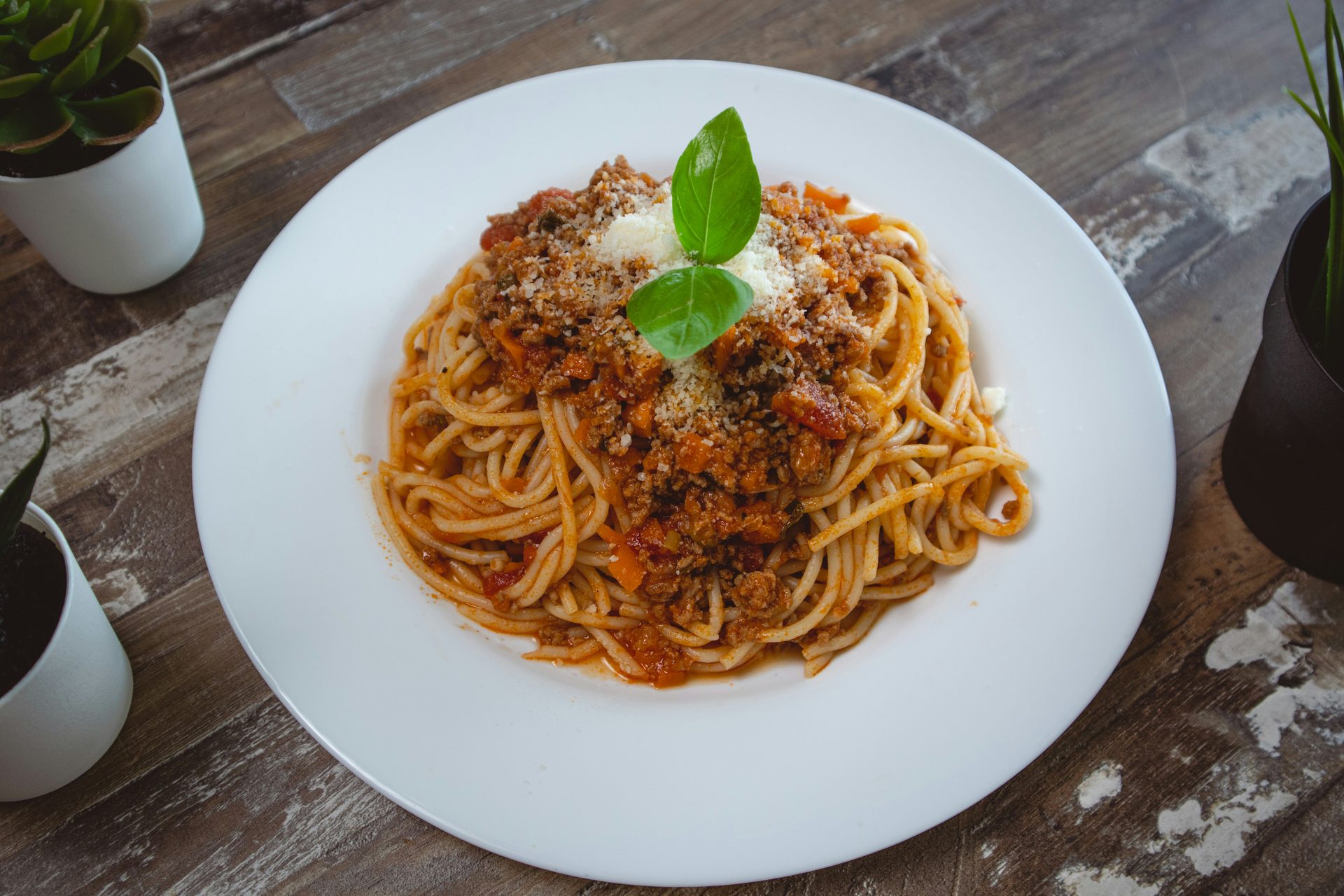
Spaghetti and meat sauce is one of those meals that practically begs to be made in a big batch. Whether you slow-simmered a pot of homemade bolognese on Sunday or have a mountain of leftovers after dinner, the freezer is your best friend — and yes, this dish freezes extremely well.
The good news is that both the sauce and the pasta can go into the freezer, either together or separately. The key is knowing a few simple tricks so nothing comes out mushy, watery, or bland when you reheat it. This guide walks you through everything: how to freeze it, how long it lasts, how to thaw it safely, and what to watch for if something has gone wrong.
Can You Freeze Spaghetti and Meat Sauce?
Yes, you can freeze spaghetti meat sauce. It doesn’t matter if it is ground beef, turkey, or lamb — it all freezes great. The tomato base is what makes this dish so freezer-friendly. Tomato-based sauce is the best sauce to freeze. Cream-based pasta sauces don’t hold up in the freezer — they’re best placed in the refrigerator to eat later in the week.
You can also freeze sauce and cooked pasta together. The important thing is to make sure you cook the noodles al dente, meaning slightly undercooked. This keeps them from turning to mush once reheated. If you haven’t already combined the pasta and sauce, freezing them separately gives you even more flexibility.
Whether you’re meal prepping for busy weeknights or just trying to avoid wasting a big pot of sauce, freezing spaghetti and meat sauce is a practical, reliable option that most American home cooks rely on regularly.
Pro Tip: When you make spaghetti sauce, double the recipe. The extra batch costs almost nothing more in time, and you’ll have a ready-made dinner waiting in the freezer for those nights when cooking isn’t happening.
Does Freezing Change the Texture or Taste of Spaghetti and Meat Sauce?
Freezing does affect texture and flavor to some degree — but the changes are minor if you store it properly. Being able to freeze food and being pleased with the quality after defrosting are two different things. Some foods simply don’t freeze well. Spaghetti and meat sauce, fortunately, is not one of them.
The meat sauce itself holds up well through a freeze-thaw cycle. A meat-based sauce can be frozen for up to 3 months, and the freezing element won’t impair the flavor, texture, or taste. The pasta is where you need to be more careful. Pasta products deteriorate a little when frozen. Noodles that were fully cooked before freezing can become soft or gummy after reheating.
Incorporating ingredients such as onions, garlic, and herbs can enhance the flavor, which may dull after freezing. If you notice the sauce tastes a bit flat after thawing, a splash of fresh olive oil or a pinch of red pepper flakes stirred in during reheating usually brings it back. The overall eating experience after a proper freeze is very close to the original — especially with the sauce.
How to Freeze Spaghetti and Meat Sauce the Right Way
Good results start before the food ever touches the freezer. Follow these steps for both the sauce and the pasta.
Step 1: Cool the Sauce Completely
When handling freezer meal preparations, always allow the sauce to cool to room temperature to prevent bacterial growth. The sauce should not be left out for more than two hours. You can simply leave your sauce out at room temperature for up to 2 hours, then refrigerate until cool. The other option is to place the sauce in a container, then place the entire container in a large bowl filled with ice water. Stir the sauce occasionally to expedite the cooling process.
Step 2: Handle the Pasta Correctly
Pasta should be cooked to al dente to keep its texture after being defrosted and reheated. It is better to undercook pasta slightly if it will be frozen in the sauce, as it will absorb moisture from the sauce and continue to cook when later reheated.
If you’re freezing the pasta separately, when freezing long noodles like spaghetti, make “nests” instead of freezing in a single layer. Use a fork to twirl the tossed pasta in about ½ cup size nests, then carefully move the pasta nest directly to a cookie sheet. Leave a couple of inches between nests. Place the cookie sheet in the freezer for at least one full hour, or up to 8 hours. Once frozen solid, transfer the nests to a freezer bag.
Step 3: Choose the Right Containers
Use Tupperware, plastic containers, or freezer bags. Rather than freeze in giant batches, consider how you plan to use them upon thawing, and portion your sauces accordingly. Spoon sauce into an ice cube tray or snack-size freezer bags if you plan to use small amounts. This will not only save space in your freezer and minimize waste, it will make reheating individual portions much easier.
Step 4: Remove Air and Seal Tightly
If using freezer bags, make sure to remove as much air as possible from the bag to guard against freezer burn. If using Tupperware, make sure it is airtight. Store everything in separate freezer-safe bags, making sure to double-bag the sauce to avoid leakage. Lay bags flat on a baking sheet to freeze — once solid, you can stack them upright to save space.
Step 5: Label Everything
Label the containers with the content’s name and the date you’re freezing it. This way you can easily grab what you need from the freezer without having to inspect things too closely and waste valuable time. Per the USDA, prepped food is good for up to 4 days when refrigerated properly. Spaghetti sauce should be frozen prior to the 4th day to ensure freshness and safety.
Pro Tip: Freeze sauce in ice cube trays first, then transfer the cubes to a freezer bag. You can pull out exactly the amount you need — perfect for adding a scoop or two to soups, casseroles, or baked pasta dishes without thawing a full batch.
How Long Can You Freeze Spaghetti and Meat Sauce?
The good news is that food stored constantly at 0°F will always be safe. Only the quality suffers with lengthy freezer storage. That said, you’ll get the best flavor and texture within a specific window.
| What You’re Freezing | Best Quality Window | Still Safe Beyond That? |
|---|---|---|
| Meat sauce (alone) | 3 months | Yes, but quality declines |
| Sauce + pasta combined | 2–3 months | Yes, texture may suffer |
| Pasta alone (no sauce) | 1–2 months | Yes, but may become gummy |
| Vacuum-sealed meat sauce | 3–6 months | Yes, extended quality |
Once in the freezer, frozen spaghetti sauce has a shelf life of about three months. Beyond that, freezer burn can set in, which makes your tasty sauce less flavorful. Properly cooled, portioned, vacuum-sealed meat sauces retain good flavor and texture for 3–6 months. For most home cooks using standard zip-top freezer bags, the 3-month mark is the target to aim for.
How to Thaw Frozen Spaghetti and Meat Sauce
How you thaw your frozen spaghetti and meat sauce matters — both for food safety and for the quality of the final dish. You have three options, each with its own trade-off between speed and results.
Refrigerator Thawing (Best Method)
For optimal flavor and texture preservation, it is recommended to thaw frozen spaghetti with meat sauce in the refrigerator. It should defrost overnight to ensure even and gentle thawing. This method reduces the risk of freezer burn and maintains the quality of the leftovers. This is the approach recommended by the USDA Food Safety and Inspection Service for meat-containing dishes.
Once thawed, reheat frozen spaghetti sauce in your fridge and then on the stovetop over low heat for about 15 minutes, stirring occasionally. If your sauce contains meat, it’s best to thaw the sauce in the refrigerator, then reheat to at least 165°F to reduce risk of foodborne bacteria.
Cold Water Thawing (Faster Option)
To thaw more quickly, place the sealed container of frozen spaghetti sauce in a cold water bath. Change the water every 30 minutes to ensure that it remains cold. This method can take a few hours, depending on the volume of the sauce. Cook or reheat the sauce immediately after using this method — don’t put it back in the fridge for later.
Microwave Thawing (Quickest, Use with Care)
A microwave can be used for thawing, although it’s not the most recommended method as it can unevenly heat the sauce. If used, the spaghetti sauce should be defrosted at a lower power setting and stirred occasionally to distribute the heat. Depending on the amount of sauce in your container and the power of your microwave, this can take anywhere from 4 to 7 minutes. If you use the microwave, eat the dish right away — don’t refrigerate and reheat again.
Important Note: Never thaw spaghetti and meat sauce on the kitchen counter at room temperature. According to the USDA , bacteria multiply rapidly between 40°F and 140°F, and any perishable food left out more than 2 hours enters the unsafe zone.
Can You Refreeze Spaghetti and Meat Sauce After Thawing?
The short answer is: it depends on how you thawed it. Once food is thawed in the refrigerator, it is safe to refreeze it without cooking, although there may be a loss of quality due to the moisture lost through thawing. If previously cooked foods are thawed in the refrigerator, you may refreeze the unused portion.
However, quality takes a real hit. Spaghetti sauce, especially when made with meat, is likely to suffer from texture changes after being frozen and then refrozen. The meat can become dry or even mushy, as freezing causes the water content in the meat and sauce to form ice crystals. Upon thawing and refreezing, those ice crystals can break down the structure of the meat, leaving it less tender and sometimes grainy.
Do not refreeze any foods left outside the refrigerator longer than 2 hours — or 1 hour in temperatures above 90°F. The smarter approach is to freeze your sauce in individual portions from the start. That way, you only thaw exactly what you need and never have to decide whether it’s safe to refreeze the rest.
If you want to learn more about smart food storage strategies, check out this guide on freezing applesauce for another common meal-prep scenario.
How to Use Frozen Spaghetti and Meat Sauce (Best Uses After Freezing)
Frozen spaghetti and meat sauce is more versatile than most people realize. You’re not locked into just reheating it over noodles — though that’s always a solid choice. Here are the best ways to put it to work:
- Classic spaghetti dinner: Thaw overnight, reheat on the stovetop, and boil fresh pasta. Your pasta will have a better texture and be easier to reheat if you freeze just the sauce and then cook the noodles on the day of serving. Considering how easy it is to boil water and toss the noodles in, make the sauce ahead and the noodles the day of.
- Baked pasta dishes: Use thawed meat sauce as the base for baked ziti, lasagna, or stuffed shells. You could use the sauce on uncooked plain pasta in a baked pasta dish. The oven finishes the cooking and no one will know it came from the freezer.
- Sloppy joe-style sandwiches: Reheat a portion and spoon it over toasted hoagie rolls or garlic bread for a quick weeknight sandwich.
- Pizza sauce: Meat sauce works well as a pizza topping base. If you want to use the sauce for pizza, you’ll want ½ cup portions. Freeze in small amounts specifically for this purpose.
- Stuffed peppers: Mix thawed meat sauce with cooked rice, stuff into bell peppers, and bake. It’s a completely different meal from the same frozen batch.
- Soup base: Thin a portion of meat sauce with beef broth, add cannellini beans and spinach, and you have a hearty Italian-style soup in minutes.
If you’re interested in other nutrient-dense foods to pair with your pasta nights, this article on superfoods for a healthy heart has some useful ideas for rounding out your meals.
Signs That Frozen Spaghetti and Meat Sauce Has Gone Bad
Even with proper storage, it’s worth knowing what to look for before you reheat a container that’s been sitting in the freezer for a while. Freezing preserves food for extended periods because it prevents the growth of microorganisms that cause both food spoilage and foodborne illness. But once it thaws, that protection ends.
Watch for these warning signs:
- Off or sour smell: Fresh meat sauce has a rich, savory aroma. If it smells sour, rancid, or just “off” after thawing, don’t eat it. Trust your nose.
- Slimy texture in the meat: If there’s any slimy texture in the sauce, this is a major sign that bacterial growth has taken place. Discard immediately.
- Visible mold: While this is rarer in frozen sauce, mold can grow if it’s stored improperly or exposed to air. If you spot any fuzzy green, blue, or white growth on the surface of the sauce, discard it immediately. Mold can be harmful even after refreezing and reheating.
- Unusual discoloration: If you notice any mold, unusual color changes — especially a grayish hue in the meat — or other visible signs of spoilage, discard the sauce immediately.
- Watery or separated sauce: When meat and sauce begin to separate, it’s a clear indication that the texture has been compromised. If you notice a layer of liquid sitting on top of the sauce or if the sauce appears overly watery, it might be due to improper freezing or thawing. This alone doesn’t mean the sauce is unsafe — a good stir during reheating often fixes it — but combined with any other sign above, toss it.
- Severe freezer burn: Heavy freezer burn shows up as dry, grayish-white patches on the surface. The sauce is still technically safe to eat, but the flavor will be noticeably flat and the texture may be unpleasant. Use your judgment.
Important Note: When in doubt, throw it out. Foodborne illness from improperly stored meat is not worth the risk. If a container has been in the freezer longer than 3 months or was thawed at room temperature, err on the side of caution.
For more on how the foods you eat affect your body, see this overview of powerful nutrients and foods that fight cancer and this guide to foods for healthy skin.
Frequently Asked Questions
Can you freeze store-bought spaghetti sauce with meat?
Yes — be it beef, lamb, or turkey-based spaghetti sauce, it can be frozen. Whether the meat is sliced, diced, minced, shaped, or even rolled into meatballs, the sauce can be frozen and thawed when needed. Follow the same cooling and storage steps as you would for homemade sauce.
Should you freeze pasta and sauce together or separately?
Separately gives you the best texture. You can freeze cooked spaghetti noodles and sauce together. If you’re going to do this, leave the noodles quite al dente — make them slightly undercooked so that when you’re reheating them, they don’t get mushy. However, your pasta will have a better texture and be easier to reheat if you freeze just the sauce and then cook the noodles on the day of serving.
How long does thawed spaghetti sauce last in the fridge?
Tuck into your spaghetti sauce the same day you defrost it and don’t save any leftovers if it was thawed quickly. If you thawed it in the refrigerator overnight, after thawing, the food should be used within 3 to 4 days or can be refrozen.
Can you freeze spaghetti sauce in glass jars?
To freeze in glass jars, there are several things to do to prevent the jar from cracking. Do not fill it all the way full — instead leave about an inch of headspace. Chill completely, then transfer the jars without lids to the freezer. Set them level in the freezer with space around them so they don’t touch anything. Once frozen, gently twist on the lids, but not too tightly.
Is it safe to reheat frozen spaghetti and meat sauce from frozen?
It is safe to reheat frozen leftovers without thawing, either in a saucepan or microwave in the case of a soup or stew, or in the oven or microwave for casseroles and combination meals. Just make sure the internal temperature reaches 165°F before serving, per the USDA Food Safety and Inspection Service .
Can you freeze spaghetti sauce that has cream or cheese in it?
Tomato-based sauce is the best sauce to freeze. Cream-based pasta sauces don’t hold up in the freezer — they’re best placed in the refrigerator to eat later in the week. If your sauce has a heavy cream or cheese component, skip the freezer and plan to use it within a few days.
Looking for more food storage tips and kitchen ideas? Explore these related reads: can you freeze shop-bought applesauce, whole plant-based foods, and foods that help enhance liver function.