Can You Freeze Fresh Cut Jackfruit? (Step-by-Step Storage Guide)

October 24, 2026
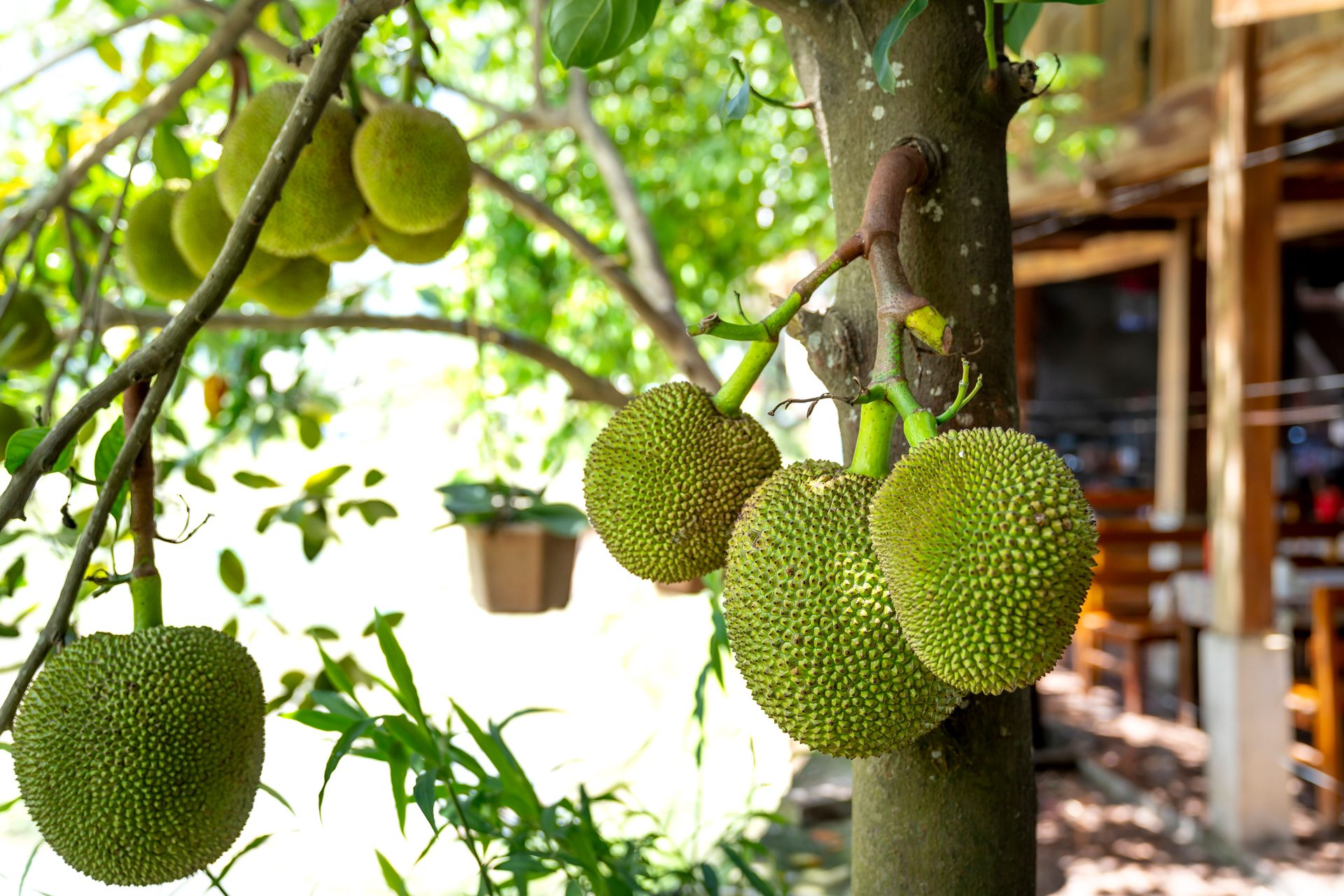
Fresh cut jackfruit is one of those finds that can quickly become overwhelming. Even one-quarter of a jackfruit can be more than you need to prepare for a single large family meal. If you have scored a ripe fruit at a local Asian grocery store, a farmers market, or a specialty retailer, you are probably staring at more than you can eat in a day or two.
The good news: your freezer is your best friend here. Jackfruit is a dense, meaty fruit that is not nearly as juicy as some other fruits, which makes it a solid candidate for freezing — and whether you have fresh raw jackfruit, cooked jackfruit, or even packaged or canned jackfruit, it can be frozen. This guide walks you through everything you need to know, from prep to thawing to spotting spoilage.
Can You Freeze Fresh Cut Jackfruit?
Yes, you can freeze raw jackfruit, and it will freeze very well. You should only freeze the flesh of the jackfruit, but it will require some prepping to ensure it stays fresh in the freezer. The process is straightforward once you understand the basics.
Jackfruit is becoming more popular and easier to find in local stores, but it is not yet a commodity you can expect to be available whenever you want some. If you can find fresh fruit or buy packaged jackfruit in bulk, freezing it is the smartest way to store it so you do not waste a single piece.
Freezing jackfruit is also a great way to reduce food waste. Instead of letting fresh jackfruit go to waste due to its short shelf life, freezing allows you to preserve it and minimize unnecessary food waste. It is one of the most practical storage moves you can make with this tropical fruit.
Pro Tip: If you are allergic to latex, take extra care when handling raw jackfruit. Because of the natural latex sap in jackfruit, you need to take care if you have a latex allergy. Wear disposable gloves and work in a well-ventilated space.
Does Freezing Change the Texture or Taste of Jackfruit?
Freezing can alter the texture of jackfruit, but proper preparation can help minimize these changes. When jackfruit is frozen, ice crystals form within the cells of the fruit, which can lead to a slightly softer texture upon thawing. This is a normal result of the freezing process and happens with most fruits.
There are two general types of jackfruit: soft and crisp. Soft jackfruit has very soft arils that are perfect for freezing or drying. Crisp jackfruit has firmer, more crisp arils. While crisp jackfruit freezes well and retains its nutrition and flavor, the freezing process does compromise the crispness. When thawed, the arils will resemble soft jackfruit in texture.
Freezing jackfruit may alter its texture slightly, but it generally does not significantly affect the taste. Frozen jackfruit is great for use in cooking, making smoothies, and desserts. If you plan to eat it fresh after thawing, just expect a softer bite than you would get from freshly cut fruit.
Frozen jackfruit is still very good for you, as freezing preserves most of the nutrients you would get in fresh jackfruit. Frozen jackfruit is better than canned, but not as good as fresh. For most cooked applications in the US — pulled jackfruit sandwiches, tacos, curries, or smoothies — the texture difference is barely noticeable.
For more on how freezing affects other produce, see how fresh watermelon chunks and fresh uncooked zucchini hold up in the freezer.
How to Freeze Jackfruit the Right Way
Getting the prep right is what separates jackfruit that comes out of the freezer perfectly usable from jackfruit that turns into one big, icy clump. Follow these steps carefully for the best results.
What You Need Before You Start
- Disposable gloves (the latex sap is very sticky)
- A sturdy knife — the sap can damage your knife, so using one you are not overly concerned about is a good idea, as jackfruit secretes a latex sap liquid when cut
- Cooking oil (to coat your hands and knife blade)
- Parchment-lined baking sheet
- Freezer-safe bags or airtight containers
- Permanent marker for labeling
Step-by-Step Freezing Instructions
- Oil up first. Apply a generous amount of oil on your hands and on your knife before cutting the jackfruit. This prevents the sticky sap from sticking to your hands and knife.
- Cut and clean the fruit. Cut each half in half again to form quarters. Inside you will see a white core that you do not eat. There are also large yellow kernels called arils, held in place by white fibrous tissue called rags. You will also find a lot of seeds. Remove the core, rags, and seeds, keeping only the edible flesh.
- Portion into bite-size chunks. Cut the edible flesh into bite-size chunks. This makes it easier to freeze and use later in recipes like smoothies, curries, tacos, or desserts.
- Flash-freeze on a baking sheet. Arrange your jackfruit chunks in a single layer on a baking sheet. Place the tray in the freezer for about 1–2 hours so the pieces freeze individually. This prevents them from clumping together later.
- Transfer to freezer bags. Transfer the jackfruit chunks into freezer bags or airtight freezer containers. For freezer bags, press on the bag to remove any excess air from it before sealing.
- Label and date. Always label your containers or bags with the freezing date. This will help you keep track of how long the jackfruit has been stored.
Pro Tip: Blanching unripe jackfruit for a few minutes before freezing can help preserve texture. This is especially useful if you plan to use the jackfruit in savory cooked dishes like pulled jackfruit or curry.
Freezing Cooked Jackfruit
You can also freeze cooked jackfruit. The fruit will freeze well whether by itself or prepared in a sauce such as BBQ sauce or a curry dish. To ensure the cooked jackfruit stays fresh while in the freezer, always store it in an airtight container or freezer bag.
If you are storing cooked jackfruit that contains sauces, it is best to use an airtight container. Make sure to leave about half an inch of space at the top of the container to allow the sauce to expand. Once frozen solid, you can stack containers to save space.
How Long Can You Freeze Jackfruit?
Sources vary on the exact timeline, and the range you will see most often reflects the difference between food safety (how long it stays safe) and food quality (how long it actually tastes good). Here is a practical breakdown:
| Jackfruit Type | Recommended Freeze Time | Maximum Safe Duration |
|---|---|---|
| Fresh cut (raw flesh) | 1–2 months for best quality | Up to 6 months |
| Cooked jackfruit (plain) | 2–3 months for best quality | Up to 6 months |
| Cooked jackfruit (in sauce) | 2–3 months for best quality | Up to 3 months |
| Canned jackfruit (transferred) | 2–3 months for best quality | Up to 3 months |
Frozen jackfruit can be stored for up to 12 months, but it is best to consume it within 6 months for optimal flavor and texture. Properly stored, jackfruit will last for up to 1 month at peak quality in the freezer. After that, the quality of the fruit will start to deteriorate, and it will become soggy and will not taste as sweet as it should.
When frozen, jackfruit will keep safe indefinitely — but the temperature has to be kept at a steady 0°F to extend the shelf life of frozen jackfruit. For the best eating experience, aim to use it within the first one to two months.
Key Insight: Jackfruit is a whole plant-based food that delivers fiber, potassium, and vitamin C. Freezing helps retain these nutrients, making it a smart way to keep a healthy ingredient on hand. Learn more about freezing jackfruit’s nutritional value at Casa de Sante.
How to Thaw Frozen Jackfruit
How you thaw jackfruit matters almost as much as how you freeze it. The right method keeps the texture as close to fresh as possible and prevents bacterial growth.
The Best Thawing Method: Refrigerator Overnight
The best way to thaw frozen jackfruit is to transfer the bag or container from the freezer to the refrigerator. Allow the jackfruit to thaw overnight or for about 8–12 hours. Thawing the fruit slowly in the refrigerator helps to retain its taste and texture.
Frozen jackfruit may release some liquid as it thaws. To prevent the liquid from making the fruit soggy, you can place the thawed jackfruit on a paper towel to absorb any excess moisture. This step makes a real difference if you plan to eat it fresh or use it in a fruit salad.
Quick-Thaw Method
For a quicker method, you can place the jackfruit in a sealed plastic bag and immerse it in cold water. Change the water every 30 minutes to maintain a cold temperature and promote even thawing.
It is not recommended to thaw jackfruit at room temperature, as this can cause the fruit to lose texture and become too soft. Once thawed, jackfruit should be consumed within a few days for optimal taste and food safety.
No-Thaw Method (for Cooking)
If you are going to use jackfruit for soups, stews, or any recipes that require cooking, it does not need to be thawed. Simply remove the amount of jackfruit from the freezer and toss it directly into the recipe while it is cooking. This saves time and works especially well for curries, chili, and stir-fries.
Can You Refreeze Jackfruit After Thawing?
This is one of the most common questions about frozen jackfruit — and the short answer is no, you should not refreeze it.
Once you have thawed your jackfruit, you will not want to refreeze it again, as this will encourage bacterial growth and also make the jackfruit too mushy. Each freeze-thaw cycle breaks down the cell structure further, leaving you with an unpleasant, waterlogged texture.
The best way to avoid this situation is to freeze jackfruit in individual portions from the start. Freezing in individual portions makes it much easier to use only the desired amount at a time and prevents unused bits from going to waste. Pull out only what you need for a single recipe, and leave the rest frozen.
Important Note: If your jackfruit was thawed in the refrigerator and has only been there for 1–2 days, food safety guidelines generally allow you to cook it first and then refreeze the cooked product. However, refreezing raw thawed jackfruit is not recommended.
How to Use Frozen Jackfruit (Best Uses After Freezing)
Once thawed, jackfruit is remarkably versatile. Thawed jackfruit is a versatile ingredient that can be used in a variety of dishes. Its meaty texture and mild flavor make it a great meat substitute in vegetarian and vegan recipes. You can use thawed jackfruit in curries, stir-fries, tacos, sandwiches, and more.
Here are the best ways to put frozen jackfruit to work in your kitchen:
- Pulled jackfruit sandwiches and tacos: With its milder flavor, green jackfruit will soak up the tastes of any sauce it is made with, making it a very believable meat substitute in a traditionally meat-based dish such as pulled pork. Toss thawed chunks in BBQ sauce and cook until they shred easily.
- Smoothies: Ripe frozen jackfruit blends beautifully. Most people compare a fully ripe, fresh jackfruit to a cocktail or smoothie of tropical fruits — as if a pineapple, mango, and banana were all blended into a single fruit. Add it straight from frozen for a thick, tropical smoothie.
- Curries and stews: Drop frozen pieces directly into a simmering pot. The fruit absorbs spices and sauces exceptionally well.
- Desserts and ice cream: Jackfruit pods can be eaten fresh on their own or added to frozen desserts, rice pudding, and more. Thaw, mash, and fold into yogurt or ice cream bases.
- Jackfruit rice bowls: Sauté thawed jackfruit with garlic, soy sauce, and sesame oil for a quick plant-based rice bowl topping.
Jackfruit is also worth exploring from a nutritional angle. It pairs well with other superfoods for a healthy heart and is frequently listed among powerful nutrients and foods that fight cancer. Its fiber content also makes it a natural fit for foods that support liver function.
Pro Tip: Use young green jackfruit if you want to use it in cooking, as it is more suited to absorbing flavors and spices. Ripe jackfruit is best thawed and eaten uncooked. Knowing which type you have will help you decide the best recipe direction.
Signs That Frozen Jackfruit Has Gone Bad
Even in the freezer, jackfruit can deteriorate — especially if it was not sealed properly or if your freezer temperature fluctuates. Here is what to look for before you use it:
| Warning Sign | What It Means | What to Do |
|---|---|---|
| Freezer burn (dry, grayish patches) | Exposed to air; quality reduced | Trim off affected areas; still safe to use in cooked dishes |
| Sour or fermented smell after thawing | Bacterial activity or spoilage | Discard immediately |
| Visible mold (fuzzy spots) | Mold growth | Discard the entire batch |
| Slimy or sticky texture after thawing | Breakdown of cell structure or spoilage | Discard if accompanied by off-smell |
| Dark brown or black flesh | Oxidation or spoilage | Discard; jackfruit flesh should be yellow — if it has turned brown or black, it should not be eaten |
Freezer burn creates dry, discolored patches and a significant change in texture after thawing, but while quality is reduced, the jackfruit is still safe to eat. Upon thawing, check the texture and smell. If it is overly mushy or has an unpleasant odor, quality is compromised.
A strong, sweet, fruity aroma is normal for ripe jackfruit. However, a sour, alcoholic, or overly pungent smell indicates spoilage. When in doubt, throw it out — no recipe is worth a food safety risk.
Proper food storage habits apply across the board. The same principles that help you keep jackfruit fresh also apply to other perishables — whether you are thinking about foods for healthy skin or managing ingredients for fibroid healing foods.
Frequently Asked Questions
Can You Freeze Jackfruit With the Seeds?
When it comes to freezing jackfruit seeds, you can either freeze them as a whole seed or a crushed seed. Whole seeds will need to be thawed first before they can be used, as the frozen seed will be too difficult to chop or cut. The flesh and seeds are best frozen separately for flexibility.
How Long Does Fresh Cut Jackfruit Last in the Fridge?
If you have already cut into your jackfruit, the segments should be kept in an airtight container and consumed within 5 to 7 days to ensure the best quality and taste. If you cannot use it within that window, move it to the freezer right away.
Can You Freeze Canned Jackfruit?
As for canned jackfruit, never freeze it in its original packaging. Get a rigid plastic container with an airtight cover and pour the product in, leaving about an inch or two of space to let the liquids expand as the fruit freezes. Unopened canned jackfruit can last a year or more depending on the expiration date on the can. Post-opening, it generally lasts about a week in the refrigerator and 2–3 months in the freezer.
Does Frozen Jackfruit Lose Its Nutritional Value?
Freezing jackfruit allows you to preserve its nutritional value, ensuring that you can still enjoy the health benefits of this fruit even after it has been frozen. Freezing jackfruit helps to retain its vitamin C, antioxidants, and other essential nutrients. The nutritional profile stays largely intact when the fruit is properly sealed and stored.
Is Frozen Jackfruit Good for Vegan Cooking?
Absolutely. Its unique texture makes it a popular meat substitute for vegetarian and vegan dishes. When cooked, jackfruit has a pulled pork-like consistency, making it a delicious and healthy alternative for sandwiches, tacos, and stir-fries. Frozen jackfruit is especially convenient because you can pull out exactly the amount you need for a single meal. You can also explore the pros and cons of eating seafood if you are comparing plant-based versus animal protein options.
Where Can You Find Fresh Jackfruit in the US?
Some specialty stores and farmers markets do import whole jackfruit, making it possible for you to buy an entire fruit or a pre-cut section of the fruit. In the US, your best bets are Asian grocery stores, international supermarkets, and natural food retailers. Canned and packaged versions are widely available at most major grocery chains year-round. Jackfruit also shows up frequently at food festivals around the world and even at food festivals in Texas, where tropical fruit vendors are increasingly common.