9 Za’atar Alternatives That Hit the Same Herby, Nutty, Lemony Notes

Updated April 14, 2026
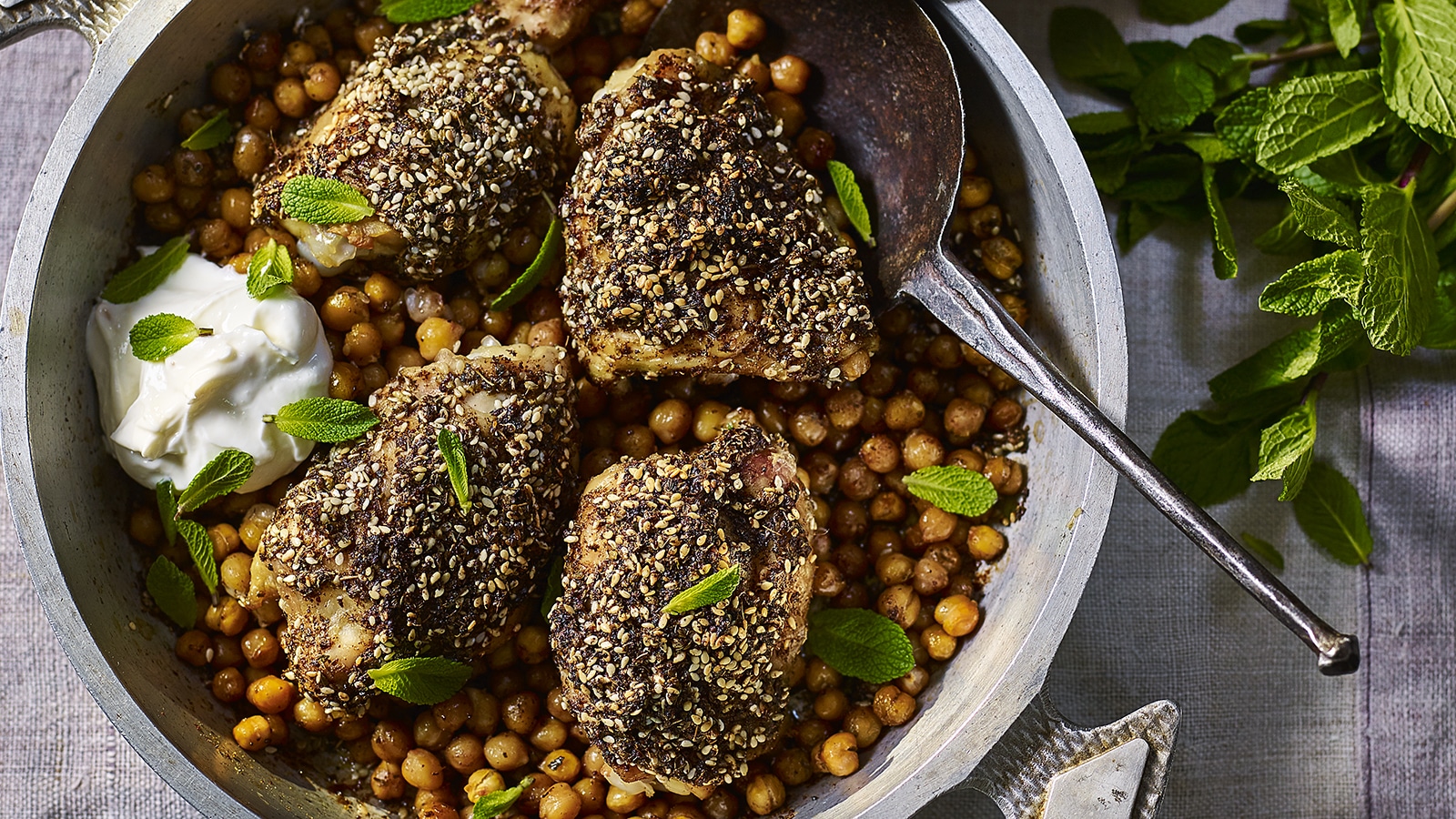
Za’atar is one of those spice blends that quietly does a lot of heavy lifting in the kitchen. That signature combination of earthy herbs, toasted sesame, bright sumac, and a whisper of salt makes it nearly impossible to replace with a single spice—but that doesn’t mean you’re out of options when the jar runs empty.
Whether you’re mid-recipe and can’t run to the store or you’re simply looking to experiment with something new, there are several solid za’atar substitutes that can carry those same herby, nutty, and lemony flavor notes into your dish. Some are single spices you likely already own, while others are ready-made blends that bring their own personality to the table.
In this guide, you’ll find nine of the best substitutes for za’atar—including a quick homemade version you can throw together in minutes—so your flatbreads, dips, roasted vegetables, and marinades never have to suffer.
Key Insight: Za’atar’s flavor profile is built on four pillars—herbal (thyme, oregano), nutty (sesame), tangy (sumac), and savory (salt). The best substitutes either replicate all four or lean into the ones that matter most for your specific dish.
1. DIY Homemade Blend (Thyme + Sesame + Sumac + Oregano)
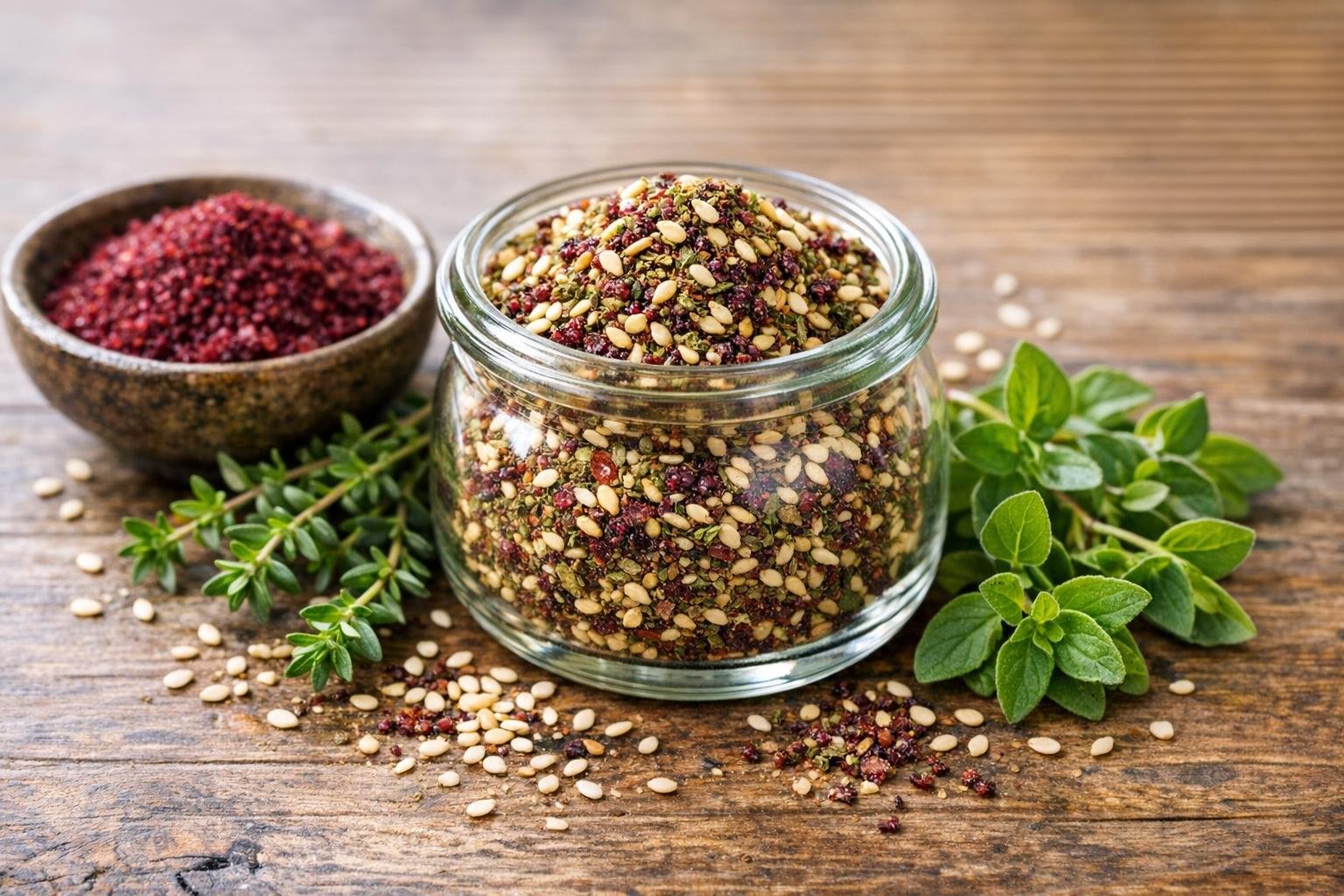
If you have a few minutes and a reasonably stocked spice cabinet, making your own za’atar substitute is hands-down the closest you’ll get to the real thing. The traditional blend varies by region—Lebanese, Palestinian, and Syrian versions each have their own ratios—but the core formula is consistent: dried thyme, toasted sesame seeds, ground sumac, and dried oregano, with a pinch of salt.
To make a basic homemade za’atar, combine one tablespoon of dried thyme, one tablespoon of dried oregano, one tablespoon of toasted sesame seeds, two teaspoons of ground sumac, and half a teaspoon of salt. Mix well and use it in a 1:1 ratio anywhere your recipe calls for za’atar. You can toast the sesame seeds in a dry pan over medium heat for about two minutes to bring out their nuttiness before mixing.
The beauty of making it yourself is that you control the balance. If you love that tangy, citrusy punch, go heavier on the sumac. If you want something more herbal and mild, dial up the thyme and ease back on everything else. Some cooks also add a small amount of dried marjoram or cumin for extra depth.
Pro Tip: Make a larger batch and store it in an airtight jar away from heat and light. A homemade za’atar blend stays fresh for up to three months and works beautifully mixed with olive oil as a bread dip.
This substitute works in virtually every application—flatbreads, roasted chicken, hummus toppings, grain bowls, and yogurt dips. If you’re looking for other za’atar spice blend alternatives beyond the DIY route, the options below cover a wide range of flavor directions.
2. Oregano + Thyme
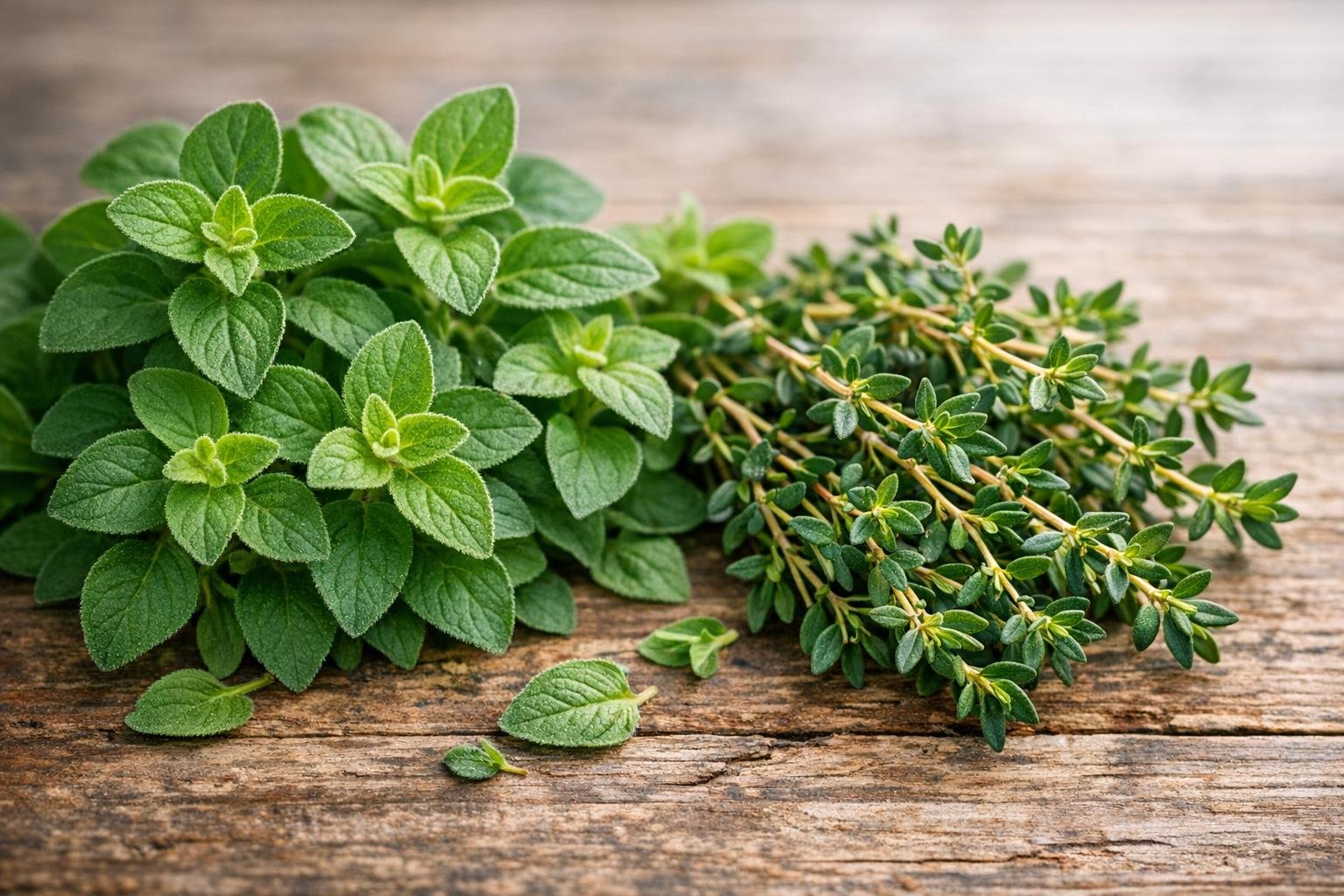
When you don’t have sesame seeds or sumac on hand, a simple 50/50 blend of dried oregano and dried thyme captures the most dominant herbal notes in za’atar without much effort. These two herbs form the backbone of the blend, and together they deliver that earthy, slightly peppery, and aromatic quality that makes za’atar so versatile.
Use equal parts of each—about half a teaspoon of dried oregano and half a teaspoon of dried thyme for every teaspoon of za’atar your recipe needs. This pairing works especially well in savory applications where the nutty sesame and tangy sumac aren’t the star of the show, such as roasted vegetables, herb-crusted proteins, and simple olive oil dips.
What you lose with this swap is the textural element from sesame and the bright acidity from sumac. You can partially compensate by squeezing a little fresh lemon juice over your finished dish or adding a tiny pinch of citric acid to the mix. It won’t be a perfect replica, but it gets the job done when you’re working with a bare pantry.
| Substitute | Flavor Match | Best Used In | Ratio to Za’atar |
|---|---|---|---|
| Oregano + Thyme | Herbal, earthy | Roasted veggies, marinades | 1:1 |
| Italian Seasoning | Herbal, slightly sweet | Pasta, pizza, dips | 1:1 |
| Herbes de Provence | Floral, herbal | Roasted meats, grains | 1:1 |
| Ground Coriander | Citrusy, warm | Soups, stews, rubs | ½:1 |
| Cumin + Thyme + Lemon Zest | Earthy, tangy, herbal | Grain bowls, dips, chicken | 1:1 |
3. Italian Seasoning
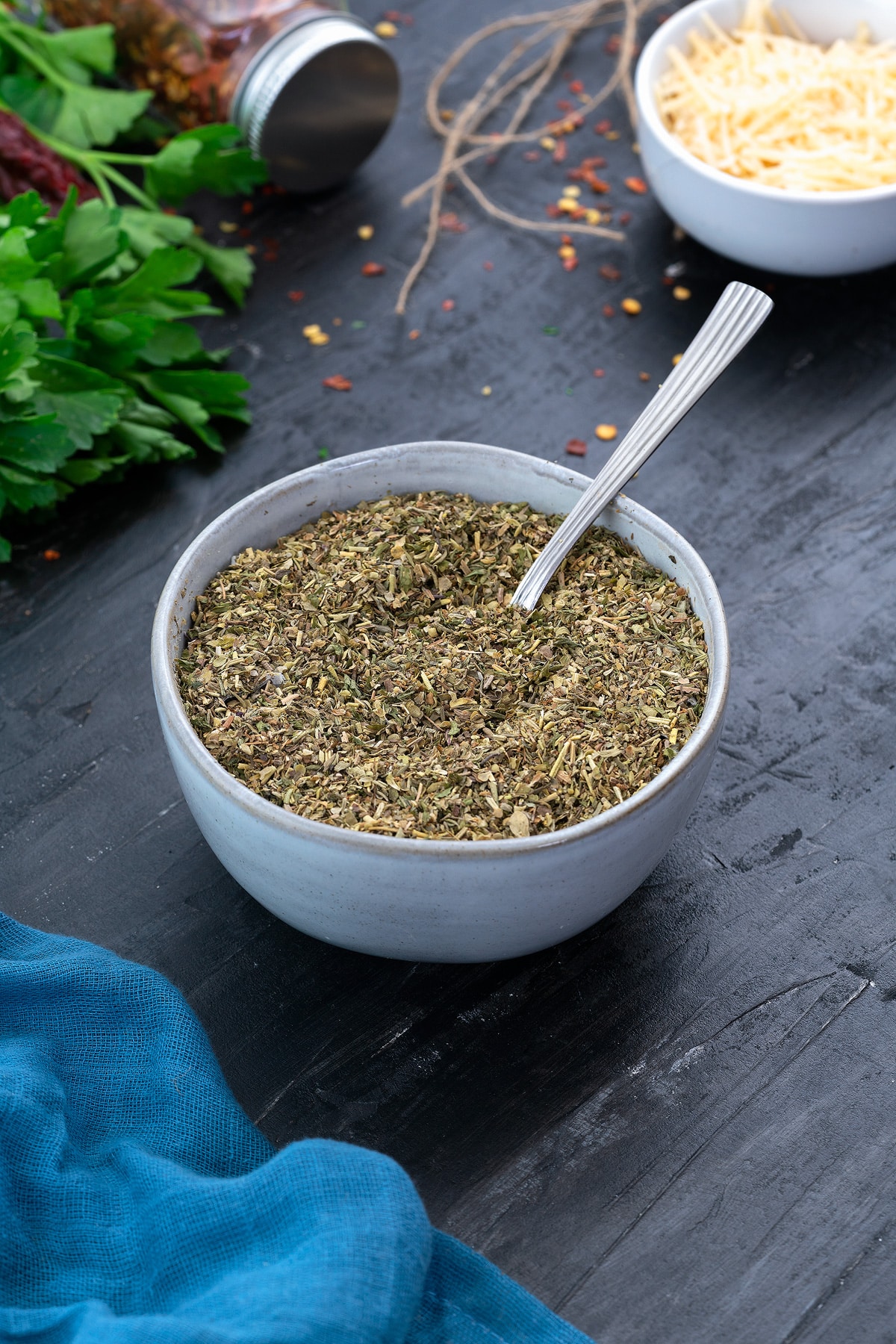
Italian seasoning is one of the most common spice blends in Western kitchens, and it makes a surprisingly capable za’atar stand-in. Most commercial Italian seasoning blends contain dried oregano, thyme, basil, rosemary, and marjoram—several of which overlap directly with za’atar’s herbal base. The result is a familiar, savory flavor with good aromatic depth.
The key difference is that Italian seasoning lacks both sesame and sumac, so it won’t bring the nutty texture or citrusy tang. However, the multi-herb complexity makes it feel more layered than using just oregano or thyme alone. Use it in a 1:1 ratio as a za’atar replacement, and consider adding a small squeeze of lemon or a pinch of sesame seeds on the side if you have them.
Italian seasoning shines as a za’atar swap in dishes where the blend is used as a finishing touch rather than a primary flavor—think sprinkled over hummus, stirred into labneh, or dusted on roasted potatoes. It’s less ideal for dishes where za’atar’s distinct tanginess is central to the recipe’s identity.
Common Mistake: Don’t use Italian seasoning blends that contain garlic powder or onion powder as a za’atar substitute—those additions will shift the flavor profile significantly and can overpower delicate dishes.
4. Dukkah
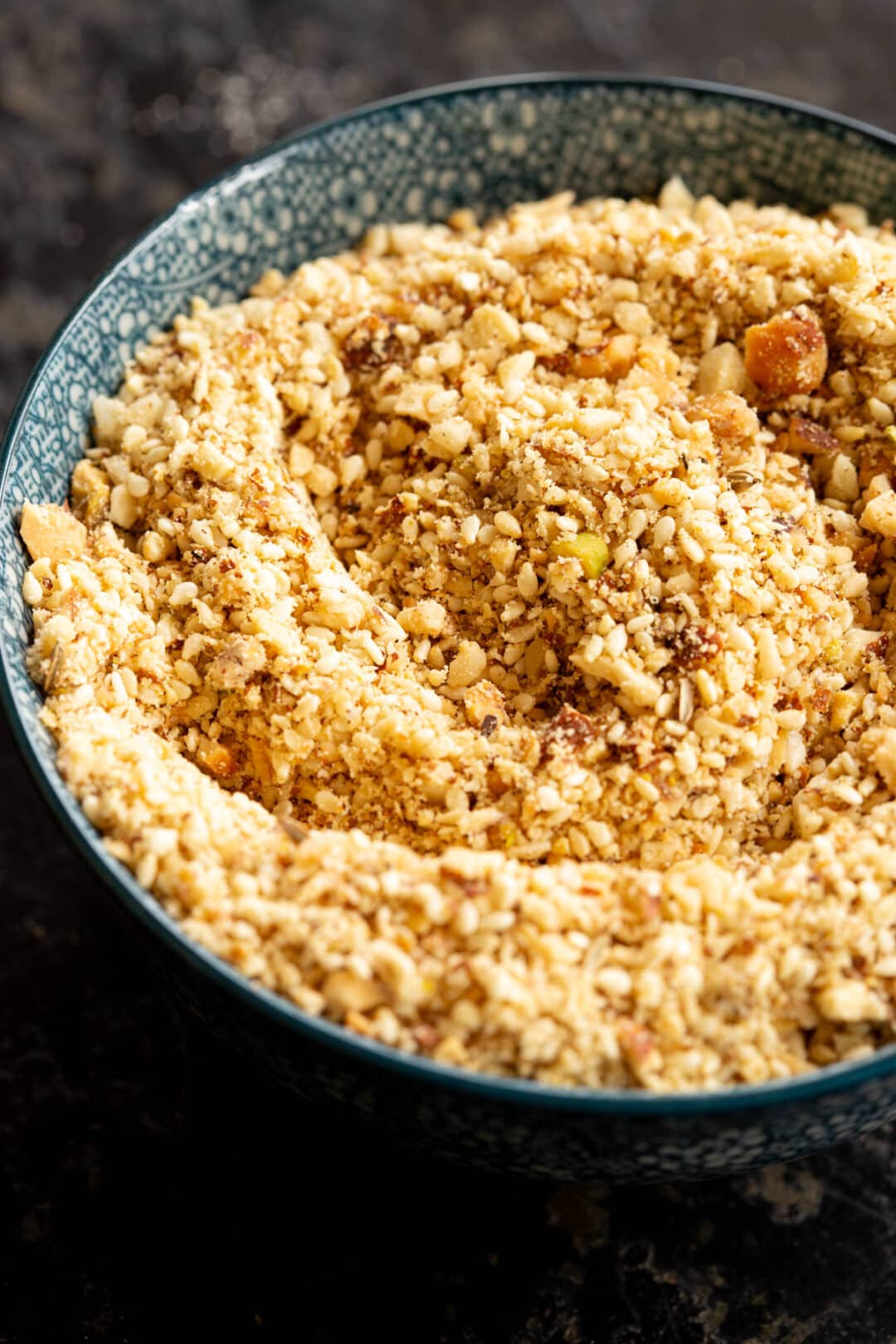
Dukkah (Sohag dukkah in its Egyptian form, though the term broadly refers to the Egyptian nut-and-spice blend) is one of the most exciting za’atar alternatives because it shares the same spirit of use even if the flavor profile diverges. This North African condiment is made from toasted nuts—typically hazelnuts or almonds—ground with sesame seeds, coriander, cumin, and various spices. The result is a coarse, fragrant, deeply nutty blend with warm spice undertones.
Where za’atar leans herbal and tangy, dukkah leans nutty and warm. That makes it an excellent swap when you’re using za’atar primarily as a dipping blend with olive oil and bread, as a crust for proteins, or as a topping for roasted vegetables. The sesame content in dukkah means you still get that toasty, nutty quality that za’atar delivers.
Use dukkah in a 1:1 ratio, but be aware that it’s coarser in texture than za’atar, so it works better as a finishing element than as a rub mixed into wet ingredients. You can find dukkah at specialty grocery stores and Middle Eastern markets, or you can find recipes for homemade dukkah that let you adjust the nut-to-spice ratio to your liking.
5. Herbes de Provence
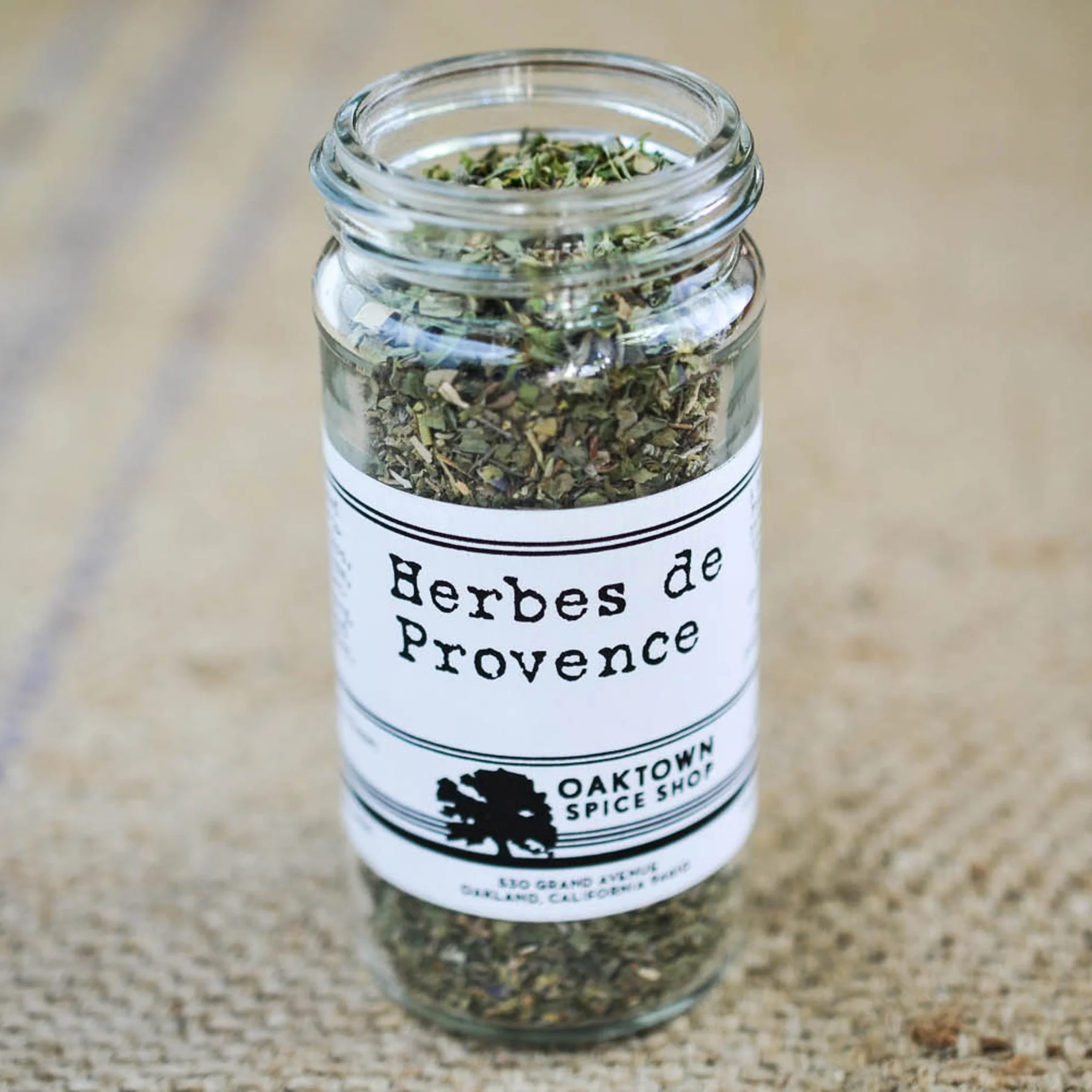
Herbes de Provence is a fragrant French herb blend that typically includes dried thyme, rosemary, savory, marjoram, and often lavender. At first glance, it might seem like an unlikely za’atar substitute, but the thyme and savory content give it a genuine herbal overlap that works well in many of the same applications.
The lavender in some Herbes de Provence blends adds a floral note that za’atar doesn’t have, which can either be a pleasant variation or a distraction depending on what you’re cooking. For savory roasted dishes, grilled meats, and grain salads, that floral hint tends to blend into the background and adds a subtle complexity. For dishes where za’atar’s flavor is front and center—like a simple olive oil dip—the lavender can feel out of place.
Use Herbes de Provence in a 1:1 ratio and, as with other herbal substitutes, consider adding a small amount of sesame seeds and a squeeze of lemon to bring the flavor profile closer to za’atar. This blend pairs especially well with lamb, chicken thighs, and roasted root vegetables.
Pro Tip: If your Herbes de Provence blend contains lavender and you find the floral note too strong, mix it 50/50 with plain dried thyme to tone it down while keeping the herbal complexity.
6. Ground Coriander
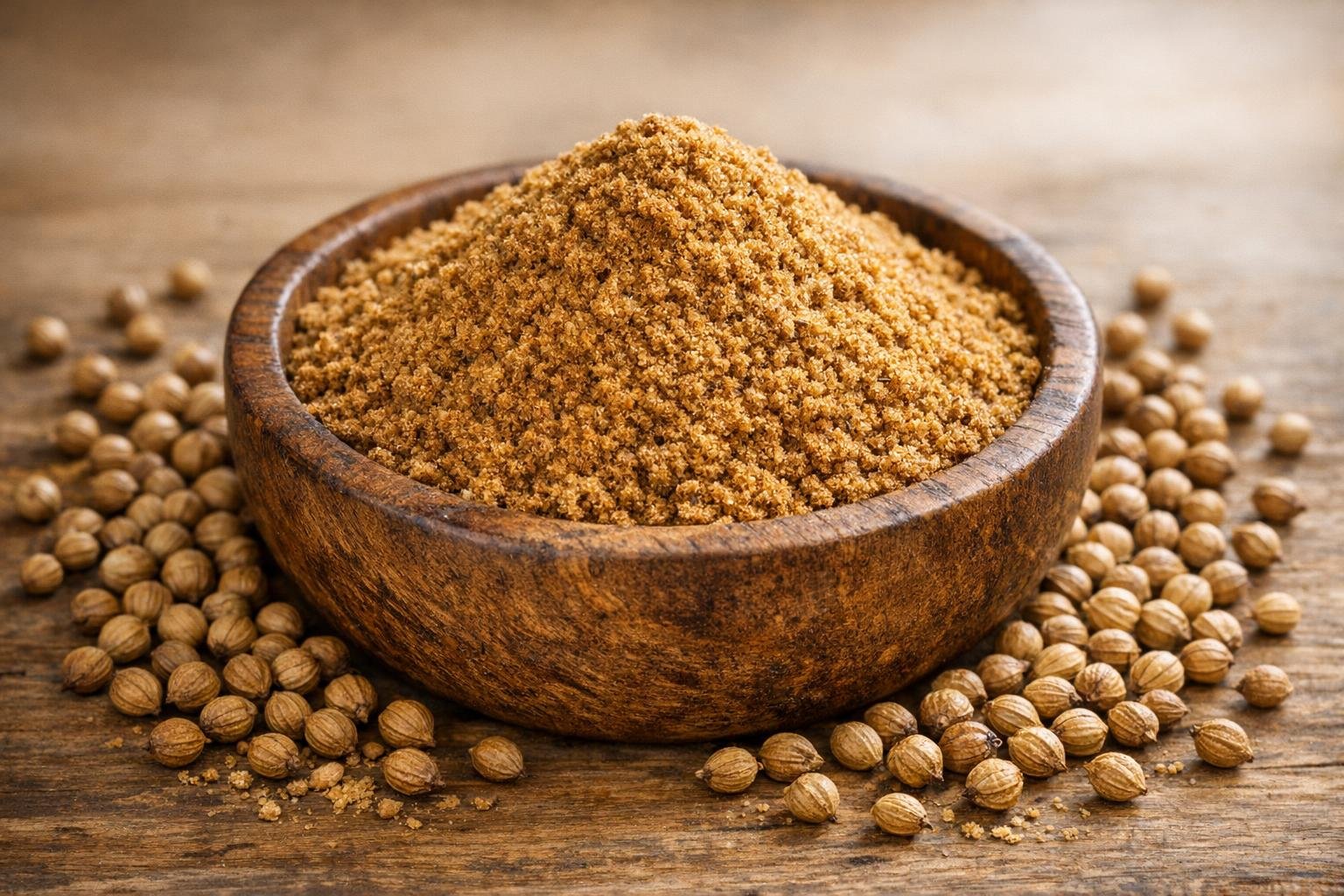
Ground coriander (Coriandrum sativum) might not be the first spice that comes to mind when you think about replacing za’atar, but it earns its place on this list thanks to its citrusy, slightly floral warmth. Coriander seeds have a natural brightness that mimics the lemony tang of sumac, making it one of the better single-spice options when you need to replicate that particular quality in za’atar.
On its own, ground coriander is warm, slightly sweet, and mildly citrusy—not herbal in the way za’atar is, but capable of adding a lift to dishes that would otherwise feel flat without that tangy element. It works best as a partial substitute rather than a full one-to-one replacement, particularly in spice rubs, soups, stews, and grain dishes where za’atar plays a supporting role.
Use about half a teaspoon of ground coriander for every teaspoon of za’atar, and pair it with a pinch of dried thyme to bring in the herbal element. This combination is especially useful in Middle Eastern-inspired dishes like roasted cauliflower, lentil soups, and chickpea stews. Ground coriander also pairs well with other pantry staples in building layered, complex flavors.
7. Cumin + Thyme + Lemon Zest
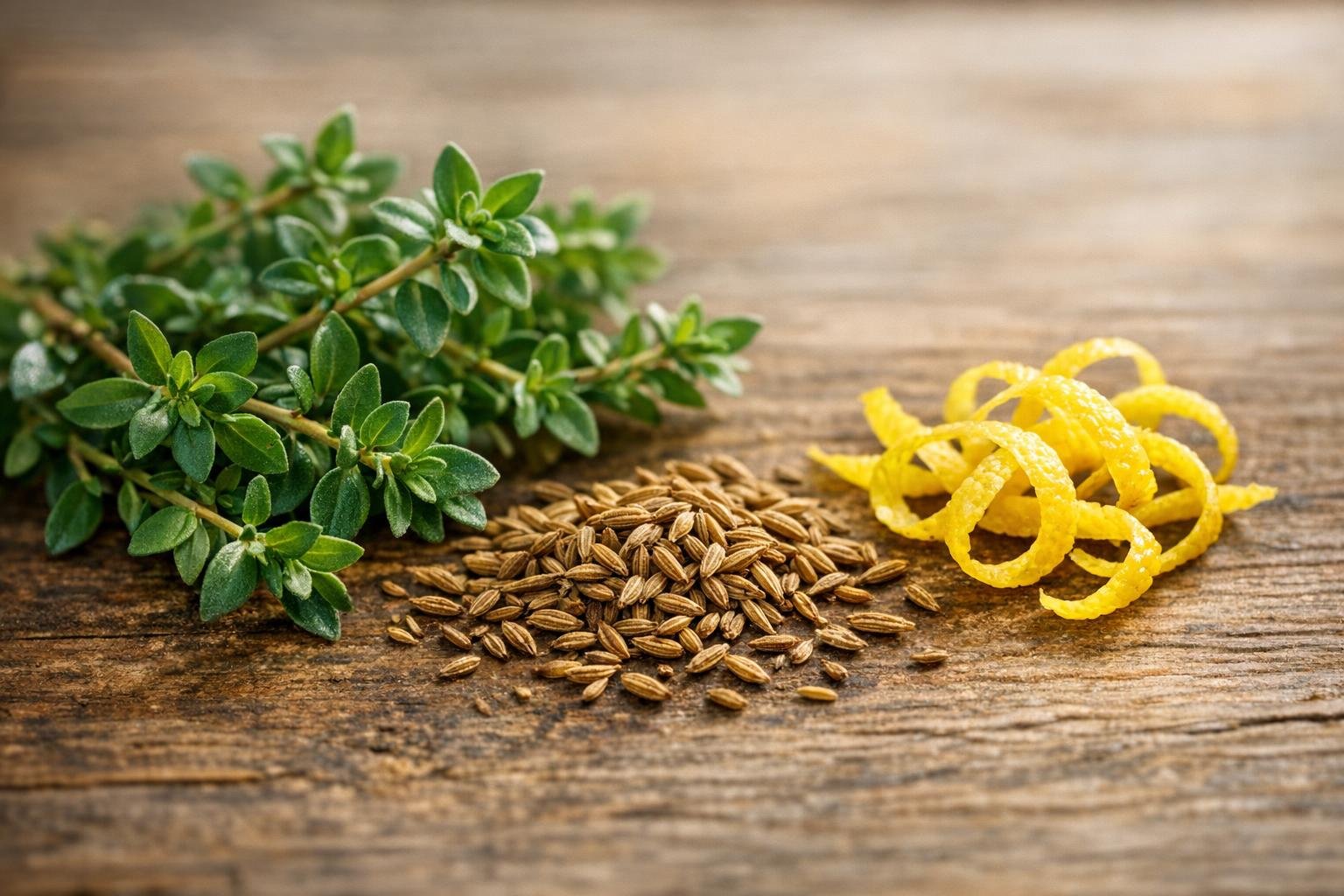
This three-ingredient combination is one of the most thoughtful za’atar replacements you can put together from a standard spice drawer. Cumin brings a warm, earthy depth that echoes the savory weight of za’atar; dried thyme provides the herbal backbone; and fresh or dried lemon zest delivers the bright, citrusy tang that sumac normally contributes.
To make this blend, combine half a teaspoon of ground cumin, half a teaspoon of dried thyme, and a quarter teaspoon of lemon zest (fresh zest gives the best result, but dried lemon peel works too). This yields roughly one teaspoon of substitute, which you can use in a 1:1 ratio for za’atar. If you have sesame seeds, adding a small pinch will bring the blend even closer to the original.
This substitute performs particularly well in grain bowls, roasted chicken, yogurt-based sauces, and flatbread toppings. The cumin adds a slightly smoky, robust quality that za’atar doesn’t always have, which can actually be a welcome upgrade in heartier dishes like roasted lamb or spiced lentils.
Key Insight: Fresh lemon zest makes a noticeable difference in this blend. The essential oils in the zest give it a brightness that dried lemon peel or lemon juice can’t fully replicate, so use it fresh if you have a lemon on hand.
If you enjoy building your own spice blends, you might also find it useful to explore flavor-forward substitutes in other areas of your cooking—the same principle of combining complementary elements applies across many cuisines.
8. Harissa Spice Blend
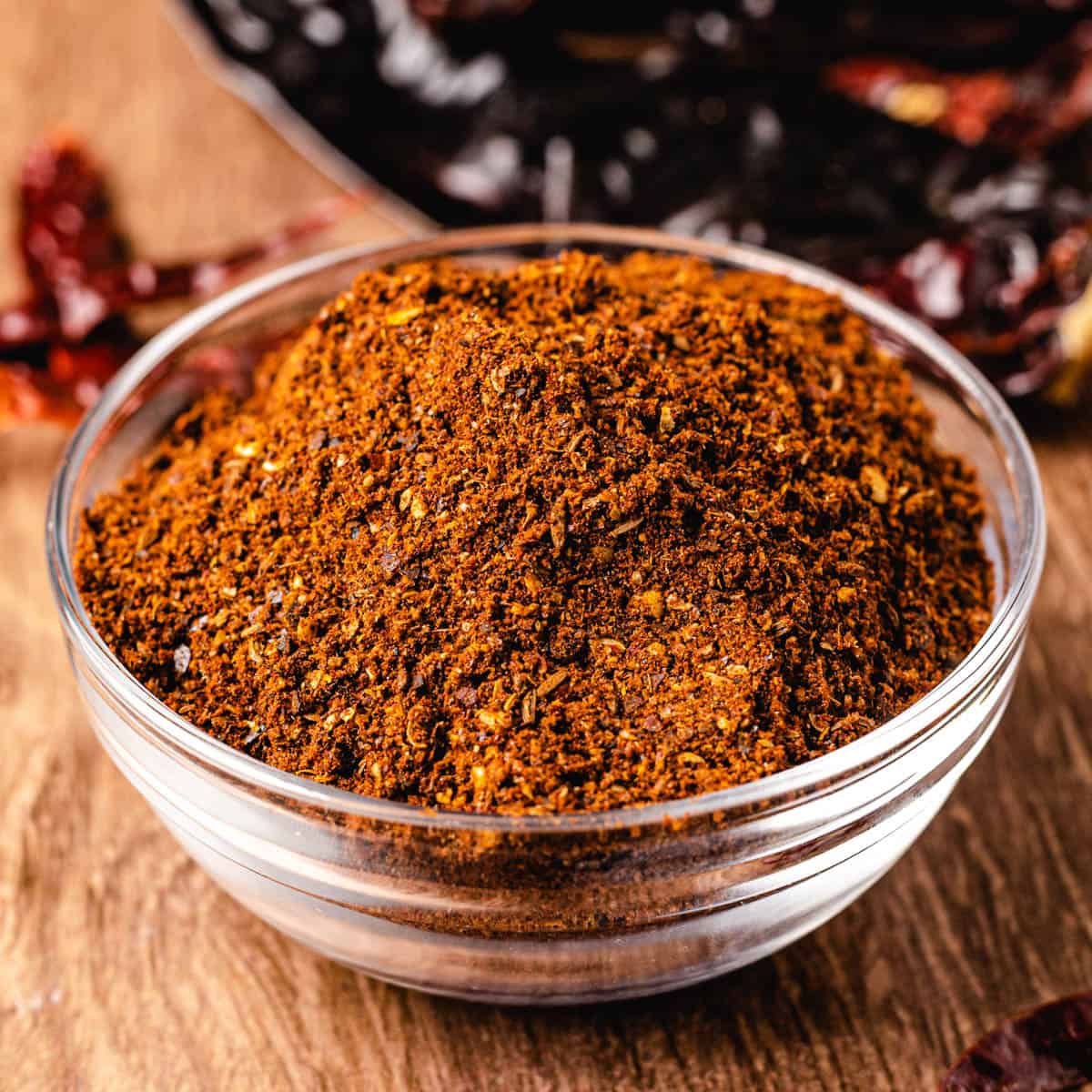
Harissa is a bold move as a za’atar substitute, and it’s not the right call for every dish—but when it works, it really works. Traditional harissa paste is a North African chili condiment, but the dry harissa spice blend is a more versatile powder made from dried chilies, caraway, coriander, cumin, garlic, and sometimes rose petals. It brings heat, earthiness, and aromatic complexity in a way that few other substitutes can match.
The reason harissa spice blend makes this list is that it shares za’atar’s role as a bold, aromatic seasoning used to add character to simple ingredients. Both are used to elevate flatbreads, roasted vegetables, eggs, and grilled proteins. The flavor profiles are quite different—harissa is spicy and warm where za’atar is herbal and tangy—but in dishes where you want a punchy, complex seasoning rather than a precise flavor match, harissa delivers.
Use harissa spice blend in a 1:1 ratio if you enjoy heat, or start with half the amount and adjust to taste. It works especially well as a rub for chicken or lamb, stirred into hummus for a spicy variation, or mixed with olive oil as a dipping sauce. Keep in mind that if your recipe is delicate or mild, harissa will change the character of the dish significantly—it’s best used when you’re open to a bolder, spicier result.
For cooks who enjoy exploring bold flavor alternatives across different cuisines, it’s worth noting that similar cross-cultural swaps work well in other recipes too—like finding alternatives to ancho chile peppers when you want heat with depth.
Important Note: Harissa spice blend and harissa paste are not the same thing. The dry blend is a powder that behaves like a spice mix, while the paste is a wet condiment. For substituting za’atar, always use the dry spice blend version.
9. Shichimi Togarashi
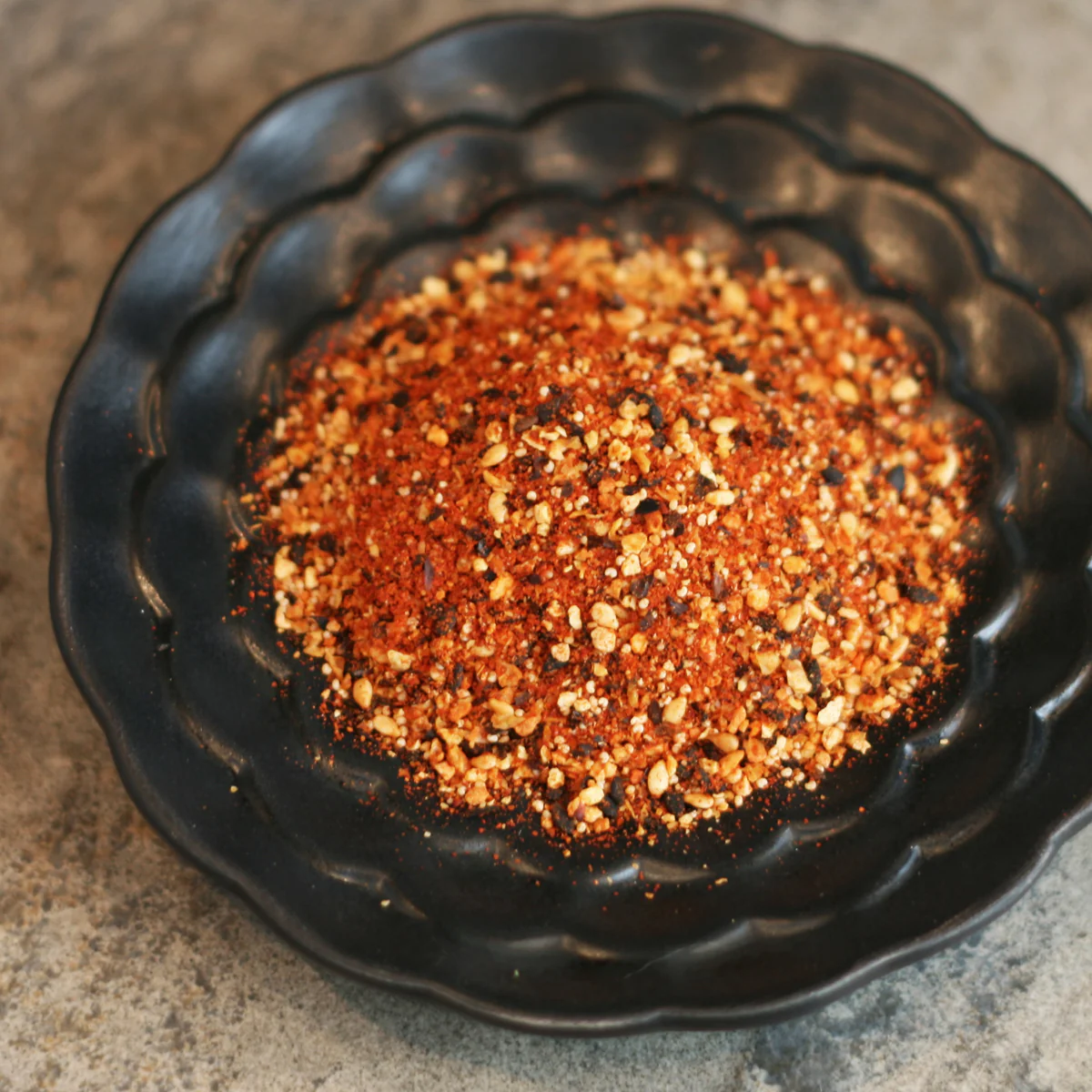
Shichimi togarashi (shichi meaning “seven” in Japanese, referring to its seven-ingredient composition) is a Japanese seven-spice blend that brings a completely different cultural perspective to the za’atar substitute conversation. It typically contains red chili pepper, sansho (Japanese pepper), dried orange peel, black and white sesame seeds, hemp seeds or poppy seeds, nori (dried seaweed), and ginger. The result is a complex, aromatic blend with heat, citrus, nuttiness, and umami all in one.
At first glance, shichimi togarashi seems like an unlikely za’atar replacement—and in traditional Middle Eastern recipes, it would be a significant departure. But it earns its spot here because of the sesame seeds and dried citrus peel, which mirror two of za’atar’s most important flavor elements: the nutty and the tangy. The overall effect is aromatic and layered in a way that keeps food from feeling flat.
This substitute works best when you’re using za’atar as a finishing spice rather than a primary seasoning—sprinkled over eggs, avocado toast, roasted vegetables, noodle dishes, or grilled fish. The heat level in shichimi togarashi varies by brand, so start with a smaller amount than your recipe calls for and build up to taste.
Use shichimi togarashi in roughly a 1:1 ratio for finishing applications, or about three-quarters of the amount called for if you’re mixing it into a sauce or marinade. It pairs beautifully with sesame oil, soy sauce, and ginger-forward dishes, making it a particularly smart swap in fusion cooking where you’re already blending flavor traditions. You can find it at most Asian grocery stores or order it online from specialty spice retailers .
Pro Tip: Shichimi togarashi is an excellent pantry addition beyond just substituting for za’atar. Try it on popcorn, ramen, grilled corn, or scrambled eggs for an easy flavor upgrade.
If you’re the kind of cook who loves keeping interesting flavor alternatives on hand, it’s worth building out your pantry with versatile swaps in other categories too—from wine substitutes for cooking to peppery greens alternatives that bring similar character to salads and grain bowls.
Choosing the Right Za’atar Substitute for Your Recipe
The best substitute for za’atar depends on what role the spice is playing in your dish. If it’s the star—mixed with olive oil as a dip, pressed into flatbread, or used as the primary seasoning on roasted chicken—your best options are the DIY homemade blend or the cumin + thyme + lemon zest combination, since both come closest to replicating all four flavor pillars of za’atar.
If za’atar is more of a supporting player—added to a marinade, stirred into a sauce, or used as a finishing touch—then Italian seasoning, oregano + thyme, or Herbes de Provence will all do the job without requiring much adjustment. For adventurous cooks who want to take the dish in a new direction rather than simply replicate the original, dukkah, harissa spice blend, and shichimi togarashi each offer a genuinely exciting alternative that brings its own character to the table.
- Closest to za’atar: DIY homemade blend, cumin + thyme + lemon zest
- Best for everyday cooking: Oregano + thyme, Italian seasoning
- Best for adventurous flavor: Dukkah, shichimi togarashi
- Best for bold, spicy dishes: Harissa spice blend
- Best single-spice option: Ground coriander
No matter which substitute you reach for, the key is to taste as you go and adjust the quantities to match the flavor intensity your recipe needs. Za’atar is a forgiving blend to replace—its individual components are widely available, and the spirit of what it adds to food (brightness, earthiness, nuttiness) can be found in many different combinations. Keep experimenting, and you might just discover a new favorite blend in the process.
Looking for more kitchen substitution ideas? Check out our guides on nut butter alternatives and vegetable oil swaps for baking to keep your recipes on track no matter what’s missing from your pantry.