What to Serve with Tuna Tataki: 5 Classic Japanese Flavor Pairings

November 26, 2026
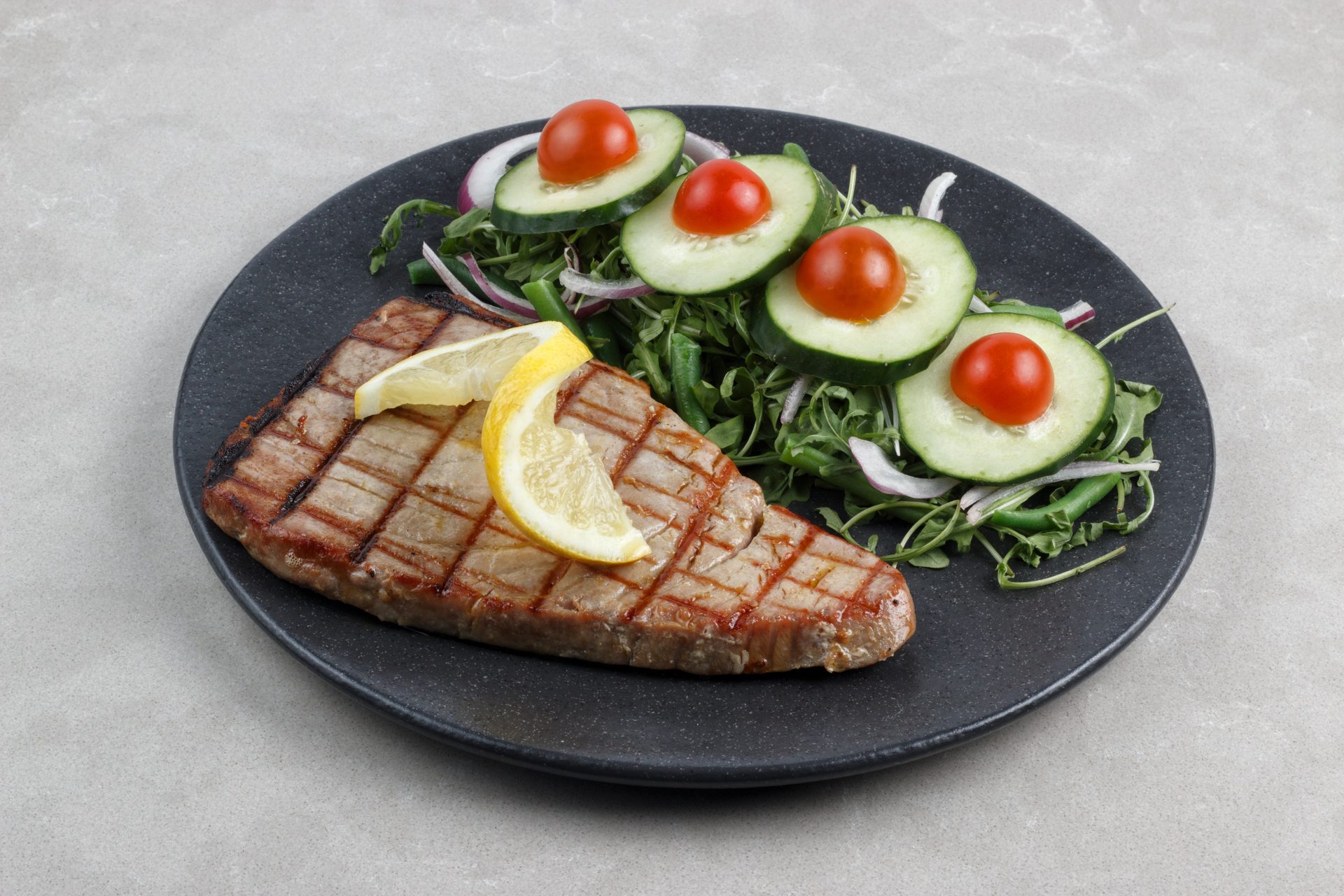
Most people reach for wasabi and call it a day, but the real secret behind a restaurant-quality plate of tuna tataki has almost nothing to do with heat. It comes down to a small lineup of aromatic garnishes the Japanese call yakumi, and they were originally chosen for a reason that has nothing to do with taste at all.
If you are wondering what to serve with tuna tataki, the answer Japanese cooks have relied on for generations is simpler than you might expect: soy sauce, garlic, ginger, green onions, and shiso leaves. Each one plays a distinct role in balancing the rich, fatty flesh of seared ahi tuna, and together they turn a few ounces of fish into a dish that tastes considerably more complex than its ingredient list suggests.
| Pairing | Role on the Plate | Flavor Note |
|---|---|---|
| Soy Sauce | Salty base sauce | Savory, slightly sweet |
| Garlic | Pungent accent | Sharp, aromatic |
| Ginger | Warming contrast | Spicy, citrusy |
| Green Onions | Fresh garnish | Mild, sweet onion |
| Shiso Leaves | Herbal wrapper or garnish | Minty, citrusy, slightly bitter |
Pro Tip: Set out all five pairings in small separate bowls rather than mixing them into one sauce. Guests can season each bite differently, which is closer to how tataki is traditionally served at Japanese restaurants.
1. Soy Sauce
Soy sauce is the backbone of almost every tataki preparation, and for chopped-style tataki it is often the only seasoning the dish needs. According to Wikipedia’s entry on tataki , fish such as tuna or horse mackerel are chopped and mixed with garnishes such as garlic, ginger, green onions or shiso leaves, and soy sauce may be poured over the chopped mixture before consumption.
For seared-and-sliced tataki, soy sauce usually shows up as part of a citrus-soy sauce rather than straight from the bottle. One recipe developer at Two Purple Figs describes it directly: soy sauce is the hero contrast in the sauce with the sweet and tangy citrus. That combination, often built with ponzu, lime, or mirin, is what gives tataki its signature savory-bright flavor without overwhelming the fish.
If you are cooking for guests who are also watching their sodium intake, a low-sodium tamari works as a near-identical substitute without changing the flavor profile much. This matters more than it might seem, since tuna itself is prized for its omega-3 content and heart-conscious diners often pay close attention to what accompanies it; our guide on foods to eat and avoid with coronary heart disease covers how sodium-heavy condiments factor into that picture. This information is general and not a substitute for advice from a healthcare provider about your specific dietary needs.
Sourcing good tuna matters just as much as the sauce. Sashimi-grade fish is almost always flash-frozen before it reaches a home kitchen, and if you are ordering it online, our piece on how to ship frozen food with ease explains what to look for so the fish arrives in sashimi-safe condition.
2. Garlic
Garlic is less universal than soy sauce in tataki preparations, but it shows up often enough in regional variations to earn its place on this list. RecipeTin Japan notes that bonito tataki is usually served with grated ginger and chopped shallots, and sometimes with garlic, a pattern that carries over naturally to tuna versions of the dish.
Home cooks have run with this idea in creative directions. One dressing shared on Cookpad pairs tuna tataki with a mizuna salad built around grated garlic and blended miso alongside soy sauce and rice vinegar, which shows how well garlic’s sharpness plays against the richness of seared fish. Because raw garlic is intense, most recipes call for it grated finely or even run through a garlic press so it disperses evenly through a sauce instead of hitting in one sharp bite.
Garlic’s role here is really about umami depth rather than heat, which is why it pairs so naturally with other savory, deeply savory foods in Japanese cooking. A single clove, grated and whisked into a soy-citrus base, is usually enough for a tataki portion meant for two to four people.
3. Ginger
Fresh ginger, or Zingiber officinale, is one of the most consistent accompaniments across every style of tataki, bonito and tuna alike. RecipeTin Japan’s second serving option for tataki calls for grated ginger and chopped shallots, with ponzu often served alongside a spicy condiment called momiji oroshi made by grating daikon and chillies together.
Beyond the fresh grated form, pickled ginger, known as gari, is a common tableside addition. As one tataki recipe writer puts it, pickled ginger adds a zesty contrast, cleansing the palate between bites and enhancing the umami flavors of the tataki. That palate-cleansing function is the real reason ginger appears on so many tataki plates rather than being purely decorative.
Ginger’s popularity is not just a matter of taste. The broader category of yakumi garnishes, which includes ginger, has a practical history behind it: antibacterial protection is the most historically significant benefit of yakumi, since wasabi, shiso, ginger, and garlic all contain compounds that inhibit bacterial growth, which explains why these Japanese flavor enhancers appear alongside raw fish so consistently across centuries of Japanese cooking. If you enjoy serving raw or lightly seared proteins regularly, that same logic applies to other delicacies like A5 wagyu, where fresh grated ginger or wasabi often appears for the same reason.
Important Note: Yakumi garnishes can slow bacterial growth on raw fish, but they do not make raw or undercooked seafood safe to eat if it was not handled or sourced properly. Always buy sashimi-grade tuna from a reputable supplier and keep it well chilled until serving.
4. Green Onions
Green onions, also called scallions or spring onions, bring a mild sweetness that keeps a tataki plate from tasting one-note. Wikipedia describes scallions as having a long, delicate green stem that is white near the root, with no bulb and a mild, sweet onion flavour, which is exactly why they work as a raw garnish rather than needing to be cooked down first.
Most tataki recipes call for them thinly sliced and scattered over the top just before serving. One grilled tuna tataki recipe simply notes that the cook sprinkled on chopped scallions for a bit of crunch, pairing them with a kick of chili flakes for contrast. Another version garnishes the finished plate with green onion and any other desired toppings right alongside a dipping sauce.
Because scallions are closely related to garlic and ginger’s allium and zingiber families, they tie the whole plate together flavor-wise without competing with any single element. They also happen to be one of the easiest yakumi to keep on hand, since a bunch lasts in the refrigerator for over a week. If you are building out a full seafood spread for a gathering, the same bright, herbaceous quality that works here also complements dishes like a shrimp boil spread.
5. Shiso Leaves
Shiso, or Perilla frutescens, is the garnish most likely to be unfamiliar to American home cooks, but it is arguably the most distinctive of the five. Just One Cookbook describes the leaf’s flavor as vibrant, herbaceous, and citrusy with a mildly astringent taste and bitter finish, with some noting hints of mint, basil, cloves, licorice, and cinnamon.
Beyond flavor, shiso has a practical job on a sashimi or tataki plate. The Food in Japan guide to yakumi explains that shiso’s clean, mintlike fragrance comes with a slightly bitter edge, and its active compound, perillaldehyde, has antiseptic properties, which is why chefs place shiso under sashimi not just for color but because it genuinely slows bacterial growth.
Traditionally, a whole shiso leaf is placed on the plate first, with the tataki slices fanned out over or around it. RecipeTin Japan suggests that soft lettuce leaves work as a substitute for perilla leaf, since the lighter color suits a garnish role better against the deep red of the tuna if shiso is hard to source. For a milder introduction to the leaf’s flavor, try it finely julienned and scattered over the fish rather than used whole, which tones down its more assertive herbal notes.
Pro Tip: Look for fresh shiso at Japanese or Korean grocery stores, where it is sometimes labeled as perilla or ooba. If you cannot find it, a mix of fresh mint and basil approximates the flavor in a pinch, though it will not taste identical.
Once you have the five classic pairings on the table, rounding out the meal is easy. A bowl of steamed rice or chilled soba noodles turns tataki into a full plate, and if you are hosting a larger dinner, pairing it with other light proteins or even finishing with something sweet like angel food cake keeps the overall menu from feeling too heavy. Start with these five garnishes, adjust the ratios to your own taste, and you will have a plate that tastes like it came from a Japanese restaurant kitchen rather than a home one.