What to Serve with Korean BBQ Beef: 15 Essential Korean Side Dishes

November 26, 2026
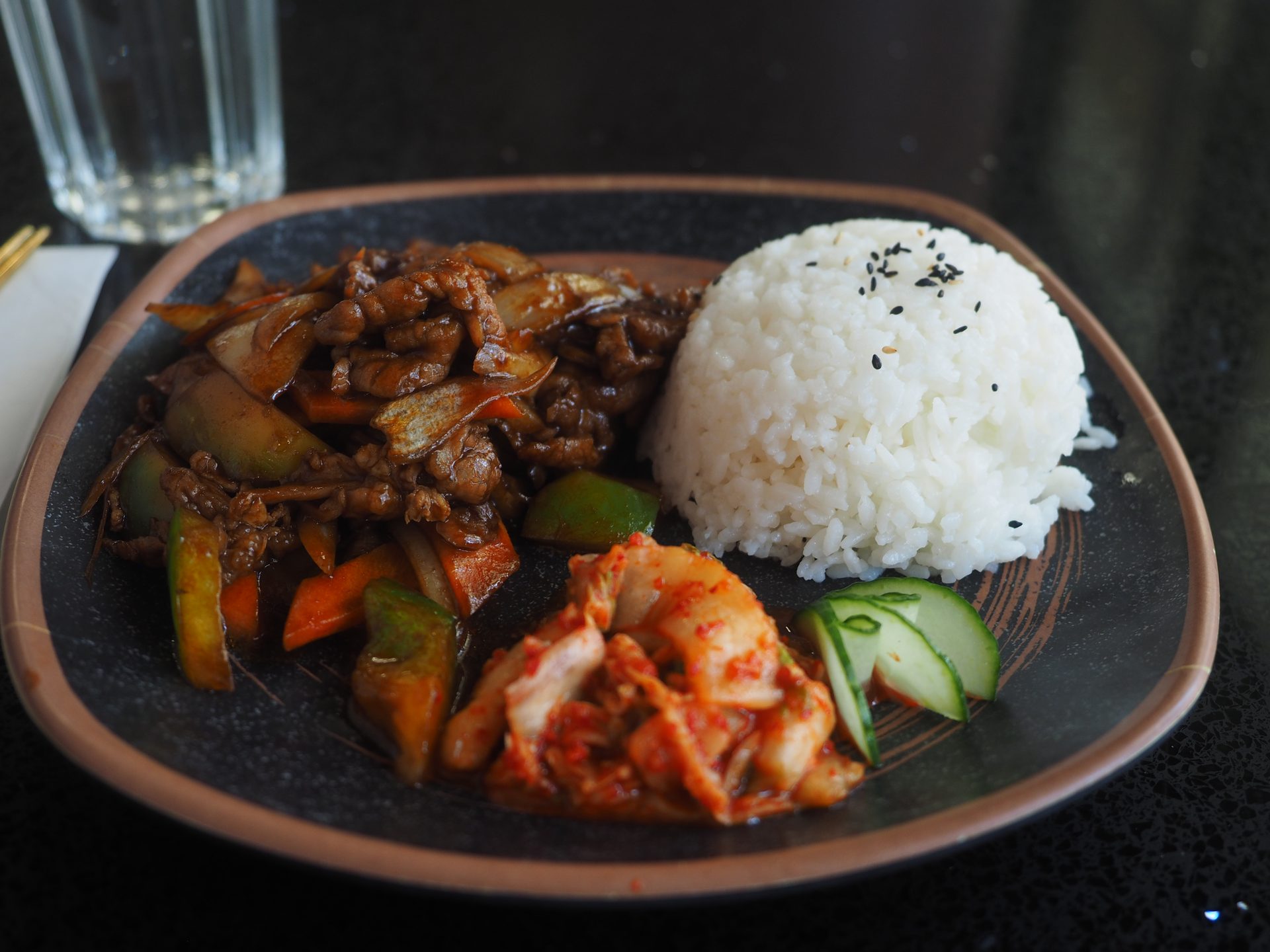
Sweet, smoky bulgogi or a pile of sizzling galbi can carry a meal on its own, but it rarely eats alone at a Korean table. Grill Smoke Love notes that Korean BBQ beef is sweet, savory, and rich, so it goes well with fresh, spicy, and crunchy sides , which is exactly why banchan exist in the first place. If you’ve ever wondered what to serve with Korean BBQ beef beyond a bowl of rice, the answer is a small parade of pickles, namul, pancakes, and braises that cut through the richness bite after bite.
You don’t need a restaurant-sized spread to pull this off at home. A workable formula looks like this:
- Pick one fermented kimchi for acidity and funk
- Add a quick pickle for crunch and a palate cleanse
- Include a cooked namul (seasoned vegetable) for something soft and savory
- Round it out with a starch, pancake, or noodle dish if you want the meal to feel complete
Below are 15 banchan worth having in rotation, each one chosen because it genuinely works with the sweet-savory char of grilled beef.
| Category | Example Dishes | What It Brings to the Table |
|---|---|---|
| Fermented kimchi | Baechu kimchi, kkakdugi, dongchimi | Tang, heat, and crunch |
| Quick pickles | Danmuji, pickled garlic, pickled onions | Sweet-sour palate cleanser |
| Namul (seasoned vegetables) | Kongnamul, sigeumchi namul, kale namul | Savory, light, and nutty |
| Pancakes | Gamjajeon, pajeon | Crispy, shareable starch |
| Braises and noodles | Yeongeun jorim, japchae, potato jorim | Sweet, glazed heartiness |
| Fresh salad | Oi muchim | Cold, spicy crunch |
1. Baechu Kimchi
Baechu kimchi, the napa cabbage version most people picture when they hear the word “kimchi,” belongs on every Korean BBQ beef table. Chowhound explains that kimchi is a fermented vegetable banchan seasoned with gochugaru, garlic, fish sauce, shrimp paste, sesame seeds, scallions, and ginger , which gives it the funky, spicy-sour profile that cuts straight through fatty, caramelized beef.
Serve it cold, straight from the fridge. The chill and crunch contrast nicely against beef that’s still sizzling off the grill, and the fermented tang resets your palate between bites so the meat never feels heavy.
Pro Tip: If your kimchi is on the younger, milder side, let it sit at room temperature for 15 minutes before serving. A little extra fermentation brings out more tang to match the richness of the beef.
2. Kkakdugi
Kkakdugi is cubed radish kimchi, and it’s arguably the crunchiest thing on this list. Nishi Enterprise describes kkakdugi as cubed radish kimchi with a crunchier texture than napa cabbage kimchi, and it can be made spicy or kept relatively mild depending on how much gochugaru goes in.
Because Korean radish holds its shape even after days in the fridge, kkakdugi stays crisp long after baechu kimchi has softened. That makes it an easy make-ahead side for a backyard Korean BBQ beef night, since you can prep it a few days before guests arrive.
3. Dongchimi
Dongchimi takes a gentler approach than its spicier kimchi cousins. Wikipedia lists dongchimi among the recognized variations of kimchi , and unlike baechu kimchi or kkakdugi, it’s brined rather than coated in chili paste, which leaves it pale, watery, and mild.
Ladle a small bowl of the tangy brine alongside the radish pieces and serve it icy cold. It works almost like a palate-cooling sorbet between rounds of grilled beef, which matters a lot if your marinade leans sweet and your gochujang dipping sauce brings extra heat.
4. Danmuji
Danmuji is the bright yellow pickled radish you’ve probably seen tucked into kimbap, but it earns its own spot next to Korean BBQ beef too. Taste Korean Food notes that danmuji is pickled radish marinated in a natural yellow dye made from gardenia fruit, and its sweet, tangy crunch provides a palate-cleansing contrast to fatty pork belly or marinated beef .
Because it’s mellow and a little sweet, danmuji is a safe pick for guests who find kimchi too assertive. Slice it thin and it practically disappears between bites of meat, which is the whole point.
5. Pickled Garlic
Pickled garlic, known as maneul jangajji, swaps the sharp bite of raw garlic for something softer and sweeter. Busanpedia explains that jangajji-style pickles are marinated rather than fermented, letting vegetables absorb a salty-sweet sauce while staying crunchy , which is exactly what happens to garlic cloves after a soak in soy sauce, vinegar, and sugar.
A few cloves wrapped into a lettuce leaf with grilled beef add a mellow, almost caramel-like punch. It’s a small addition, but regulars at any Korean BBQ restaurant will tell you the table feels incomplete without it.
6. Pickled Onions
Pickled onions follow the same jangajji logic as pickled garlic, just with a sharper, more acidic snap. Thinly sliced onion gets a quick soak in a vinegar-soy-sugar brine until it turns translucent and loses most of its raw bite.
This one is particularly good for anyone who finds raw onion too harsh next to beef. The vinegar mellows the sulfur punch while keeping the crunch, so you get onion flavor without the aftertaste.
- Spoon pickled onions directly over sliced beef before wrapping in lettuce
- Use the leftover brine to quick-pickle cucumbers the next day
- Keep a jar in the fridge for up to two weeks for easy weeknight use
7. Kongnamul
Kongnamul muchim, seasoned soybean sprouts, is one of the quieter banchan on a Korean BBQ table, but it’s a workhorse. Atlanta Koreatown describes kongnamul muchim as bean sprouts dressed with sesame oil and scallion , a combination that tastes nutty and faintly savory without competing with anything else on the table.
Its job is to add texture and a mild, vegetal note between richer bites. If you’re curious about what makes a dish taste “savory” in the first place, our guide to savory food breaks down the flavor science behind banchan like this one.
8. Sigeumchi Namul
Sigeumchi namul, blanched and seasoned spinach, is one of the most traditional pairings for grilled beef in Korean cooking. Domestic Fits specifically lists beef bulgogi and braised beef short ribs as ideal matches for sigeumchi namul , which confirms what Korean home cooks have known for generations.
The spinach is blanched quickly, squeezed dry, then tossed with sesame oil, garlic, and a little soy sauce. It’s soft where the beef is chewy, and its mild nuttiness never fights for attention.
9. Kale Namul
Kale namul isn’t a centuries-old banchan the way spinach namul is, but it’s become a common modern substitute in Korean-American kitchens where kale is easier to find or preferred for its heartier texture. The preparation mirrors sigeumchi namul almost exactly: a quick blanch, a squeeze of excess water, then a toss with sesame oil, garlic, and soy sauce.
Because kale holds up better than spinach, it stays slightly toothsome even after sitting out during a long BBQ session. That makes it a practical choice if you’re setting food out for a few hours rather than serving everything fresh off the stove.
10. Gamjajeon
Gamjajeon, Korean potato pancakes, bring a crispy, starchy element that a beef-heavy spread genuinely benefits from. Taste Korean Food describes gamjajeon as Korean-style potato pancakes that are crispy on the outside and tender inside , and Beyond Kimchee notes they’re made with just potatoes, onion, and starch, which keeps them naturally gluten-free and vegan .
Shredded potato is squeezed dry, mixed with a bit of potato starch, then pan-fried until golden. Cut into wedges and serve with a soy-vinegar dipping sauce so guests can dunk a piece between rounds of meat.
11. Pajeon
Pajeon, Korean scallion pancakes, show up at nearly every Korean BBQ restaurant for good reason. Nishi Enterprise describes pajeon simply as a Korean savory pancake usually made with green onions , though Beyond Kimchee points out that seafood versions like haemul pajeon, cut into slices and served with dipping sauce, are also popular .
The batter is thin, the scallions run the length of the pan, and the whole thing gets fried until the edges turn lacy and crisp. Slice it into strips so it’s easy to grab alongside skewers of beef.
Key Insight: Pancakes like gamjajeon and pajeon work best served warm, not piping hot straight off the pan. A few minutes of rest lets them firm up so they hold together when dipped.
12. Yeongeun Jorim
Yeongeun jorim, soy-braised lotus root, adds a glossy, slightly sweet element that pairs surprisingly well with grilled meat. Domestic Fits explains that lotus root braised in soy sauce and finished with rice syrup balances saltiness and sweetness in a perfect blend , and the same source lists it as a natural match for a full Korean BBQ spread.
The root’s natural crunch survives the braise, so you get a chewy, lightly sweet bite that contrasts nicely with soft, fatty cuts of beef. It’s also a make-ahead dish, since the flavor only deepens after a day or two in the fridge.
13. Japchae
Japchae sits somewhere between a side dish and a main, which is exactly why it works so well next to Korean BBQ beef. Chowhound describes japchae as stir-fried sweet potato glass noodles mixed with thinly sliced beef, carrots, onions, mushrooms, and spinach in a savory-sweet sauce , and Pantry & Larder adds that the sweet potato starch noodles are gluten-free with a nice chewy texture once cooked .
Because japchae already contains beef in most traditional recipes, it doubles as a protein-forward side if you’re stretching a smaller amount of grilled beef across more guests. Serve it warm or at room temperature; either way, the sesame-soy sauce holds up.
Common Mistake: Overcooking the glass noodles turns japchae gummy. Boil them just until tender, then rinse briefly in cold water before tossing with the vegetables and sauce.
14. Oi Muchim
Oi muchim, spicy Korean cucumber salad, is the side dish most people reach for second, right after kimchi. My Korean Kitchen describes oi muchim as a refreshing, versatile salad whose bright, zippy flavors complement a variety of Korean main dishes , Korean BBQ beef included.
Thin cucumber slices are salted briefly to draw out excess water, then tossed with gochugaru, garlic, vinegar, and sesame oil. The result is cold, crunchy, and spicy enough to wake up your palate between skewers.
15. Potato Jorim
Potato jorim, small potatoes braised in a sweet soy glaze, rounds out a Korean BBQ beef spread with something heartier. Beyond Kimchee describes gamja jorim as potatoes braised in a sweet and savory soy sauce, and Pantry & Larder recommends baby potatoes specifically, since their skin helps the glaze cling to the outside of each piece .
The sauce reduces down to a sticky coating, similar in spirit to the glaze on the beef itself, so the two flavors echo each other without clashing. If you like building out a full spread for a crowd, the same instinct applies to our shrimp boil side dish guide, where hearty, shareable sides matter just as much as the main event.
Important Note: Fermented banchan like baechu kimchi and kkakdugi taste different depending on how long they’ve aged, so flavor can vary jar to jar even from the same brand. Taste before serving and adjust the rest of your spread accordingly.
A full Korean BBQ beef table doesn’t need all 15 of these at once. Start with one kimchi, one quick pickle, one namul, and a pancake or noodle dish, then build up from there as you get more comfortable with the rhythm of grilling and wrapping. If beef pairings are your thing, our guide to what to serve with A5 Wagyu covers a similarly rich cut that benefits from many of the same fresh, acidic sides. Once your banchan game is solid, the rest of the meal pretty much takes care of itself.