Traditional Zulu Clothing for Women: 9 Garments and Their Cultural Meaning

November 17, 2026
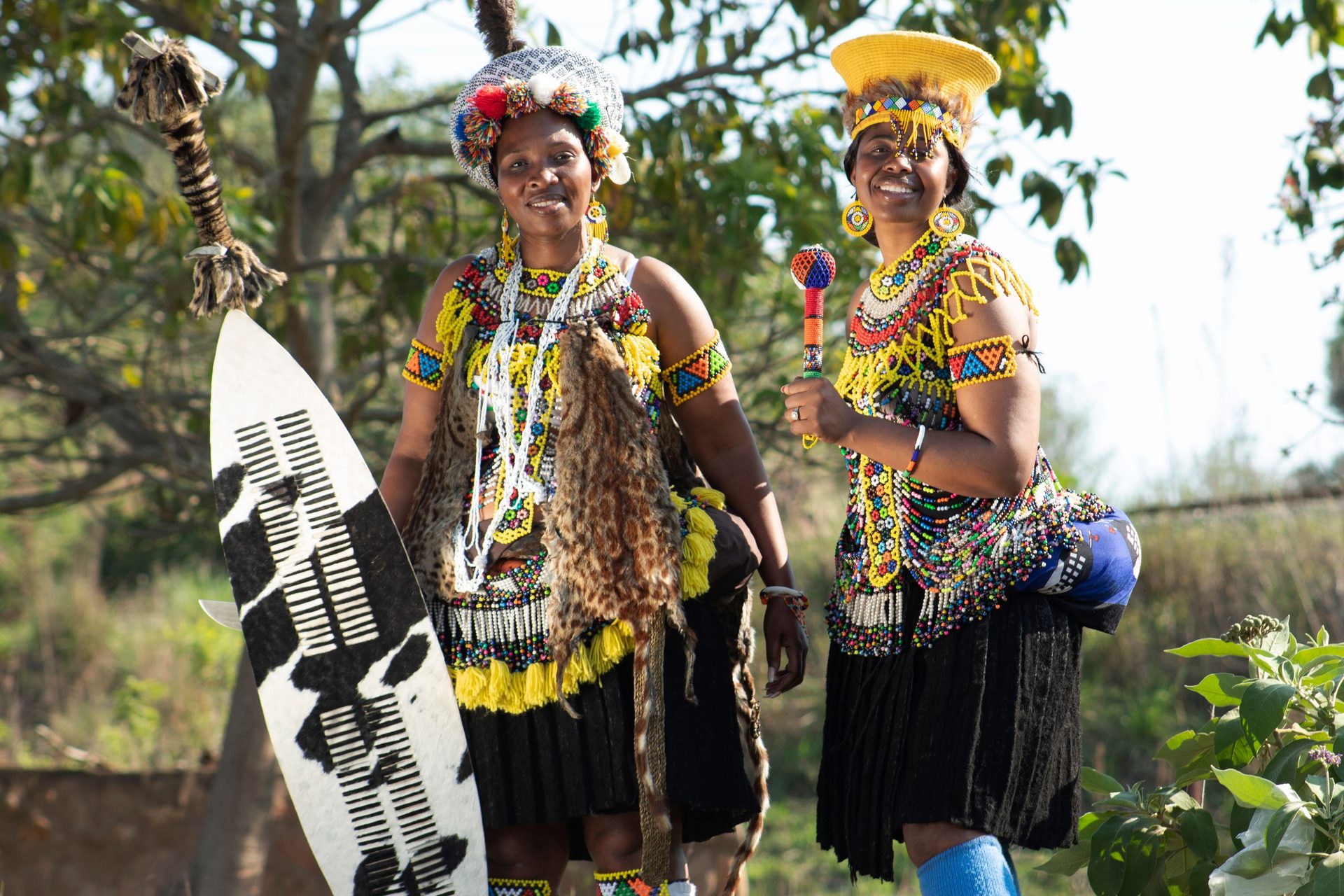
A married Zulu woman’s wardrobe tells her life story before she says a single word. Her hat announces her status, her leather skirt reveals who dressed her for her wedding, and the beads at her waist carry colors chosen with intention. Traditional Zulu clothing for women communicates marital status, age, family lineage, and personal milestones through fabric, hide, and beadwork rather than through words.
Each garment in this system has a name, a purpose, and a history rooted in KwaZulu-Natal. Understanding what a woman wears also means understanding where she stands in her community — whether she is unmarried, newly betrothed, a mother, or an elder. The nine garments below form the core of that visual language.
| Garment | Commonly Associated With | Typically Worn By |
|---|---|---|
| Isicholo | Marital status, respect, maturity | Married women |
| Isidwaba | Marriage, ancestral protection | Betrothed and married women |
| Ibhayi | Respect toward in-laws, warmth | Married women |
| Izincu | Beauty, courtship, youth | Young and unmarried women |
| Isigcebhezana | Modesty, coming-of-age | Young women, umemulo participants |
| Isibamba | Waist adornment, formality | Women of various ages |
| Isifociya | Ceremonial beadwork | Brides and dancers |
| Impempe | Celebration, ceremony | Dancers and ceremony participants |
| Itete | Domestic and ceremonial covering | Women generally |
1. Isicholo
The isicholo is the wide, disc-shaped hat most people picture when they think of Zulu women’s dress. It is worn by married women as a sign of respect to one’s husband and family, in addition to serving as a public symbol of marital status. The shape did not start as a hat at all — it began as a hairstyle, with women styling long hair into a rounded form using red ochre and animal fat before the look was later recreated as a removable headdress.
Size carries meaning too. The traditional isicholo could be as wide as a meter in diameter, often adorned with beads and other decorations, making them not only a cultural symbol but also a work of art. The headdress also appears at specific points in a woman’s marriage journey: the isicholo plays a significant role in the ukukhehla marriage ceremony process of Zulu women.
Pro Tip: If you’re attending a Zulu wedding or cultural event, note that the isicholo is reserved for married women — an unmarried guest would not wear one, even for a formal occasion.
Headwear as a marker of adult status is not unique to Zulu culture. Married or ceremonial headpieces play a similar signaling role in traditional Japanese clothing, where hairstyle and ornamentation once indicated age and social standing in comparable ways.
2. Isidwaba
Where the isicholo marks the head, the isidwaba marks the body. The isidwaba, a traditional Zulu leather skirt worn by married women, is made from the hide of animals that belonged to the woman’s father. It is also known by the alternate name isikhakha in some areas.
The garment is tied directly to family ritual rather than personal choice. The isidwaba is usually given as a gift by the father of the bride from the cow given to the bride-to-be for her umemulo coming-of-age ceremony, and she in turn wears the leather skirt on the day of her wedding. Decoration varies by region and generation: a pleated leather skirt of marriage can include beadwork in two distinct regional palettes, with older work using turquoise beads and later pieces combining sap green, navy, red, and white.
Leather garments carrying this kind of generational and ceremonial weight show up across many cultures. Hide-based regalia has held similar status within the broader history of traditional American clothing, where tanned skins and beadwork likewise mark important rites of passage.
3. Ibhayi
The ibhayi is a cloak or shawl draped over the shoulders, worn over other garments rather than in place of them. The ibhayi is the cloak or shawl worn around the shoulders as a sign of respect to the in-laws. It is typically added once a woman marries, layered on top of her isidwaba and other covering garments as part of the fuller transition into married dress.
Beyond its symbolic role, the ibhayi serves a practical purpose as outerwear, offering warmth during cooler months or early morning ceremonies. The same impulse — a wrap worn over a base garment to signal both modesty and status — appears in the draped shawls common to traditional Pakistani clothing, where a dupatta performs a comparable dual function.
4. Izincu
Izincu refers to strings of beads worn around the waist, most often by younger and unmarried women. Unlike the heavier leather garments reserved for married women, beaded waist pieces like these sit at the lighter, more decorative end of Zulu dress, built for movement during dance and courtship gatherings.
Unmarried Zulu women typically wear short skirts made of grass or beaded cotton strings, while engaged women cover their breasts with a cloth known as isigege. Izincu fit into this earlier stage of a woman’s wardrobe, before the heavier isidwaba and isicholo associated with marriage come into use.
Color choice in these beaded pieces is rarely random. The vibrant colors of the beads used in Zulu traditional clothing hold specific meanings, representing love, fertility, and spiritual well-being. A chart of common associations includes:
- White — purity and new beginnings
- Black — marriage and strength
- Red — passion or warning
- Blue — faithfulness and loyalty
- Green — growth or contentment
- Yellow or gold — wealth and prosperity
Beaded items are often handmade gifts that carry personal stories, which is part of why izincu exchanged between young people during courtship hold weight well beyond their appearance. Waist ornamentation built around symbolic color and craftsmanship is a recurring theme across traditional dress worldwide, including within traditional Indian clothing, where beaded and metal waist belts carry their own regional symbolism.
Important Note: Several Zulu garment names, including izincu, isigcebhezana, isibamba, isifociya, and itete, vary in spelling and exact use between clans and regions. Descriptions here reflect general, widely cited customs rather than a single fixed standard.
5. Isigcebhezana
The isigcebhezana is a small beaded apron worn at the front of the waist, often associated with young women around the time of their umemulo coming-of-age ceremony. It sits as part of the layered beadwork that marks a girl’s transition toward adulthood, worn alongside — rather than instead of — other waist pieces.
Because it is primarily decorative and ceremonial, the isigcebhezana is typically made with dense beadwork in patterns specific to the wearer’s family or region. Front aprons that signal a life stage or formal occasion appear in other folk dress traditions too, including the decorative aprons worn over skirts in traditional German clothing, where the apron similarly marks status at a glance.
6. Isibamba
Isibamba describes a wide belt or band, generally worn around the waist, that helps hold other garments in place while adding its own beaded or woven decoration. The word relates to the Zulu verb for holding or binding, which fits its dual role as both a functional and decorative piece.
A belt of this kind often anchors a fuller outfit, keeping a skirt or wrap secured during dancing or ceremony. Structural waist pieces that double as decoration are common in formal dress elsewhere as well, including the sash elements built into traditional Chinese clothing, where a fitted waistband similarly shapes the silhouette of the garment.
7. Isifociya
The isifociya is a beaded belt or girdle, closely related in appearance to the isibamba but generally understood as a more ceremonial piece, worn by brides and dancers during formal occasions rather than as everyday dress. It tends to carry heavier beadwork than daily waist pieces, reflecting the significance of the event it is worn for.
Garments like the isifociya carry clear messages of identity, respect, and celebration, consistent with the broader pattern across Zulu dress where ceremonial pieces are visually distinct from daily wear. Heavily beaded ceremonial accessories built for a single important occasion also appear in ornamental traditions tied to traditional Australian clothing, where body adornment likewise distinguishes ceremony from routine.
8. Impempe
The impempe is a whistle, traditionally carried rather than worn on the body, used during dances, weddings, and other celebrations. Its role is less about covering the body and more about sound — a sharp note blown to mark a highlight in a dance or to call attention during a ceremony.
Accessories like the impempe sit alongside the beaded and leather garments described above as part of a full ceremonial presentation rather than standing in for clothing itself. In many cultural dress systems, an object carried for sound or ritual signaling complements the visual garments rather than replacing them, a pattern echoed in festival accessories across many folk traditions.
9. Itete
The itete is a woven grass mat or covering, traditionally used for practical household purposes but also carried into certain ceremonial contexts as part of a fuller traditional presentation. Woven from local grasses, it reflects the same craft tradition that produces basketry and other utilitarian items across KwaZulu-Natal.
While it is less central to a woman’s visible outfit than the isicholo or isidwaba, the itete represents how Zulu material culture blends the everyday with the ceremonial — a theme that runs through most of the garments on this list. Woven and textile-based household items taking on ceremonial significance is a pattern found in many traditional dress systems, including the everyday fabrics that cross over into formal wear within traditional clothing traditions more broadly.
Together, these nine garments form a wardrobe built on meaning rather than fashion trends alone. A woman’s isicholo and isidwaba announce her marriage, her ibhayi shows respect to her new family, and her beaded pieces — izincu, isigcebhezana, isibamba, and isifociya — trace her path from youth to adulthood. The impempe and itete round out the picture, reminding observers that Zulu traditional dress extends beyond clothing into sound, craft, and ceremony. Understanding these pieces offers a clearer view of how identity, respect, and heritage are communicated without a single word being spoken.