Why Is My Snake Plant Drooping? Causes, Fixes, and Prevention Tips

September 21, 2026
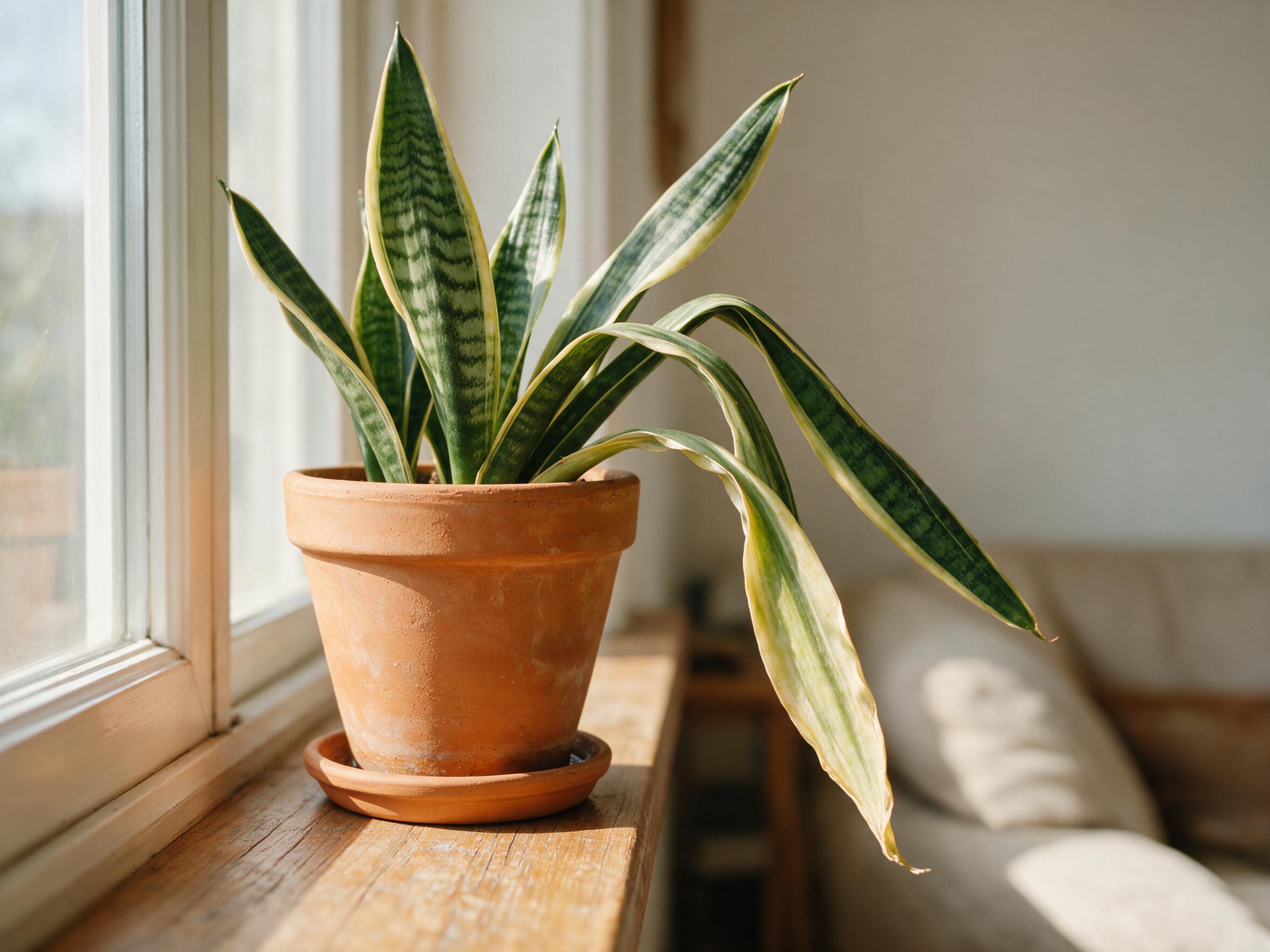
Snake plants are supposed to be tough. They sit in dim corners, go weeks without water, and still look sharp — so when yours starts sagging, it feels almost personal. The good news is that a drooping snake plant is almost always fixable, and the cause is usually one of just a handful of problems.
A healthy snake plant stands tall with stiff, green leaves. When it starts to sag, it is reacting to environmental stress or care mistakes. Understanding which mistake is behind the droop puts you in control. This guide walks through every major cause, shows you how to diagnose the problem at home, and gives you clear steps to bring your plant back to its upright, proud posture.
What Does It Mean When Your Snake Plant Is Drooping?
Drooping in a snake plant means the leaves are losing the internal pressure — called turgor pressure — that normally keeps them rigid and upright. Drooping is not about how tall a snake plant can grow; it is a stress signal. When something disrupts the plant’s ability to move water and nutrients properly, the leaves lose their stiffness and begin to lean, bend, or flop over the side of the pot.
The snake plant you may know by its older name, Sansevieria trifasciata, is now classified as Dracaena trifasciata. It originates from the arid, rocky regions of West Africa, where plants are adapted to long dry spells followed by infrequent, heavy rains. Their root systems are designed to absorb water quickly and then dry out almost completely — they are not designed to sit in constantly damp soil.
Drooping is most commonly caused by overwatering or root rot, where the root system can no longer support the plant structurally. An oversized pot that holds too much moisture worsens this. Less often, the cause is physical — a knocked-over pot, a curious pet, or a leaf that has simply grown too tall and heavy for its base.
Is Drooping in a Snake Plant Always a Sign of a Problem?
Not always. Occasionally, snake plant leaves fall over, lean, or droop over the side of the pot — it is just the nature of the taller species and varieties. A single outer leaf bending slightly on a large, otherwise healthy plant is usually nothing to panic about.
Less commonly, physical jostling or damage — a knocked-over pot, a pet, a tight squeeze through a doorway — can crack leaves at the base, causing them to flop even without a watering problem. In these cases, the leaf itself is damaged and will not recover its upright stance, but the rest of the plant remains perfectly healthy.
Where drooping becomes a genuine warning sign is when multiple leaves are affected, when the leaves feel soft or mushy rather than firm, or when the soil smells off. It is perfectly normal for one or two snake plant leaves to fall over. However, if you notice numerous leaves falling over within a short period, it could be a sign of overwatering.
Pro Tip: Do a quick squeeze test. Healthy snake plant leaves feel firm and almost rigid. If a drooping leaf feels soft or squishy between your fingers, you are likely dealing with a moisture or root issue — not just a cosmetic lean.
Watering Issues Causing Snake Plant Drooping
Watering problems are the leading cause of a drooping snake plant, and both too much and too little water can be the culprit — though they look and feel quite different when you investigate.
Overwatering
The most common reason for drooping snake plants is giving them too much water. Snake plants store moisture in their thick leaves, so excess water can cause root rot, making leaves lose their firmness and droop. Because the plant stores water in its thick leaves, it needs to dry out almost completely between waterings. Sitting in wet soil, especially in a pot without drainage, suffocates the roots and invites fungal pathogens that cause root rot.
The telltale signs of overwatering go beyond the droop itself. In an overwatered snake plant, the first signs appear in the leaves. The foliage will begin to turn yellow or brown. Droopy leaves that feel soft and squishy are a key indicator — properly watered leaves are firm and almost rigid.
Underwatering
While snake plants are drought-tolerant, severe underwatering can cause leaves to weaken and flop over. Extended drought collapses cells. Leaves start bending and appear wrinkled, and the soil is dust-dry. Unlike overwatering, where leaves feel soft and mushy, underwatered leaves feel thin, papery, and wrinkled.
Signs of underwatering include wrinkled or curled leaves, completely dry soil to the touch, droopy or dull-looking leaves, and a pot that feels unusually lightweight when you lift it.
Getting the Watering Right
There is no magic schedule. It depends entirely on your home’s environment — light, temperature, and humidity. Instead of watering on a schedule, get into the habit of checking the soil. Water thoroughly until excess drains out, but only when the top 2–3 inches of soil are dry.
In a bright, warm spot, you might water every 2–3 weeks. In a darker, cooler spot, it could be as little as once every 1–2 months, especially in winter. During fall and winter, water only once per month on average. It is better to underwater these plants than to overwater them.
Light Conditions Behind Snake Plant Drooping
Snake plants are often marketed as “low light plants,” but that does not mean no light. They do best in bright, indirect sunlight. Prolonged periods in dim corners or dark hallways will result in weak, leggy, droopy growth.
In their native habitat, snake plants grow in arid, rocky regions with full sun exposure. When brought indoors, it is important to give them the bright light needed for photosynthesis. However, because glass intensifies sunlight, the light should be indirect to avoid burning tender foliage.
In low light conditions, snake plants tend to grow taller, and the leaves may become elongated and bend toward the light source. This is the plant’s way of reaching for more light, showing phototropic behavior. Too much direct sunlight can burn the leaves, also causing them to droop from stress.
The sweet spot for most American homes is a spot a few feet back from a south- or west-facing window, or directly in front of a north- or east-facing window. Aim for 4–6 hours of bright, indirect light every day. Rotating your snake plant a quarter-turn once a week will help it grow upright and balanced from all sides.
Pro Tip: If you are not sure whether your home has enough light for a snake plant, check out this guide to the best houseplants for low-light areas — it will help you match the right plant to the right spot.
Soil, Nutrients, and Root Health Causing Snake Plant Drooping
Poor Soil and Drainage
Waterlogged conditions that result in drooping can be caused by using the wrong type of soil or by using a pot without drainage holes. A potting mix or plant pot with poor drainage and lack of aeration can suffocate a snake plant’s roots, leading to water retention and root rot. Use a potting mix made for pots, planters, and containers rather than outdoor garden soil.
You need a well-draining soil medium that contains one or more of the following: sand, perlite, biochar, or pumice to facilitate drainage. A cactus or succulent mix works well right out of the bag. A terracotta or unglazed ceramic pot, which allows excess moisture to evaporate more efficiently, is also a smart choice.
Root Rot
Root rot is an umbrella term for a number of diseases that result in the decomposition of the root system. The disease is generally a fungal infection. Overwatering allows hundreds of species of soil-borne bacteria and fungi to flourish. Some fungi that cause root rot include Fusarium, Phytophthora, Pythium, and Rhizoctonia, which thrive in wet soil.
Healthy snake plant roots are typically firm and white or light orange. If you gently slide the plant out of its pot and find a tangled mess of brown, black, slimy, and mushy roots that fall apart easily, you have confirmed root rot.
Rootbound Conditions and Compacted Soil
Over time, snake plants can become rootbound, meaning their roots outgrow the pot and become crowded, causing stressed roots and poor nutrient absorption, which can lead to drooping. Snake plants actually prefer to be slightly pot-bound; excess soil holds moisture the roots cannot use. Downsize to a pot that is only one to two inches wider than the root ball if the current pot is too large.
Even if the snake plant does not need repotting into a larger container, with each year that passes the soil nutrients become more depleted. Even the lightest potting medium may eventually become compacted. Poor soil quality can affect the foliage and cause it to become less rigid and start to droop.
Fertilizer and Nutrients
Snake plants require minimal fertilization, but a lack of nutrients can still affect their overall health and vigor. Insufficient nutrients can result in weak, drooping foliage and poor growth. Regular fertilization supplements soil nutrients, but in excess it may burn the roots, adversely affecting nutrient uptake. This can result in growth anomalies, including wilting.
The right balance is light feeding. Fertilize a little during the spring and summer with a balanced houseplant fertilizer diluted to half strength. Do not fertilize in the fall and winter as growth slows down considerably. If you suspect salt buildup from over-fertilizing, leach the soil thoroughly by pouring three times the pot volume in distilled or rainwater and allowing full drainage.
Environmental Stress Triggering Snake Plant Drooping
Snake plants are native to tropical regions and prefer temperatures above 50°F (10°C). Exposure to cold drafts or low temperatures can stress the plant and cause drooping leaves. They prefer temperatures between 65–85°F (18–29°C). When exposed to cold drafts from doors, windows, or air conditioning, it can cause drooping leaves.
It would take particularly cold temperatures, such as 55°F or lower for an extended period of time, for the snake plant to be affected. However, cold temperatures are still a contributing factor to drooping — alongside poor drainage and incorrect moisture levels, cold temperatures can accelerate root rot.
Transplant shock is another environmental stressor worth knowing about. Repotting can be stressful for snake plants. Drooping after repotting is usually a sign of transplant shock. Make sure you did not damage too many roots and that you are not overwatering the newly potted plant. Give it time to adjust to its new pot and keep it in the same light conditions as before.
Important Note: In US homes with central air conditioning, vents blowing directly onto a snake plant are a common and overlooked cause of drooping. Move the plant at least 3–4 feet away from any AC vent or heating register to avoid temperature fluctuation stress.
Pests and Disease Leading to Snake Plant Drooping
Although uncommon, pests like mealybugs, spider mites, and thrips can stress your snake plant and cause drooping leaves. They suck sap from the leaves, which can cause the leaves to droop. Spider mites and mealybugs rarely attack healthy snake plants — but they exploit stressed ones.
Here is what to look for with the most common offenders:
- Mealybugs: Mealybugs appear as cottony masses at leaf bases. They can be difficult to treat because their white, fluffy coats resist some pesticides.
- Spider mites: Spider mites siphon off your plant’s vital juices. Webbing and leaf stippling are tell-tale signs, along with minuscule moving dots.
- Fungus gnats: Fungus gnats are a soil-borne pest whose larvae can feed on the roots of the plant. They often appear when the soil is too moist.
- Scale insects: Scale insects set up camp on your snake plant with shell-like bumps on leaves and stems.
For treatment, wipe leaves with a soft cloth dipped in diluted neem oil or insecticidal soap. Isolate the plant from others until the infestation clears. Continue wiping weekly until pests are gone. Fungal infections should be treated with a fungicide to prevent new spores from forming.
On the disease side, the most prevalent problem for snake plants is root rot caused by overwatering and/or poor drainage. When root rot occurs, certain fungi and diseases can spread through the roots. Common signs include soft spots and discoloration at the base of the leaves, yellowing and drooping leaves, and a foul smell.
How to Diagnose Why Your Snake Plant Is Drooping
Before reaching for any fix, work through a quick, methodical check. Most drooping cases resolve once you identify the one root cause — and treating the wrong problem can make things worse.
- Check the soil moisture. Stick your finger about 2–3 inches into the soil. Is it dry, moist, or soggy? Soggy soil points to overwatering or drainage failure. Bone-dry soil points to underwatering.
- Inspect the leaves. Notice if your snake plant leaves are droopy or feel soft and squishy. Properly watered leaves are firm and almost rigid. Soft, mushy leaves suggest overwatering. Thin, wrinkled leaves suggest drought.
- Smell the soil. Get close and take a gentle sniff of the soil. Healthy soil smells earthy and fresh. If you detect a sour, swampy, or rotten smell, that is the unmistakable scent of root rot.
- Examine the roots. If possible, gently slide the plant out of its pot and look at the roots. Healthy ones are white and firm. Mushy or brown ones mean rot.
- Assess the light. Is your plant in a dark corner? Snake plants like bright but indirect light. A plant that has been in low light for months may be stretching and weakening over time.
- Look for pests. Look for tiny bugs like mealybugs (cotton-like) or spider mites (fine webbing) on the leaves. Check the undersides of leaves and the base of the plant near the soil.
Pro Tip: A plant identification app on your iPhone or an Android plant app can help you cross-reference symptoms and narrow down the diagnosis if you are still unsure after your visual inspection.
How to Fix a Snake Plant That Is Drooping
The right fix depends entirely on your diagnosis. Work through the steps below that match what you found.
Fix Overwatering and Root Rot
If your snake plant is suffering from overwatering, stop watering immediately and let the soil dry out completely. Remove any mushy or rotting roots and repot the plant in fresh, well-draining soil. Adjust watering habits and ensure proper drainage.
For confirmed root rot, follow these steps:
- Gently remove the plant from its pot.
- Snip off any decaying roots with sanitized shears as well as any rotting leaves. Treat the plant with a fungicide.
- Repot into clean, dry soil. Sterilize the old pot or switch to a new one. Do not water right after repotting — give the plant a few days to adjust.
- After treating for overwatering, hold off completely for two to three weeks. Then water only when a finger inserted two inches into the soil comes up completely dry.
You can learn more about the repotting process in this guide on how to propagate a snake plant, which covers root handling in detail.
Fix Underwatering
To remedy underwatering, thoroughly water the plant until moisture drains from the bottom of the pot. Be sure to water consistently, allowing the top inch of soil to dry out between waterings. Adjust your watering schedule based on environmental factors such as temperature and humidity.
Fix Light Problems
If your plant has been in a dark spot, move it somewhere brighter but do it gradually so it does not get shocked by the sudden change. If it has been in direct sun, move it a few feet away from the window or use a sheer curtain to filter the light.
Fix Root Bound or Poor Soil Conditions
Repot your snake plant into a larger pot with fresh potting soil to allow room for root expansion. Choose a pot that is 1–2 inches larger in diameter than the current one. Repot with a well-draining potting mix formulated for succulents or cacti. You can mix regular potting soil with sand or perlite.
Stake Mildly Drooping Leaves
Not every droopy snake plant leaf needs to be cut. If the leaf is still firm, staking can give it support while the plant recovers. Stake the affected leaf upright with a bamboo cane and soft tie while it stabilizes, or remove it and propagate the healthy sections.
Keep in mind that once leaves droop or bend severely, they typically will not straighten. Trim them off to encourage new, healthy growth. New leaves that emerge after you correct the underlying problem will grow upright and firm.
How to Prevent Snake Plant Drooping Going Forward
Once your plant is back on its feet, a few consistent habits will keep it upright for years. Prevention is simple once you understand your snake plant’s natural rhythm.
- Water by feel, not by calendar. Always check the top 2–3 inches of soil before watering. If it is not completely dry, wait another few days.
- Use the right pot and soil. Always choose a pot with drainage holes and airy soil. A terracotta pot in a US home with central heating is an especially good choice because it wicks away excess moisture.
- Maintain the right temperature range. Keep your plant between 65–85°F (18–29°C) and avoid temperature extremes. Keep it away from AC vents, drafty windows, and exterior doors in winter.
- Provide consistent indirect light. A spot near a bright window — but not in direct afternoon sun — gives the plant the energy it needs without scorching stress.
- Repot on a regular schedule. Repot every 2–3 years to refresh the soil and avoid crowding.
- Clean the leaves. Periodically wipe your snake plant’s leaves with a damp cloth to remove dust and help deter pests. Dust on your plant’s leaves acts like a film that blocks sunlight, reducing the plant’s ability to photosynthesize.
- Inspect new plants before bringing them home. Always take a close look at new plants before bringing them home. A new snake plant that looks perfectly healthy can arrive with mealybugs that spread to your other plants within a week.
- Fertilize lightly and seasonally. A half-strength balanced fertilizer once a month during spring and summer is plenty. Skip feeding entirely from fall through winter.
Snake plants are genuinely forgiving houseplants. They do not recover overnight. After adjusting care — like fixing watering or repotting — the plant may take a few weeks or even a month to show signs of improvement. Be consistent and gentle with your care, and do not worry if it takes time to see new, upright growth.
If you enjoy low-maintenance plants like this one, you might also like exploring different types of rubber plants or different types of aloe vera plants — both share a similar drought-tolerant, hands-off care style. For more variety in your indoor collection, browse this overview of types of plants suited to home growing.
FAQ
Why Is My Snake Plant Drooping After Repotting?
Repotting can be stressful for snake plants, and drooping after repotting is usually a sign of transplant shock. Keep the plant in the same light conditions as before, hold off on watering for about a week, and give it time to settle. Most plants bounce back within two to four weeks.
Can a Drooping Snake Plant Be Saved?
In most cases, yes — provided there are still some healthy roots or intact leaf sections to work with. The key is speed: the sooner you unpot, trim, and repot into dry soil, the better the odds. A plant with 100% rotten roots can still be saved through leaf propagation, though it will take several months to re-establish.
Will Drooping Snake Plant Leaves Straighten Back Up?
Not usually. Once leaves droop or bend, they typically will not straighten. Trim them off to encourage new, healthy growth. The new leaves that emerge after you fix the underlying problem will grow upright and firm from the start.
How Often Should I Water My Snake Plant to Prevent Drooping?
Less than you might think. In most homes, watering once every 2–4 weeks is enough. Always check that the soil is completely dry before watering again. In the winter, you might only need to water once a month.
Is My Snake Plant Drooping Because of Low Light?
Lack of light will not necessarily cause drooping leaves directly, but it will cause the plant to slow down growth substantially and appear unhappy and unhealthy. Prolonged periods of low light will lead to smaller leaves and less leaf growth overall. Over time, a plant in very low light will produce weak, elongated leaves that bend under their own weight. Moving it to a brighter spot is the fix.
Can Pests Cause My Snake Plant to Droop?
Occasionally, houseplant pests like mealybugs or spider mites can stress your plant and cause drooping. These pests sap moisture and nutrients from your plant’s leaves. Treat with neem oil or insecticidal soap, isolate the plant from your other houseplants, and repeat applications every few days until the infestation is gone. You can also explore how to keep cats out of houseplants if pet interference is adding to the stress on your plant.
What Soil Mix Is Best for Preventing Snake Plant Drooping?
A well-draining potting mix formulated for succulents or cacti works well. You can also mix regular potting soil with sand or perlite. Drainage is essential — always choose a pot with drainage holes. Avoid heavy garden soil or moisture-retaining mixes designed for tropical plants, as these will hold far too much water for a snake plant’s needs.