Hoya Leaves Turning Yellow: Causes, Fixes, and Prevention Tips

September 4, 2026
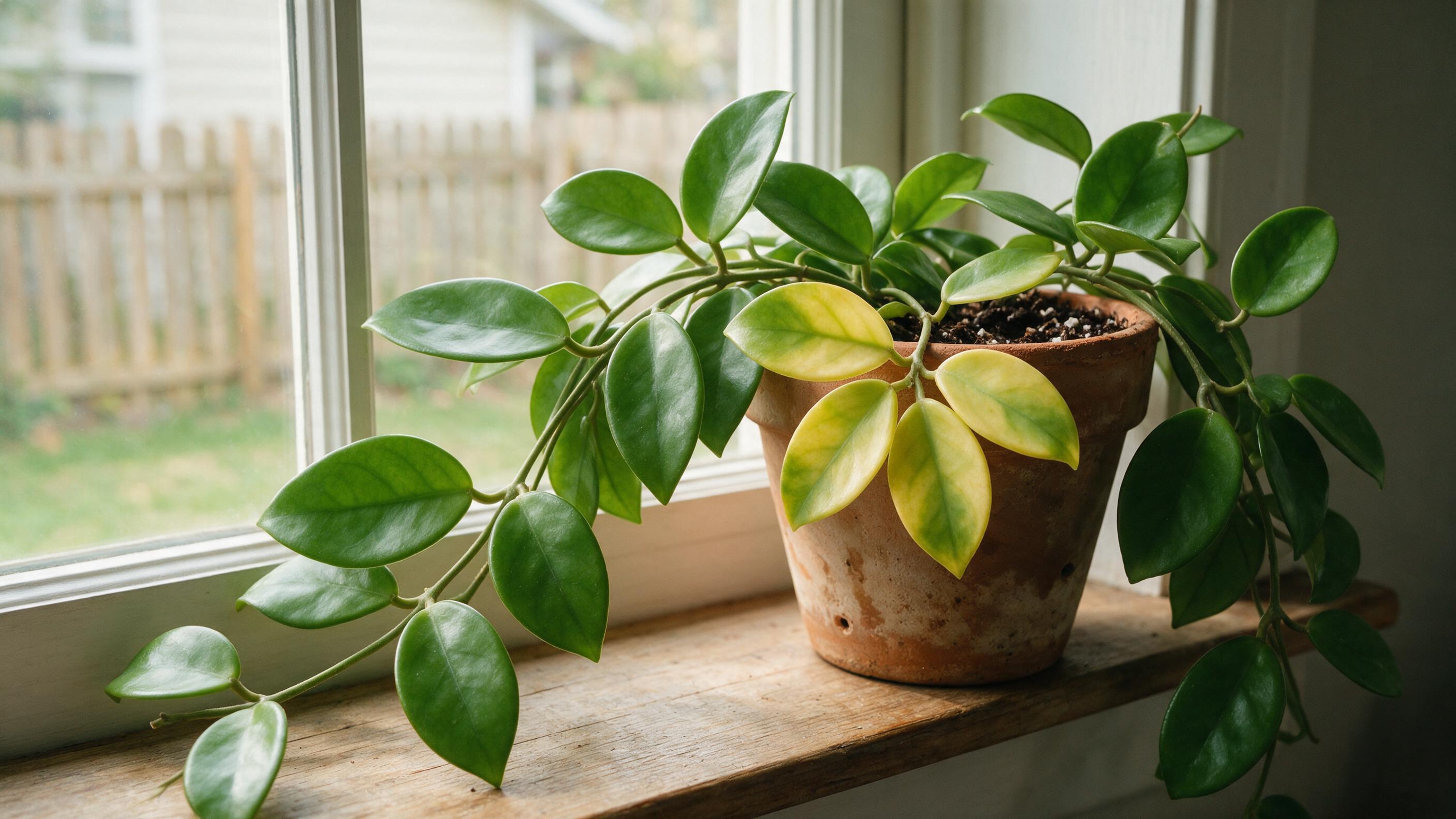
You glance over at your hoya and notice a leaf — or several — shifting from that rich, waxy green to a dull, worrying yellow. It’s one of the most common distress signals a wax plant sends, and it can feel confusing when you’re not sure what went wrong. The good news is that yellowing leaves in hoyas are almost always fixable once you know what you’re looking for.
Hoya plants commonly get yellow leaves due to overwatering or poorly draining soil, though other causes include temperature stress, fertilizer problems, incorrect lighting, old age, acclimation, pests, and disease. Working through the possibilities systematically is the fastest path to a healthy plant. This guide walks you through every cause, how to diagnose it, and exactly what to do next.
What Does It Mean When Your Hoya Leaves Are Turning Yellow?
Hoya leaves turn yellow when the plant is grown in conditions that cause stress. Hoya plants originate from tropical and subtropical regions of southeast Asia and northern Australia, where they typically enjoy warm, wet, humid conditions. When indoor conditions stray too far from that native environment, the leaves begin to show it.
Yellowing is technically called chlorosis — a breakdown of chlorophyll, the green pigment responsible for photosynthesis. Think of yellowing leaves as a symptom, not the disease itself. The color change is your plant’s way of flagging that something in its care routine needs adjusting, whether that’s water, light, nutrients, temperature, or something living on its leaves.
The pattern of yellowing and your plant’s growing conditions will help you identify and fix the problem. A single lower leaf yellowing looks very different from a dozen soft, mushy leaves going yellow all at once — and each pattern points to a different cause.
Is Yellowing in Hoya Plants Always a Sign of a Problem?
Not always. As plants age, it’s natural for older leaves, especially those at the bottom of the plant, to yellow and drop off. This is just part of the plant’s natural life cycle and isn’t necessarily a cause for concern. If you own a mature hoya and notice just one or two lower leaves fading while the rest of the plant looks healthy, you can usually relax.
When dealing with a mature hoya plant, chances are that nothing is wrong and the leaves turning yellow is because of natural causes. You should only start worrying if the leaf loss is excessive. A good rule of thumb: if new growth is coming in green and healthy, occasional lower-leaf yellowing is normal aging.
Yellowing can also happen temporarily when you first bring a hoya home. Transplant shock can cause yellowed leaves in hoyas. When the plant has been recently moved or repotted, it can take a few weeks for it to adjust and start growing again. During this time, the foliage may turn yellow as a result of stress. Give a newly acquired or recently repotted hoya a few weeks to settle before assuming something is seriously wrong.
Pro Tip: If only one or two bottom leaves are yellowing on an otherwise thriving plant, snap a photo to track the pattern over a week before making any care changes. Reacting too quickly — especially by watering more — can create a new problem on top of the original one.
Watering Issues Causing Hoya Leaves to Turn Yellow
Watering is often the culprit behind yellowing hoya leaves. Hoya plants are succulent vines, meaning they store water in their leaves. This makes them prone to overwatering as well as underwatering, both of which can manifest as yellowing. The trick is learning to tell the two apart.
Overwatering
The most common cause of yellow leaves on hoya houseplants is overwatering. Excessive water or poorly draining soil prevents the roots from functioning normally. Rather than excess water being the problem itself, it’s the fact that waterlogged soil prevents aeration — and roots need a steady supply of oxygen to remain healthy.
Hoyas are epiphytes in their natural habitat, often growing on trees in rainforests. Their roots are used to getting air and drying out between rains. When overwatered in pots, their roots are essentially suffocated. The soil stays soggy, preventing oxygen from reaching the roots, leading to root rot.
Signs of overwatering include several leaves yellowing at once (often starting from the bottom), leaves that feel soft or mushy to the touch, and soil that stays wet or smells sour. Stick your finger about two inches into the soil — if it feels very wet, overwatering is highly likely.
Underwatering
While less frequent, underwatering can also cause yellowing. A thirsty hoya will first deplete the water stored in its leaves, causing them to turn yellow and potentially wrinkled. Unlike overwatering, underwatered leaves tend to feel dry and crispy rather than soft.
There’s a difference between underwatered yellow leaves and overwatered yellow leaves. Overwatered leaves tend to appear swollen and squishy, while underwatered leaves will turn yellow or brown and start to wrinkle. Check the soil — if it’s bone dry all the way through, your hoya is thirsty.
The fix for both extremes starts with the finger test. Water your hoya only when the surface of the soil is completely dry. Check the soil moisture by lightly poking the growing medium or using a moisture meter. Around two to three inches from the top layer of soil should dry out before watering again.
Pro Tip: Hoyas do better with a little underwatering than overwatering. They do better with underwatering than they will with too much water — always wait until the top layer of soil is dry to the touch before adding water.
Light Conditions Behind Hoya Leaves Turning Yellow
Light is one of the most overlooked causes of yellowing in hoyas kept indoors. Both too much and too little can trigger chlorosis, though they do so in different ways. Understanding how leaves respond to light helps you place your plant in the right spot from the start.
Too Little Light
Low light won’t usually directly cause yellow leaves right away — the first sign of low lighting can actually be the leaves becoming darker green, as the plant tries to absorb as much of the limited light as possible. However, the plant will be unable to support all of its foliage for long in very low lighting, so you will see lower, older leaves start to turn completely yellow and drop from the plant.
The only unsuitable window for the light requirements of a hoya plant is a north-facing window, which gets little to no direct sunlight. Where you lack the sunlight, consider using grow lights to provide artificial light, which will have the same effect for photosynthesis. You can also check out our guide to the best houseplants for low-light areas if you’re working with a dim space.
Too Much Direct Sun
Although plants require light to produce chlorophyll, excessive lighting will develop yellowish or brownish color on leaves. When you provide too much light, the plants stop processing more chloroplasts in which the chlorophyll is formed. The leaves begin to fade and yellow with extended hours in direct sunlight.
Sun exposure that is too strong will bleach and even burn the leaves. Although hoya likes bright light, it needs to be filtered indoors, ideally coming from a west or east-facing window. Keep in mind that lighting levels in your home change from season to season — a hoya that can tolerate a south-facing windowsill in winter will soon develop yellow leaves in spring and summer as light levels increase.
Soil, Nutrients, and Root Health Causing Hoya Leaves to Turn Yellow
Even with perfect watering and lighting, the wrong soil or a depleted nutrient supply can quietly push your hoya toward yellowing. These issues tend to develop slowly, which makes them easy to miss.
Poor Soil and Drainage
Your hoya’s health may be impacted by using the incorrect kind of soil or growing media, which can result in yellowing leaves. Compacted or poorly draining soil can choke roots and prevent them from absorbing nutrients. Hoyas need a mix that drains fast and allows air to reach the roots between waterings.
The best soil for wax plants is modified succulent soil. Succulent or cactus potting mixes are relatively nutrient-poor but are excellent for drainage. To modify your soil mix, add a little compost to the mix. An unglazed clay pot also helps by increasing airflow and speeding drainage.
Nutrient Deficiency
Nutrient deficiency is one of the most common causes of yellowed leaves in hoyas. Nitrogen deficiency, in particular, can cause leaves to turn yellow. This occurs when the plant doesn’t have enough nutrients to support its growth, which in turn leads to yellowing of the leaves.
With nitrogen deficiency, the yellowing will be more pronounced and the texture will become flaccid and weak. It will spread from the older section of the plant to the newer tips, which will start to curl and look anemic. When the plant seems to be yellowing all over evenly and from the center of the leaf outward, the cause may be a lack of nutrients in the potting mix.
Simply start fertilizing your hoya houseplant every 4–6 weeks with a dilute fertilizer solution. You could use a specialist houseplant fertilizer, but a standard, balanced plant fertilizer applied at half strength is perfectly suitable. Stop fertilizing in fall and winter when growth slows.
Overfertilizing
Excessive amounts of fertilizer result in a build-up of excess minerals and salt. This formation alters the pH of the soil, making the nutrients less available to the plant. Too much fertilizer can also lead to sudden growth with a poor root structure. If you suspect fertilizer burn, flush the soil thoroughly with plain water and skip feeding for at least a month.
Root Rot
The most common disease condition of hoya that causes leaves to be yellow is root rot. Root rot mainly occurs due to overly wet soils that encourage the growth of fungal microorganisms. The roots turn brown or black due to suffocation, which leads to poor transport of nutrients to the leaves. You only notice the yellowing of leaves at the advanced stages of the disease.
If you suspect root rot, unpot the plant and inspect the roots. Uproot the plant and check the underground parts for root rot disease. If the roots are not severely damaged, trim with sterile scissors and re-pot the plant in a new soil mix. For heavily diseased roots, it is time to get rid of them before they infect other plants.
Environmental Stress Triggering Hoya Leaves to Turn Yellow
Hoyas are sensitive to their surroundings in ways that many houseplant owners underestimate. Temperature swings, drafts, and humidity shifts can all send leaves toward yellow — especially in American homes where central air conditioning and heating create challenging conditions.
Hoyas thrive in warm temperatures between 65°F and 80°F (18°C and 27°C). Avoid placing your hoya near cold drafts or vents, as this can stress the plant and contribute to yellowing leaves. Hoyas aren’t frost-hardy and will start to yellow if the air around them is too cold (below 50°F). Indoors, check for any potential drafts around your hoya. While cold drafts won’t kill the plant, they can still shock it and cause its leaves to yellow.
Stress and drafts can cause yellowed leaves in hoyas. If the plant is exposed to too much movement or rapid changes in temperature, it can cause stress to the foliage, which could lead to yellowing leaves. Similarly, if a hoya is exposed to strong winds or drafts, it can also cause yellowing of the leaves.
In the US, common culprits include air conditioning vents in summer, heating registers in winter, and cold drafts near single-pane windows. Move your hoya at least a few feet away from any of these sources. Hoyas prefer high humidity levels of 50–60%, which will help the potting medium retain moisture longer. A small pebble tray filled with water or a nearby humidifier can make a real difference in dry American winters.
Pro Tip: In the US South and Southwest, outdoor hoyas can experience heat stress in summer when temperatures regularly exceed 90°F. Move them to a shaded patio or bring them indoors during the hottest weeks.
Pests and Disease Leading to Hoya Leaves Turning Yellow
Hoya plants are very pest resistant. In fact, only a couple of insects can be a real nuisance — the mealybug and aphids. Both are sap-sucking pests, and since they suck the nutrients out of the sap in the leaves, it will cause the leaves to yellow.
Common pests that bother hoyas include spider mites, mealybugs, and aphids. These critters can suck the sap from the leaves, leading to discoloration and stress. Mealybugs leave a cottony white residue, while spider mites produce fine webbing on the undersides of leaves. Aphids cluster near new growth and stem tips.
On the disease side, the most common diseases of hoya plants are the fungal diseases of Botrytis (gray mold) and root rots such as Pythium, Phytophthora, and Rhizoctonia subspecies. All of these diseases strike when plants are weakened by overwatering. Botrytis affects the stems and leaves of the plant and is easy to spot by the white, gray, or even dark brown mold that develops.
To treat pests, treat infestations with insecticidal soap or neem oil, and consider rinsing the plant with water to remove pests physically. Regularly checking your plants can help catch infestations early, keeping your hoya healthy. Using a plant identification app can also help you confirm what pest you’re dealing with before treating. If you have pets at home, our guide on keeping cats out of houseplants is worth a read too, since cat activity can spread pests between plants.
| Pest / Disease | Visual Signs | Treatment |
|---|---|---|
| Mealybugs | White cottony clusters, sticky residue | Isopropyl alcohol on a cotton swab, neem oil spray |
| Aphids | Tiny green/black insects on new growth | Insecticidal soap, water rinse, neem oil |
| Spider Mites | Fine webbing, stippled leaves | Neem oil, humidity increase, insecticidal soap |
| Root Rot (Pythium/Phytophthora) | Mushy brown roots, foul soil smell | Trim affected roots, repot in fresh well-draining mix |
| Botrytis (Gray Mold) | Gray or brown fuzzy mold on stems/leaves | Remove affected parts, improve airflow, reduce moisture |
How to Diagnose Why Your Hoya Leaves Are Turning Yellow
Diagnosing a yellowing hoya is really about reading the clues your plant leaves behind. Work through this checklist methodically rather than guessing — making the wrong correction (like watering more when the plant is already overwatered) will make things worse.
- Check the pattern. Multiple leaves yellowing at once, especially soft and mushy ones at the bottom, points to overwatering. Individual dry, crispy yellowing leaves suggest underwatering or low humidity.
- Feel the soil. Stick your finger 2 inches deep. Wet and cold = too much water. Bone dry = not enough.
- Inspect the roots. If the soil smells sour or the plant feels wobbly, unpot it and look for brown, mushy roots — a sign of root rot.
- Assess the light. Count how many hours of bright indirect light the plant receives. Less than 4 hours daily can cause gradual yellowing of lower leaves. Direct harsh afternoon sun can bleach and yellow leaves from the top down.
- Look for pests. Check leaf undersides and stem joints for webbing, white fluff, or tiny moving specks. Examine your plant closely — a magnifying glass can help spot these tiny intruders.
- Review your fertilizing history. When the plant seems to be yellowing all over evenly and from the center of the leaf outward, the cause may be a lack of nutrients in the potting mix. If you haven’t fertilized in over a year, deficiency is likely.
- Consider recent changes. Did you move the plant, repot it, or experience a temperature drop? Hoya plants may experience temporary stress during transplanting, which might result in leaf loss or yellowing. When a plant’s roots are disturbed, it might experience transplant shock, which impairs its capacity to absorb nutrients and water.
How to Fix a Hoya That Is Turning Yellow
Once you’ve identified the cause, here’s how to take action. Keep in mind that once a leaf has turned yellow, it generally won’t turn back to green — the yellowing is a sign that the chlorophyll is breaking down. However, you can prevent more leaves from yellowing and encourage new, healthy green growth by addressing the underlying issue.
Fix Overwatering
Stop watering immediately and move the plant to a spot with good airflow. Let the soil dry out completely. If root rot is present, unpot the plant, trim all brown mushy roots with sterile scissors, dust the cut ends with cinnamon (a natural antifungal), and repot in fresh, fast-draining mix. Monitor closely — if overwatering was the issue, you should see improvement in a week or two.
Fix Underwatering
Give the plant a thorough soak — water until it drains freely from the bottom. Then set a consistent schedule based on the finger test rather than a fixed number of days, since watering needs change with the seasons.
Fix Light Problems
Move the plant to an east- or west-facing window for bright indirect light. If your home lacks adequate natural light, artificial lighting is a good alternative. You can hang two regular fluorescent bulbs 10 to 12 inches above the highest part of the hoya and turn on the lights for four or more hours, depending on the brightness of the area.
Fix Nutrient Issues
A balanced liquid fertilizer applied once a month during spring and summer can do wonders. Be cautious not to over-fertilize, as too much can cause leaf burn and further issues. It’s a good idea to dilute your fertilizer to half strength to avoid overwhelming your plant. If you suspect fertilizer salt buildup, flush the pot with plain water several times before resuming a feeding schedule.
Fix Environmental Stress
Keep the plant in a constant temperature range of 60–80°F (15–27°C) and shield it from drafts. Keep the plant away from draughty windows, air conditioners, and heaters. Adding a humidifier or pebble tray addresses low humidity, which is especially common in heated American homes during winter.
Prune Yellow Leaves
Cut off yellow leaves and stems with clean, sharp scissors or pruning shears. Removing these damaged parts will not only improve the plant’s appearance but also redirect its energy to healthier growth. If the leaf is completely yellow and dry, it’s no longer contributing to the plant and can be removed. If there’s still some green on the leaf, the plant might still be getting some benefit from it, so you can leave it until it’s fully yellow or brown if you prefer.
How to Prevent Hoya Leaves from Turning Yellow Going Forward
Preventing hoya leaves from turning yellow is largely about providing them with similar conditions to their native environment. Consistency is everything with these plants — they dislike sudden changes far more than imperfect conditions.
- Water by feel, not by schedule. Always check soil moisture before watering. When in doubt, wait another day or two.
- Use the right soil. Use a well-draining potting mix. Don’t use heavy garden soil. A mix of cactus soil, perlite, and a small amount of orchid bark works well for most hoya varieties.
- Fertilize during the growing season only. A diluted balanced fertilizer every 2–4 weeks in spring and summer is usually sufficient. Stop feeding in fall and winter.
- Maintain stable temperatures. Keep your hoya away from heating vents, air conditioning units, and cold drafts near windows — all common in US homes during seasonal transitions.
- Boost humidity. Hoyas appreciate humidity. Pebble trays, humidifiers, or grouping plants can help.
- Inspect regularly for pests. Catching pests early makes treatment much easier. Make a habit of checking the undersides of leaves every time you water.
- Repot every 1–2 years. Fresh potting mix replenishes nutrients and improves drainage. Choose a pot only one size larger than the current one to avoid excess soil holding too much moisture.
- Match light to the season. Rotate or move your hoya as seasons change so it consistently receives bright, indirect light without being scorched by summer sun.
Hoyas — known botanically as Hoya carnosa in the most widely grown indoor species — are long-lived plants that reward attentive care. Once the issue is resolved, the newly emerging leaves will be healthier and the yellowing problem will not occur again. Hoya leaves can turn yellow due to watering issues, lighting and temperature stress, age, acclimation, nutrient deficiency, and pests and diseases. Catching the cause early and responding calmly — rather than overcorrecting — is the single best thing you can do for your plant’s long-term health. For more on the wide variety of houseplants you can grow indoors, or to explore low-light plant options for tricky spots in your home, check out our related guides.
Frequently Asked Questions
Can Yellow Hoya Leaves Turn Green Again?
Unfortunately, once a leaf has turned yellow, it generally won’t turn back to green — the yellowing is a sign that the chlorophyll is breaking down. However, you can prevent more leaves from yellowing and encourage new, healthy green growth by addressing the underlying issue. Focus on fixing the root cause rather than trying to reverse already-yellow leaves.
Why Are My Hoya Leaves Turning Yellow and Falling Off?
Leaf drop combined with yellowing is usually a sign of stress. Overwatering, underwatering, sudden temperature changes, or pests can all cause both yellowing and leaf drop. If only a few older leaves are dropping occasionally on a mature plant, that’s normal aging. Widespread dropping alongside yellowing warrants a full care review.
Should I Remove Yellow Leaves from My Hoya?
Yes, in most cases. You can remove yellow leaves for aesthetic reasons, but it’s not always necessary. If the leaf is completely yellow and dry, it’s no longer contributing to the plant and can be removed. Always use clean scissors or pruning shears to avoid introducing bacteria to the cut.
How Often Should I Water My Hoya to Prevent Yellowing?
There’s no single answer — it depends on your pot size, soil type, light level, and season. The safest approach is the finger test: stick your finger about an inch into the soil. If it feels dry, it’s time to water. In most US homes, this means watering roughly every 7–14 days in summer and every 14–21 days in winter.
Why Are My Hoya Leaves Turning Yellow After Repotting?
Hoya plants may experience temporary stress during transplanting, which might result in leaf loss or yellowing. When a plant’s roots are disturbed, it might experience transplant shock, which impairs its capacity to absorb nutrients and water. Give the plant 2–4 weeks to adjust, keep watering minimal, and place it in stable, indirect light while it recovers.
What Is the Best Fertilizer for Hoyas?
Start fertilizing your hoya houseplant every 4–6 weeks with a dilute fertilizer solution. You could use a specialist houseplant fertilizer, but a standard, balanced plant fertilizer applied at half strength is perfectly suitable. Look for a balanced NPK ratio such as 10-10-10 or 20-20-20 diluted to half the recommended dose.