Why Is My Boston Fern Turning Brown? Causes, Fixes, and Prevention Tips

September 16, 2026
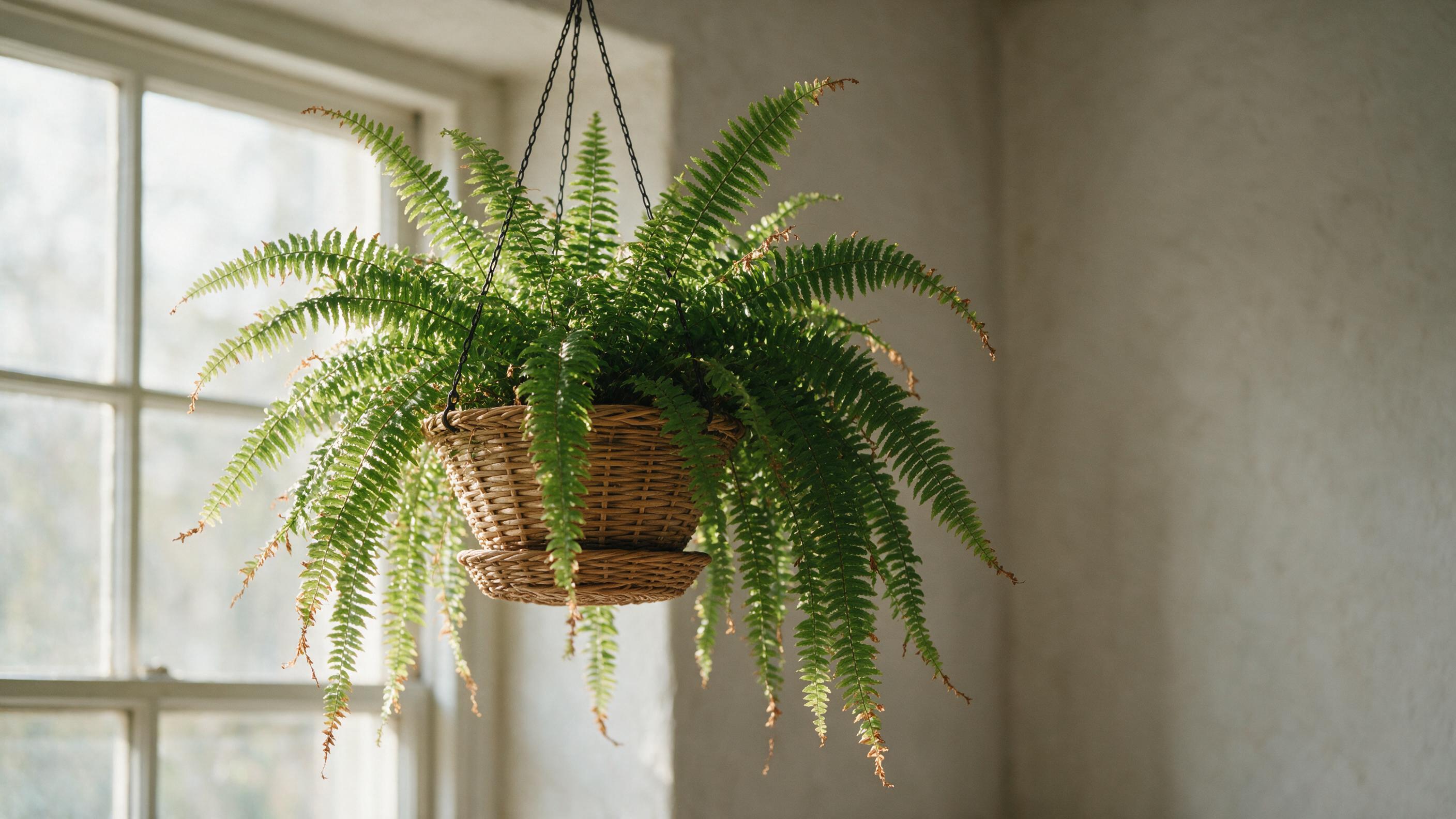
You water it, you mist it, you give it a spot out of direct sun — and still your Boston fern rewards you with crispy brown tips and fading fronds. If that sounds familiar, you are not alone. Boston ferns are beautiful, classic houseplants, but they are also known for being a little dramatic when their needs are not met.
The good news is that brown leaves on a Boston fern almost always point to something specific and correctable. When Boston fern leaves turn brown, it is a sign something in the care routine needs a tweak. The browning might show up as crispy tips, whole fronds going tan, or even weird patches of dead tissue. Once you know what to look for, diagnosing the problem is much easier than it seems.
This guide walks you through every common reason a Boston fern turns brown, how to tell them apart, and exactly what to do to bring your plant back to its lush, green best. You will also find tips for keeping it that way long-term.
What Does It Mean When Your Boston Fern Is Turning Brown?
Long, graceful fronds on the Boston fern (Nephrolepis exaltata) give it an elegant appearance, reminiscent of bygone days. Known botanically as Nephrolepis exaltata ‘Bostoniensis,’ these ferns have been gracing porches and sunrooms for many decades. Native to tropical regions of South America, Mexico, and even southern Florida, they are known for their sword-shaped fronds that gracefully arch downward.
When those fronds start turning brown, the plant is communicating that something in its environment is off. Boston fern browning may be caused by poor soil, inadequate drainage, lack of water or humidity, too much light, excess salt, or simply mechanical injury. Because the list of possible triggers is long, it helps to look at the pattern of browning before jumping to conclusions.
Brown tips that start at the very end of each leaflet and creep inward usually signal a humidity or watering issue. Sometimes you get dry patches in the middle of a frond while the tips look fine. Whole fronds can turn yellow first, then fade to brown before shriveling up — that is usually a sign the problem has been going on for a while. Wet, mushy brown spots, on the other hand, point toward overwatering or disease.
Pro Tip: Always check both the top and undersides of the fronds. Some issues — like spider mites or scale — show up on the back of leaves long before you notice them on the front.
Is Browning in Boston Ferns Always a Sign of a Problem?
Not always. Some browning is completely normal, and recognizing the difference saves you a lot of unnecessary worry. As your Boston fern grows and matures, it is natural for older leaves to turn brown and fall off. New growth is prioritized by the plant, and lower, older foliage dies off.
The brown spots on your Boston fern may also be spores, which is a normal and natural way for the fern to reproduce. You can find the sori, or spore sacs, in lines on the underside of each leaf. The sori are small, round structures that can appear brown or black. Once mature, the spores will fall to the soil and develop into reproductive structures. The presence of spores is a positive sign that your Boston fern is healthy and growing.
Some brown foliage is normal for Boston ferns, and if the rate is lower than the rate of new healthy growth, it can be nothing to worry about. The concern starts when browning spreads rapidly, affects newer fronds, or is accompanied by wilting, mushy stems, or a foul smell from the soil.
Watering Issues Causing Boston Fern Browning
Water is the single most common trigger for brown fronds, and the tricky part is that both too much and too little produce similar-looking symptoms. Getting this balance right is the foundation of healthy Boston fern care.
Underwatering
Boston ferns need steady moisture to keep those fronds looking good. If they dry out, you will see brown, crispy tips almost right away. If the leaves have gone quite brown but dry, too little water might be why your plant is struggling. Boston ferns are heavy drinkers and require more frequent watering compared to many other houseplants.
Dry soil is a dead giveaway. If you poke your finger in and the soil feels hard or pulls away from the pot, it is too dry. The pot will also feel very light — no water weight left. Room temperature water is best — cold water can shock the roots.
Overwatering
Overwatering is probably the fastest way to brown up your Boston fern. If roots are sitting in soggy soil, they cannot breathe, and the stress shows up as discolored fronds. Browning usually starts at the tips and edges and then spreads inward. Sometimes the fronds feel limp or even a bit mushy. If the soil stays wet too long, root rot is not far behind.
Overwatering may lead to root decay, causing the fronds to turn brown and yellow. A quick diagnostic: brown fronds paired with yellow lower leaves typically point to overwatering rather than underwatering. Aim to water whenever the top inch of soil feels dry. While Boston ferns like moisture, soggy soil can cause root rot and brown fronds. Allow the soil to partly dry out between waterings.
Pro Tip: Water your Boston fern in the morning. Watering in the morning is an excellent practice that allows the leaves to dry before the sun evaporates everything. Avoid leaving the pot sitting in a saucer of standing water.
Water Quality
Tap water high in minerals can build up in the soil and cause browning. Use distilled or rainwater if possible. Browning can be caused by a number of factors including over-watering, chemical burn from too much fertilizer, root rot, and dry stagnant air. Probably the most common reason your plant is tipping could be in the tap water. If you are in a city with hard water, switching to filtered water can make a noticeable difference.
Light Conditions Behind Boston Fern Browning
When thinking about the indoor care needs of a Boston fern, it helps to keep in mind their natural habitat — they grow on the forest floor and benefit from shade from the taller trees around them. Replicating that filtered-light environment indoors is key to avoiding light-related browning.
Boston ferns need bright, indirect light to produce healthy, green fronds, but excess direct sunlight, even through a window, will result in leaves turning brown. Avoid putting your Boston fern in a south-facing window since the light is too bright and direct. Certified Horticulturist Brody Hall recommends ensuring that your Boston fern “is not in direct sunlight, which can dry up the soil too quickly and burn the plant’s leaves.”
Too little light can also cause problems. Ferns that are not receiving enough light can also turn brown from stress. Boston ferns require a minimum of two hours of indirect sunlight to stay healthy. They prefer bright, indirect light and can be sensitive to direct sunlight or too little light.
As a rule, keep your Boston fern in a room that does not get too much direct sun. Boston ferns are a great choice for a bedroom in a north-facing room, humid bathrooms with windows, or bookshelf locations away from sunny windows. In US homes, an east-facing window is often the sweet spot — bright morning light without the harsh afternoon rays. Check out our guide to the best houseplants for low-light areas if your space has limited natural light.
Soil, Nutrients, and Root Health Causing Boston Fern Browning
What is happening below the soil line matters just as much as what you can see above it. Poor soil structure, fertilizer imbalances, and root problems all show up as brown fronds.
Soil and Drainage
Boston ferns like organically rich soil with good drainage. Peat moss potting soil with added perlite is ideal for this plant, as it can hold some water but also drains easily. Repot Boston ferns using a mixture of 50% peat moss, 12% horticultural bark, and the rest perlite. This will provide the excellent drainage the plant requires.
Compacted soil prevents oxygen from reaching the roots. Repot in fresh, loose potting mix when the soil feels dense or drains very slowly. Dense soil blocks airflow to the roots. If soil feels muddy or drains very slowly, roots may struggle.
Fertilizer and Salt Buildup
If you are fertilizing frequently, or if you can see fertilizer salts accumulating in the soil, this may well be the cause of brown leaves. Excess fertilizer can cause direct toxicity effects as it is absorbed into the plant, but also directly damages the roots, preventing them from performing their normal functions. All this results in brown leaves.
During the growing season (spring and summer), fertilize your Boston fern once a month with a balanced, water-soluble fertilizer. Reduce feeding in the fall and winter when growth slows. Always rinse the foliage after fertilizing Boston fern plants to prevent leaf burn. Repot annually to refresh the potting mix so salts do not accumulate. Use a soilless, peat-based mix.
Root Rot
Boston ferns are susceptible to fungal infections. Root rot is prevalent, often from waterlogged soil. Symptoms include mushy stems, wilting leaves despite wet soil, and a foul odor. To treat root rot, remove the affected plant from its pot and inspect the roots. If they are brown and mushy, carefully trim away the affected areas and repot the plant in fresh soil. Allow the soil to dry out slightly between waterings to prevent future infections.
Important Note: Keep the crown of the plant above the soil line when repotting. Keep the crown above the soil to prevent crown rot. Burying it too deep is one of the most common repotting mistakes with Boston ferns.
Environmental Stress Triggering Boston Fern Browning
Even with perfect watering and the right light, environmental factors inside your home — especially in US climates where central heating and air conditioning are common — can push a Boston fern toward browning.
Low Humidity
If you are confident that your watering habits are in check, low humidity could be the cause of your Boston fern’s leaf browning. It is a very common issue with Boston ferns, as they require quite a high and constant level of humidity. The optimal humidity for your fern is about 50–60%.
A common telltale sign of a lack of humidity is dry leaf edges before the whole leaf turns brown, so take a close look at the leaves across your plant. Dry indoor air, especially during winter, can make the frond tips turn brown and crispy. In many US homes, winter heating drops indoor humidity well below 30%, which is far too dry for a Boston fern.
To raise humidity, you have several options:
- Fill a dish with gravel and water and place the pot on top to increase humidity.
- Lightly mist the fronds regularly to keep moisture levels up, or use a humidifier.
- Place your Boston fern close to a group of other plants — they will act as humidifiers for each other.
- Position it in your bathroom, where humidity levels are naturally higher than in other parts of the home.
For more inspiration on pairing your fern with other indoor plants, browse our list of types of plants suited to indoor growing.
Temperature Extremes and Drafts
Temperatures should be about 65°F (18°C) during the night and no higher than 95°F (35°C) during the day. Boston ferns prefer temperatures between 60 and 75°F (15–24°C). They can tolerate lower temperatures, but prolonged exposure to cold can damage their leaves. Avoid placing your ferns near drafts, air conditioning vents, or heaters, as these can cause temperature fluctuations that can harm the plant.
Make sure that your Boston fern is not directly affected by a heating or air conditioner vent. The direct cold or hot air will damage your plant. In the US, this is especially relevant in summer, when air conditioning can create cold drafts that stress the fern just as much as winter heating does.
Physical Damage and Handling
Try not to touch the leaves too much because they do not like it and will turn brown. Frequent brushing against furniture, pets batting at the fronds, or rough handling during watering can all cause localized brown spots that look alarming but are purely mechanical in origin.
Pests and Disease Leading to Boston Fern Browning
Common pest insects on the Boston fern include mealybugs, fungus gnats, spider mites, scales, thrips, whiteflies, and caterpillars. Boston ferns can fall victim to common houseplant pests like spider mites, aphids, and mealybugs. These tiny insects suck the sap from the leaves, causing them to dry out and turn brown. Excessive moisture can also lead to fungal infections, contributing to leaf discoloration.
Here is what to look for with the most common offenders:
- Spider mites: Spider mites are indicated by fine webbing and tiny, reddish-brown dots on fronds. These pests feed on plant sap, causing stippling or a speckled appearance.
- Mealybugs: Mealybugs appear as small, white, cottony masses in leaf axils or along stems. They feed on plant sap, causing stunted growth and sticky honeydew.
- Scale insects: Scale insects are small, raised, brown bumps on stems and fronds that are difficult to remove with water.
- Thrips: Thrips are tiny, slender insects that feed on the foliage of the ferns, causing leaves to turn yellow or brown.
For treatment, a strong water spray can dislodge spider mites, and insecticidal soap or neem oil helps eliminate infestations. Scale insects can be removed with a cotton swab dipped in rubbing alcohol, followed by insecticidal soap. Repeat treatment every 7–10 days until you no longer see any pests.
On the disease side, brown or black spots on leaves can signal a fungal or bacterial infection. Water directly at the soil level to keep foliage dry, provide adequate spacing between plants for airflow, and remove any affected fronds promptly to prevent spread. If you keep cats and are worried about them disturbing your fern, our guide on how to keep cats out of houseplants has practical solutions. You can also explore plants that repel cats to protect your collection.
Key Insight: Sticky plants are a strong indicator of a pest problem. If the fronds feel tacky to the touch, check the undersides of leaves immediately for honeydew-excreting insects like mealybugs, aphids, or scale.
How to Diagnose Why Your Boston Fern Is Turning Brown
With so many possible causes, a systematic look at your plant and its environment is the fastest path to the right answer. Work through these checks in order before changing anything.
- Check the soil moisture. Feel the soil to determine if the fern is being over- or underwatered. Adjust your watering frequency accordingly. Push your finger about an inch into the soil — dry and pulling away from the pot means underwatering; soggy and compacted means overwatering.
- Look at where the browning starts. Crispy tips creeping inward = humidity or underwatering. Mushy, dark patches = overwatering or disease. Yellowing then browning of whole fronds = likely overwatering or root rot.
- Assess the light. Your chosen spot may not be giving your fern adequate indirect sunlight, or it could be in the direct glare of the sun. Move your hand between the plant and the light source — if you see a sharp shadow, the light is too direct.
- Inspect for pests. Check both the top and undersides of the fronds. Some issues show up as spots or unusual colors on the back before you see them on the front.
- Consider the environment. Is the plant near an air vent, radiator, or drafty window? Has the indoor humidity dropped with seasonal heating or cooling? Humidity is tricky to test for without a humidity monitor, so a digital hygrometer is worth picking up.
- Review your fertilizer history. Brown, brittle fronds can be a sign of over-fertilization. Excess soluble salts and fertilizers can cause plant damage such as wilting, yellowing, browning, and stunted growth.
If you want a faster way to identify what might be wrong, plant identification apps can help you match symptoms to causes. Check out the best iPhone apps for identifying plants or the best Android apps for identifying plants for tools that can walk you through a diagnosis in seconds.
How to Fix a Boston Fern That Is Turning Brown
Once you have identified the cause, here is how to address it. Work on one variable at a time so you can tell what is actually helping.
Fixing Watering Problems
If underwatering is causing your Boston fern to turn brown, slowly reintroduce water to raise the moisture levels in the soil. You may think the best way to solve underwatering is by pouring a bucket of water over your fern — however, if the environment goes from one extreme to the other very quickly, it can cause shock and stress. Gradually increasing the moisture in the soil over the course of a week is the best approach.
For overwatering, let the soil dry out more between sessions, ensure your pot has drainage holes, and consider repotting into fresh, well-draining mix if the roots smell or look damaged.
Removing Brown Fronds
Carefully trim away the brown leaves so your Boston fern can focus all of its energy on new healthy growth. Once a leaf or a stem has turned brown, there is no reversing it, so it is best to remove it altogether. Use a pair of sharp scissors to minimize damage to healthy plant cells. Wipe them down with rubbing alcohol to reduce the risk of transmitting diseases from plant to plant.
Boosting Humidity
To keep your Boston fern from developing brown leaves from low humidity, you can group plants together to naturally raise the humidity, set up a pebble tray, or use a home humidifier close by to increase the moisture in the air. A bathroom or kitchen placement works well in most US homes, where these rooms naturally run more humid than living areas.
Adjusting Light and Temperature
To avoid issues caused by too much sunlight, move your Boston fern into a slightly shadier place, and if there is no improvement, move it a little further again until you find the perfect spot. To avoid extreme temperatures, ventilate the room well and keep all plants at least 1 metre away from radiators, heaters, or cookers.
Addressing Nutrient and Soil Issues
If salt buildup from fertilizer is the issue, flush the soil thoroughly by running water through it several times, then let it drain completely. Boston ferns do not need much in terms of fertilization. A dilute solution every 2–3 months is generally sufficient. An Epsom salt solution applied twice per year will help keep the greenest color. Mix at a rate of 2 tablespoons per gallon of water.
If you enjoy growing a variety of ferns, our dedicated guide on fern houseplants covers several species worth adding to your collection. You might also enjoy browsing our roundup of types of spider plants for another low-maintenance indoor favorite.
How to Prevent Boston Fern Browning Going Forward
Prevention is far easier than recovery. Build these habits into your routine and you will rarely deal with serious browning again.
| Care Factor | Ideal Condition | Common US Home Mistake |
|---|---|---|
| Watering | Consistently moist, never soggy; water when top inch is dry | Fixed schedule regardless of soil moisture |
| Humidity | 50–60% relative humidity | Central heating drops indoor humidity below 30% in winter |
| Light | Bright, indirect light; east or north-facing window | Placed in south-facing window with direct afternoon sun |
| Temperature | 60–75°F (15–24°C), away from vents and drafts | Positioned near AC vent or heating register |
| Soil | Well-draining peat and perlite mix | Dense, compacted potting mix that holds too much water |
| Fertilizing | Monthly during spring/summer; none in fall/winter | Over-fertilizing year-round, causing salt buildup |
| Repotting | Every 1–2 years in fresh mix | Leaving in the same soil for years as salts accumulate |
Thoroughly checking up on your plant every few weeks can go a long way to spotting any issues before they have had time to cause brown leaves or any other problems. When you recreate the natural environment — bright indirect light, steady moisture, high humidity, and breathable soil — Boston ferns reward you with lush, cascading green fronds. If your plant looks stressed, adjust one variable at a time, and you will often see improvement within weeks.
Prune your Boston fern regularly to remove dead or brown fronds. This encourages new growth and maintains a lush, full appearance. Use clean, sharp scissors for pruning. If you want to explore other easy-care indoor plants alongside your fern, our guides on different types of rubber plants and different types of aloe vera plants are great starting points.
FAQ
Why Are Just the Tips of My Boston Fern Turning Brown?
Brown tips can be a sign of low humidity, underwatering, or a buildup of minerals from tap water. Increase humidity and ensure consistent watering with filtered or distilled water. Tip browning that starts at the very ends of the leaflets and creeps inward is the classic low-humidity symptom.
Can a Brown Boston Fern Come Back?
Yes, in most cases. Despite their high-maintenance reputation, Boston ferns can tolerate some neglect, and if you do get some brown leaves along the way, they can be trimmed off and the plant will revive. The key is identifying the cause quickly and correcting it before the damage spreads to new growth.
Should I Cut Off Brown Fronds?
For aesthetic purposes, do not be afraid to cut off those brown tips. This in no way hurts the plants, and will help give energy back to the new leaves by pruning off any dead ends. Use clean, sharp scissors and cut back to the main stem for fully brown fronds.
How Often Should I Water a Boston Fern?
It is a good idea to give your Boston fern a drink once every 3–4 days, letting the topsoil dry out by around 0.5 inches (1–2 cm). That said, frequency depends on your home’s temperature, humidity, and season — always check the soil before watering rather than following a rigid schedule.
Are Boston Ferns Safe for Pets?
According to the ASPCA, the Boston fern is considered non-toxic. It is safe to grow this plant indoors around your pets. That said, pets chewing on the fronds can cause localized browning, so it is worth keeping the plant out of reach. Our guide on plants that repel snakes and best deer-tolerant plants can help you make smart choices for outdoor spaces too.
Why Is My Boston Fern Turning Brown in Winter?
Dry indoor air, especially during winter, can make the frond tips turn brown and crispy. Central heating in US homes is one of the top culprits during the colder months. Running a humidifier near your fern and moving it away from heating vents are the two most effective fixes for winter browning.
What Does It Mean If the Whole Frond Is Turning Brown, Not Just the Tips?
Whole fronds turning yellow first, then fading to brown before shriveling up, is usually a sign the problem has been going on for a while. This pattern typically points to a more established issue — root rot, severe underwatering, or prolonged exposure to cold drafts. Remove the affected fronds, diagnose the root cause, and correct conditions promptly to stop further spread.