Why Is My Spider Plant Drooping? Causes, Fixes, and Prevention Tips

August 25, 2026
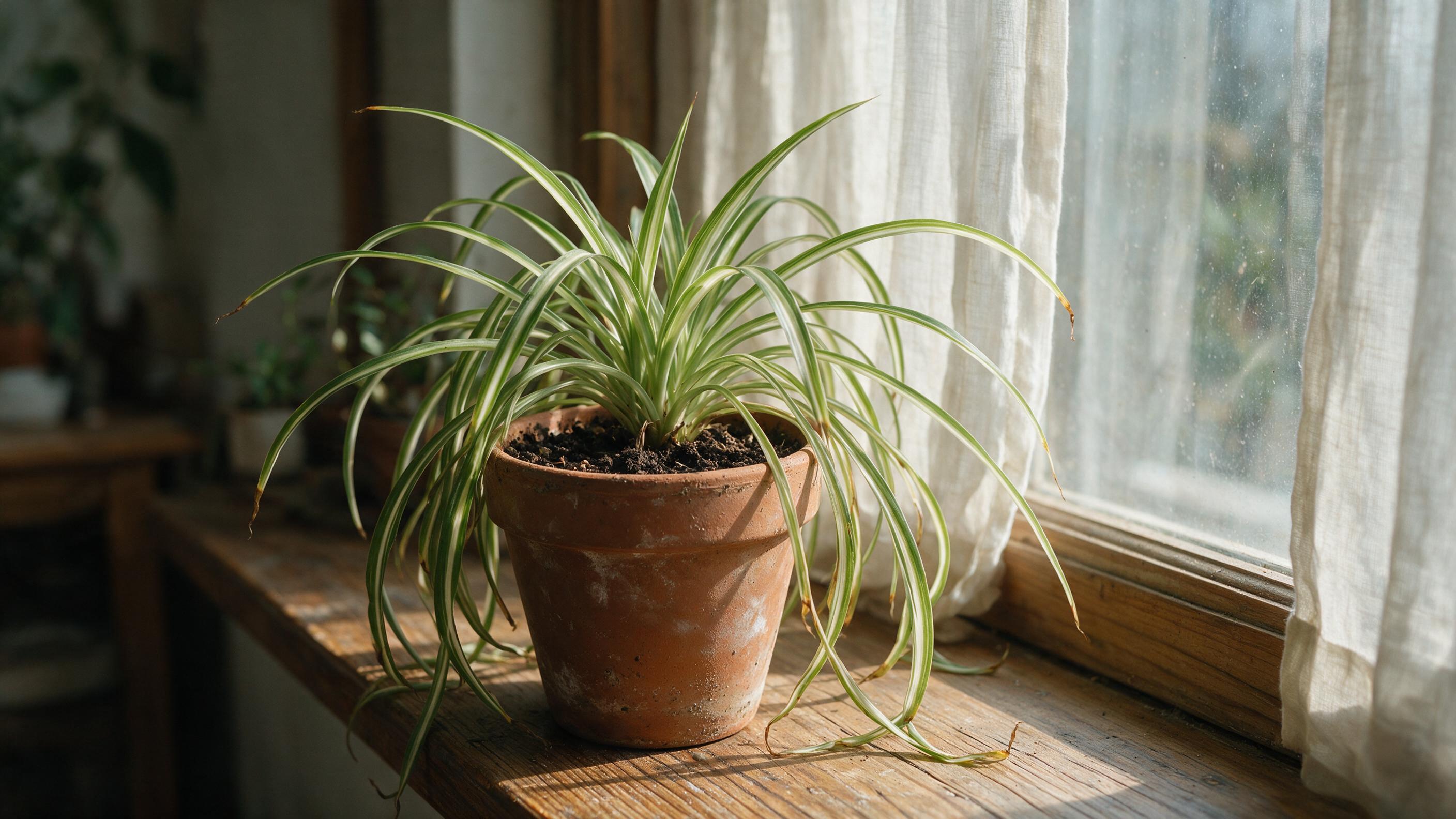
Spider plants are among the most popular houseplants in the United States, and for good reason — they’re adaptable, low-maintenance, and famously hard to kill. So when you notice yours hanging limp instead of standing tall, it’s easy to feel like you’ve done something terribly wrong.
The good news is that a drooping spider plant is almost always a fixable problem. Seeing your spider plant with droopy, limp leaves can be concerning, but don’t panic — drooping is a common issue that’s usually easy to fix. Whether you’ve been overwatering, underwatering, or just placed your plant in the wrong spot, this guide walks you through every cause and every solution.
What Does It Mean When Your Spider Plant Is Drooping?
Drooping is your spider plant’s way of telling you something is off. If the leaves of your spider plant appear droopy, limp, or soft, and they lose their rigidity and upright posture, then your spider plant is wilting. It’s a physical stress signal, not a death sentence.
A common issue you tend to find with spider plants is that they can become quite droopy or soft if something isn’t right. Usually, this is a pre-warning that more symptoms are about to arrive, so it’s a good thing if you have caught it at this stage as it makes fixing the issue a lot easier.
The spider plant, known scientifically as Chlorophytum comosum, is a resilient species, but that resilience has limits. It is resilient but sensitive to specific care issues, and identifying the cause of drooping is key to recovery. The drooping itself is a symptom — your job is to find the root cause before deciding on a fix. You can explore the many types of spider plants to better understand how your specific variety behaves.
Is Drooping in Spider Plants Always a Sign of a Problem?
Not always. Some drooping is completely normal and temporary. You can expect some issues like droopy leaves if you just brought your plant home or after repotting. Your plant is adjusting to the new situation. Give it some time to settle in before you do anything else.
Spider plants sometimes seem tired and drooping after repotting. This is normal, and the plant often regains its vivacity in a couple of weeks. Transplant shock is real, and a brief period of drooping during adjustment doesn’t require any intervention beyond basic care.
That said, drooping that persists beyond a week or two — especially when paired with yellowing leaves, soft stems, or dry soil — almost always points to a specific care problem worth investigating. Drooping alone won’t kill your spider plant if addressed promptly. Spider plants are resilient and can recover from most causes of drooping.
Pro Tip: Before doing anything else, stick your finger two inches into the soil. Completely dry soil usually points to underwatering; soggy soil points to overwatering. The fix is very different for each, so always check the soil first.
Watering Issues Causing Spider Plant Drooping
Watering problems are the number one cause of a drooping spider plant, and the tricky part is that both too much and too little water produce similar-looking symptoms. An underwatered spider plant may look almost uncannily the same as an overwatered one. That’s why it is crucial to know the subtle differences.
Overwatering
Overwatering your spider plant suffocates roots, impairing their ability to take up water and nutrients effectively. This stresses the plant and causes the leaves to droop and wilt, even when the soil is wet. This is the classic overwatering paradox — the plant looks thirsty despite sitting in wet soil.
Signs of overwatering include soft, mushy leaves, yellowing foliage (especially on lower leaves), and soggy soil that stays wet for days. Mold, mildew, and other fungal growths may appear on top of the soil. If overwatering continues, it leads to root rot — a more serious condition covered in the soil and root health section below.
Underwatering
When spider plants don’t get enough water, their leaves lose turgidity and droop. This is the most common cause of drooping and the easiest to fix. Unlike overwatered plants, an underwatered spider plant will have crispy leaf tips, dry and light-colored soil, and leaves that feel thin rather than soft.
Spider plants in particular need adequate water, especially during the warmer months, to prevent them from drying out. If you’re in a warm US climate like the South or Southwest, your plant may need water more often in summer than you’d expect.
How to Water Correctly
The general rule of thumb is to give your spider plant a thorough watering once a week, and only when the top 1–2 inches of the soil are dry. In winter, you can pull back significantly. Water every 7–10 days in summer and every 2–3 weeks in winter, allowing the top inch of soil to dry between waterings. Adjust frequency based on light and temperature.
Also consider your pot. Your pot choice has a big impact on how quickly the soil dries out on indoor plants like spider plants. If you find your soil is retaining water, try using a porous pot made of clay or terracotta. This will allow excess water to evaporate, keeping it away from your spider plant’s roots.
| Symptom | Overwatered | Underwatered |
|---|---|---|
| Leaf texture | Soft, mushy, puffy | Crispy, thin, brittle |
| Leaf color | Yellow, pale, brown spots | Brown tips, fading green |
| Soil feel | Wet, soggy, dark | Dry, light, pulling from pot edges |
| Smell | Musty or foul odor | No unusual odor |
| Recovery speed | Days to weeks | Hours to 1–2 days |
Light Conditions Behind Spider Plant Drooping
Spider plants thrive in bright, indirect light. Low light reduces photosynthesis, weakening cell structure and causing leaves to bend. If your plant is sitting in a dim corner or getting only a few hours of indirect light per day, drooping is a likely result.
On the flip side, too much direct sun is just as harmful. While spider plants thrive in bright, indirect sunlight, too much sunlight can cause their leaves to sag. A spot near a south-facing window with harsh afternoon sun can scorch leaves and cause them to wilt from heat stress.
Avoid direct afternoon sun, which can scorch leaves. East- or north-facing windows are ideal. In many US homes, an east-facing window provides the perfect balance of morning brightness without the intensity of midday or afternoon sun.
If natural light is limited — particularly during shorter winter days in northern states — consider using an LED grow light. A 6500K bulb positioned about 6 inches from the leaves can supplement light effectively during low-light months. You can also check out our guide to the best houseplants for low-light areas if you’re working with a particularly dim space.
Pro Tip: Not sure how much light your spot actually gets? Try the shadow test — hold your hand about a foot above a white piece of paper. A sharp, clear shadow means strong light; a faint or fuzzy shadow means your plant needs a brighter spot or a grow light.
Also remember to rotate your plant periodically. Rotating your spider plant regularly guarantees that the plant gets even lighting, which prevents lopsided growth.
Soil, Nutrients, and Root Health Causing Spider Plant Drooping
Even with perfect watering and light, poor soil conditions or root problems can cause your spider plant to droop. These issues are often overlooked because they’re hidden below the surface.
Poor Drainage and Soil Quality
Sometimes it may not be your watering schedule that is causing your plant’s leaves to droop, but it might actually be caused by improper drainage. This can either happen because of the soil or because of the pot. Heavy, compacted soil holds too much moisture and suffocates roots over time.
Adding a small amount of perlite can really help to aid drainage, and you should always check your pot has enough drainage holes as this will allow any excess water to flow out into either a saucer or planter. A well-draining potting mix that includes perlite or coarse sand is the best foundation for a healthy spider plant.
Root-Bound Conditions
Drooping often occurs when roots outgrow their container. Signs include roots circling the pot base or emerging from drainage holes. A root-bound plant can’t absorb water or nutrients efficiently, which leads directly to wilting leaves.
Repot every 1–2 years in a container 1–2 inches larger in diameter. Use a peat-based mix with perlite for optimal aeration. When repotting, be gentle with the root system to minimize transplant shock.
Root Rot
Root rot is the most serious soil-related cause of drooping. Spider plants are susceptible to root rot if they’re left waterlogged, and it tends to follow on from the overwatering problem. It’s more serious but you can still fix it if you act quickly enough.
The rotting roots of an overwatered spider plant usually appear brown, mushy, and slimy. Unfortunately, the only way you can be certain the plant is suffering from root rot is by removing it from the pot and inspecting the roots. Healthy roots should be firm and white or light-colored.
Nutrient Deficiency
A lack of nutrients can also cause drooping. Spider plants need a balanced mix of nutrients like nitrogen, phosphorus, and potassium. Use a balanced, water-soluble fertilizer once a month or every other month during the growing season (spring and summer).
Be careful not to overdo it, though. Excess fertilizer causes salt accumulation, damaging roots and leading to droop. Flush soil every 3–6 months with distilled water to prevent mineral buildup. Spider plants are also sensitive to fluoride found in tap water, which can contribute to brown leaf tips over time.
Environmental Stress Triggering Spider Plant Drooping
Your spider plant’s environment — temperature, humidity, and air circulation — plays a bigger role in its health than most people realize. Many US homes create conditions that can stress houseplants without owners even knowing it.
Temperature Extremes
Sudden temperature changes, low humidity, or exposure to HVAC airflow can shock spider plants. Maintain stable conditions between 60–75°F (15–24°C). Keep plants away from cold drafts, radiators, and air conditioners.
In American homes, the most common culprits are heating and cooling vents. A plant sitting directly below an air vent in summer — or next to a drafty window in winter — is exposed to repeated temperature shocks that wear it down over time. Be sure to protect it from cold drafts (from doors or vents), which can shock the plant and cause the leaves to either wilt or brown.
Low Humidity
These plants prefer moderate to high humidity. Most US homes run at relatively low indoor humidity, especially in winter when heating systems dry the air out further. Average household humidity (40–50%) is sufficient for spider plants, so you don’t need to create a tropical environment — just avoid excessively dry air.
If your home is particularly dry, mist the leaves regularly or place a plant humidifier nearby. Grouping plants together also naturally raises the humidity around them.
Heat Stress and Hotspots
If your plant is very close to the window, during summer that intense light can make that spot a lot warmer than the rest of your house, which means you might not even realize a hotspot has formed. If your plant is being exposed to a lot of heat, it will lose moisture a lot quicker and will droop and become limp as a result.
Using a digital thermometer is the best way to really know how the temperature is fluctuating around your plants and can help you find a better spot to avoid further damage.
Pests and Disease Leading to Spider Plant Drooping
Pests are a less common but very real cause of drooping in spider plants. Pests like spider mites, aphids, and scale insects can cause drooping leaves by sucking the life out of your plant. They often hide on the underside of leaves.
Spider Mites
Spider mites are tiny arachnids that feed on plant cells, and they thrive in the warm, dry indoor conditions common in American homes. If you see webs on your plant, check leaves for tiny visible holes or yellow and bronze spots. Those spots are where spider mites have been feeding. In houseplants, this discoloration and drooping can happen relatively quickly.
Spider mites thrive best in warm, dry conditions. “They spread more rapidly in average room temperature or above and low relative humidity levels. This makes winter an opportune time for mite populations to explode, especially in the North,” according to Costa Farms horticulturist Justin Hancock.
Aphids and Other Pests
Pests like aphids might cause leaves to curl or become distorted. Aphids usually hang out near the leaves, stems, or buds of your plants, and they leave a sticky residue behind called honeydew. Ants especially love to eat honeydew, so if ants are present, you’ve probably got an aphid problem.
Other pests that affect spider plants include mealybugs, scale, thrips, and fungus gnats. Webbing from spider mites appears late, not early. If you’re waiting for webs before acting, you’re already dealing with a significant population. Inspect your plant regularly, paying close attention to the undersides of leaves.
Fungal Disease
In theory, spider plants can suffer infections from pathogens such as Alternaria, Cercospora, Fusarium, and Phyllosticta spp., which cause leaf spots. However, there are very few diseases that will ever bother them. You’re far more likely to encounter spider mites or some other pest than to ever see a disease affecting your spider plant. Fungal issues are almost always tied to overwatering and poor air circulation.
If you keep cats, note that while spider plants are non-toxic to pets, curious cats can damage foliage. You can find helpful advice in our guide on how to keep cats out of houseplants.
How to Diagnose Why Your Spider Plant Is Drooping
Before reaching for the watering can or moving your plant, take a few minutes to run through a simple diagnostic checklist. Before treating your droopy spider plant, it’s important to identify the root cause. Check soil moisture (is it bone dry or soggy wet?), assess light conditions (too much direct sun or too little light?), check temperature (is it near a cold draft or heat source?), and look for pests (any visible insects or webbing?).
- Check the soil first. Push your finger 2 inches into the soil. Dry and powdery = underwatering. Wet and dark = overwatering or poor drainage.
- Look at the leaves closely. Soft, mushy, and yellowing = overwatering. Crispy, thin, and brown-tipped = underwatering. Stippled or bronze-spotted = possible pest damage.
- Inspect the undersides of leaves. Look for tiny moving specks, fine webbing, sticky residue, or small insects.
- Evaluate the light. Is the plant in a dim corner or blasted by direct afternoon sun? Both extremes cause drooping.
- Check the pot and roots. Are roots poking out of drainage holes? Is the pot cracked or lacking drainage? These point to root-bound or drainage issues.
- Consider recent changes. Did you repot, move the plant, or change your watering schedule? Drooping after any of these is often temporary adjustment stress.
Key Insight: Most drooping spider plants recover fully once the underlying issue — such as improper watering or lighting — is corrected. Recovery time ranges from 2 days to 3 weeks depending on severity.
If you’d like a digital tool to help identify what’s happening with your plant, our list of the best iPhone apps for identifying plants and best Android apps for identifying plants includes several that offer plant health diagnostics.
How to Fix a Spider Plant That Is Drooping
Once you’ve identified the cause, the fix is usually straightforward. Here’s how to address each major issue.
Fix Underwatering
If the soil is bone dry, water thoroughly until it drains from the bottom of the pot. A spider plant will bounce back up within a few hours if it needed water. Don’t flood it all at once if it’s been dry for a long time — if you have been underwatering your plant, water it a little every other day for a week. Your first instinct might be to give it loads of water straight away, but this can actually be harmful to your spider plant if its environment goes from one extreme to the other.
Fix Overwatering
Stop watering immediately and let the soil dry out. If you realize you’ve been overwatering, you should move your plant out of very bright light, which may be too harsh and may cause damage to compromised plants. If the soil stays wet for days and the leaves remain soft, it’s time to check the roots.
If root rot is present: unpot and inspect the plant, taking it out and shaking off the soil so you can see the roots. Cut away any brown, mushy roots with scissors, keeping the firm, white, healthy ones. Repot in fresh soil using a clean pot with drainage, then don’t water too much as it recovers.
Fix Light Problems
Move your plant to a spot with bright, indirect light. Spider plants thrive in bright indirect light. Move the plant away from direct sunlight, which can scorch leaves, or from dark areas that may cause it to stretch and weaken. An east- or north-facing window is your best bet in most US homes.
Fix Environmental Stress
Move the plant away from vents, radiators, and drafty windows. Use room-temperature water to avoid shocking the roots, and ensure your pot has drainage holes to prevent root rot. If humidity is low, place the pot on a pebble tray with water (without the pot sitting directly in the water) or group it with other houseplants.
Fix Pest Infestations
Isolate the affected plant immediately to prevent pests from spreading. For spider mites and aphids, start with a strong rinse of the leaves — pay special attention to the undersides. You can use natural methods, like neem oil, or mechanically pick out the infested parts of the plant. Giving your plant a good wash can also remove the bugs if you catch them early enough.
For persistent infestations, according to Costa Farms’ Justin Hancock, “once and done doesn’t work” because spider mites reproduce so quickly. One treatment of horticultural oil will not solve the infestation. “Weekly follow ups are necessary, and I recommend them for at least three or four weeks.” Repeat treatments every 5–7 days until the infestation clears.
Fix Root-Bound Conditions
If you spot roots emerging from the drainage holes in addition to drooping leaves, it’s a sure sign that your spider plant needs a bigger pot. Choose a pot that’s 1–2 inches larger in diameter, add fresh well-draining potting mix, and be gentle when separating the root ball. Expect a brief period of adjustment drooping after repotting — this is normal.
How to Prevent Spider Plant Drooping Going Forward
Prevention is far easier than recovery. Once your plant is healthy again, a few consistent habits will keep it that way.
- Use the finger test before every watering. Allow the top 1–2 inches of soil to dry out before giving your plant a drink. Skip the fixed watering schedule and respond to what the soil actually tells you.
- Choose the right pot and soil from the start. Always use a pot with drainage holes and a well-draining mix that includes perlite. The type of container, time of year, light exposure, and relative humidity can all impact how often a houseplant needs watering and how much water it requires.
- Keep it away from vents and drafts. In most US homes, the biggest environmental threat to spider plants is HVAC airflow. Check your plant’s placement relative to ceiling vents and exterior doors, especially in winter.
- Repot proactively. Spider plants need repotting every 1–2 years, or when they’ve become too big for their pots. Roots protruding from drainage holes are a clear sign that the plant needs repotting.
- Fertilize lightly during the growing season. A balanced water-soluble fertilizer applied monthly in spring and summer keeps nutrients in check without causing salt buildup. Skip fertilizing entirely in fall and winter.
- Inspect leaves regularly for pests. Inspect your spider plant regularly for any signs of pests. If you notice anything odd, remove the infected part right away. Early detection makes treatment far easier.
- Rotate your plant every few weeks. This ensures even light exposure and prevents one-sided drooping caused by the plant leaning toward a light source.
Spider plants are excellent companion plants in a home plant collection. If you’re expanding your indoor garden, you might also enjoy our guides on types of rubber plants, types of aloe vera plants, and types of ivy plants — all of which share similar care principles.
Frequently Asked Questions
Why Is My Spider Plant Drooping After Repotting?
Incorrect repotting techniques or moving the plant to a new environment can cause significant stress. This is called transplant shock, and it typically resolves on its own within one to two weeks. Keep the plant in indirect light, water lightly, and avoid fertilizing until it shows signs of new growth.
Can Overwatering Cause Drooping Even When the Soil Is Wet?
Yes — and this is one of the most confusing aspects of spider plant care. Overwatering can cause drooping by leading to root rot, which prevents the plant from absorbing water properly. The leaves droop because the roots can’t supply water to them, even though the soil is wet. Always check root health if your plant droops despite having moist soil.
How Long Does It Take a Drooping Spider Plant to Recover?
Most spider plants recover from drooping within 1–3 days if the issue is simple underwatering. For more severe cases like root rot or extreme stress, recovery may take 1–2 weeks. The key is addressing the underlying cause quickly.
Should I Cut Off Drooping Leaves?
Only remove leaves that are completely dead or brown. Droopy leaves that are still green may recover once you fix the underlying issue. Cutting healthy but droopy leaves can stress the plant further. If leaves are severely yellowed or damaged beyond recovery, pruning improves appearance and redirects energy to healthy growth. Use clean scissors and cut close to the base without damaging adjacent leaves.
Why Are My Spider Plant Leaves Drooping but the Soil Is Dry?
Dry soil with drooping leaves almost always means underwatering. Give your plant a thorough watering and check back in a few hours — if the soil is dry, give it a big top-up of water. A spider plant will bounce back up within a few hours if it needed water. If it doesn’t perk up, check for root damage or pest activity.
Do Spider Plants Droop in Low Light?
Spider plants prefer bright, indirect light. Direct midday sun can burn foliage, while too little light leads to weak, floppy growth. If your plant is in a low-light room and persistently droops, moving it closer to a window or adding a grow light should produce visible improvement within a week or two. Our guide to houseplants for low-light areas can also help you decide if a different plant might suit your space better.
Is a Drooping Spider Plant Going to Die?
Almost certainly not, as long as you act. Drooping alone won’t kill your spider plant if addressed promptly. Spider plants are resilient and can recover from most causes of drooping. However, if the underlying issue — like root rot — is severe and untreated, it could eventually kill the plant. The sooner you diagnose and fix the problem, the better your plant’s chances of a full recovery.