Mint Leaves Turning Yellow? Here Is Why and How to Fix It

August 31, 2026
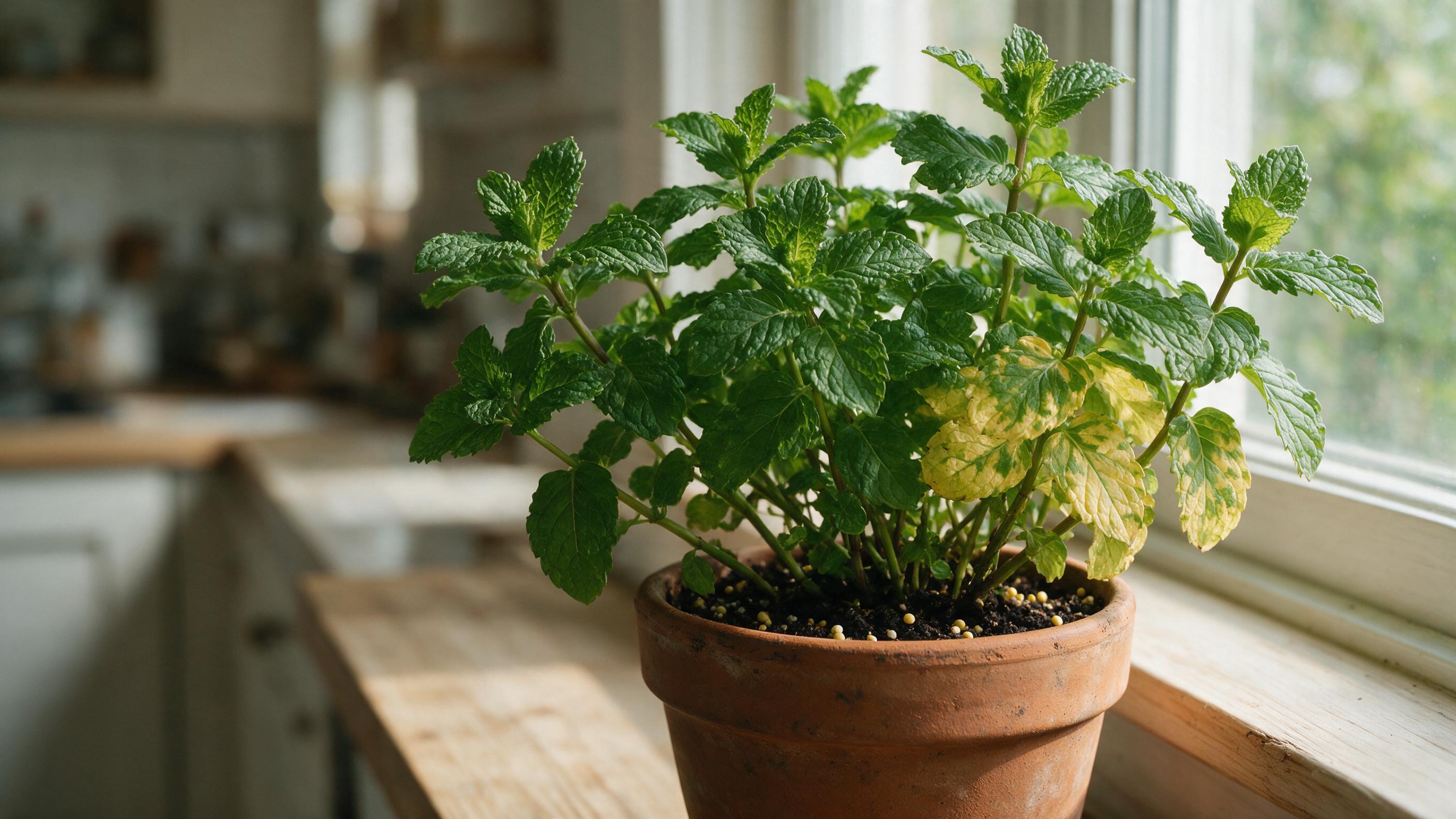
Mint is one of the easiest herbs to grow in the United States — you can tuck it into a container on a sunny porch, plant it along a garden bed, or keep it thriving on a kitchen windowsill. So when those bright green leaves start fading to yellow, it can feel both alarming and confusing. The good news is that yellowing is almost always fixable once you know what is causing it.
Whether you are growing spearmint, peppermint, or any other variety, yellowing mint leaves — also known as chlorosis — can result from several environmental and cultural factors. This guide walks you through every cause, a simple step-by-step diagnosis method, targeted fixes, and long-term prevention tips so your mint stays lush, fragrant, and harvest-ready.
What Does It Mean When Your Mint Leaves Are Turning Yellow?
Fragrant and flavorful, mint (Mentha spp.) is a hardy perennial herb that often thrives with little care. When mint leaves are turning yellow, you are left wondering what went wrong — and common culprits include improper watering, diseases, and pests.
Yellowing can appear in a few different ways: sometimes the entire leaf takes on a faded, pale yellow shade, while in other cases only the edges yellow first. You might also notice patchy yellow spots scattered across the leaf. Each pattern points toward a different underlying problem, which makes observation your most powerful diagnostic tool.
If newer leaves turn yellow or if yellowing is accompanied by stunted growth and distorted leaf shapes, your mint may be suffering from overwatering, nutrient deficiencies, or pest infestations. Root-bound mint in small pots may yellow due to a lack of nutrients, while yellowing plus black spots might indicate fungal leaf spot.
Pro Tip: Pay attention to where the yellowing starts. Lower, older leaves yellowing gradually is usually normal aging. Yellowing that spreads upward, appears suddenly, or affects new growth almost always signals a care problem worth addressing.
Is Yellowing in Mint Always a Sign of a Problem?
Not always. As mint leaves age, it is normal for the oldest, lowest leaves to turn yellow and drop off. These leaves usually yellow evenly and gradually, starting from the base of the plant upwards. Think of it as the plant naturally shedding its oldest foliage to redirect energy toward new growth.
In contrast, stress or disease is more likely when yellowing appears suddenly or randomly throughout the plant, especially if it is accompanied by other issues. A few yellowing leaves at the base after a long growing season? Probably nothing to worry about. Widespread yellowing across the whole plant, or yellow leaves paired with wilting, spots, or sticky residue? Time to investigate.
Lower leaves naturally yellow first due to aging or nitrogen deficiency. If only a few leaves are affected, it may be normal senescence. However, widespread yellowing suggests underfeeding or overwatering. Use the sections below to narrow down the exact cause before taking action.
Watering Issues Causing Mint Leaves to Turn Yellow
Water balance is the single most common factor behind yellow mint leaves in home gardens across the US. One major culprit is overwatering — mint likes damp soil, not soggy conditions. If you notice consistently wet soil or water pooling in the pot, it is a sign the roots are suffocating, which leads to yellowing leaves.
Mint prefers consistently moist soil but is highly susceptible to root rot if overwatered or planted in poorly draining soil. Yellow leaves often signal waterlogged roots, which suffocate and decay, depriving the plant of nutrients.
Underwatering is just as problematic on the other end of the spectrum. Underwatering can also stress the plant — dry, brittle soil and limp, drooping leaves usually indicate your mint is thirsty. If you missed a few watering days during a hot summer week, the leaves may yellow and wilt before you notice the soil has gone bone dry.
Poor drainage compounds these water issues: if water cannot flow freely from the pot or garden bed, roots sit in moisture and turn leaves yellow. Always check for clogged drainage holes or compacted soil.
Check the soil moisture before watering — stick your finger 1–2 inches deep; if it feels wet, wait. Use well-draining soil and pots with drainage holes to prevent excess water retention. Water when the top 1 inch of soil feels dry — typically every 2–3 days in warm weather, less in cooler months. Always ensure excess water drains freely.
Light Conditions Behind Mint Leaves Turning Yellow
Mint prefers a mix of morning sun and light afternoon shade — about four to six hours of direct sunlight daily is ideal. Too much harsh midday sun can scorch the leaves, while insufficient light may stunt growth and turn new foliage pale.
If your mint is sitting in a spot that gets blasted by afternoon sun in July and August — common across the South and Southwest — the leaves may yellow and crisp at the edges. This is sunscald, and it is especially common for potted mint on south- or west-facing patios. If you are growing mint indoors, placing it near a bright window with filtered light is the right move.
On the flip side, if mint leaves do not get enough sunlight, the leaves will turn yellow. The loss of green color is due to the lack of sun, and you can use a grow light to provide mint leaves with optimum light conditions. This is particularly relevant for indoor growers in northern states during the short days of winter.
For outdoor plants in shaded garden beds, consider trimming overhanging branches to let more light reach the mint. Mint thrives in full sun to partial shade. Indoors, place it near a south-facing window. Outdoors, ensure 4–6 hours of direct sunlight.
Pro Tip: If your indoor mint looks pale and leggy in winter, a simple full-spectrum grow light running 12–14 hours per day can restore color and encourage compact, bushy growth through the cold months.
Soil, Nutrients, and Root Health Causing Mint Leaves to Turn Yellow
Mint thrives best in light, well-draining soil that stays moist but never soggy. Clay-heavy soil can stifle roots and cause leaves to yellow. The ideal pH for mint is between 6.0 and 7.0 — neutral to slightly acidic — which helps the plant absorb nutrients efficiently.
Nutrient deficiencies are a frequent and often overlooked cause of yellowing, especially for container-grown mint. Yellowing leaves can indicate a lack of essential nutrients, particularly nitrogen, iron, or magnesium. Nitrogen deficiency typically causes older leaves to yellow first, while iron deficiency leads to yellowing between leaf veins. Magnesium deficiency shows as yellow patches with green veins.
The pattern of yellowing tells you which nutrient is missing:
- Nitrogen: General yellowing, especially in older leaves.
- Iron: Interveinal chlorosis in young leaves — the leaf turns yellow but the veins stay green.
- Magnesium: Yellow margins with green veins on older foliage.
- Potassium: Yellowing at the leaf edges and tips.
Feed your mint with a balanced, water-soluble fertilizer every 4–6 weeks during the growing season. For iron or magnesium issues, consider adding compost or a targeted supplement like Epsom salts (magnesium sulfate).
Root-bound plants are another common culprit, especially for mint grown in containers. Mint is vigorous and quickly outgrows pots. Root-bound plants show yellowing due to restricted nutrient and water uptake. Repot annually in spring using a container 2 inches larger in diameter.
Mint grows best in slightly acidic to neutral soil (pH 6.0–7.0). Highly alkaline or acidic soil can lock up nutrients, causing yellowing. Test your soil’s pH with a kit and amend it if needed. To lower pH, add peat moss or sulfur; to raise pH, incorporate lime.
Hard water is also worth considering if you live in areas with high mineral content in tap water. Hard water impacts the growth of mint leaves — it causes calcium and salt to build up around the roots, depriving the mint leaves of getting water. If you suspect this is an issue, try using filtered or collected rainwater for a few weeks.
Environmental Stress Triggering Mint Leaves to Turn Yellow
Mint prefers moderate temperatures (60–70°F). Extreme heat or cold can stress the plant, leading to yellow leaves. In hot climates, provide afternoon shade to prevent scorching. In colder regions, protect outdoor mint from frost by mulching or moving potted plants indoors.
Seasonal transitions are a common trigger for yellowing in the US. Wintertime temperatures, less sunshine, and the plant’s natural slowing down of metabolic activities can all cause mint leaves to become yellow. If your outdoor mint starts looking pale in October or November, this is often a normal part of the plant going dormant rather than a sign of disease.
Low indoor humidity — especially when central air conditioning or heating is running — can also stress mint. Mint can suffer from lack of humidity, as in-home humidity with air conditioning is usually around 40%. Grouping plants together, placing a small tray of water nearby, or misting the leaves occasionally can help during dry indoor conditions.
Transplant shock is another environmental stressor worth mentioning. When you repot, divide, or move mint to a new location, the plant may drop or yellow a few leaves as it adjusts. This typically resolves within one to two weeks as the roots settle in.
Pests and Disease Leading to Mint Leaves Turning Yellow
Several common pests and fungal diseases can cause yellowing in mint, and they each leave behind distinct clues.
Common Pests
An aphid infestation can cause mint leaves to turn yellow and can also stunt the growth of leaves or cause them to curl. Aphids — small, soft-bodied insects that are often green, yellow, or black — feed on the leaves and usually gather on the leaf bottoms and stems.
Another potential cause of yellow leaves on mint is the spider mite. Since they love dusty conditions, these pests are more likely to appear under dry conditions when your mint plants are water-stressed. They look like little moving dots and often create webs on the leaves. Spider mites can cause yellow stippling on the leaves and sometimes shedding of the yellow leaves.
Spider mites, aphids, and whiteflies can stress mint plants, causing yellow speckling or stippling. Check the undersides of leaves for tiny insects or webbing.
Common Diseases
The most common fungal disease affecting mint is mint rust, which can cause yellow leaves that have rusty-looking spots on them. The spots are usually raised and might look yellow, brown, or bright orange with a dusty look. Mint rust can also cause leaf tissue to die or can make the leaves fall off the mint plant. When new mint shoots grow, they are often pale or distorted.
Cucumber mosaic virus also results in yellow foliage and can spread throughout the entire plant if not controlled. The viral attack causes the green veins of the leaves to turn yellow. Aphids play a significant role in spreading the cucumber mosaic virus.
Blight is a type of disease that comes in many forms and can impact almost any plant. It can kill the entire plant, cause stunted growth, and turn the leaves different colors. It generally impacts the main stem but can also appear in the lower leaves of the mint plant, forming a bull’s eye pattern of small brown spots with rings around them. If left for a long time, the plant and leaves will start to turn yellow and the plant can die.
Important Note: If your mint is infected with rust or another fungal disease, avoid eating the affected leaves. Yellow leaves caused by sunscald or nutrient issues are generally safe to consume, though they may taste slightly off.
How to Diagnose Why Your Mint Leaves Are Turning Yellow
Before reaching for a fertilizer or fungicide, take five minutes to work through this simple elimination process. Correctly diagnosing the underlying issue is key to restoring your mint plant’s vibrant green health.
- Check soil moisture first. Stick your finger 1 inch deep into the soil. If it feels soggy, overwatering is likely. If it is bone dry, underwatering is the culprit.
- Look at which leaves are yellowing. Oldest, lowest leaves yellowing gradually = normal aging or mild nitrogen deficiency. New leaves or widespread yellowing = a more urgent care issue.
- Inspect the undersides of leaves. Inspect the undersides of leaves for tiny insects, webbing, or sticky residue. These point to a pest problem.
- Check the yellowing pattern. Yellowing between veins = iron or magnesium deficiency. Yellow edges and tips = potassium deficiency. Uniform pale yellow = nitrogen deficiency or insufficient light.
- Review your light exposure. Assess light exposure throughout the day — is your plant getting at least 4–6 hours of light, and is any of it harsh midday sun?
- Examine the roots if needed. Examine roots if root rot is suspected. Healthy roots are white or tan. Brown, mushy, or foul-smelling roots confirm root rot from overwatering.
- Consider recent changes. Did you move the plant, repot it, or change your watering routine? Transplant shock and adjustment periods often cause temporary yellowing.
You can also use a plant identification app or an Android plant care app to help photograph and identify pest damage or disease symptoms if you are unsure what you are looking at.
How to Fix a Mint Plant That Is Turning Yellow
Once you have identified the cause, the fix is usually straightforward. Here is what to do for each scenario.
Fix Watering Problems
If overwatering is the issue, stop watering immediately and allow the soil to dry out. If you have already overwatered your mint plants, consider transplanting them to a new location. If you are using pots, ensure they contain holes at the bottom. For severe root rot, remove the plant from its pot, trim off any brown or mushy roots with clean scissors, and repot in fresh, well-draining soil.
For underwatering, if you missed a few days watering your plant, do not try to overdo it. Water it normally, then do that again the following day if it is still dry. You do not want to drown the plant roots and make the problem worse.
Fix Nutrient Deficiencies
Mint is a hungry plant, especially for nitrogen. A balanced fertilizer, like a 16-16-16 mix, can turn yellow back to green. But do not get heavy-handed — over-fertilization leads to nutrient burn. Apply at half strength and feed every 4–6 weeks through spring and summer.
Fix Light Issues
Move plants getting too much harsh sun to a spot with morning light and afternoon shade. For plants getting too little light, relocate them to a brighter window or add a grow light. Move to a brighter location or use grow lights (200+ foot-candles for 12–16 hours per day).
Fix Pest Infestations
Spray with insecticidal soap or neem oil every 5–7 days until the infestation is resolved. You can also prune all damaged leaves and spray the entire plant with 2 teaspoons of dish soap per gallon of water. Isolate affected plants to prevent pests from spreading to nearby greenery.
Fix Fungal Disease
The best way to control mint rust is to get rid of the infected plants and rhizomes. You can also dig up the healthy plants and move them to a different area. To prevent mint rust, keep the leaves dry by not watering the plants from above. Watering your mint plants earlier allows the leaves more time to dry throughout the day if they get wet.
Fungal diseases such as mint rust or powdery mildew often manifest as yellow spots or patches on leaves. These thrive in humid, overcrowded conditions. Remove infected leaves immediately and improve air circulation around the plant. Avoid overhead watering to reduce moisture on foliage. For severe cases, apply an organic fungicide like copper spray or sulfur powder.
Fix Root-Bound Plants
Repot annually in spring using a container 2 inches larger in diameter. Trim roots if necessary. After repotting, water thoroughly and place the plant in indirect light for a week to reduce transplant stress. You can find guidance on choosing the right container plant types in our guide to types of plants.
Recovery typically takes 1–2 weeks with proper care adjustments. Be patient — do not make multiple changes at once, or you will not know which fix actually worked.
How to Prevent Mint Leaves From Turning Yellow Going Forward
Prevention is far easier than treatment. Once your mint is back to full health, these habits will keep it that way through every growing season.
- Water consistently, not on a schedule. Always check the soil before watering. Check the soil surface regularly to see if it is dry. You want to keep the soil moisture a little damp, but not as wet as a dripping sponge.
- Use well-draining soil and proper containers. Go for a pot with a drainage hole — ceramic or plastic. Fill it with high-quality potting soil, rich in organic matter, and leave some space at the top for water to soak in without spilling over.
- Fertilize during the growing season. Mint benefits from monthly feeding with a balanced liquid fertilizer during the growing season (spring to early fall). Avoid over-fertilizing, which can burn roots.
- Prune regularly. Regular pruning is essential. Pinch off the top couple of inches every few weeks to encourage bushy growth and prevent flowering. Always remove any yellow or dead leaves to keep the plant healthy.
- Inspect weekly for pests and disease. Inspect your mint weekly for pests, disease, or signs of stress like yellowing leaves. Catching problems early — whether by adjusting watering, removing pests, or repotting — can quickly restore vitality and protect your harvest.
- Refresh container soil annually. If your mint is in a container, remember that soil nutrients deplete faster, so refreshing the potting mix annually and adding a bit of extra fertilizer can help.
- Maintain good air circulation. Avoid crowding mint with other plants. Good airflow reduces the risk of fungal diseases like powdery mildew and mint rust, which thrive in damp, stagnant conditions.
- Mulch outdoor plants. If the weather is really hot, surrounding soil with organic mulch can help with water retention and keeping the soil moist even when it is extremely hot out. This is especially helpful in hot-summer states like Texas, Arizona, and Florida.
- Control weeds. Weeds take nitrogen from the soil, and the leaves turn yellow when nitrogen drops. Keep the area around your mint clear, especially in garden beds.
If you enjoy growing herbs alongside other plants, check out our article on plants to grow with tomatoes for companion planting ideas that can benefit your entire herb garden. And if you are growing mint indoors, our guide to the best houseplants for low-light areas can help you choose the right placement for every plant in your home.
FAQ
Can Yellow Mint Leaves Turn Green Again?
Yellow leaves may occasionally turn green again if the underlying problem — such as a nitrogen shortage or poor maintenance — is quickly resolved. However, leaves that have yellowed due to disease, severe root rot, or physical damage typically will not recover. Remove those leaves and focus energy on encouraging healthy new growth.
Are Yellow Mint Leaves Safe to Eat?
Yellow leaves may have reduced flavor but are safe to consume. However, focus on correcting the issue to improve future harvests. If your plant is infected with rust or another fungal disease, you should avoid eating the leaves.
Why Are Only the Bottom Leaves on My Mint Turning Yellow?
Bottom leaves yellowing gradually and evenly is almost always normal aging. As mint leaves age, it is normal for the oldest, lowest leaves to turn yellow and drop off. These leaves usually yellow evenly and gradually, starting from the base of the plant upwards. Simply remove them and monitor the rest of the plant.
How Often Should I Water My Mint to Prevent Yellowing?
There is no single schedule that works for every climate or container. Water when the top 1 inch of soil feels dry — typically every 2–3 days in warm weather, less in cooler months. Always ensure excess water drains freely. Gardeners in humid southeastern states will water less frequently than those in dry western climates.
Can Pests Cause Yellowing Even When My Mint Looks Healthy Otherwise?
Yes. Spider mites, aphids, and whiteflies can stress mint plants, causing yellow speckling or stippling. Check the undersides of leaves for tiny insects or webbing — these pests are often invisible until the damage is already noticeable. Regular weekly inspections are the best defense.
Why Is My Mint Turning Yellow After Repotting?
Transplant shock is a normal response to repotting. The plant temporarily redirects energy to re-establishing its root system, and a few leaves may yellow and drop in the process. Place the repotted mint in indirect light, water lightly, and give it one to two weeks to adjust before worrying. If yellowing continues or spreads significantly, check the roots for rot or inspect for pests.
What Is the Best Fertilizer for Yellow Mint Leaves?
Feed your mint with a balanced, water-soluble fertilizer every 4–6 weeks during the growing season. A general-purpose balanced formula works well for most deficiencies. If your yellowing pattern suggests a specific deficiency — like iron deficiency showing as interveinal chlorosis — choose a targeted supplement accordingly. Always water the soil before fertilizing to avoid root burn. You can also explore our article on types of leaves to better understand leaf health indicators across different plants.