Why Are My Cucumber Plants Not Producing? Here’s What’s Really Going On

August 31, 2026
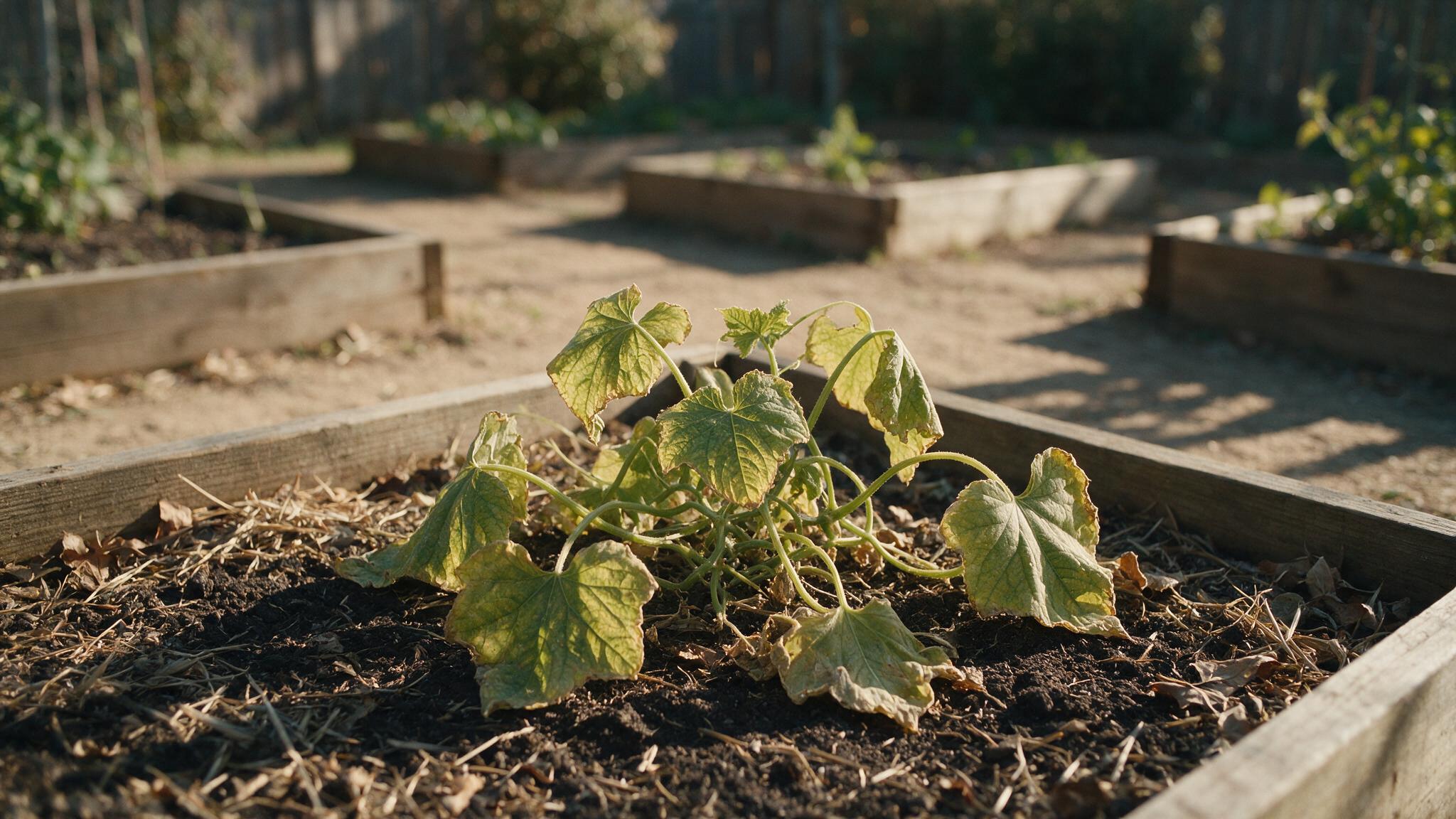
You’ve done everything right — or so it seems. The vines are green, the flowers are bright yellow, and the garden looks like it’s thriving. But week after week, not a single cucumber shows up. It’s one of the most frustrating moments a home gardener can face, and it happens to beginners and experienced growers alike across the United States every summer.
The good news is that a cucumber plant refusing to produce fruit is almost never a lost cause. This is an incredibly common issue, and the problem is usually a simple case of misunderstanding what the plant is trying to do. Once you know what to look for, most of these issues are fixable mid-season — and the ones that aren’t can be fully prevented before next year’s planting.
This guide walks you through exactly what’s happening inside your cucumber plant right now, what’s normal versus what’s a red flag, and what you can do about it — starting today.
What’s Actually Happening to Your Cucumber Plant Right Now
Before you panic, it helps to understand what your cucumber plant is actually doing when it blooms without producing fruit. Cucumber plants produce two kinds of flowers — male and female. They’re both yellow, but only one will give you fruit. Male flowers have a straight stem behind them and no swelling. Female flowers have a tiny bulge just behind the bloom that looks like a baby cucumber.
Cucumber plants typically produce male flowers first to get a head start on pollen production. Female flowers arrive several days later. If you only have male flowers, there’s no way for fruit to form — yet. This is the single most common reason gardeners think something is wrong when their plants are actually right on schedule.
Early in a cucumber plant’s life, most of the flowers it produces are male. On some plants, a whopping 90 percent are male at the first check-in. That’s totally normal. The female flowers show up as the plant matures, usually within 10 to 25 more days of growth.
You can also check the types of cucumber you’re growing, since different varieties produce male and female flowers at very different rates. Knowing your variety is one of the fastest ways to set realistic expectations for when fruit should appear.
Pro Tip: Look closely at the base of each flower before assuming something is wrong. A tiny, cucumber-shaped swelling behind the bloom means it’s female and capable of producing fruit. No swelling? It’s male — perfectly normal, and necessary for pollination.
Is This Normal, or a Sign Something’s Wrong?
Seeing only male flowers during the first few weeks of blooming is completely normal. If you check your cucumber vines early in the season and see lots of bright yellow flowers but no tiny cucumbers forming behind them, do not worry. This is usually a normal part of the plant’s growth cycle. Cucumber plants naturally produce male flowers first, and many vines will keep producing only male blooms for a week or two before female flowers begin to appear.
However, there are situations where the absence of fruit signals a real problem worth addressing. Here’s a quick way to tell the difference:
- Normal: Only male flowers present, plant is less than 4–6 weeks into flowering, weather has been consistent
- Worth investigating: Both male and female flowers are present but flowers keep dropping with no fruit forming
- A clear problem: Female flowers appear but shrivel and fall off within a day or two without any cucumber starting to develop
- A clear problem: Tiny cucumbers begin forming but then yellow and drop before reaching any size
If the tiny fruit behind those flowers starts turning yellow, shriveling, or drying up, the issue may have less to do with the number of blossoms and more to do with whether those flowers are getting pollinated in time — especially once hot weather sets in. That’s when it’s time to dig deeper into what’s actually blocking fruit set.
For a broader look at how different plants behave under stress, the types of plants guide on this site can help you understand which garden vegetables share similar fruiting challenges.
The Real Trigger Behind Your Cucumber Plants Not Producing
Once you’ve confirmed that female flowers are present and still no fruit is forming, you’re dealing with one of a handful of well-understood triggers. The main reasons for cucumber plants producing flowers but not fruit are a general lack of flowers, a lack of pollinators, bad weather and environmental conditions, and nutrient imbalances. Let’s break down each one honestly.
Poor or Missing Pollination
The most common reason your cucumber plant is flowering but not producing fruit is a lack of pollination. For pollination to occur, the pollen from the male flowers must be transferred to the female flowers. Cucumber plants are primarily pollinated by bees, although other insects such as bumblebees and butterflies can also pollinate your cucumber plants.
Cucumber flowers are only open and available for pollination for about a day. Since cucumber flowers usually stay open for only one day, it is best to hand pollinate early in the morning, ideally between 6:00 AM and 9:00 AM when the pollen is freshest. If bees aren’t active during that window — due to heat, pesticide use, or a lack of nearby flowering plants — pollination simply doesn’t happen.
If you suspect pollination is the problem, you can do it yourself. Start by finding a newly opened male flower and an open female flower, which can be identified by the tiny cucumber-shaped swelling behind the bloom. Using a small dry paintbrush or cotton swab, gently collect the yellow pollen from the center of the male flower and brush it onto the center of the female flower. Pollen often needs to be moved multiple times throughout the fruit’s growth for it to fully develop.
Temperature Extremes Shutting Down Fruit Set
Heat is the hidden culprit behind many mid-summer cucumber failures across the US. Cucumber plants grow best when daytime temperatures stay between 75–85°F. When temperatures rise above 90°F for long periods, the plants become stressed and start focusing more on survival than fruit production. Excessive heat can dry out the pollen inside male flowers, making it unable to pollinate female flowers properly. Even well-pollinated flowers may sometimes drop during extreme heat as the plant tries to save water and energy.
Research published in the National Institutes of Health confirms that cucumber is sensitive to high temperatures despite its origin in tropical regions. The optimal temperature for its growth and development is 25–28°C (77–82°F) during the day and 15–20°C (59–68°F) at night.
When temperatures climb above 95°F, pollen loses its ability to fertilize — dropping from 95% viable to just 56%. Cold snaps cause a different but equally damaging problem: below 60°F, cucumber growth slows, and female flower production may pause entirely.
Pro Tip: In most of the continental US, the window between late June and mid-August is when heat-related fruit drop is most likely. If your garden regularly hits 90°F+ during the day, hand pollinate in the early morning before temperatures rise, and consider a 30–50% shade cloth over your plants during the hottest part of the afternoon.
Nutrient Imbalance — Too Much Nitrogen
A lush green cucumber vine with lots of leaves and flowers but no fruit often signals one thing: excess nitrogen. Cucumbers need nitrogen for growth, but too much pushes the plant into leaf production at the expense of flowers and fruit. This is especially common if you’re using high-nitrogen lawn fertilizer nearby or applying general-purpose fertilizer too frequently.
Low levels of phosphorus and potassium also reduce flower quality and fruit set. Switch to a balanced or low-nitrogen fertilizer, ideally labeled 5-10-10 or similar. According to the University of Georgia Cooperative Extension , over-fertilizing encourages vine growth and retards fruiting. Once flowers appear, start with a balanced fertilizer early on, then switch to a formula higher in phosphorus and potassium — not nitrogen.
Other Factors That Can Speed It Up or Make It Worse
Beyond the three primary triggers above, several secondary factors can compound the problem or tip a borderline situation into a full production stop.
Overcrowding and Poor Air Circulation
Cucumber plants need space to thrive — typically 18–24 inches between plants. When crowded, they compete for sunlight, nutrients, and water, often resulting in stressed plants that bloom but don’t fruit properly. Poor air circulation in crowded plantings increases humidity around the foliage, creating ideal conditions for fungal diseases while making it harder for pollinators to access flowers.
Cucumbers grown too close together can create a microclimate of humidity, shade, and crowding that limits fruit set — even if all other factors are perfect. The Old Farmer’s Almanac recommends sowing seeds about 1 inch deep, 12 to 18 inches apart, in rows 4 feet apart.
Inconsistent Watering
Inconsistent watering is a major source of stress. A plant that goes from bone dry to sopping wet is an unhappy plant. Cucumbers are over 90% water, so they need a steady supply to produce fruit. Water deeply and consistently — 2 to 3 times per week depending on weather and soil type. Apply 2–3 inches of organic mulch to regulate soil temperature and retain moisture.
Insufficient Sunlight
Insufficient sunlight can cause your cucumber plant to flower but not produce fruit because cucumbers require a certain amount of light to produce the energy needed for fruit production. If you know that pollination has occurred but your plants are still not producing cucumbers, your problem could be a lack of sunlight. Cucumbers need 6–8 hours of sun per day to produce fruit. When they do not receive this minimum amount, cucumber plants may show signs of stunted growth, weak stems, and a lack of fruit production.
Pests and Disease
Cucumber beetles, aphids, and fungal diseases like powdery mildew can all drain a plant’s energy before it gets to fruiting. Cucumber beetles, aphids, mites, pickle worms, bacterial wilt, anthracnose, powdery and downy mildew, and angular leaf spot are potential problems. The early and continuous control of the cucumber beetle is especially important — it can infect the plant with bacterial wilt as early as the cotyledon stage, causing the plants to wilt and die.
If you’re also growing tomatoes nearby, check out this guide on plants to grow with tomatoes — many of the same companion planting principles that protect tomatoes also benefit cucumbers.
Important Note: Avoid applying broad-spectrum insecticides while your cucumber plants are actively flowering. Avoid using insecticides in the garden when pollinating insects such as bees are working the flowers. Killing off pollinators while trying to control pests is one of the fastest ways to guarantee a fruitless season.
Can You Reverse It?
Here’s the honest answer: it depends on what’s causing the problem, and how far along the season is. Some situations are very fixable right now. Others require you to accept the loss and plan smarter for next year.
| Situation | Can You Fix It Now? | What to Do |
|---|---|---|
| Only male flowers present | Yes — just wait | Female flowers typically arrive within 1–2 weeks; keep watering and feeding normally |
| Poor pollination (bees absent) | Yes | Hand pollinate each morning between 6–9 AM using a small paintbrush |
| Too much nitrogen | Partially | Stop high-nitrogen feeding immediately; switch to 5-10-10 or a phosphorus-forward fertilizer |
| Heat stress above 90°F | Partially | Add shade cloth, water deeply in the morning, mulch heavily — fruit may resume when temps drop |
| Severe overcrowding | Partially | Remove the weakest vines to open up airflow; prune lower leaves below the first flower node |
| Bacterial wilt from cucumber beetles | No | Infected plants cannot recover; remove and dispose of them to protect the rest of the garden |
| Season too far gone (plant exhausted) | No | Pull the plant, amend the soil, and plan for a fall succession planting if your climate allows |
One mid-season fix that works surprisingly well: do a little pruning. Remove the lower leaves below the first flower. This tells the plant to focus less on growing leaves and more on finishing fruit. It’s a small change that can shift the plant’s energy budget meaningfully.
Also, don’t overlook the harvest itself as a production lever. Harvest every day or every other day during peak production. Frequent picking encourages plants to continue flowering and setting fruit. If cucumbers grow too big, the plant thinks its job is done — it produced seeds — and stops producing new fruit.
How to Prevent It Next Season
If this season has been a struggle, the good news is that almost every cucumber production problem is preventable with the right setup. Here’s what to change before you plant again.
Start with Better Soil
Before planting, add about 2 inches of organic matter — aged manure and/or compost — and a complete fertilizer to the area. The soil should be moist but well-draining and have a pH of around 6.5 to 7.0. A soil test can identify specific deficiencies affecting fruit production. Cover crops planted in the off-season help build soil fertility naturally for next year’s cucumber crop.
Choose the Right Variety for Your Situation
Variety selection is one of the most underrated decisions in cucumber growing. If you consistently struggle with pollination — whether from a lack of bees, a balcony garden, or a greenhouse setup — consider switching to a parthenocarpic variety. Parthenocarpic cucumber varieties like ‘Diva,’ ‘Sweet Success,’ and many English cucumbers can produce fruit without pollination, making them a great choice for greenhouses, rainy climates, or gardens with few bees.
If you want maximum fruit production through natural pollination, gynoecious varieties are bred to produce mostly female flowers, which helps plants set fruit earlier and more heavily. Popular gynoecious varieties include ‘County Fair,’ ‘Excelsior,’ and ‘Calypso.’ Browse the full types of cucumber guide to match the right variety to your garden style and climate.
Time Your Planting Correctly
Don’t plant cucumbers when the soil is still chilly — they hate cold feet. Wait until it’s 60°F or warmer. In colder areas, start seeds indoors and move them out after the last frost. According to the Old Farmer’s Almanac , outdoors, sow or transplant when soil is about 70°F, and no earlier than 2 weeks after the last frost date.
For gardeners in hot-summer states like Texas, Arizona, or the Southeast, the timing strategy actually flips. Hot-climate gardeners should plant early — about two weeks before the last spring frost date — and protect seedlings through minor cold fronts to avoid losing plants later to heat and pests.
Set Up Your Garden to Attract Pollinators
Pollinators are not optional for most cucumber varieties — they’re essential. Once the temperature reaches 90°F, many bees slow down and pollinate less. This can be especially pronounced in crops like cucumbers, whose small flowers aren’t particularly attractive to many bees.
To counteract this, plant pollinator-friendly flowers near your cucumbers. Marigolds, sunflowers, and native wildflowers all help draw bees into the garden. You can help increase the success of natural insect pollination by increasing the number of flowers and planting a diverse garden. Also avoid broad-spectrum pesticide applications during peak bloom times.
Rotate Your Crops Every Year
Rotate your crops every season — don’t plant cucumbers in the same spot every year. It keeps pests guessing. Cucumber beetles and soil-borne fungal diseases build up in soil where cucumbers grew the previous season. Moving your planting location by even a few feet makes a measurable difference in plant health and yield.
For more ideas on companion planting that supports healthy vegetable production, the guide on plants to grow with tomatoes covers many of the same beneficial pairings that work well alongside cucumbers too.
Frequently Asked Questions
Why Does My Cucumber Plant Have Lots of Flowers but No Cucumbers?
The most likely explanation is that you’re seeing only male flowers, which are always the first to appear. Cucumber plants are programmed to produce a wave of male flowers first, for about one to two weeks, before the female flowers begin to appear. It’s the plant’s way of ensuring there will be plenty of pollen ready when the females arrive. If both flower types are present and still no fruit is forming, check for pollination problems or heat stress.
How Do I Know If My Cucumber Flower Was Pollinated?
Cucumbers typically begin to form within a few days after successful pollination. Depending on the variety, cucumbers will be ready to harvest anywhere from 10 to 20 days after the flower is pollinated. If the flower withers and falls off without any fruit development, it’s likely that the flower was not pollinated.
Can Heat Really Stop My Cucumbers from Producing?
Yes — and it’s more common in American gardens than most people realize. Persistent heat over 90°F can cause cucumbers to have poor pollination, drop blossoms, and for plant and fruit growth to slow. The plant is essentially trying to conserve as much energy as possible while under stress. As temperatures start to cool off a bit, you may find that your cucumber plants start to recover and begin to produce fruit.
Should I Be Worried If Flowers Are Falling Off My Cucumber Plant?
Not necessarily. Male flowers naturally fall off after a day or two — that’s normal. Male cucumber flowers only stay on the plant for about a day before they fall off. Don’t be discouraged, since this is normal and the plant will produce more. However, if female flowers (the ones with a tiny cucumber behind them) are dropping before any fruit develops, that points to a pollination failure or stress-related flower drop worth addressing.
What’s the Fastest Fix for a Cucumber Plant Not Producing?
Hand pollination is the fastest intervention available to you right now. If your hand pollination has been successful, you will see fruits forming within a few days. Combine that with a switch to a phosphorus-forward fertilizer and consistent deep watering, and most plants will respond within a week or two — as long as the season still has enough warm days ahead.