Why Your Peace Lily Is Not Blooming (And What You Can Actually Do About It)

September 24, 2026
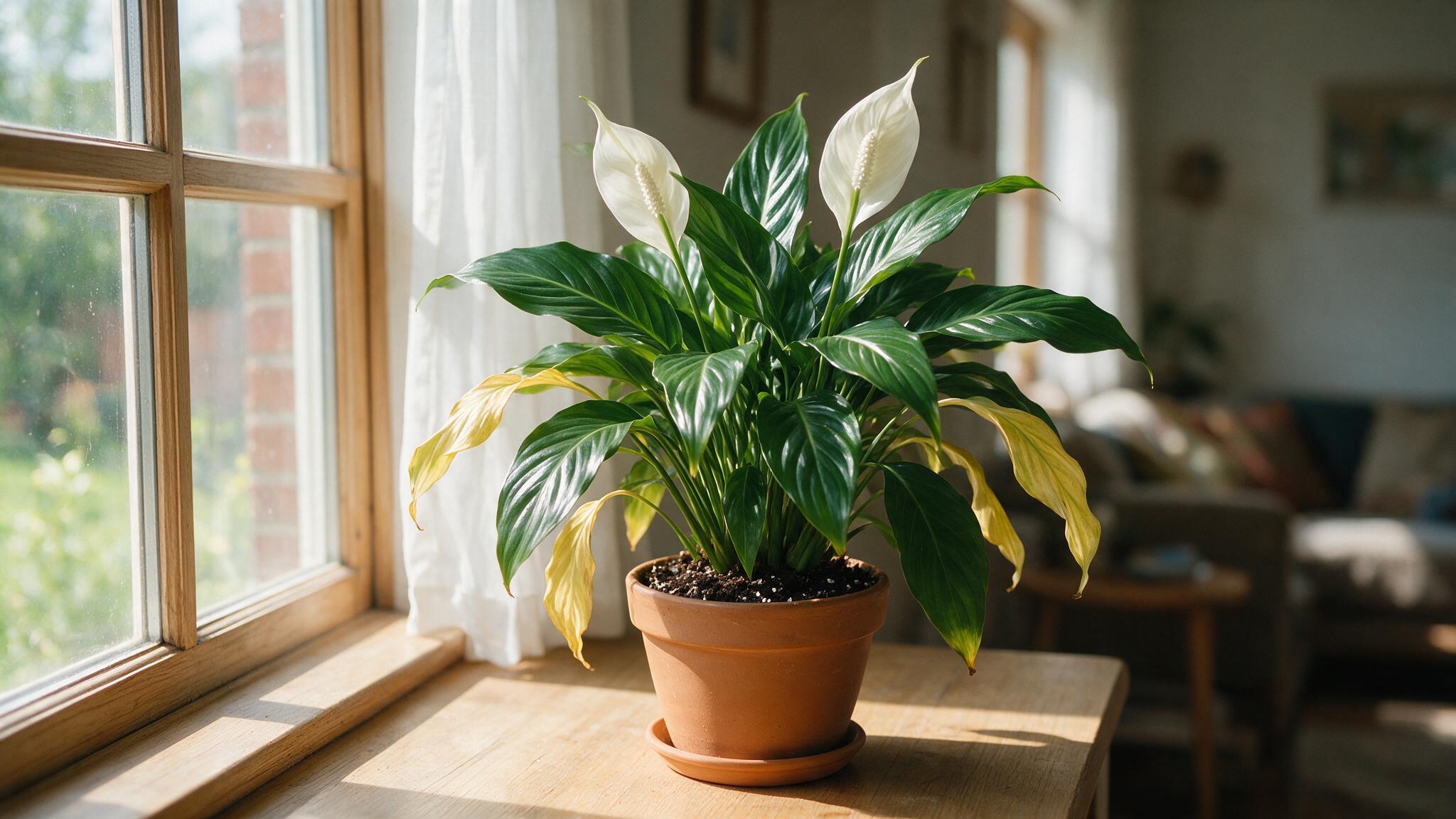
You brought home a peace lily covered in those elegant white spathes, found it the perfect spot on your shelf, and took good care of it — and then the flowers just never came back. Sound familiar? You’re not alone, and more importantly, you’re probably not doing anything wrong.
Peace lilies are one of the most popular houseplants for low-light areas in the United States, but their blooming behavior confuses even experienced plant owners. The gap between what they do at the nursery and what they do at home is surprisingly wide — and once you understand why, the whole situation makes a lot more sense.
This guide walks you through exactly what’s happening with your plant right now, what’s normal versus what needs fixing, and how to give your peace lily its best shot at flowering again.
What’s Actually Happening to Your Peace Lily Right Now
Here’s the part most care guides skip over: purchased peace lilies have been forced to bloom. Professional growers treat the plant with gibberellic acid — a plant hormone that drives blooming, among other things. It’s a natural product derived from the Gibberella fujikuroi fungus that occurs on rice plants.
After spraying the plant with this hormone, the flower is produced around 70 days later. The plants generally bloom in mid-spring, around April, with the flower lasting over a month. That’s the gorgeous display you saw at the store — and it was essentially a one-time performance triggered by chemistry, not by ideal conditions in your home.
This treatment artificially triggers flowering, which is why the plant you bring home is often covered in spathes that look almost too good to be true. Once those spathes finish, the plant returns to its natural rhythm, which is more restrained.
Key Insight: If your peace lily was small, bloomed beautifully for a month or two after you bought it, and then went silent — that’s almost certainly the gibberellic acid wearing off. You didn’t fail your plant. The nursery just gave it a head start you can’t replicate at home.
You cannot replicate gibberellic acid treatment at home, and its absence is not a sign of failure — it’s just the plant being honest. That said, peace lilies do bloom reliably in good conditions. The peace lily (Spathiphyllum spp.) is a tropical aroid native to the rainforests of Colombia and Venezuela, and understanding what it actually needs in those environments is the key to getting it to flower again.
Is This Normal, or a Sign Something’s Wrong?
Not blooming is extremely common, and in many cases it’s completely normal. The question is whether your plant is simply waiting for better conditions, or whether something is genuinely off.
A peace lily must be several years old before it will flower. While studies have shown younger plants produce more flowers, very old plants may simply stop producing blooms. Young plants will generally produce a bloom in about 15 months in perfect conditions. If your plant was flowering when you purchased it despite being small and young, it was likely given gibberellic acid to force it to blossom. You can be fairly certain this was the case if the plant is small, was blooming when you bought it, continued to bloom for a month or two, and then hasn’t bloomed again.
On the other end, peace lilies can live for years, but if you’ve had yours for nearly a decade, it’s entirely possible that your plant is just too old to send up flowers. That’s not a care failure — it’s a natural part of the life cycle.
The clearest sign that something is genuinely wrong (beyond age) is when the rest of the plant also looks unhealthy. Healthy roots are firm and white; rotted roots are brown, mushy, and smell sour. If your plant is drooping, yellowing, or declining alongside its refusal to bloom, that points to a care issue worth diagnosing — not just patience.
| Situation | Likely Cause | Normal? |
|---|---|---|
| Bloomed once at purchase, never again | Gibberellic acid wore off | Yes — very common |
| Plant is under 2 years old, no blooms | Too young to flower naturally | Yes — needs time |
| Plant is 8–10+ years old, no blooms | Reached end of reproductive lifespan | Yes — natural aging |
| Healthy plant, 2–5 years old, no blooms | Insufficient light, temperature, or nutrients | No — fixable |
| Drooping, yellowing, no blooms | Root rot, overwatering, or severe stress | No — needs attention |
The Real Trigger Behind Peace Lily Blooming
Once the gibberellic acid effect is out of the picture, one factor matters more than anything else: light. Almost every peace lily care guide says this plant thrives in “low light.” That’s technically true, but it creates a misleading expectation. A peace lily will survive in low light. It will grow slowly, produce dark green foliage, and look decent. But it probably won’t bloom.
Medium indirect light — an east-facing window or a few feet from a south window — is the sweet spot for peace lily care. It delivers healthy growth, regular blooming from spring through fall, and good leaf color. Peace lilies tolerate very low light, down to 20 foot candles, but at such low levels they probably will not flower.
The plant also responds to seasonal light cues. Peace lily is a short-day response plant, so plants will begin to form buds in the cooler season and fully flower when the days become longer. The natural bloom season runs from spring through early summer. If you move the plant to better light in late winter, you’re setting it up perfectly for its natural flowering window.
Pro Tip: If your peace lily hasn’t bloomed in over a year and the foliage looks healthy, move it to a spot with medium indirect light — ideally near an east-facing window. According to ClassyPlants , this single change fixes the majority of non-blooming cases.
Temperature and humidity also play a direct role. Aim for temperatures in the mid to high 70s to low 80s Fahrenheit (75–85°F) during the day to help trigger flowering and keep your peace lily blooming. The ideal range is 65–80°F during the day, never below 55°F at night. Humidity between 40–60% is ideal — below 30% leads to brown tips.
Finally, the plant’s age and pot situation both feed into its willingness to flower. A slightly pot-bound peace lily is more likely to flower than one recently moved into a large container. The mild stress of constrained roots appears to trigger the plant’s reproductive impulse. This is the opposite of what most people expect — but it’s well-supported by grower experience.
Other Factors That Can Speed It Up or Make It Worse
Once light and temperature are in order, a few additional variables can either push your plant toward blooming or quietly hold it back.
Fertilizer balance matters more than quantity. Weak-looking flowers or no flowers indicate that the plant is not getting enough fertilizer. Peace lilies need high phosphorus levels to bloom consistently, so switch to a fertilizer for flowering plants. If you’ve been using a high-nitrogen formula to encourage leafy growth, that can actually work against flowering. Feed your peace lily with a balanced, water-soluble houseplant fertilizer every 4–6 weeks from spring through summer. Avoid over-fertilizing — too much can damage the roots and make flowering even less likely.
Watering habits affect more than just root health. Another common reason peace lilies don’t flower is inconsistent watering. Poor watering habits can lead to a stunted plant and no flower growth. Peace lilies grow best in moist, well-drained soil, but they shouldn’t be too wet. Water when the top inch of soil feels dry — roughly every 7–10 days in most US homes, though this varies by season and humidity.
Tap water chemistry is a sneaky stressor. Tap water with high chlorine or fluoride can cause leaf browning and stress. Water your plant with filtered water, as peace lilies are sensitive to chemicals like fluoride found in tap water. In many US cities with heavily treated municipal water, switching to filtered or collected rainwater can make a noticeable difference in overall plant health — and a healthier plant is more likely to bloom.
Pests and old soil quietly drain energy. Mealybugs, aphids, or fungal issues can sap your plant’s strength. Inspect leaves and soil regularly and treat with appropriate insecticides or fungicides if needed. Old, compacted soil can suffocate roots and limit nutrient uptake. Repot your peace lily every 2–3 years, or replace the top few inches of soil annually.
Skipping deadheading delays the next flush. Once a spathe fades from white to green and then to brown, cut the stalk at the base. Removing old flower stalks signals to the plant to produce new ones — leaving them on delays the next flush.
If you’re also managing curious pets around your plant, it’s worth knowing that keeping cats away from houseplants is a smart habit — peace lilies contain calcium oxalate crystals that can irritate a cat’s mouth and digestive system.
Can You Reverse It?
Here’s the honest answer: it depends on why your peace lily isn’t blooming. Some situations are fully reversible. Others aren’t — and knowing the difference saves you a lot of frustration.
What you can fix: If light is the issue, moving the plant to a brighter indirect spot is a straightforward fix — but give it time. Flowering may not return until the following natural bloom season (typically spring). If the plant was root-bound or root-rotted before repotting, recovery may take a full growing season before it looks its best. Adjusting fertilizer, improving watering consistency, and boosting humidity are all reversible with patience.
What you can’t undo: If your plant is under two years old, no amount of care will rush its maturity — it’s safe to assume that any plant in a six-inch pot or smaller is too young, and you’ll just need to give it a few years to mature. If your plant is nearing the end of its lifespan after a decade or more, it will reach the end of its lifespan and stop flowering — this is completely normal and part of the plant’s life cycle.
Root rot is the hardest to reverse. Never let a peace lily sit in a saucer of standing water. Root rot moves fast — soggy conditions cause roots to turn black and mushy, and recovery requires emergency repotting and root pruning. If you catch it early and remove the affected roots, the plant can recover, but flowering will be the last thing to return — often not until the following spring.
Important Note: The store-level bloom density you saw at purchase is not a realistic baseline for home growing. Even a perfectly healthy, well-cared-for peace lily will produce fewer flowers at home than it did under nursery conditions. That’s not failure — that’s reality. A plant that reliably puts out one or two spathes per season is doing exactly what it should.
For perspective on how peace lilies compare to other types of plants in terms of care demands, they remain one of the more forgiving options — even when they’re being stubborn about blooming.
How to Prevent It Next Season
The good news is that most of what drives a peace lily to bloom is straightforward to set up — it just needs to be in place consistently before the natural flowering window arrives in spring.
Here’s a practical setup to work toward:
- Reposition by late winter. The natural bloom season is spring through early summer. If you move the plant to better light in late winter, you’re setting it up perfectly for its natural flowering window. An east-facing window or a spot a few feet from a south-facing window works well in most US homes.
- Switch to a bloom fertilizer in early spring. If you haven’t been feeding your peace lily at all, or have been using a high-nitrogen formula for foliage, both may prevent flowering. Fertilizer helps fuel flowering, but some formulas are made to encourage foliage growth, not flowers. Shifting to a flower or bloom fertilizer will help encourage flowering.
- Keep temperatures consistently warm. Temperatures below 65°F suppress flowering. Keep the plant in consistently warm conditions, away from cold windows and vents. In many parts of the US, air conditioning vents are a surprisingly common culprit — keep the plant away from direct cold airflow.
- Don’t rush to repot. One of the most common mistakes with peace lilies is repotting on autopilot — moving the plant every year simply because “that’s what you do.” Peace lilies actively benefit from being slightly root-bound. A snug pot triggers mild stress that promotes flowering; a plant given too much room too soon puts all its energy into growing roots rather than producing spathes.
- When you do repot, size up carefully. The right increment is 2–3 inches larger in diameter than the current pot. A plant in a 6-inch pot moves to an 8-inch. A plant in a 4-inch nursery pot moves to a 6-inch. No larger.
- Deadhead spent flowers promptly. Don’t leave faded spathes on the plant. Snip them at the base of the stem as soon as they turn brown to redirect the plant’s energy toward new growth.
- Use filtered water consistently. The keys to success include bright indirect light for flowering, fluoride-free water for clean leaf tips, and enough humidity to remind it of its Colombian rainforest origins. A simple pitcher filter works well for most US households.
If you enjoy identifying and caring for a range of indoor plants, the best iPhone apps for identifying plants and the best Android apps for identifying plants can help you diagnose issues and explore similar tropical varieties that might complement your peace lily.
FAQ
Why did my peace lily bloom at the store but not at home?
When you pick up your peace lily at the store, it’s often blooming, and you might assume it will just keep doing so. However, commercial growers often use a natural hormone called gibberellic acid to force the plants to bloom, rather than them doing so naturally. Once that hormone wears off, the plant needs proper home conditions — especially good indirect light — to bloom on its own.
How long does it take for a peace lily to bloom naturally?
Peace lilies often won’t flower until they’re 1 to 3 years old. Give it time and the right conditions, and your peace lily may just start flowering with age. Peace lilies should bloom in the spring and again in autumn, producing flowers that typically last one to two months.
Can I use gibberellic acid at home to force blooming?
According to Florida University Extension, gibberellic acid, a naturally occurring plant hormone extracted from fungi, can promote flowering in peace lilies. However, plants are extremely sensitive to gibberellic acid, and its overuse can cause them to wilt and die. Most experienced growers recommend focusing on light and care conditions instead, as these produce sustainable blooms without the risk.
My peace lily looks healthy but still won’t bloom. What should I do?
Light is almost always the answer. The single biggest reason peace lilies don’t bloom indoors is that they need medium to bright indirect light to produce flowers. If your plant has been sitting in a dark corner for months, it simply doesn’t have enough energy to bloom. Move it closer to a window with filtered light and give it 6–8 weeks before expecting results.
Should I repot my peace lily to get it to bloom?
Not necessarily. Peace lilies generally need repotting every one to two years, but there’s an important nuance: unlike many houseplants that sulk when root-bound, peace lilies are happier slightly constrained. A snugly potted peace lily flowers more readily than one with plenty of room to grow. So there’s no urgency to upsize the moment you see roots — wait for clear signals.
Is it normal for a peace lily to only bloom once a year?
Yes. Peace lilies produce blooms once the growing season begins and may occasionally produce a flower in early fall. Getting two annual blooms requires exacting conditions that mimic those of their native range in the tropical forests of Colombia and Venezuela. One reliable spring bloom is a success for most home growers.
For more ideas on building out your indoor plant collection beyond peace lilies, explore different types of rubber plants, types of spider plants, and other low-maintenance tropical options that thrive in similar conditions. You can also browse different types of aloe vera plants if you’re looking for something even more drought-tolerant for bright spots in your home.