
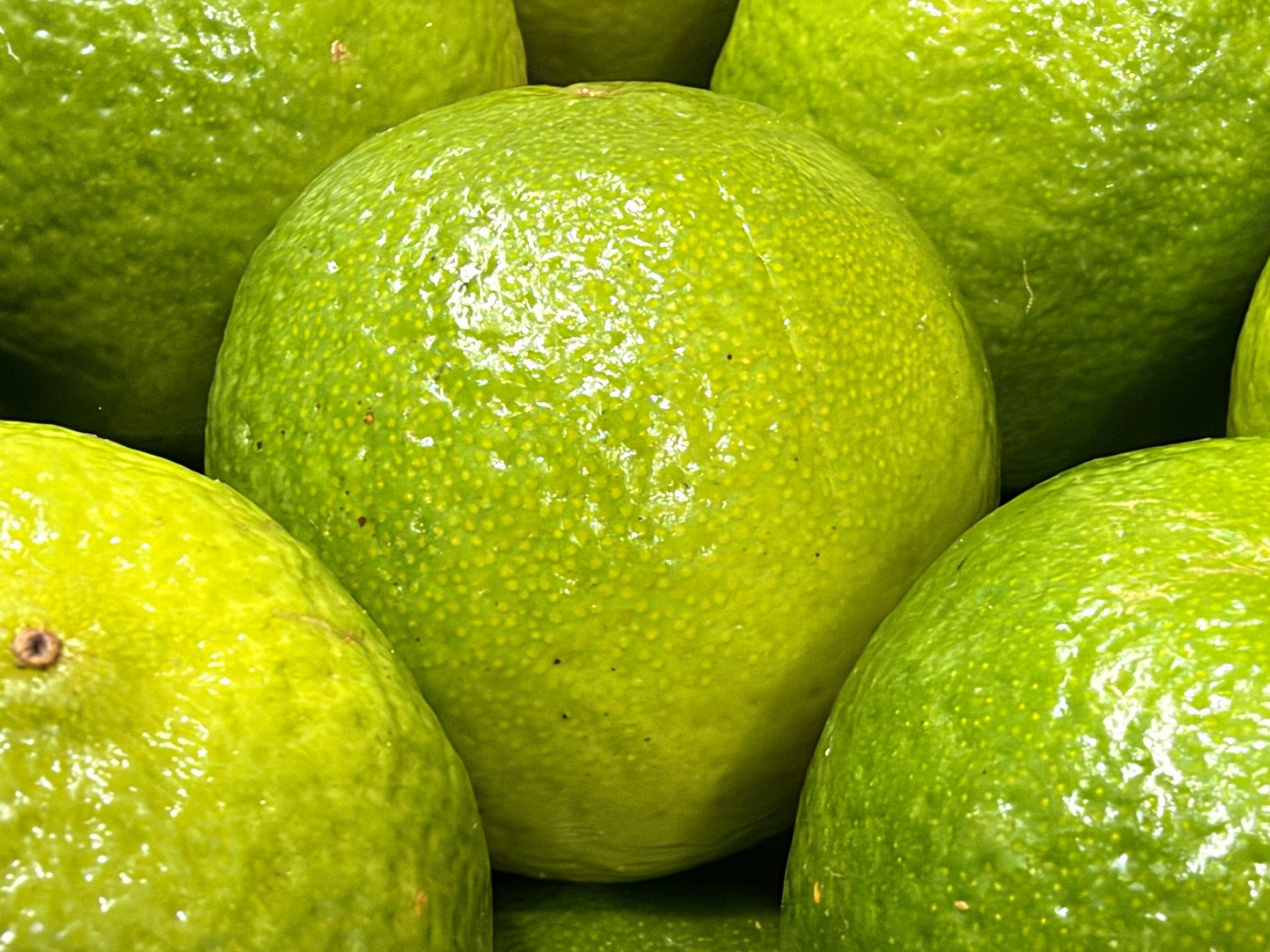
Bought a whole bag of limes for one recipe and now watching the rest slowly shrivel in your fridge? You are not alone. If you have ever bought a full bag of limes for one recipe and watched the extras slowly dry out, freezing is the answer. The good news is that limes are one of the most freezer-friendly fruits in your kitchen.
Freezing limes lets you stock up when prices are low, reduce food waste, and always have fresh citrus flavor on hand for everything from weeknight marinades to weekend margaritas. Freezing limes is an efficient method to extend their shelf life while maintaining their tangy flavor and nutritional value — and when done correctly, they can be preserved for use well beyond their typical expiration date.
Whether you want to freeze them whole, slice them for drinks, or turn the juice into convenient cubes, this guide covers every method, storage timeline, and tip you need.
Can You Freeze Limes?
Yes — absolutely. Not only can you freeze limes, but freezing them is easy and you have a lot of options. Limes can be frozen whole, cut into wedges, sliced into wheels, or juiced. You can even freeze just the zest on its own.
Unlike most fruits, lemons and limes do not continue to ripen once picked — so your goal, once you have them home, is to keep them moist and juicy or freeze them to seal in the freshness. Freezing stops that clock entirely.
Limes typically last up to two weeks at room temperature and up to four weeks when refrigerated. If properly stored in the freezer, they can last up to six months. That is a significant difference when you are trying to get the most out of a bulk purchase.
Pro Tip: Before you freeze anything, always wash limes thoroughly under running water and dry them completely. Grocery store limes often have a wax coating or pesticide residue on the skin that you want to remove before freezing — especially if you plan to zest them later.
Does Freezing Change the Texture or Taste of Limes?
Freezing preserves flavor well, but it does change texture — and knowing that upfront helps you use frozen limes in the right situations. Limes freeze well, but their texture changes. Once thawed, the flesh and peel will be softer than a fresh lime — which means frozen limes are not the best choice when you need a crisp, pretty garnish.
Frozen lemons and limes are almost easier to zest, and once thawed they will release their juice more readily because, as with any fruit or vegetable, freezing and thawing weakens the cell walls. That softening is actually a benefit when you are juicing them.
On the flavor side, the news is better. Frozen limes are especially convenient because the freezing method preserves their acidity and zesty taste. Freezing limes, lime juice, or zest does cause some loss of nutrients, particularly vitamin C, but the decrease is typically minimal, especially if properly stored — and the overall nutritional profile remains largely intact.
The bottom line: frozen limes work great for cooking, juicing, cocktails, and baking. They are not ideal as fresh-cut garnishes on a plate, but for almost every other use, they perform just as well as fresh.
How to Freeze Limes the Right Way
There are four main methods, and the right one depends on how you plan to use your limes later. Many home cooks keep a mix of all four in the freezer for maximum flexibility.
Method 1: Freeze Whole Limes
This is the simplest approach and a great default when you are short on time. Freezing whole limes is the simplest method, requiring minimal preparation — and it is best for situations where you need the zest later, or if you want to thaw the lime to juice it.
- Wash the limes well under running water to remove wax, dirt, or residue.
- Dry them completely with a clean towel and let them sit on the counter for about 20 to 30 minutes so the peel is fully dry.
- Place the whole limes in a freezer-safe bag or airtight container, press out as much air as possible, label with the date, and freeze.
One bonus with whole limes: you do not have to defrost them if you simply want some zest. You can take the lime out of the freezer, quickly zest some of the peel, and then place it back into the freezer bag — meaning you do not have to waste a whole lime just to get a small amount of zest.
Method 2: Freeze Lime Slices or Wedges
Freezing lime slices or wedges is ideal for adding a citrusy touch to beverages or using them as garnishes. The key step here is flash-freezing them first so they do not clump together.
- Wash and dry the limes, then slice into even rounds about 1/4 inch thick, or cut into wedges.
- Place the slices in a single layer on a parchment-lined baking sheet and freeze until solid, about 2 to 3 hours.
- Transfer the frozen slices to a freezer-safe bag, press out the air, label, and freeze.
By flash-freezing the limes first, you ensure they do not stick together when stored in the freezer bag — meaning you can pick out one lime slice at a time without having to defrost the whole batch.
Method 3: Freeze Lime Juice in Cubes
This is the most practical method if you cook with lime juice often. Juice cubes let you grab exactly the amount you need without thawing anything.
- Zest the limes first if you want to save the zest, then cut them in half and juice them.
- Squeeze the juice out with a juicer and pour it into an ice cube tray. Once the juice has frozen, transfer the cubes into a freezer bag, making sure to label the bag with the date.
A standard ice cube tray often holds about 1 to 2 tablespoons per cube — it is worth measuring your tray once so you know exactly how much lime juice you are adding to recipes.
Method 4: Freeze Lime Zest
Do not skip the zest. Lime zest carries a lot of flavor and freezes beautifully when stored well.
- Wash and dry the limes, then use a microplane or fine grater to remove only the green outer peel. Avoid grating too deeply into the white pith, which can taste bitter.
- Place the zest in a small freezer-safe container or bag, press out excess air, label, and freeze.
You can also combine methods: freeze small portions of zest in an ice cube tray with a little lime juice — a great option when you want a flavor cube for marinades, rice, sauces, or cocktails.
Pro Tip: Always zest your limes before you juice them and before you freeze them whole. Always zest before you thaw because once the fruit is soft post-thawing, zesting can be difficult.
How Long Can You Freeze Limes?
Storage time varies depending on the form. Here is a quick breakdown based on multiple sources:
| Form | Best Quality Window | Maximum Safe Storage |
|---|---|---|
| Whole limes | 4–6 months | Up to 12 months |
| Slices / wedges | 2–3 months | Up to 12 months |
| Lime juice cubes | 3–6 months | Up to 12 months |
| Lime zest | 2–3 months | Up to 6 months |
For the best flavor and texture, use frozen limes within 4 to 6 months. They may remain safe longer if kept properly frozen, but the flavor and texture are best earlier.
Keep in mind that the zest and peel of the limes will begin to dry out after 3 months. It will still be fine to use after this time, but you might not get as much flavor out of the zest as you would want to. The juice and the actual flesh of the limes will still be good to use after 3 months — just aim to use everything within a year for best results.
Always label your bags with the freeze date. Always label your freezer bag with the date so you are not guessing later. A permanent marker on the bag takes two seconds and saves a lot of guesswork.
How to Thaw Frozen Limes
The best thawing method depends on how you plan to use the limes and how much time you have. You have several options:
- Refrigerator overnight: Transfer them to the refrigerator and let them defrost overnight. This is the gentlest method and works well for whole limes you plan to juice.
- Room temperature: Let them sit at room temperature until soft enough to cut and squeeze. This takes about 30–60 minutes for whole limes.
- Cold water bath: You can submerge the lime in cold water, which should shorten the defrosting time by about a third.
- Microwave (quick method): If you need a frozen lime quickly, microwave it in short 10 to 15 second intervals until it softens slightly. Do not overdo it — you want the lime softened enough to juice, not hot or mushy.
For lime juice cubes and zest, no thawing is needed in most cases. You can use frozen zest directly in cooking with no thawing needed. The same goes for frozen lime juice — just pop a couple of frozen lime juice cubes from the ice cube tray and add to your favorite drinks or dishes.
One important tip if you want zest from a frozen whole lime: zest it after it has thawed for a few minutes but while still semi-frozen. Once totally thawed it is squishier and harder to zest or grate the peel.
Can You Refreeze Limes After Thawing?
It is not recommended. Refreezing limes is strongly advised against. Unfortunately, you pull moisture out of the lime in all forms when you freeze it. When you refreeze it, you remove even more moisture — and when you remove moisture, you also remove flavor. By refreezing limes, you will be left with bland, dry limes.
Do not refreeze thawed limes. Refreezing can compromise the texture and flavor of the limes. Instead, plan your portions before freezing to avoid this situation altogether.
The best strategy is to freeze limes in individual portions or small batches so you only pull out what you need. Juice cubes are ideal for this — you grab one or two at a time, and the rest stay safely frozen. The same goes for pre-frozen lime slices and wedges, which you can remove one at a time thanks to the flash-freeze step.
Pro Tip: If you froze whole limes and only need the zest, you do not have to thaw the whole lime at all. Zest it straight from the freezer, then return the lime to the bag. No refreezing issue, no waste.
How to Use Frozen Limes (Best Uses After Freezing)
Once you have a stash of frozen limes in your freezer, you will find uses for them everywhere. Here is where they shine most:
- Cocktails and mocktails: Frozen lime slices are perfect for drinks — add them directly to sparkling water, iced tea, tonic, margaritas, mocktails, or cocktails. They chill the drink while adding flavor.
- Marinades and sauces: Lime juice cubes drop straight into a hot pan or marinade bag. They are perfect for taco marinades, peanut lime sauce, or a quick citrus vinaigrette.
- Baking: Frozen limes are versatile and suitable for drinks, sauces, and desserts providing a refreshing taste and aromatic zest. They can also be used in baked goods, offering a concentrated lime flavor. Think lime bars, key lime pie filling, or citrus pound cake.
- Guacamole: A frozen lime juice cube stirred into fresh guacamole works just as well as squeezing a fresh lime — and it also helps slow browning.
- Soups and broths: Drop half a frozen lime into a simmering soup or broth for a bright citrus lift. Just fish it out before serving.
- Smoothies: You can use frozen limes for their juice or blend them whole and add them to smoothies, limeade, or baked goods.
Lime zest from the freezer works exactly the same as fresh zest in any recipe. Like lime juice, you can use frozen lime zest exactly the same way you use fresh or store-bought lime zest. Sprinkle it directly from the freezer — it thaws in minutes once it hits warm food. For more ideas on cooking with nutritious ingredients, check out this guide to whole plant-based foods and how to make the most of fresh produce.
Signs That Frozen Limes Have Gone Bad
Properly frozen limes stored in airtight bags rarely go bad in the traditional sense, but quality can decline. Here is what to look for before using them:
- Severe freezer burn: White or grayish dry patches on the surface indicate the lime has lost moisture to freezer burn. The affected areas will taste bland or papery. When freezing limes, it is important to ensure they are well-wrapped or placed in airtight containers to prevent freezer burn.
- Off odor: A sour or rancid smell is a key indicator that the limes have spoiled and should not be consumed. Frozen limes should still smell citrusy when you open the bag.
- Mold: Old limes may develop white, green, dark brown, or black mold. The mold may be furry or look wet, and it usually develops on the outer skin but may be inside the lime as well. Discard any lime with visible mold.
- Discoloration: Spoiled limes may exhibit a brownish color or lose their uniform green shade, instead displaying yellow skin. Some yellowing after long freezer storage is normal, but brown or black patches signal spoilage.
- Significant flavor loss: If you notice any significant changes in color, texture, or odor, it is best to discard them. A thawed lime that tastes flat and barely citrusy has likely been in the freezer too long.
The easiest way to avoid all of these issues is to label every bag with the freeze date and use limes within the recommended window. The quality of the limes before freezing directly impacts the quality after thawing — select limes that are firm, heavy for their size, and have smooth, unblemished skin. Starting with the best limes gives you the best results on the other end. If you are interested in other foods that support your overall health, explore this overview of superfoods for a healthy heart or learn about powerful nutrients and foods that fight cancer.
Frequently Asked Questions
Can You Freeze Limes Whole Without Cutting Them?
Yes, you can freeze lemons and limes whole. Wash and dry the fruits thoroughly before placing them in a freezer bag. Whole frozen citrus fruits are best used for zesting or juicing after thawing, as the texture may change.
Does Freezing Limes Affect Their Juice Yield?
Actually, the opposite is true. Frozen limes, once thawed, will release their juice more readily because freezing and thawing weakens the cell walls. You often get more juice from a thawed frozen lime than from a fresh one squeezed at room temperature.
Can You Use Frozen Lime Slices Directly in Drinks Without Thawing?
Yes. Use frozen lime slices straight from the freezer. They will soften as they thaw, so they work best in drinks rather than as a fresh garnish on a finished plate. They also double as ice, keeping your drink cold longer.
How Should You Store Limes in the Fridge if You Are Not Freezing Them?
Store limes in a Ziplock bag in the crisper drawer to stop them from drying out. That way, they can last between 3 to 4 weeks. Once cut, use them within 3 to 5 days.
Can You Freeze Key Limes the Same Way?
Yes, key limes freeze using the same methods as Persian limes — whole, sliced, juiced, or zested. For smaller varieties like key limes, extra attention is needed as their size can make them more delicate to handle. Juice cubes are especially practical for key limes since they are small and tedious to juice one at a time.
Is Frozen Lime Juice as Good as Fresh in Recipes?
Using frozen lemon or lime juice and zest is easy — simply use as much frozen zest or juice as you would fresh in any recipe. For most cooked dishes, sauces, marinades, and baked goods, the difference is undetectable. Fresh lime juice is still preferable for raw applications like ceviche or fresh salsa where the brightness is the star. Learn more about how citrus and other foods support healthy skin as part of a balanced diet.
Can You Freeze Limes That Are Already Starting to Dry Out?
Yes, with a caveat. If a lime is still firm and smells fresh, it is fine to freeze. If it has already started to shrivel or feels very light for its size, it has already lost significant juice and the results after freezing will be disappointing. Freeze them at peak freshness for the best outcome. You can also explore related food storage tips in this guide to foods that support liver function, where fresh citrus plays a supporting role.