Can You Freeze Yorkshire Puddings? Everything You Need to Know

November 12, 2026
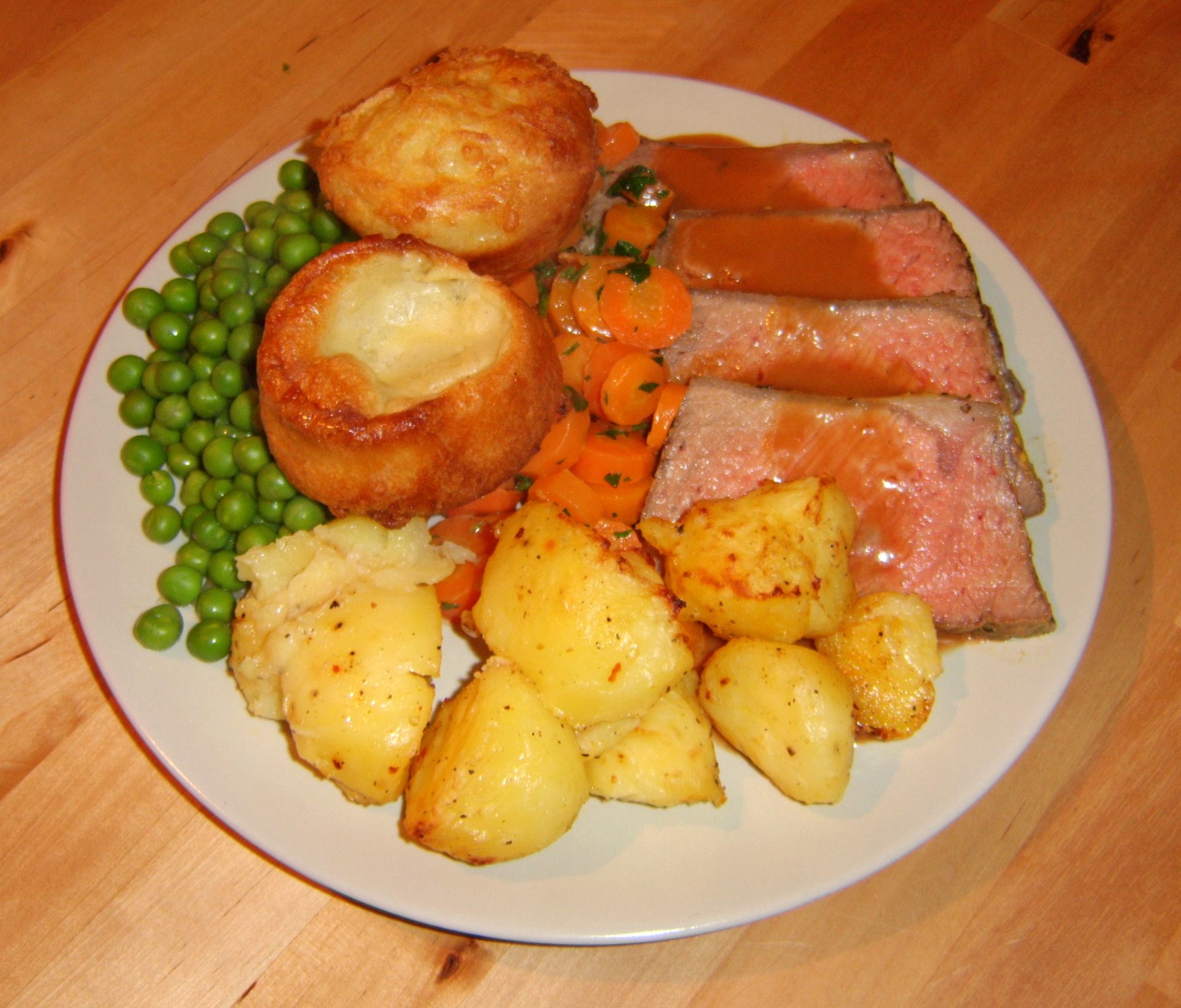
Yorkshire puddings are one of those dishes that take real effort to get right — hot oil, a rested batter, and precise oven timing. So when you end up with more than you can eat, the last thing you want to do is throw them out. The good news is that freezing Yorkshire puddings works extremely well, and millions of home cooks do it routinely to get ahead of big meals like Sunday roasts and holiday dinners.
Whether you made a double batch on purpose or simply have leftovers from last night’s dinner, this guide walks you through every step — from flash-freezing to reheating — so your Yorkshire puddings come out crispy and satisfying every time. If you enjoy exploring traditional dishes from around the world, you might also like this guide to traditional Greek foods or this look at classic German foods.
Can You Freeze Yorkshire Puddings?
Yes, you can freeze Yorkshire puddings for up to 3 months. This applies to both homemade puddings and leftovers from a batch you baked for a roast dinner. Freezing is one of the most practical ways to get ahead when you have a big meal coming up and need to free up oven space on the day.
Yorkshire puddings are surprisingly well-suited for freezing, thanks to their relatively simple composition of flour, eggs, and milk. These ingredients, when cooked properly, create a structure that can withstand the rigors of freezing and thawing, provided certain precautions are taken. The key precautions are cooling them fully before freezing and protecting them from air exposure.
You can also freeze raw Yorkshire pudding batter if you have leftovers before baking. You can freeze the batter by pouring it into a freezer bag, sealing it, and freezing it. You can also pour it into a muffin tin with liners and freeze the batter in portions. Once the batter has frozen, separate the frozen batter from the tins and seal it in freezer bags. That said, most cooks find it easier to bake first and freeze the cooked puddings.
Pro Tip: If you plan to freeze your Yorkshire puddings, pull them from the oven when they are lightly golden rather than deeply browned. They will finish crisping up during the reheat, and slightly undercooking them before freezing helps prevent a dry, tough texture later.
Does Freezing Change the Texture or Taste of Yorkshire Puddings?
Freezing does cause some minor changes, but the results are still very good when you follow the right method. Freezing Yorkshire puddings can slightly alter their taste and texture, but if done correctly, the changes should be minimal. Most home cooks find the difference barely noticeable once the puddings are reheated and served with gravy.
The most common complaint is that frozen-and-reheated puddings come out a bit drier than fresh ones. They are slightly drier, but nothing that gravy doesn’t solve. The perfect Yorkshire pudding has a crispy edge and a softer, slightly stodgy base. Cooking, freezing, then reheating makes them drier and crispy all over. Whether that is a downgrade or simply a different style depends on personal preference.
The high water content and delicate structure of these puddings make them prone to ice crystal formation, which can cause them to become soggy or develop an unpleasant texture if they are not packaged properly. Squeezing out all the air before sealing the bag is the single most effective way to prevent this. There is a risk that the Yorkshire puddings will be a little dry, but if you find this is the case, the next time you reheat them, give them a little brush or spray with some neutral vegetable oil.
How to Freeze Yorkshire Puddings the Right Way
Proper technique makes the difference between puddings that reheat beautifully and ones that come out soggy or stale. Follow these steps for the best results.
- Cool completely. Once the Yorkshire puddings are out of the oven, take them out of the pan they have been cooked in and put them on a cooling rack to cool. Never place warm puddings directly into the freezer. Placing warm puddings in the freezer can raise the temperature of the freezer and potentially compromise other frozen items. Condensation can also form, leading to ice crystals and a soggy texture upon thawing.
- Flash-freeze on a tray. Line a baking tray with parchment paper. Spread the Yorkshire puddings out on the tray and flash-freeze them in the coldest part of the freezer, which is the rear center. After 2–3 hours or once frozen solid, remove them from the freezer. This step keeps them from sticking together in the bag.
- Transfer to freezer bags. Pack them into freezer bags, ensuring that you remove all the air and seal them. Label the freezer bag with the date. Store in the freezer and consume within 2–3 months.
- Protect their shape. Try to keep the bag flat for the initial freeze and avoid placing other items on top of them, as the Yorkshire puddings will get squashed. Once fully frozen, they are more rigid and easier to stack.
Pro Tip: Use heavy-duty freezer bags rather than standard storage bags. Thicker plastic provides better protection against freezer burn and keeps the puddings from absorbing odors from other foods in your freezer.
By flash-freezing the Yorkshire puddings on a tray first and then packaging them, you avoid crushing them when removing the air from the freezer bag. It takes a couple of extra hours, but the payoff in texture is worth it.
How Long Can You Freeze Yorkshire Puddings?
Frozen Yorkshire puddings can be stored in the freezer for up to 3–4 months. However, it is recommended to consume them within 2 months for optimal flavor and texture. The sooner you use them, the better they will taste.
Your Yorkshire puddings will be fine in the freezer for around 3 months. The first month is when they will be at their prime and most enjoyable. After 3 months, there is a chance that the texture will degrade rapidly and can make them slightly unpleasant to eat.
If you are not planning to freeze them, Yorkshire puddings will be fine in the fridge for two days; they will only take a few seconds to reheat from chilled. For anything longer than two days, the freezer is the better option.
| Storage Method | How Long They Last | Quality Notes |
|---|---|---|
| Room temperature | Same day only | Best eaten fresh from the oven |
| Refrigerator | Up to 2 days | Good quality; reheat in a hot oven |
| Freezer (first month) | Up to 1 month | Prime quality; closest to fresh |
| Freezer (up to 3 months) | 2–3 months | Good quality with proper packaging |
| Freezer (past 3 months) | Not recommended | Texture and flavor decline noticeably |
How to Thaw Frozen Yorkshire Puddings
Here is the most useful piece of advice when it comes to thawing: you do not have to. You can cook your Yorkshire puddings from the freezer without the need to defrost them. Going straight from frozen to a hot oven is the method most experienced cooks recommend, and it produces a crispier result than thawing first.
It is best not to thaw the Yorkshire puddings before reheating them because otherwise they will get very soggy. The rapid heat of a hot oven drives out moisture and re-crisps the exterior, while slow thawing at room temperature tends to make them limp and soft.
If you do need to thaw them in advance — for example, if you are planning to use them in a recipe that calls for room-temperature puddings — leave them to defrost for 24 hours in the bags in the fridge. Keep them sealed during this process to prevent them from drying out or absorbing fridge odors.
Important Note: Never thaw Yorkshire puddings at room temperature on the counter for extended periods. The egg-and-milk batter they are made from means they fall into the same food safety category as other egg-based baked goods, and prolonged room-temperature exposure is not recommended.
Can You Refreeze Yorkshire Puddings After Thawing?
Refreezing is not a good idea. You should avoid refreezing Yorkshire puddings after reheating them. Refreezing will really dry them out, giving them the texture of dry, stale bread. Once you have reheated a batch, plan to eat all of them.
It is not recommended to refreeze Yorkshire puddings that have been reheated. This can affect their texture and quality. The repeated freeze-thaw cycle breaks down the structure of the pudding and causes additional moisture loss each time.
The practical solution is to freeze them in meal-sized portions from the start. You can freeze individual Yorkshire puddings or freeze them in batches, depending on your needs. Freezing individual Yorkshire puddings is convenient if you want to reheat only a few at a time. Pull out only what you know you will eat at that meal.
How to Use Frozen Yorkshire Puddings (Best Uses After Freezing)
The most obvious use is reheating them as a side dish, but frozen Yorkshire puddings are more versatile than most people realize. Here is how to reheat them properly and a few creative ways to use them.
Reheating from frozen in the oven: Remove the Yorkshire puddings from the freezer and, without thawing them, place them on a baking tray. Spray with a little water and reheat in a preheated oven for about 4–7 minutes at 400°F (200°C). The water spray helps restore a little moisture to the exterior before it crisps.
Reheating in an air fryer: Place the Yorkshire puddings in an air fryer at 180°C (350°F) for 3–5 minutes. The air fryer is one of the fastest and most effective reheating methods because it circulates hot air around the pudding, crisping the outside without drying out the interior.
Avoid the microwave: Avoid the microwave because you will get soggy Yorkshire puddings. The microwave steams rather than crisps, which ruins the texture that makes Yorkshire puddings so satisfying in the first place.
Beyond the classic roast dinner pairing, frozen Yorkshire puddings work well in several other applications:
- Filled appetizers: Reheat, then fill with roast beef and horseradish cream, pulled pork, or creamy mushrooms for a crowd-pleasing party bite.
- Breakfast bowls: Frozen Yorkshire puddings can be used in a variety of recipes, such as Yorkshire pudding casseroles or breakfast dishes. Reheat and top with scrambled eggs and crispy bacon for a British-inspired weekend breakfast.
- Soup dipper: A reheated Yorkshire pudding makes an excellent vessel for dipping into thick beef stew or French onion soup — similar to how Americans use bread bowls.
- Mini sliders: Slice horizontally and use as a bun substitute for mini burgers or pulled chicken sandwiches.
For more ideas on creative food pairings and traditional dishes, check out this guide to traditional South African food or browse traditional Pakistani foods for globally inspired meal inspiration.
Signs That Frozen Yorkshire Puddings Have Gone Bad
Frozen food does not last forever, and Yorkshire puddings will show clear signs when they have passed their prime or gone bad entirely. Knowing what to look for saves you from a disappointing meal.
Freezer burn is the most common issue. The most obvious sign is the presence of freezer burn, which appears as dry, discolored patches on the surface of the Yorkshire puddings. While freezer burn does not necessarily make the food unsafe, it will significantly affect the texture and flavor. Puddings with minor freezer burn can sometimes be salvaged by brushing with oil before reheating, but heavily affected ones are better discarded.
Beyond freezer burn, watch for these warning signs:
- Sour or off smell: A sour or unpleasant smell is a strong indicator of spoilage. Yorkshire puddings should smell neutral or faintly eggy — never sour or rancid.
- Slimy texture after thawing: A slimy texture is another sign that the puddings are no longer safe to eat.
- Visible mold: Any visible mold growth is a clear sign of spoilage and the puddings should be discarded immediately.
- Absorbed freezer odors: If the Yorkshire puddings have been stored improperly or for too long, they may have absorbed odors from other foods in the freezer. A strong off-flavor after reheating is a sign the puddings are past their best.
If you notice any of these signs, it is best to discard the Yorkshire puddings, as the quality will have significantly deteriorated. Proper airtight packaging and labeling with a use-by date are the most reliable ways to avoid this situation. For more tips on smart food storage and reducing waste, explore this guide to whole plant-based foods and how to store them effectively.
Frequently Asked Questions
Can You Freeze Yorkshire Pudding Batter?
Yes, you can freeze Yorkshire pudding batter. However, the texture may be slightly altered after freezing. It is best to use frozen batter within a few weeks for optimal results. Thaw overnight in the refrigerator and stir well before baking.
Can You Freeze Yorkshire Puddings That Have Been Filled?
It is not recommended to freeze cooked Yorkshire puddings that have been filled with ingredients, as this can affect the texture and flavor of the filling. Fillings like meat, vegetables, or gravy can become soggy or separate when frozen and reheated. Instead, consider freezing the cooked Yorkshire puddings without fillings and then filling them after reheating.
How Long Do Yorkshire Puddings Last in the Fridge?
You can keep homemade Yorkshire puddings in the fridge for around 2 days. When you want to enjoy them, you will only need to reheat them in a hot oven for a minute or two.
Can You Cook Yorkshire Puddings Under the Broiler Instead of the Oven?
Avoid reheating frozen Yorkshire puddings under the grill (broiler). The heat can be too intense, burning the outside before the center has had a chance to thaw fully. Stick to a hot oven or air fryer for the best results.
Do Store-Bought Frozen Yorkshire Puddings Taste Better Than Homemade Frozen Ones?
Store-bought frozen Yorkshire puddings — like those sold at many British specialty import shops and some US grocery chains — use a par-baked method, meaning they go into the oven unbaked. They are often considered better than ones that are cooked, frozen, and then re-cooked, and they take up hardly any space in the freezer as they are just the dough. That said, homemade puddings frozen with proper technique come very close in quality and give you full control over ingredients and size.
Should You Undercooked Yorkshire Puddings Before Freezing?
If you are planning to freeze them, take them out when they are slightly undercooked. This gives the puddings room to finish cooking during the reheat without becoming overdone or dry. Aim for a light golden color rather than a deep brown before transferring to the freezer.