Can You Freeze Instant Mashed Potatoes? What You Need to Know

November 12, 2026
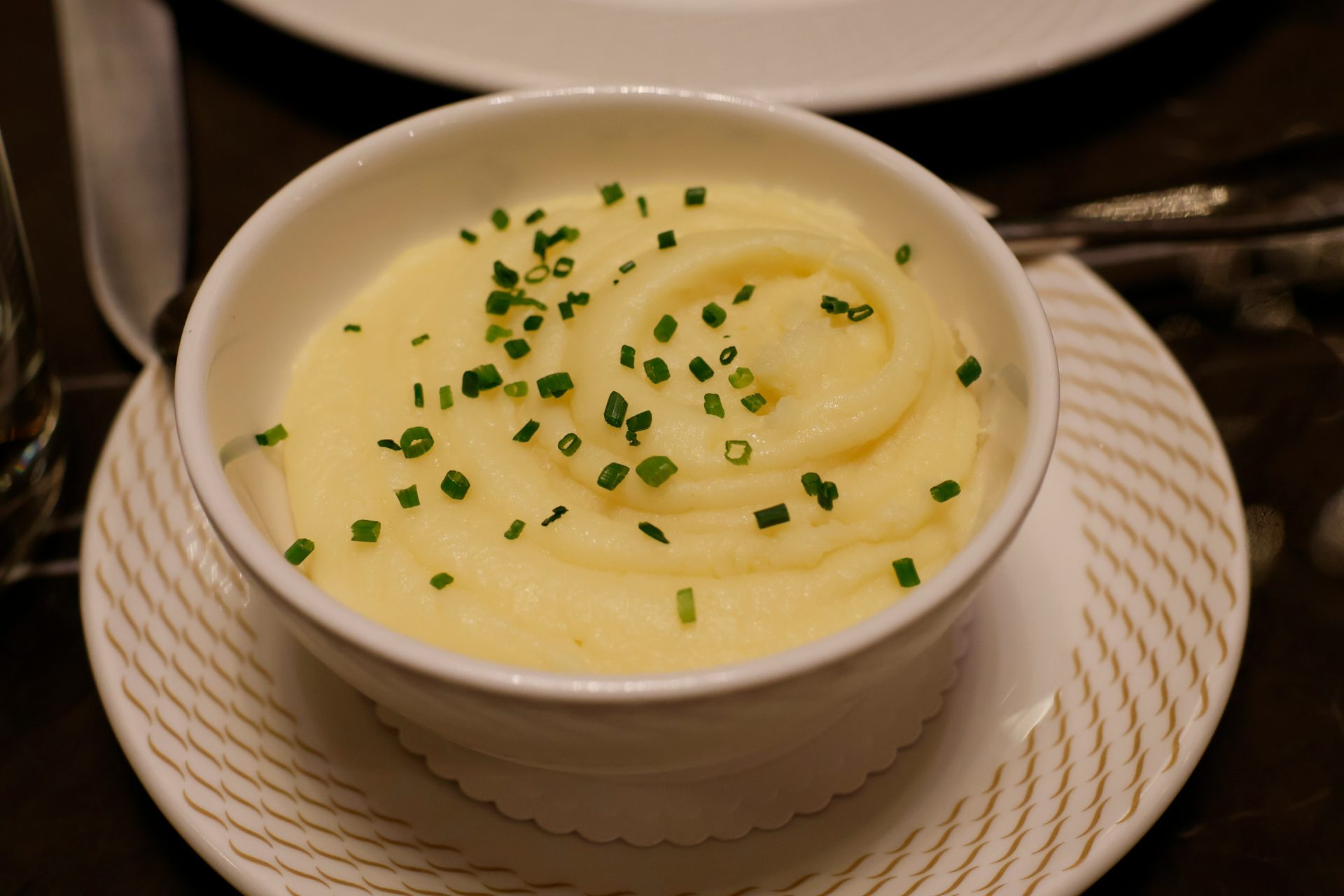
Instant mashed potatoes are one of the most convenient pantry staples in American kitchens — quick to make, easy to customize, and satisfying as a weeknight side. But what happens when you make too much, or you want to prep meals in advance? Freezing seems like the obvious answer.
The short answer is yes, you can freeze instant mashed potatoes once they’re prepared — but there are real trade-offs to understand before you toss that container in the freezer. This guide covers everything: texture changes, the right freezing method, how long they last, how to thaw and reheat them, and how to tell when they’ve gone bad.
Can You Freeze Instant Mashed Potatoes?
Yes, prepared instant mashed potatoes can be frozen, but with one important caveat. The texture of instant mashed potatoes may not hold up well to freezing because they’ve already been dehydrated, rehydrated, and then frozen — that’s three significant changes to the potato’s structure. That doesn’t mean freezing is off the table, but it does mean you should set realistic expectations.
The good news is that even though boxed and instant mashed potatoes have a longer shelf life with their preservatives, once they’re prepared, they have the same longevity as those made from fresh potatoes — all cooked potatoes should be treated the same when it comes to storing. So the same freezing rules that apply to homemade mashed potatoes apply here.
There’s also an important distinction worth knowing: if you have an unopened box of instant mashed potato flakes, freezing is generally unnecessary. While the package remains unopened and intact, your instant mashed potatoes should still be good even well beyond the best-before date — just keep them in a cool, dry place like a cupboard, since exposure to sunlight or temperature changes can speed up spoilage. The freezer is most useful for prepared leftovers you can’t eat within a few days.
Pro Tip: If you only made a small batch of instant mashed potatoes, refrigerating them is a faster and simpler option. Once you cook instant mashed potatoes, they will last 3–5 days in the fridge, the same as regular mashed potatoes.
Does Freezing Change the Texture or Taste of Instant Mashed Potatoes?
Freezing does change the texture, and it helps to understand why. Potatoes are porous, so they soak up water easily during cooking when their starch molecules begin to break down. When you freeze them, all that absorbed water turns into ice crystals — which melt once you reheat them. The result is often a thinner, slightly watery consistency.
Mashed potatoes made with plenty of dairy hold up better in the freezer because the fats keep the potatoes from getting grainy or watery. Mashed potatoes with no or very few fats are more likely to change in texture, leaving them grainy and mushy. This is especially relevant with instant mashed potatoes, since many people prepare them with just water — skipping the butter and milk that would otherwise protect the texture during freezing.
Taste holds up reasonably well. If you reheat them on the stove or in the oven, you’ll get warm mashed potatoes that have retained their original taste — however, they may be a little thin or runny and lack the fluffy consistency you remember. A small pat of butter or a spoonful of sour cream stirred in after reheating goes a long way toward restoring that familiar creaminess. Check out some ideas for what to serve with mashed potatoes to round out your meal once they’re reheated.
How to Freeze Instant Mashed Potatoes the Right Way
Proper technique makes a measurable difference in how well your frozen instant mashed potatoes hold up. Follow these steps for the best results.
- Prepare with fat. When making your instant mashed potatoes, use butter and milk (or cream) rather than water alone. The key is to coat your potatoes with plenty of butter and cream — the fat from the dairy will protect the potatoes in the freezer and help them retain their flavor.
- Cool them completely first. Placing hot food in the freezer can raise the internal temperature, thawing other foods and possibly making them unsafe — and making your freezer work overtime. Let them cool on the counter before packing.
- Portion before freezing. Consider portioning the potatoes before freezing, allowing easy use of only what you need and reducing thawing and refreezing cycles. Scoop individual servings onto a parchment-lined baking sheet and freeze until firm before transferring to bags.
- Use airtight, freezer-safe packaging. Use airtight containers or heavy-duty freezer bags to prevent freezer burn, a condition caused by air reaching the food’s surface and dehydrating it.
- Remove excess air. Label the bags with the amount inside, flatten them and get out as much air as possible before sealing, then freeze flat until hard. They also thaw faster and more evenly when frozen flat and thin.
- Label with the date. Always write the freeze date on the bag so you know exactly how long they’ve been stored.
Pro Tip: Skip garlic and onion mix-ins if you plan to freeze. If you got creative with the mashed potatoes the first time and added garlic or onions, don’t freeze them — both of these bulbs will become transparent and slimy.
How Long Can You Freeze Instant Mashed Potatoes?
Storage time depends on whether you’re freezing the dry powder or the prepared dish. For prepared instant mashed potatoes, sources vary slightly but generally agree on a range of one to four months for best quality.
| Form | Storage Method | How Long They Last |
|---|---|---|
| Dry powder (unopened box) | Cool, dry pantry | 1–2 years (per manufacturer) |
| Dry powder (opened box) | Airtight bag or container | 2–3 months |
| Prepared (cooked) | Refrigerator | 3–5 days |
| Prepared (cooked) | Freezer | Up to 2–4 months (best quality) |
FoodSafety.gov recommends freezing mashed potatoes for up to two months. Other sources indicate they can stay good for longer — even up to a year — however, they will start to lose quality significantly after a few months, so it’s best to enjoy them quickly.
Mashed potatoes last up to one month in some assessments before their liquid and solid components separate, and they unfortunately won’t regain their creamy, pillowy consistency when reheated. To stay on the safe side and preserve the best texture, aim to use frozen prepared instant mashed potatoes within 2 months. For the dry powder, once the seal is broken, an opened box of instant potatoes should ideally be consumed within 2 to 3 months.
How to Thaw Frozen Instant Mashed Potatoes
How you thaw your frozen instant mashed potatoes affects the final texture just as much as how you froze them. There are three reliable methods.
Overnight in the refrigerator (best method): Thaw frozen mashed potatoes in the fridge overnight before reheating. This slow, even thaw minimizes the moisture separation that causes a watery texture. Once thawed, reheat within 24 hours.
Straight from the freezer (stovetop or oven): Reheat the potatoes, thawed or straight from the freezer, in a large pot over low to medium heat, stirring occasionally. You can also go straight to the oven — put the potatoes in a covered oven-safe dish and reheat at 350°F for about 30 minutes, or until completely heated through.
Microwave (fastest option): Put them in a covered bowl and heat in the microwave at 50% power for approximately 5 minutes, stirring occasionally — microwaves vary, so you may need to adapt the cooking time. Once hot, stir them well.
No matter which method you use, expect some wateriness. The mashed potatoes may be a bit watery when you reheat them, so it’s a good idea to add in some sour cream or cheese to thicken them up right before serving. Alternatively, stir in 1–2 tablespoons of sour cream or cream cheese per 2 cups of potatoes to thicken them and restore a creamier consistency.
Can You Refreeze Instant Mashed Potatoes After Thawing?
Refreezing is not recommended. Do not thaw and refreeze products more than once, as both steps reduce texture and may lead to more bacteria. Each freeze-thaw cycle breaks down the starch structure further, pushing the texture closer to watery paste and increasing the risk of bacterial growth.
The best way to avoid this situation is to freeze in individual portions from the start. Freeze individual portions for easy reheating when you need them. That way, you only thaw exactly what you plan to eat, and the rest stays safely frozen. If you thawed a batch in the refrigerator and haven’t reheated it yet, you have a window of about 24 hours to use it — don’t put it back in the freezer.
Important Note: Once instant mashed potatoes have been thawed and reheated, treat any remaining leftovers as fresh cooked potatoes. Refrigerate them promptly and use within 1–2 days. Do not freeze them a second time.
How to Use Frozen Instant Mashed Potatoes (Best Uses After Freezing)
Even if the texture isn’t quite as fluffy as fresh, frozen and reheated instant mashed potatoes work well in a number of applications. In fact, some uses actually benefit from a slightly denser consistency.
- Shepherd’s pie topping: The slightly thicker texture that results from freezing holds up well as a casserole topping. Spread over a meat-and-vegetable filling and bake until golden.
- Potato soup base: Stir reheated mashed potatoes into chicken broth with shredded cheddar, bacon, and chives for a quick loaded potato soup. The texture blends right in.
- Potato pancakes or patties: Mix thawed mashed potatoes with a beaten egg and a tablespoon of flour, then pan-fry in butter. The denser, slightly drier texture from freezing actually makes them easier to shape and fry.
- Thickener for gravies and stews: Stir a spoonful or two of reheated mashed potatoes into a thin gravy or stew to add body without using cornstarch.
- Gnocchi: Some cooks use leftover mashed potatoes by sealing them in a plastic storage bag overnight in the cooler and then making them into strips and cutting into potato pasta, or gnocchi.
If you’re serving them straight as a side dish, pair them with something saucy or braised — the extra moisture from the main dish compensates for any dryness in the potatoes. For pairing inspiration, browse these suggestions on what to serve with mashed potatoes. You might also consider incorporating more whole plant-based foods alongside your potato dishes for a more balanced plate.
Signs That Frozen Instant Mashed Potatoes Have Gone Bad
Knowing when to toss your frozen mashed potatoes is just as important as knowing how to store them. Here are the key warning signs to watch for.
Freezer burn: Freezer burn, an odd smell, or a sour taste from a taste test is enough reason to throw them away. Freezer burn appears as grayish-white dry patches on the surface and results from air exposure. The potatoes are technically safe to eat, but the affected areas will taste dry and papery.
Off smell: Smell them — starchy foods should not have a strong smell. Any sour, fermented, or otherwise unpleasant odor means the batch should be discarded.
Discoloration: Fresh mashed potatoes should have a light or bright yellow color. If yours have turned gray, brown, or developed dark spots after thawing, that’s a sign of oxidation or spoilage.
Slimy or unusual texture: Slimy or dry patches are also an indication your mashed potatoes should not be consumed. A normal texture after thawing is soft and slightly watery — slimy means bacterial growth has occurred.
Visible mold: If you spot moldy areas on the mashed potatoes, that’s a clear indication they’re spoiled. Mold spreads before it becomes visible to the naked eye, so removing the affected areas won’t make them safe to eat. Discard the entire batch.
For the dry powder (opened box): If you notice a change in color, smell, or visible signs of mold in the dry powder, it should be discarded. Clumping of the powdered potato means it has taken on moisture, so check carefully for mold before cooking.
Good food safety practices extend beyond mashed potatoes. If you’re thinking about your overall diet, explore superfoods for a healthy heart or learn about powerful nutrients and foods that fight cancer to round out your kitchen knowledge.
Frequently Asked Questions
Can you freeze instant mashed potato powder (dry flakes)?
You can, but it’s usually not necessary. In theory, freezing your opened boxes of mashed potatoes will extend their shelf life, but the risk is introducing moisture into the dry powder, which can cause clumping and mold. A better option is storing opened powder in an airtight bag or container
in a cool, dry pantry. Unopened packages of instant potatoes typically have a shelf life that extends from 12 to 18 months beyond the printed expiration date when stored in a cool, dry place.
Do prepared instant mashed potatoes last as long in the freezer as homemade?
Yes. Even though boxed and instant have a longer shelf life with their preservatives, once they’re prepared, they have the same longevity as those made using fresh potatoes — all cooked potatoes should be treated the same when it comes to storing.
Why are my reheated mashed potatoes watery?
This is normal and expected. Potatoes are porous, so they soak up water easily during cooking. When you freeze them, all that absorbed water turns into ice crystals — which melt once they get reheated. Stir in a tablespoon of butter, cream cheese, or sour cream after reheating to restore a creamier consistency.
Can you freeze instant mashed potatoes made with only water?
You can, but the results will be noticeably worse. Mashed potatoes made with plenty of dairy hold up better in the freezer because the fats keep the potatoes from getting grainy or watery — mashed potatoes with no or very few fats are more likely to change in texture, leaving them grainy and mushy. If you froze a water-only batch, plan to use it in soups, casseroles, or patties rather than serving it straight.
How do I know if the dry powder has gone bad?
If you notice a change in color, smell, or visible signs of mold in the dry powder, discard it. Clumping of the powdered potato means it has taken on moisture, so check carefully for mold before cooking.
Is it safe to eat instant mashed potatoes past the best-by date?
Depending on the brand, the shelf life of unopened boxes of mashed potatoes runs between one to two years. The best-by date represents when it can be eaten to enjoy the best quality and flavor, not necessarily when it becomes unsafe to eat. Always check for signs of spoilage — off smell, discoloration, or moisture — before using any expired product.