Can You Freeze Green Grapes? Everything You Need to Know

November 12, 2026
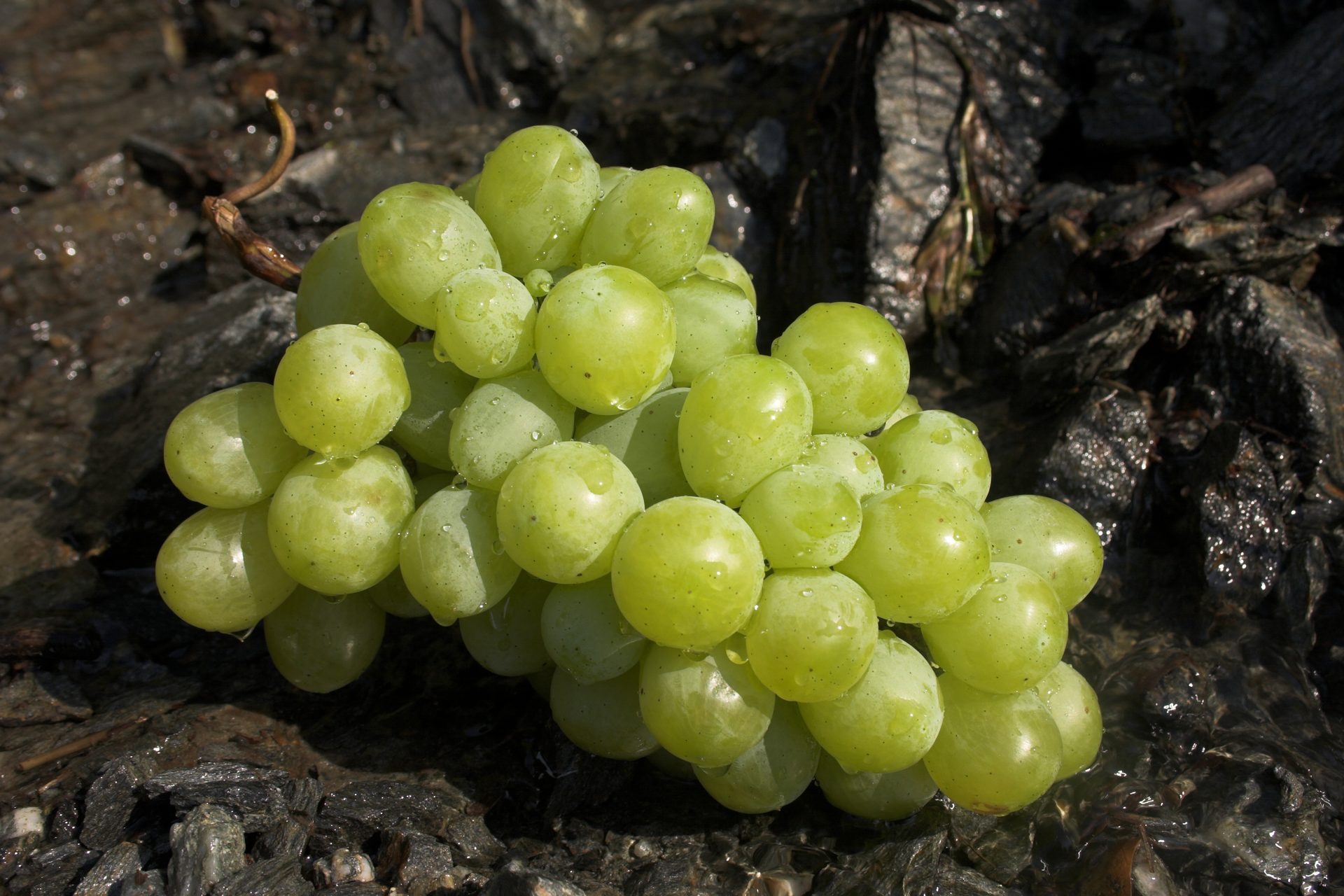
Green grapes are one of those fruits that seem to disappear fast when they’re fresh — and go bad even faster when they don’t. If you’ve ever stared at a bag of grapes on the verge of turning soft, you’ve probably wondered whether the freezer is a viable rescue plan.
The short answer is yes, you can absolutely freeze green grapes, and the results are better than you might expect. It is more common to eat frozen grapes while they’re still frozen, which gives them a sorbet-like texture that is especially appealing in warmer months. Beyond snacking, they work well in smoothies, drinks, and even homemade jam. This guide walks you through every step — from freezing to thawing to spotting spoilage — so nothing goes to waste.
Can You Freeze Green Grapes?
You can freeze any variety of grape. Green grapes tend to be more tart, while red grapes are usually sweeter. That tartness actually works in your favor once frozen — the cold intensifies the flavor and makes them feel like a refreshing treat straight from the freezer.
Seedless grapes are easiest and safest to snack on straight from the freezer. But if you only have grapes with seeds in them, you can always cut the seeds out before placing them in the freezer. For most Americans picking up a bag of Thompson Seedless or Cotton Candy grapes at the grocery store, this won’t be an issue.
You can even freeze just a handful at a time if you have extras on the verge of going bad. There’s no minimum quantity required — freeze what you have, when you have it.
Pro Tip: Grapes belong to the Environmental Working Group’s “Dirty Dozen” list of produce with higher pesticide residue. Always rinse them thoroughly under cold water before freezing, even if you plan to eat them frozen.
Does Freezing Change the Texture or Taste of Green Grapes?
Yes — and it’s worth knowing what to expect before you freeze a whole bag. The changes depend on whether you eat them frozen or thawed, and they’re quite different in each case.
Freezing tends to concentrate the natural sugars in grapes, making them taste even sweeter. For green grapes, this means that signature tart-sweet balance shifts noticeably toward sweet. In both the frozen and thawed states, the grapes can go completely one-note sweet, losing any trace of tang that makes for a balanced flavor. That’s not a bad thing if you’re eating them as a frozen snack — but it’s worth knowing if you’re comparing them to fresh.
Texture is where the bigger trade-off happens. Grapes are naturally juicy, and when frozen, the water inside them expands. Upon thawing, this ice causes the cell walls of the grapes to rupture, resulting in a mushy texture. This change in texture can make thawed grapes less appealing for eating raw, but they’ll still be ideal for smoothies or baking.
Eaten straight from the freezer, though, the story is different. They don’t get totally rock-hard like an ice cube, so you can eat them right away. Many people find frozen green grapes taste like little bites of sorbet — a popular summer snack across the US that requires zero effort to prepare.
How to Freeze Green Grapes the Right Way
The process takes about five minutes of hands-on time. Follow these steps and your grapes will freeze individually — no clumping, no ice chunks, no wasted fruit.
- Select fresh, firm grapes. Start with grapes that are firm, plump, and free from blemishes or signs of spoilage. Freezing won’t improve grapes that are already soft or shriveling.
- Wash thoroughly. Give them a thorough wash under cold water to remove any dirt or pesticides. Use a colander and rinse for at least 30 seconds.
- Dry completely. The drier they are, the less chunks of ice you will get on your frozen grapes and the less likely they will be to stick together. Pat them dry with paper towels or a clean kitchen towel.
- Remove the stems. Pull the grapes off the stems and place them in a single layer on a baking sheet. This step is important because it ensures the grapes freeze individually, making them easier to store and use later.
- Flash freeze on a baking sheet. Place the baking sheet in the freezer and let the grapes freeze for about 2–4 hours, or until they’re solid. Line the sheet with parchment paper to prevent sticking.
- Transfer to a freezer bag. Once frozen, transfer the grapes to an airtight container or a freezer-safe bag for long-term storage. Try to get as much air out of the bag as possible when freezing. If you have a vacuum sealer, that’s the way to go. If not, put a straw in one end of the bag, seal the bag as tightly as you can around the straw, suck out the air, and then quickly remove the straw and seal the bag.
- Label and date the bag. Label the container with the date and contents. This helps you keep track of how long the grapes have been in the freezer.
Pro Tip: Don’t skip the flash-freeze step on the baking sheet. If you toss unwashed or undried grapes directly into a bag, you’ll end up with a solid frozen clump that’s nearly impossible to separate.
If you’re interested in other green foods worth preserving , the same flash-freeze technique works for many vegetables. You can also explore a broader list of foods that are green for more freezer-friendly options in this color family.
How Long Can You Freeze Green Grapes?
Grapes can be frozen for 10–12 months when packaged properly. The key is removing as much air as possible and using freezer-safe containers or bags. According to the USDA FoodKeeper data referenced by Reencle , frozen grapes kept this way maintain good quality for up to 10–12 months (as of 2023).
You can freeze grapes and store them in the freezer for eight to 12 months. After this period, while they may still be safe to eat, their quality — including taste and texture — may start to decline. For the best flavor, aim to use them within that window rather than pushing past it.
| Storage Method | Estimated Shelf Life | Best Use |
|---|---|---|
| Counter (room temperature) | 1–2 days | Eat immediately |
| Refrigerator (crisper drawer) | 1–2 weeks | Fresh snacking |
| Freezer (airtight bag) | 10–12 months | Frozen snacks, smoothies, cooking |
How to Thaw Frozen Green Grapes
The best approach to thawing depends entirely on how you plan to use the grapes. In many cases, you won’t need to thaw them at all.
If you want to eat them as a snack, skip thawing completely. For a sorbet-like consistency, let frozen grapes sit for a minute or two after taking them out of the freezer; otherwise, they’ll be as hard as ice cubes. That brief rest at room temperature softens them just enough to bite into comfortably.
When you do need them thawed — for jam, compote, or cooked recipes — simply transfer the desired amount from the freezer to the refrigerator and let them thaw for a few hours or overnight. For a quicker option, you can place them in a bowl at room temperature for about 30 minutes to an hour.
Keep in mind that once thawed, the grapes will be softer, so they are best used in recipes or dishes where this texture change is acceptable. Thawed grapes are best for making homemade jam and compote where the fruit is heated and softened with sugar.
Important Note: Never thaw grapes in hot water or a microwave. Both methods speed up cell breakdown and result in an unpleasantly watery, mushy grape that loses most of its flavor.
Can You Refreeze Green Grapes After Thawing?
Refreezing is technically possible in some situations, but the quality trade-off is significant enough that it’s generally not worth it.
When refrozen, the grapes will undergo the cell-rupture process again, and with each cycle, the texture will degrade further, making them less suitable for raw consumption. Additionally, refreezing grapes can lead to a loss of flavor. While freezing grapes slows down the degradation of their taste, the refreezing process may cause them to lose some of their natural sweetness and crispness.
There are also food safety concerns. The USDA advises that perishable foods should not be left out for more than two hours. Leaving grapes out for too long can promote the growth of harmful bacteria, which makes refreezing unsafe. Grapes that have been thawed for more than a few hours, especially if they’ve begun to soften or ooze moisture, should never be refrozen.
The one exception: if the grapes were thawed in the refrigerator and still feel firm with no off smell, it is generally safe to refreeze grapes that have been thawed correctly — that is, kept in the refrigerator and within safe time limits. Even then, expect noticeably softer results and plan to use them only in blended applications like smoothies.
How to Use Frozen Green Grapes (Best Uses After Freezing)
Frozen green grapes are more versatile than most people realize. Here are the best ways to put them to work:
- Frozen snack: You can freeze grapes to be eaten frozen as a refreshing and healthy snack — let them sit for a minute or two to give them a sorbet-like texture. Kids love them as an after-school treat, especially during summer.
- Smoothies: Add frozen grapes directly to your blender for a naturally sweet and frosty smoothie. They replace the need for added ice or sugar. Green grapes pair especially well with spinach, cucumber, and apple for a refreshing blend. If you’re building heart-healthy meals, grapes are a great addition.
- Drink chiller: Frozen grapes are great to chill wine. Unlike ice cubes, they don’t water down your drinks. Drop a handful into a glass of white wine, sparkling water, or lemonade.
- Jam and compote: Thawed green grapes break down beautifully when cooked with sugar, making a simple homemade jam or fruit sauce perfect for yogurt or toast.
- Desserts and toppings: Use thawed grapes as a topping for ice cream, yogurt, or in fruit salads.
- Grape sorbet: Blend grape sorbet — puree your grapes and use a food processor or blender. Seedless grapes work best for sorbets and ice cream.
Grapes also bring meaningful nutritional value beyond their sweet flavor. They’re a good source of antioxidants and support overall wellness — which is why they appear on lists of powerful nutrient-rich foods and foods for healthy skin. If you’re focused on whole food nutrition, pairing frozen grapes with other whole plant-based foods makes for a smart, balanced approach.
Signs That Frozen Green Grapes Have Gone Bad
Even in the freezer, grapes can degrade over time. Here’s what to look for before you eat them:
- Freezer burn: Freezer burn occurs when moisture evaporates from food in the freezer, causing dehydration and the formation of ice crystals on the fruit’s surface. Grapes with noticeable discoloration, leathery patches, or dryness should not be refrozen, as the freezing process will further exacerbate these negative effects. Mildly freezer-burned grapes are still safe to eat but will taste flat.
- Off or fermented smell: A sour, alcoholic, or vinegary odor means they’ve started to ferment. Discard them immediately.
- Mold: Fuzzy white, gray, or green spots signal mold. If you see mold, remove the moldy grapes and any touching them, then rinse and inspect the rest.
- Mushy or leaking texture after thawing: Soft, collapsing grapes that weep juice are breaking down. Some softness after thawing is normal, but grapes that are actively oozing liquid have deteriorated beyond use.
- Sticky or slimy surface: A film on the grapes signals decay. This is a clear sign to toss them.
- Unusual color: Green grapes should retain a pale yellow-green color even when frozen. Significant browning or darkening, especially after thawing, indicates quality has dropped.
Important Note: Grapes that have been in the freezer for more than 12 months may still be safe to eat but will likely have poor flavor and texture. When in doubt, smell and inspect before eating — and when something seems off, throw it out.
Proper food storage habits matter across all the foods in your kitchen — not just grapes. Whether you’re storing nutrient-dense healing foods or everyday produce, the same principles of airtight packaging and consistent freezer temperatures apply.
Frequently Asked Questions
Can You Freeze Green Grapes With Seeds?
It is possible to freeze grapes with seeds, but it’s important to consider how you plan to use them once defrosted. If you want to eat the grapes frozen, the seed will be hard to eat and likely unpleasant. On the other hand, if you’re planning to blend frozen grapes in smoothies, the seeds may not be noticeable. For easiest snacking, stick with seedless varieties.
Do Frozen Grapes Taste Good?
Most people think so — especially when eaten straight from the freezer. They taste just like frozen candy and are so healthy and refreshing, especially in the summer. The natural sugars concentrate during freezing, which makes them taste noticeably sweeter than fresh.
Can You Freeze Grapes Still on the Stem?
It is true that you can freeze grapes on the stem, and they will detach easily even when fully frozen. However, freezing grapes on the stem will take up more space in your freezer and can lead to uneven freezing. Removing them from the stem first gives you better results and easier grab-and-go storage.
How Do You Keep Frozen Grapes From Sticking Together?
Freezing the grapes on the pan before putting them in a freezer bag will help keep them separate rather than sticking together in one large clump. Make sure they’re fully dry before they go on the pan — any surface moisture will cause them to fuse together.
Are Frozen Grapes Healthy?
Yes. Freezing grapes to eat makes a delicious sweet healthy snack packed with antioxidants, fiber, and nutrients. There is a small loss of nutrients each time fruit is thawed and refrozen, though it is generally negligible. Freezing causes a slight degradation of certain vitamins, particularly vitamin C, but the losses are minimal. Eating them frozen preserves the most nutritional value. For more on how specific foods support your body, see this overview of foods that support liver function and foods that promote healthy eyesight.
Can You Freeze Store-Bought Grapes?
Absolutely. Most green grapes sold in US grocery stores — including popular seedless varieties like Thompson Seedless — freeze perfectly well. The National Center for Home Food Preservation recommends choosing fully ripe, firm, sweet grapes, then sorting, stemming, and washing before freezing. Leave seedless grapes whole. No special equipment is needed beyond a baking sheet and a freezer bag.