
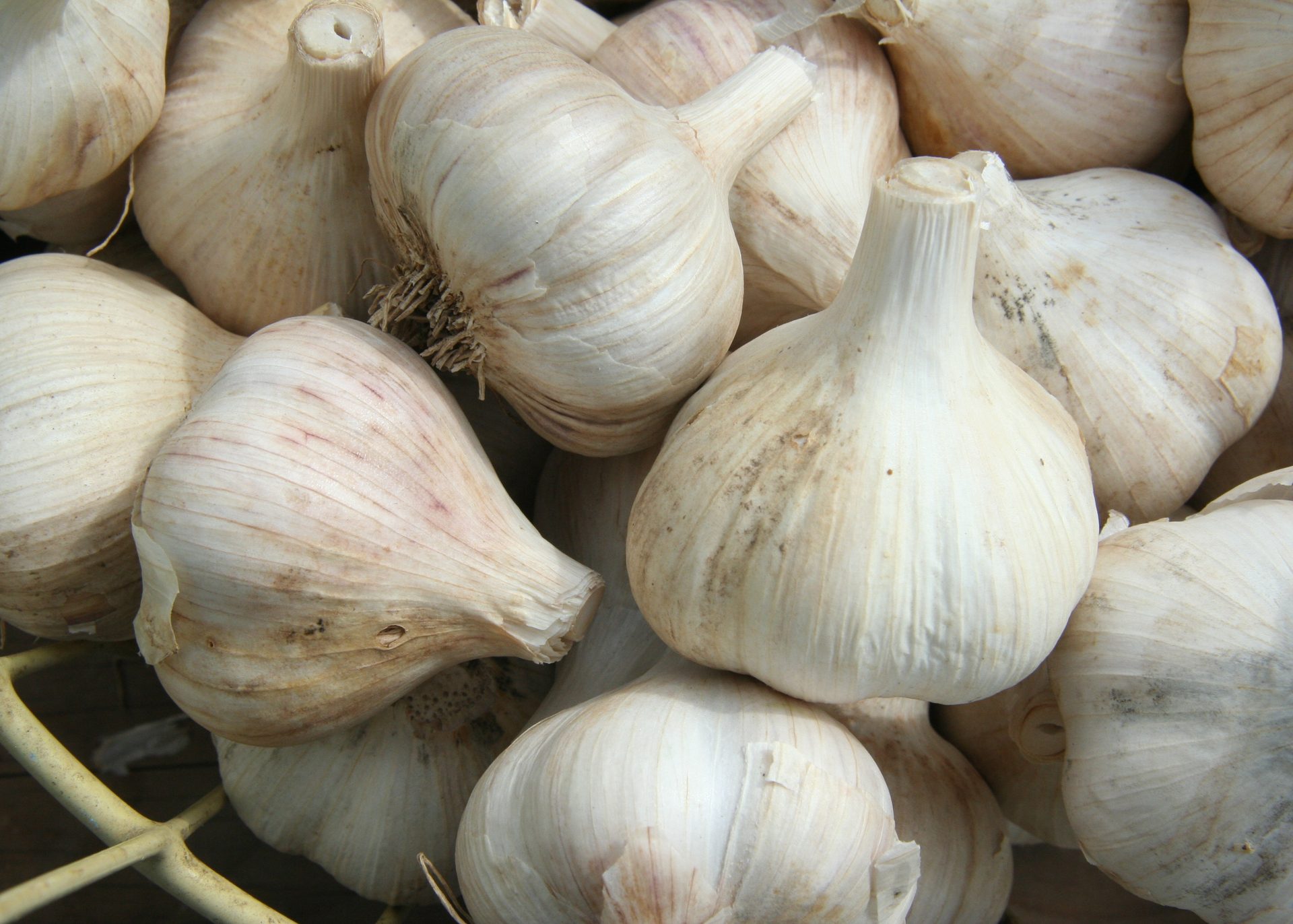
Garlic is one of those ingredients you always want on hand — until you suddenly have way too much of it. Whether you grabbed a bulk bag at Costco, harvested a bumper crop from your garden, or just peeled more cloves than your recipe called for, the question comes up fast: can you freeze garlic?
The short answer is yes, and it is one of the smartest food storage moves you can make. Frozen garlic retains its taste remarkably well and lasts 10 to 12 months in the freezer, compared to just 1 to 2 months for a fresh bulb stored at room temperature. This guide walks you through every method, every detail, and every warning you need to freeze garlic with confidence.
Can You Freeze Garlic?
The answer is a resounding yes. Garlic is pretty versatile when it comes to freezing. You can freeze raw, whole unpeeled bulbs, individual cloves (peeled or unpeeled), or chopped garlic. You can also cook or process garlic into various forms that make meal prep a breeze.
Garlic is a staple in American kitchens — from pasta sauces and stir-fries to marinades and soups — so having a reliable frozen supply means you never have to run to the store mid-recipe. Once garlic is peeled or minced, its shelf life drops sharply. Freezing is the smartest option when you have already prepped more garlic than you need or bought a large quantity in bulk.
One important note before you start: do not freeze garlic intended for future planting. Freezing is strictly for culinary use.
Pro Tip: Before freezing, inspect every clove. Discard any that are soft or mushy — those have begun to rot. If you see a green sprout in the center, the garlic is still edible, but remove the sprout first since it tastes bitter.
Does Freezing Change the Texture or Taste of Garlic?
Freezing does change garlic, but probably less than you expect — and the changes are manageable once you know what to expect.
On the texture side, when you freeze garlic, a few things happen at a microscopic level. Garlic cells are filled with water. When the temperature drops below freezing, this water turns into ice. As water freezes, it expands, putting pressure on the cell walls of the garlic, which can rupture. The result: frozen garlic becomes softer after thawing and does not work as a raw garnish, but it is excellent in cooked dishes.
On the flavor side, the news is better. The sulfur compounds that give garlic its pungent aroma are largely stable at freezing temperatures. Once the clove hits a hot pan, those compounds reawaken, and the garlic tastes nearly identical to fresh — just slightly less sharp. Many cooks find the difference negligible in sauces, stir-fries, roasts, and soups.
Frozen garlic lacks the crunchy texture of fresh, but the flavor remains strong — and it definitely lacks the chemical taste that sometimes accompanies jarred garlic. For everyday cooking, that is a trade-off most home cooks are happy to make. Garlic is also celebrated for its health benefits — learn more about it in this overview of superfoods for a healthy heart.
How to Freeze Garlic the Right Way
There is no single “correct” method — the best approach depends on how you typically cook. Below are the four most practical methods for American home kitchens, from simplest to most prep-intensive.
Method 1: Freeze Whole Unpeeled Cloves
Freezing whole cloves is the simplest method, and it is the best approach when you want flexibility — you can use frozen whole cloves in any dish where you would normally cook with whole garlic. Separate the bulb into individual cloves, leave the skins on, and place them in a zip-lock freezer bag. Press out as much air as possible, label the bag with today’s date, and freeze.
Dry the cloves thoroughly before bagging. Pat each clove dry with a paper towel, because excess moisture on the cloves will cause them to stick together in the freezer.
Method 2: Flash-Freeze Peeled Cloves
This method takes a few extra minutes but gives you individually frozen cloves that are easy to grab one at a time. Spread the peeled cloves in a single layer on a parchment-lined baking sheet and place in the freezer for 1–2 hours, until each clove is individually frozen solid. Then move the frozen cloves into a zip-lock freezer bag, press out as much air as possible, label with the date, and return to the freezer.
Method 3: Freeze Minced or Chopped Garlic
If you cook with minced garlic daily, pre-mincing before freezing is a serious time-saver. Prepare your garlic with a garlic press or food processor to your desired size, then scoop the minced garlic into an ice cube tray or spoon small piles onto a lined baking sheet. Once frozen solid, transfer the cubes to a labeled freezer bag.
Each cube from a standard ice cube tray holds roughly one to two teaspoons — about the equivalent of one or two cloves, depending on how tightly you pack it. This makes portioning for weeknight meals fast and easy.
Method 4: Freeze Garlic in Oil (with a Safety Warning)
A common method for freezing garlic is placing peeled cloves — chopped or whole — in olive oil. This is actually the only safe way to preserve garlic in oil. Garlic is a low-acid food, and when it is placed in oil, the environment lacks oxygen. This combination provides the perfect growing conditions for the bacterium Clostridium botulinum, which produces botulism-causing toxin.
Important Note: If you store garlic in oil at room temperature or in a fridge not held consistently below 40°F, you are putting yourself and your family at risk for contracting botulism. Even when you freeze garlic in oil, never thaw it or let it sit at room temperature prior to use. Always transfer frozen garlic in oil directly from the freezer to a cooking dish.
To make garlic-oil cubes safely: puree peeled cloves in a food processor with oil, using a ratio of 1 part garlic to 2 parts oil. Pack the puree into an airtight container. At this ratio, the oil keeps the mixture from ever freezing solid, so you can scoop out what you need as you are cooking.
You can also learn more about the broader culinary uses of garlic — including in traditional dishes — in this guide to traditional Greek foods, where garlic plays a central role.
How Long Can You Freeze Garlic?
How long your frozen garlic stays at peak quality depends on the form you freeze it in. Here is a quick reference:
| Garlic Form | Freezer Life (Best Quality) | Notes |
|---|---|---|
| Whole unpeeled bulbs | Up to 6 months | Simple but harder to peel after freezing |
| Whole peeled cloves | 6–12 months | Flash-freeze first to prevent clumping |
| Minced or chopped garlic | 3–4 months | Best stored in ice cube tray portions |
| Garlic paste (with oil) | 3–4 months | Never thaw at room temperature |
| Roasted garlic | Up to 3 months | Freeze in a single layer, then bag |
After the quality window, the flavor slowly begins to fade, and the cloves may develop ice crystals that affect texture further. The three-month window is a general guideline, not a hard deadline. Properly frozen garlic rarely “goes bad” in a safety sense within 12 months.
To get the most out of your frozen supply: pack it airtight by squeezing out excess air from the bag or container. Oxygen is the enemy of frozen food — it causes freezer burn and dulls flavor. Label with a date so you know when it was frozen.
How to Thaw Frozen Garlic
Good news: for most cooking purposes, you do not need to thaw frozen garlic at all. There is no need to thaw the garlic before using. Just use it as is — it is surprisingly easy to chop, slice, and mince.
For minced or paste-form garlic cubes, there is no need to thaw frozen chopped or pureed garlic at all. Throw it directly into your dish from frozen, and it will melt as it cooks.
If you do need to thaw whole or peeled cloves for a specific use, here are your options:
- Refrigerator thaw: You can thaw the garlic in the refrigerator, though it can take quite some time to fully thaw. Plan for several hours or overnight.
- Room-temperature thaw: Defrost cloves for 2–3 minutes before prepping them for your dish. Defrosted cloves will soften and do not have the same texture as fresh garlic cloves.
- Hot water shortcut: The whole bulbs and cloves can also be defrosted at room temperature or placed in a bowl of hot water to thaw sooner.
One hard rule: do not defrost the oil-garlic paste mixture at room temperature due to the botulism risk. Always go straight from freezer to hot pan with any garlic-in-oil preparation.
Can You Refreeze Garlic After Thawing?
Technically, you can refreeze garlic that has been thawed in the refrigerator, as long as it has not been sitting out at room temperature and shows no signs of spoilage. However, each freeze-thaw cycle degrades quality further — the texture becomes even softer and the flavor fades a bit more.
A much better approach is to portion garlic before the first freeze so you never need to refreeze. Spread peeled cloves in a single layer on a parchment-lined baking sheet and freeze for 1–2 hours, until each clove is individually frozen solid. Then bag them together — you can pull out exactly what you need each time without thawing the whole batch.
For minced garlic, the ice cube tray method is your best friend. Portion with a teaspoon into an ice cube tray, freeze solid, then move cubes to a freezer bag. Each cube is a single-use portion, so refreezing is never necessary.
Pro Tip: Never refreeze garlic that was stored in oil and thawed. The botulism risk makes it unsafe to refreeze or leave at room temperature. Use it immediately in a hot dish.
How to Use Frozen Garlic (Best Uses After Freezing)
Once the thawing process is over, frozen garlic can be used in nearly all the ways you might use fresh garlic. The texture change matters most in raw applications, so plan your use accordingly.
Frozen garlic excels in these situations:
- Soups and stews: You do not need to wait for frozen garlic to thaw before placing it into a soup or stew. Let the frozen garlic heat up with the rest of the stew and enjoy its fragrant flavors.
- Sautéed dishes: Take a cube and put it directly into a hot skillet without thawing. Cook on medium to medium-high heat until the garlic is sautéed and fragrant.
- Sauces and marinades: Garlic oil makes a wonderful base for sauces and sautéing veggies. It is also a tasty addition to mashed potatoes, cooked pasta, and artichokes.
- Roasted vegetables: Toss frozen cloves directly with vegetables before roasting — they soften beautifully in the oven alongside your other ingredients.
- Garlic bread: Frozen roasted garlic paste spread onto crusty bread before broiling is one of the easiest and most flavorful uses.
Where frozen garlic does not work well: raw applications like aioli, tzatziki, or fresh salsas — the texture change is noticeable — and dishes where whole roasted cloves are a visual or textural element.
Garlic is also one of the most well-researched healing foods in the kitchen. Its compounds have been studied for their role in cancer-fighting nutrients and liver function support as well.
Keep in mind that there is some flavor loss in freezing, so you may find you need to use a bit more garlic for your dish. A good rule of thumb: add about 25% more frozen garlic than the recipe calls for if you want to match the punch of fresh.
Signs That Frozen Garlic Has Gone Bad
Frozen garlic is remarkably stable, but quality can degrade over time — especially if it was not stored properly. Here is what to look for before you cook with it.
Quality degradation signs include significant freezer burn (dry, white patches), loss of aroma when thawed, or an off flavor. If you see these signs, the garlic is still technically safe but will produce poor results — use it in dishes with strong competing flavors.
Beyond freezer burn, watch for these red flags:
- Discoloration: Yellow or brown cloves show age or freezer burn. Fresh frozen garlic should look white or pale ivory.
- Off smell: Sour or bitter odors mean the garlic is no longer usable. Good frozen garlic, when thawed, still smells like garlic.
- Mushy or dry texture: If garlic feels mushy or dry, the flavor is likely gone. Some softness is normal after thawing, but sliminess or complete mushiness is not.
- Mold: Older garlic or garlic stored in a moist environment may develop white, dark brown, or black mold. The mold may be furry or look wet, typically on the outer husk but potentially spreading to the cloves. If garlic is molding, discard it.
Label containers and use the oldest batch first for the best flavor. A simple piece of masking tape with the freeze date written in marker is all you need to stay organized.
For a broader look at how to identify and avoid problematic foods in your kitchen, this guide on foods to avoid for your health is worth a read.
Frequently Asked Questions
Can You Freeze Roasted Garlic?
Roasted garlic freezes exceptionally well. After roasting, let it cool completely, then squeeze the cloves out of their skins. Freeze in a single layer, then transfer to a bag. It will keep for up to 3 months and can be added to mashed potatoes, spreads, or sauces directly from frozen.
Does Frozen Garlic Taste Different from Fresh?
The flavor of frozen garlic is very well-preserved and nearly indistinguishable from fresh in cooked dishes. The main difference is texture — frozen garlic becomes softer after thawing. This matters in raw applications but is unnoticeable in anything cooked.
Is It Safe to Freeze Garlic in Olive Oil?
Yes, as long as you freeze it immediately and keep it frozen until use. Never store garlic-in-oil at room temperature or in a refrigerator that is not consistently below 40°F. Always cook it straight from the freezer.
Do You Need to Peel Garlic Before Freezing?
No. You can separate the bulb into individual cloves without peeling them — the skin acts as a protective layer during freezing. That said, peeling before freezing saves you prep time later, especially if you plan to use the cloves in a hurry.
How Do You Know When Frozen Garlic Is Too Old to Use?
Trust your senses. If the garlic has lost its aroma entirely, shows heavy freezer burn, smells sour, or has developed mold, it is past its best. Whole peeled garlic cloves in the freezer can be stored for up to a year, though the flavor may fade after six months. When in doubt, use it in a heavily seasoned dish where any mild flavor loss will not be noticeable — or simply start a fresh batch.
Can You Freeze Store-Bought Minced Garlic from a Jar?
Yes. Spoon it into an ice cube tray, freeze until solid, then transfer the cubes to a freezer bag. This works well for extending the life of an open jar before it goes bad in the refrigerator. Use within 3 months for best results.
Garlic pairs beautifully with a wide range of ingredients across global cuisines — from traditional Pakistani dishes to German classics and South African recipes. Having a reliable frozen supply means you are always ready to cook, no matter what cuisine is on the menu tonight.