
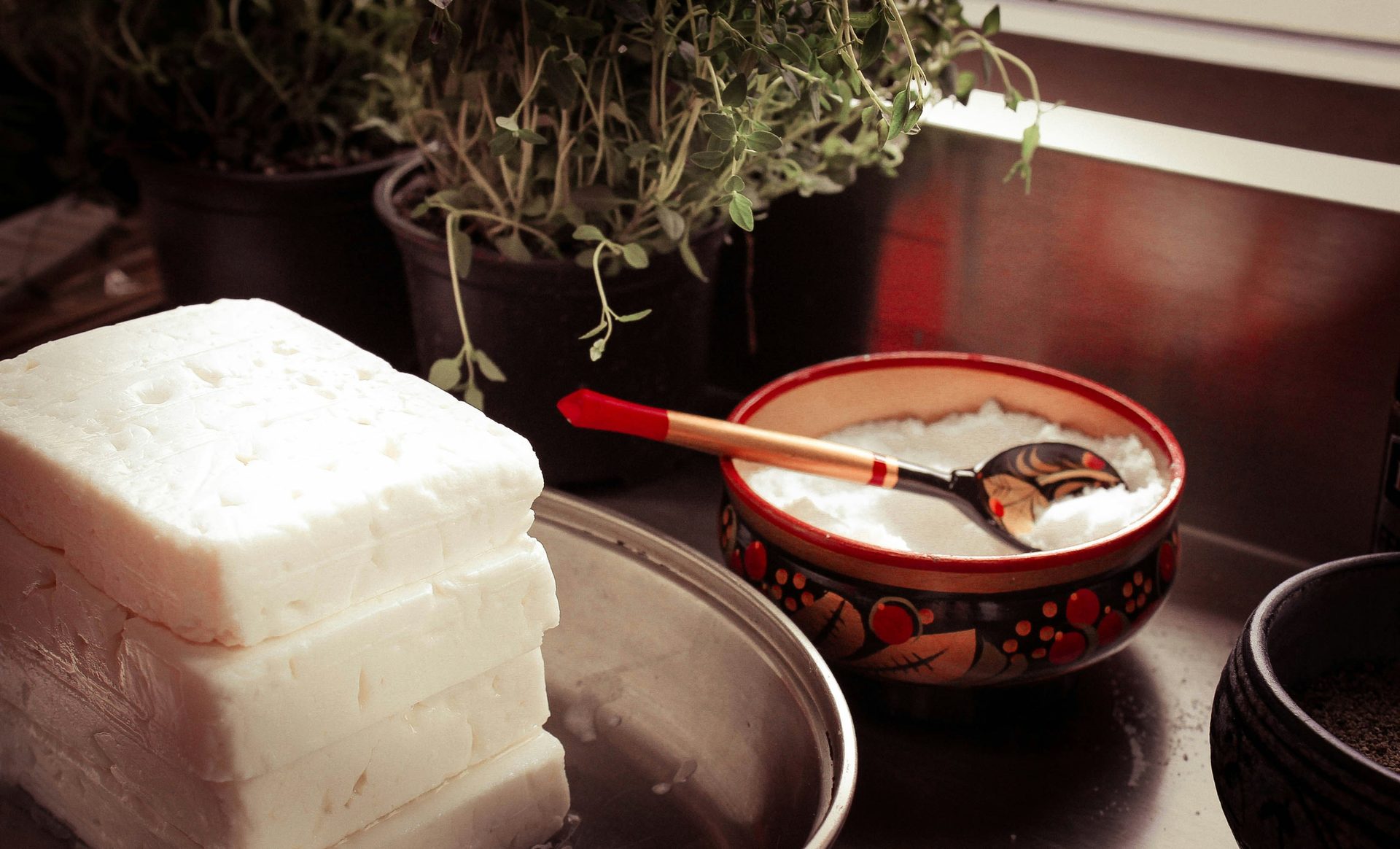
Feta cheese is one of those ingredients you buy for one recipe and suddenly have half a block left over with no plan. Whether you grabbed a bulk container from Costco or stocked up during a sale, the question hits fast: can you freeze feta cheese before it goes bad in the fridge?
The short answer is yes — freezing feta is safe and practical. The longer answer is that it comes with some real trade-offs in texture and flavor that are worth knowing before you toss that block in the freezer. This guide walks you through exactly how to freeze feta cheese the right way, how long it lasts, how to thaw it properly, and which dishes work best with frozen-then-thawed feta.
Can You Freeze Feta Cheese?
You can freeze feta cheese, both in block form and crumbled. In either case, feta can be frozen for at least 3 months. That said, feta is not the easiest cheese to freeze. Although feta isn’t the best cheese to freeze, it’s definitely not the worst.
Freezing feta cheese is perfectly safe. Though the ideal environment for feta and other soft cheese is the refrigerator, there is no harm in freezing feta for use later in a delicious recipe. The key is understanding what will change — and planning your recipes around those changes.
For context on how feta compares to other storage methods: according to Dean Sommer, a cheese and food technologist at the University of Wisconsin-Madison’s Center for Dairy Research, feta packed in liquid salt brine can last for as long as 6 months if stored correctly. So if you have brine-packed feta and know you’ll use it within a few months, the fridge is actually the better option. Freezing is best reserved for feta you genuinely won’t get to in time. You can also explore substitutes for feta cheese if you’re working around a shortage.
Does Freezing Change the Texture or Taste of Feta Cheese?
Yes — and it’s worth being honest about how much. After freezing and thawing, feta gets crumblier and loses a bit of its signature richness and saltiness. It also becomes a tiny bit drier. These changes are real, but they’re not necessarily a dealbreaker depending on how you plan to use the cheese.
The changes are nowhere as significant as in cottage cheese, but you can notice them if you pay close attention. If you don’t, they’re hardly there, and 8 out of 10 times, you won’t be able to tell if that feta was frozen or not. Block feta tends to show more noticeable texture changes than crumbled feta. In terms of texture, feta cheese that has been frozen or thawed is usually more crumbly. You will notice a smaller difference in the texture of crumbled feta cheese once it has thawed.
Important Note: Some food professionals advise against freezing feta entirely. When asked if freezing could extend feta’s life, Sommer’s answer was emphatic: “Never freeze feta!” He found that freezing completely destroys the texture of feta cheese, even when thawed gently in the refrigerator — describing defrosted frozen feta as “over the top crumbly.” The crumbles might be acceptable as a topping, he said, but for ideal texture, you’re much better off keeping your feta out of the freezer. If you’re working with high-quality imported Greek feta and plan to serve it fresh, keep it in brine in the fridge instead.
On the flavor side, the freezing process has been known to alter the taste of feta, specifically its saltiness level. What was once a mildly salty and tangy cheese may become more bland after its stint in the freezer. If you find the thawed feta too mild, soaking it in a simple salt-water brine for an hour or two can help restore some of that flavor. You can also check out how many calories are in feta cheese if you’re tracking nutrition alongside your food storage habits.
How to Freeze Feta Cheese the Right Way
How you prep feta before freezing makes a big difference in quality. The goal is to remove excess moisture, limit air exposure, and portion the cheese so you only thaw what you need.
Freezing a Block of Feta
- Drain and pat dry. Pat the feta dry using a clean paper towel. This step is crucial because water forms crystals when frozen, which can deteriorate the long-term taste and texture of your feta.
- Cut into portions. Grab your knife and cut up the feta into meal-size portions. Think about how much you’ll use in a single recipe so you’re not thawing more than you need.
- Double-wrap. Take your portions and double wrap each piece in plastic wrap. Wrapping it twice will help prevent freezer burn and contamination.
- Bag and seal. Place the covered piece in a freezer bag and then seal it. If you don’t have a vacuum sealer, press down on the plastic bag until all of the air is out and then seal it.
- Label and freeze. Write the date on the bag before placing it in the freezer. This makes it easy to track how long it’s been stored.
Freezing Crumbled Feta
The best way to freeze crumbled feta is to pre-freeze the crumbles on a cookie sheet, then transfer frozen pieces into a freezer container and place it in the freezer. This prevents the crumbles from clumping into one solid mass.
It is particularly important to remove excess air with mature, crumbled feta before you freeze it, as it has a greater surface area. A vacuum sealer is worth using here if you have one — it does a far better job of removing air than pressing by hand.
Pro Tip: Freezing feta cheese in its brine helps maintain its texture and flavor during freezing, making it a great way to prolong the cheese’s life. If you have the original brine, pour a small amount into the freezer container before sealing. Just note that this method takes up more space and requires more time to thaw.
How Long Can You Freeze Feta Cheese?
Frozen feta cheese is safe to eat indefinitely from a microbiological standpoint if kept at a constant 0°F (-18°C) or below. However, the quality will diminish over time. Typically, the recommended storage duration for frozen feta is up to 3 months for best flavor and texture retention.
For the best eating experience, aim to use it sooner. You can freeze feta cheese for about two to three months. With that being said, you’ll want to use the feta within a month to maintain the best possible quality and avoid any pesky flavor and texture changes that can occur when the cheese is stored for too long.
Here’s a quick reference for feta storage times across different methods:
| Storage Method | Approximate Shelf Life | Notes |
|---|---|---|
| Fridge (no brine) | 4–7 days | Dries out quickly; use soon after opening |
| Fridge (in brine) | 3–4 weeks (opened); up to 6 months (unopened) | Keep block fully submerged in brine |
| Freezer (block or crumbled) | Up to 3 months | Best quality within 1 month; safe beyond but quality drops |
How to Thaw Frozen Feta Cheese
Thawing feta the right way helps preserve as much of the original texture and flavor as possible. There are two reliable methods depending on how much time you have.
Refrigerator method (recommended): The best way to defrost your frozen feta is to place it in the fridge and leave it overnight in whatever storage container you used. This can take 3–12 hours, depending on the size of your block — quicker if you freeze individual portions. Do not unwrap the feta while it thaws. Removing the wrapping from the feta as it thaws can cause the cheese to dry out.
Cold water method (faster): Grab a bowl and fill it with cold water. Do not use warm or hot water — this will not speed up the thawing process but may melt the outside of the cheese. Place your bag of feta cheese into the cold water and allow it to thaw. This should take around 2 hours. You can speed this up further by changing the water every 30 minutes.
Once thawed, taste the cheese. If it has lost some of its flavor, place the feta in a brine of salt and water for a few hours to restore some of its traditional salty flavor. It can be stored in the brine until used. Alternatively, feta cheese can be stored in olive oil, making it great for use in salads or as a topping for other recipes.
Pro Tip: Instead of a simple salt-and-water brine, mix ½ cup whole milk, ½ cup water, 1½ teaspoons table salt, and ½ teaspoon distilled white vinegar to replicate the calcium and acetic acid found in commercial brines. This helps restore creaminess that a plain salt brine can’t deliver.
Can You Refreeze Feta Cheese After Thawing?
No — and this is one of the most important rules when it comes to freezing feta. Feta cheese that has been frozen and then thawed should never be refrozen. Never refreeze this cheese — this will promote bacteria growth and could cause food poisoning.
You will completely ruin the texture if you thaw it and then refreeze it. Instead, try to freeze your feta in smaller portions so you can easily defrost the amount you need at a time. Portioning before freezing is the single best habit you can build to avoid this problem. Once you’ve thawed it, use it within 72 hours. If not, the cheese may become too sour.
How to Use Frozen Feta Cheese (Best Uses After Freezing)
Thawed feta works best in applications where it’s mixed into other ingredients rather than served as a standalone feature. The freeze-thaw process will likely change its texture a bit, and the flavor might lose some vibrancy. Because of this, it’s best not to use previously frozen feta as the “star” of a dish, or serve it on its own.
Frozen feta cheese is still suitable for use in cooked dishes such as casseroles or soups, where texture is less important. If you want to be 100% sure nobody can tell it was frozen, use it in a cooked dish. Those changes are impossible to notice in such dishes because the cheese has been melted.
Here are the best ways to put thawed feta to work in your kitchen:
- Baked pasta and casseroles — Crumble it into baked ziti, pastitsio, or a vegetable gratin. Heat masks any texture changes completely.
- Scrambled eggs and omelets — Stir it in during the last minute of cooking for a salty, creamy finish.
- Stuffed peppers or chicken — Mix thawed crumbled feta with herbs and use it as a filling.
- Grain bowls and roasted vegetables — It’ll still be great with salads, but you might need to make some tweaks to the recipe, adding a little extra olive oil or salt to balance the flavor.
- Flatbreads and pizza — Scatter crumbles over the top before baking. The oven does the rest.
- Soups and stews — Stir into tomato-based soups, lentil stew, or white bean soup for a salty punch.
- Dips and spreads — Blend thawed feta with Greek yogurt, lemon, and olive oil for a quick whipped feta dip.
Feta is a staple in traditional Greek cuisine for good reason — it pairs well with almost everything. If you’re looking for more inspiration beyond Greek cooking, it also shows up in traditional Egyptian food and across other Mediterranean-influenced cuisines. For those watching their diet, feta also makes an appearance in heart-healthy food lists thanks to its calcium and protein content.
Signs That Frozen Feta Has Gone Bad
Even in the freezer, feta can go bad — especially if it wasn’t stored properly or has been sitting too long. Here’s what to look for before you use it.
| Warning Sign | What It Means | What to Do |
|---|---|---|
| Visible mold (green, black, or pink) | Bacterial or fungal growth | Discard the entire block — do not cut it off |
| Sour, yeasty, or “off” smell | Yeasts tend to be acid and salt tolerant, making feta a near-perfect growth medium — a yeasty smell signals spoilage | Throw it out |
| Slimy or mushy texture | Moisture breakdown or bacterial activity | Discard immediately |
| Grayish or unusual color | If the feta is stored in oil and looks grayish or smells bad, you should throw it away. | Do not taste — discard |
| Harsh, bitter, or rancid taste | If your feta tastes overly piquant, bitter, rancid, or otherwise unbalanced, it’s past its prime. | Spit it out and discard the rest |
| Severe freezer burn | Prolonged air exposure; very dry and discolored patches | Trim small affected areas; discard if most of the block is affected |
The number one indicator that your feta should be tossed is mold. While some cheeses can be salvaged by cutting off the affected area, feta isn’t one of them. When in doubt, throw it out — feta is not worth a food safety risk.
Frequently Asked Questions
Can you freeze store-bought crumbled feta?
You can freeze feta cheese crumbles, both store-bought and those that you crumbled yourself from a feta block. Both options freeze well. The best way is to pre-freeze the crumbles on a cookie sheet, then transfer frozen pieces into a freezer container and place it in the freezer.
Can you cook with feta straight from the freezer without thawing?
You may be wondering whether you can freeze feta cheese and then cook with it straight out of the freezer. You can, but for best results, defrost it first. If you’re adding it to a hot soup or baked dish, you can crumble it in frozen — the heat will do the work.
Does feta in brine freeze better than plain feta?
Freezing feta cheese in its brine helps maintain its texture and flavor during freezing, making it a great way to prolong the cheese’s life. The downside is that it takes up more room and takes longer to thaw.
How do you restore the saltiness of thawed feta?
If you want to revive its salty taste, try popping the feta into a dish of brine for one to two hours. For a more effective brine, mix whole milk, water, salt, and a small amount of distilled white vinegar to replicate the mineral balance of commercial brine.
Can you freeze feta that’s already been marinated in olive oil?
It’s not ideal. The oil can separate and turn rancid more quickly in the freezer, and the herbs in the marinade may lose their potency. If you have marinated feta, use it fresh and freeze any plain feta separately.
Is frozen feta safe to eat during pregnancy?
The primary concern with feta during pregnancy is that it’s a soft cheese that can harbor listeria if unpasteurized. Feta cheese can sometimes be contaminated with listeria, especially if you did not follow the correct storage guidelines. In the US, most commercially sold feta is made from pasteurized milk, but check the label. Freezing does not eliminate listeria if it was already present. Consult your healthcare provider for personalized guidance. You may also want to explore foods that support hormonal health during pregnancy planning.
What’s the best feta to buy in bulk for freezing?
Pre-crumbled feta from brands like Athenos or Trader Joe’s tends to hold up slightly better in the freezer than fresh block feta, simply because the texture change from crumbly to more crumbly is less noticeable. Block feta from the deli counter or a specialty store is better enjoyed fresh. If you’re curious about feta cheese alternatives that might freeze even better, cotija and ricotta salata are worth considering.