
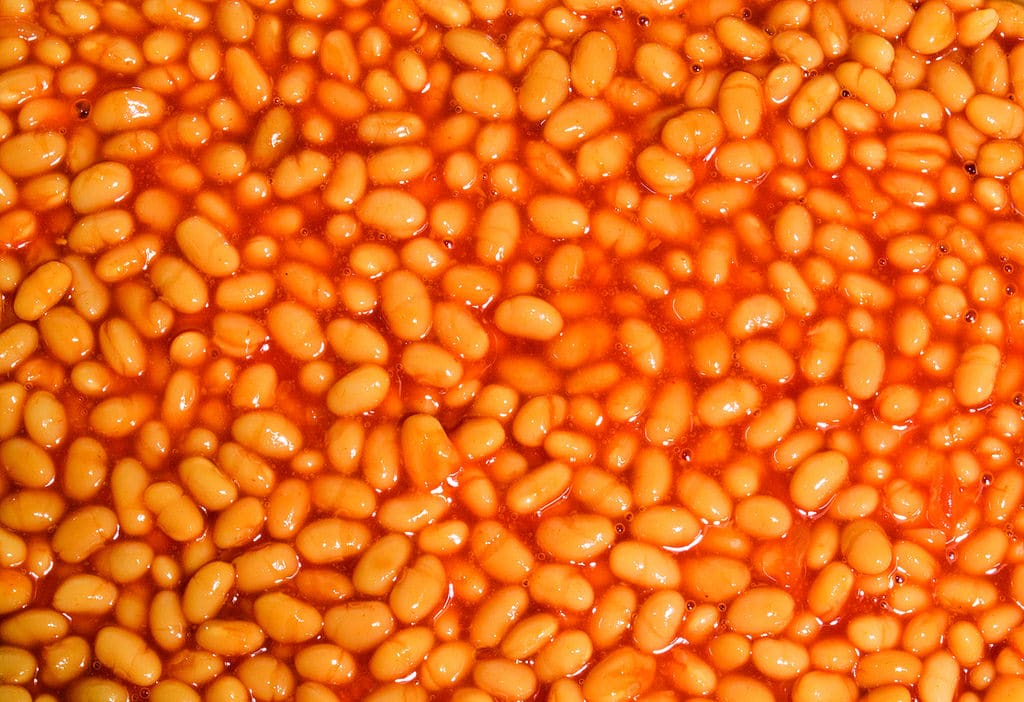
Baked beans are a staple at summer cookouts, weeknight dinners, and holiday spreads across the United States. In the US, baked beans are most popular during the summer months for family gatherings and barbecues — which means you often end up with more than you can finish in one sitting. The good news is that freezing them is a completely practical solution, and you don’t need any special equipment to do it right.
It is totally possible to preserve your favorite baked beans recipe in the freezer while keeping the best quality flavor and texture. However, there are a couple of key tips and tricks you should know so that your beans don’t get freezer burn and they are still delicious after thawing. This guide walks you through every step — from packing them up to using them in your favorite recipes after they’ve been frozen.
Baked beans are also worth preserving because they pack real nutritional value. They supply many nutrients, including plant protein, fiber, B vitamins, minerals, and health-protective plant compounds. If you’re interested in how legumes fit into a broader healthy diet, check out this overview of whole plant-based foods and their benefits.
Can You Freeze Baked Beans?
Baked beans can be frozen to maintain flavor and freshness. If you aren’t planning to eat your leftover baked beans right away, freezing them can be a great alternative to refrigerating them for only a few days. This applies to both homemade recipes and store-bought varieties.
You can freeze all baked beans, whether they be baked, cooked, grilled, canned, homemade, store bought, or whatever the case may be. The one hard rule: never freeze them inside the can. You should never freeze beans in the tin you bought them in. The metal can’t handle the expansion that happens when food freezes, which could lead to the can bursting.
Freezing leftover beans is a great way to minimize food waste and a great option for a quick meal on busy weeknights. Whether you made a big batch for a Fourth of July cookout or simply opened a can and didn’t use it all, the freezer is your friend. You can also explore other heart-healthy foods that store well for long-term meal planning.
Pro Tip: If you have canned baked beans with a long shelf life still sealed, there’s no need to freeze them — just store them in a cool, dark pantry. Only freeze once the can has been opened or the beans have been cooked.
Does Freezing Change the Texture or Taste of Baked Beans?
Freezing does affect baked beans slightly, but not enough to ruin them. Freezing might alter the texture a tad, rendering the beans a bit softer upon reheating, but their delightful, comfort-food flavor remains undisturbed. As a bonus, freezing does not deplete the nutritional value of the beans, so you’re not trading convenience for health benefits.
The science behind the softening is straightforward. When freezing foods, tiny ice crystals form. These act almost like little knives, breaking cell walls in the beans. This process can soften the beans a bit, which will change the texture when you are ready to thaw. The faster your freezer locks them in, the smaller those ice crystals stay — so don’t leave the beans sitting at room temperature for too long before freezing.
Flavors tend to mellow a bit over time in the freezer, especially spices. This effect is subtle, but you may want to be a little bolder with your pinch of spice when reheating. Flavor profiles typically remain intact, though seasoning may need slight adjustment after thawing to refresh the taste.
| Quality Factor | Before Freezing | After Thawing |
|---|---|---|
| Texture | Firm, intact beans | Slightly softer; avoid overcooking when reheating |
| Flavor | Full, seasoned taste | Mostly preserved; spices may mellow slightly |
| Nutritional Value | Full nutrients intact | Nutrients preserved; no significant loss |
| Sauce Consistency | Thick and coated | May thin slightly; stir well when reheating |
How to Freeze Baked Beans the Right Way
Getting the process right makes a big difference between beans that taste great after thawing and ones that turn to mush. To freeze baked beans correctly, you must cool them completely, portion them into freezer-safe containers, leave about an inch of headspace for expansion, and label them clearly with the date.
Follow these steps for the best results:
- Cool the beans completely. It is important to make sure beans are cooled to room temperature. If you place hot beans in the freezer, they will expand and turn to mush when you try to defrost them. Spread them out in a wide bowl to speed up cooling.
- Portion into serving sizes. One helpful trick is to portion out your beans prior to freezing. That way you can defrost only what you plan on eating and save the rest for later. This also helps quicken up the defrosting process.
- Choose the right container. Transfer the beans to a freezer-safe dish or tub. Glass or plastic containers with airtight lids work best, but you can also use freezer bags if you remove as much air as possible.
- Leave headspace. Leave at least an inch of space between the beans and the lid. Beans expand as they freeze, so they need that extra bit of room. If you fill the container to the brim, you risk having a bean explosion in your freezer.
- Label with the date. Clearly label each container with the contents and the date of freezing to track freshness and ensure they are used within the optimal timeframe. It’s easy to forget what’s in an unlabeled container after a few months.
- Freeze the same day. For best results, freeze your homemade beans the same day you cook them.
Pro Tip: If you’re using freezer bags, pour the beans in, zip closed, and flatten on the counter into one thin layer. Not only does this make storing in the freezer easier, but it makes defrosting easier too.
For canned beans specifically, one method is to rinse and drain the beans first. This step removes excess sodium from the canned beans. After rinsing, put the beans in an airtight container and add just enough water to cover them to help maintain their moisture.
How Long Can You Freeze Baked Beans?
Frozen baked beans can be stored safely for up to six months. For the best flavor and texture, it is recommended to consume them within the first three months. Beyond that point, they remain safe to eat but quality starts to slip.
Homemade and canned beans have slightly different timelines once frozen. As long as you store baked beans properly, homemade frozen baked beans in the freezer will last up to 6 months. Canned beans will last 3 months in the freezer. The difference comes down to additives and the density of the sauce in commercially prepared beans.
| Bean Type | Refrigerator (Opened/Cooked) | Freezer (Best Quality) | Freezer (Safe Maximum) |
|---|---|---|---|
| Homemade baked beans | 3–4 days | Up to 3 months | Up to 6 months |
| Canned (transferred, cooked) | 3–4 days | Up to 3 months | Up to 3 months |
| Unopened canned beans | N/A | Do not freeze in can | Store in pantry up to 1–2 years |
Baked beans can stay frozen for up to six months. Beyond that, they may still be safe to eat, but their texture and flavor might not be as good. To get the most out of your frozen batch, practice the “first in, first out” rule and always use the oldest container first.
How to Thaw Frozen Baked Beans
How you thaw your beans matters just as much as how you freeze them. When it comes time to defrost, a gentle thaw is a good way to maintain texture better. Those ice crystals melt slowly and reintegrate into the food. A quick thaw can cause the ice crystals to melt faster than the food can absorb the water, resulting in pockets of separated water and a mushier texture.
You have three main options:
- Refrigerator (best method): The top choice for thawing baked beans for quality and food safety is to thaw them overnight in the refrigerator. Simply transfer them from the freezer to the refrigerator and allow them to defrost overnight in their container or zipped freezer bag. For larger batches, plan for up to 24 hours.
- Cold water bath: If you’re in a hurry, you can place the sealed container in a bowl of cold water to speed up the process. Change the water every 30 minutes to keep it cold.
- Microwave (quick option): In a pinch, use the defrost setting on the microwave and make sure to check the beans every few minutes to ensure you do not overheat them.
Once thawed, reheat the beans on the stove over low heat, stirring occasionally. This prevents them from sticking to the pot and ensures they heat evenly. Make sure they reach an internal temperature of 165°F (74°C) before serving. For a deeper look at foods that support your health, see this guide on foods that support liver function — beans are a regular on that list.
Can You Refreeze Baked Beans After Thawing?
This is one of the most common questions people have, and the short answer is: it’s best to avoid it. Avoid refreezing thawed beans, as this accelerates quality degradation and increases the risk of spoilage.
As a rule of thumb, it’s not advisable to refreeze food once thawed due to potential bacterial growth. A tip is to freeze in smaller portions to avoid having to refreeze. This is exactly why portioning before freezing is so important — you only thaw what you need.
Important Note: Do not refreeze beans that have already been defrosted, as they will not keep well. If you’ve thawed more than you need, refrigerate the remainder and use it within 3–4 days rather than returning it to the freezer.
How to Use Frozen Baked Beans (Best Uses After Freezing)
Thawed baked beans are just as versatile as fresh ones. Because the texture softens slightly after freezing, they actually work even better in certain dishes where a creamier consistency is welcome. To maintain the quality and flavor of your baked beans after freezing and reheating, avoid overcooking the beans during the reheating process, as this can lead to a mushy texture and a loss of flavor. Instead, heat the beans gently over low to medium heat, stirring occasionally. Adding a small amount of liquid, such as water or broth, can help maintain the moisture level and prevent the beans from becoming too dry.
Here are some of the best ways to use your thawed baked beans:
- Classic side dish: Serve baked beans alongside grilled meats or vegetables for a balanced meal. They pair especially well with burgers, hot dogs, pulled pork, and smoked ribs.
- Bean chili: Use baked beans as a base for chili, adding vegetables and spices for a nutritious meal. The slightly softer texture blends right in.
- Burritos and wraps: Consider making a batch of bean burritos by filling tortillas with the beans, cheese, and salsa, then rolling them up and baking until warm.
- Soups and stews: Stir thawed beans into a pot of vegetable or broth-based soup. Pureed beans can be used to replace cream or higher-fat ingredients for a thicker, heartier base.
- Bean salads: Toss baked beans into salads for a protein boost and added texture. Let them cool fully after reheating before adding to fresh greens.
- Casseroles: Mix them into a casserole with cheese, vegetables, and breadcrumbs for a satisfying one-dish meal.
If you want to get the most nutritional value out of your beans, pair them with whole grains. Combine baked beans with brown rice or quinoa for a complete protein source. You might also find useful ideas in this guide on powerful nutrients and cancer-fighting foods, where legumes play a notable role. For more on legumes and their health properties, check out this article on mung beans as a comparison.
Signs That Frozen Baked Beans Have Gone Bad
Even in the freezer, baked beans can go bad — especially if they weren’t stored correctly from the start or if they’ve been in there too long. Knowing what to look for keeps you and your family safe.
Whenever you keep any dish for an extended period, it’s important to know the signs of spoilage to avoid a food safety hazard. After thawing the beans, open the container to check for any off smells, discoloration, or signs of mold. If you see or smell anything unusual, it’s best to throw them away.
Watch for these specific warning signs:
- Freezer burn: Excessive freezer burn — dry, discolored spots or patches — indicates quality degradation. Mild freezer burn is safe to eat but affects flavor; heavy freezer burn means the beans should be discarded.
- Off odor: Any sour, rancid, or otherwise strange smell after thawing is a clear sign the beans are no longer good.
- Unusual texture: If the beans have an odd texture or seem unusually slimy, that’s another indication that they’re well past their best.
- Visible mold: Any mold growth — even a small amount — means the entire batch should be thrown out immediately.
- Discoloration: After thawing, visually inspect for any unusual discoloration and perform a smell test for off-odors.
If in doubt, it’s always better to be safe and throw out any beans that don’t seem right. No side dish is worth a food safety risk. For more guidance on building a diet around nutrient-dense foods, see this resource on healing foods and foods for healthy skin — both of which highlight the value of plant-based staples like beans.
Frequently Asked Questions
Can you freeze baked beans with meat in them?
Yes, freezing baked beans with meat such as sausage or bacon works perfectly well without compromising quality. Just be aware that some meats may change slightly in texture after thawing, so reheat gently.
Can you freeze baked beans in their sauce?
Yes, you can freeze baked beans in their sauce. Freezing the beans in their sauce helps maintain their moisture and flavor. This is actually the recommended approach for homemade batches.
How do you reheat frozen baked beans without drying them out?
The easiest method is in a pot on the stove. Reheating on low heat over 20–30 minutes ensures you get the best taste the second time around and the beans have plenty of time to warm without splitting. Add a splash of water or broth if they look too thick.
Can you freeze baked beans straight from the can?
You can pour them straight from the can into a freezable bag. Just make sure to transfer them out of the metal can first — never freeze beans inside the original tin.
Do baked beans lose nutrients when frozen?
From a food safety standpoint, freezing cooked beans halts bacterial growth and extends shelf life significantly. And as noted above, the nutritional profile stays largely intact through the freezing and thawing process, so you keep the protein, fiber, and minerals you expect from this dish. According to Healthline
, just 1/2 cup (130 grams) of baked beans supplies 18% of the RDI for fiber — a benefit that freezing doesn’t take away.
How long do baked beans last in the fridge if I don’t freeze them?
Beans will last 3–4 days in the fridge when stored in an airtight container. After that window, move them to the freezer or discard them.