Can You Freeze Yellow Squash? Everything You Need to Know

November 8, 2026
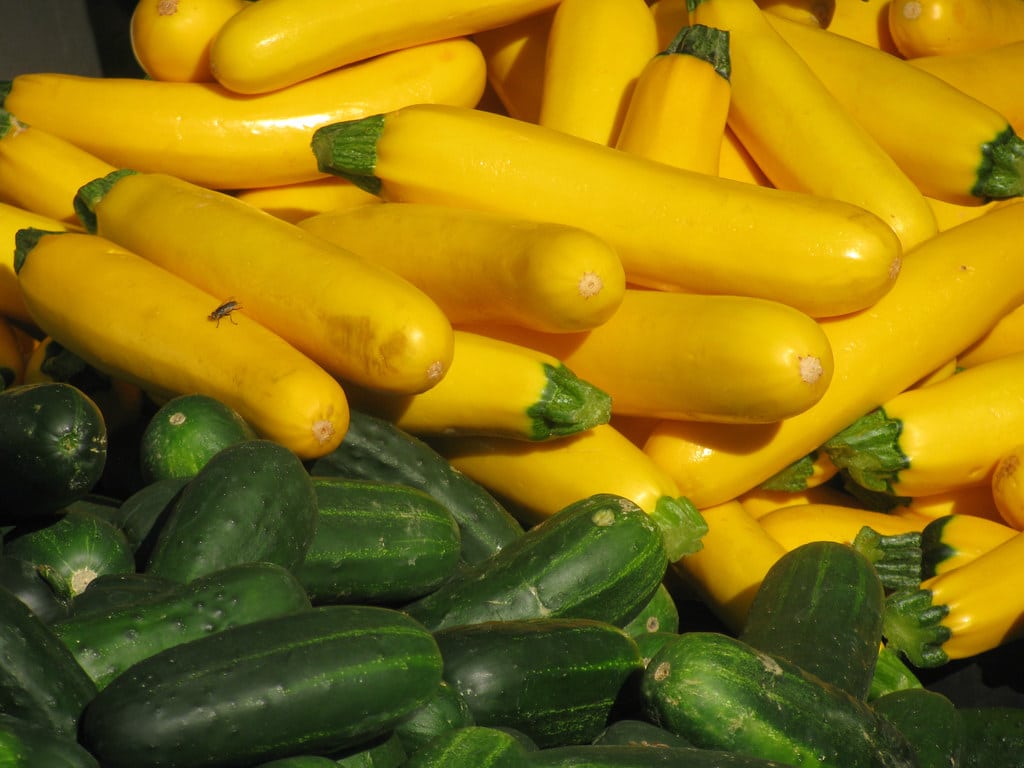
Yellow squash is one of those vegetables that practically takes over the garden in summer. One week you have a handful, and the next you’re staring down a countertop covered in more squash than you could ever cook fresh. Freezing is the smartest way to stretch that harvest all the way through fall and winter — but doing it right makes a real difference in what comes out the other end.
This guide walks you through everything: whether freezing changes the texture, how to prep and pack squash properly, how long it keeps, and the best ways to put it to use once it’s frozen. Whether you grew it yourself or grabbed a haul from a farmers market, you’ll have all the answers you need right here.
Can You Freeze Yellow Squash?
Yes, you can absolutely freeze yellow squash (Cucurbita pepo). It’s one of the more forgiving summer vegetables when it comes to long-term storage, and home cooks across the United States freeze it every season to enjoy well past the summer harvest window.
Freezing yellow squash refers to the home-based preservation technique used to extend the shelf life of fresh summer squash while retaining its nutritional profile, flavor, and functional properties for future cooking. The key is knowing which prep steps actually matter — and skipping the wrong ones can affect both texture and nutrition down the line.
Unlike canning or drying, freezing halts microbial growth and slows enzymatic activity — but only when applied correctly. That’s why a little upfront effort pays off with much better results when you pull the squash out months later. If you’re interested in other yellow-colored foods worth keeping on hand, yellow squash is one of the most versatile.
Does Freezing Change the Texture or Taste of Yellow Squash?
Honestly, yes — but it doesn’t have to be a dealbreaker. Blanching and freezing does change the texture of squash a bit compared to when it’s cut up fresh. The cell walls soften during freezing, so thawed squash won’t have the same firm snap as fresh. That said, the flavor holds up well when the squash is frozen at its peak.
While it might not be exactly the same texture as freshly picked and cooked squash, you’ll be glad you thought ahead to freeze it. The trick is cooking it the right way after freezing — more on that in the thawing and usage sections below.
Nutrition is another common concern. Minimal loss occurs with proper blanching and freezing: vitamin C drops approximately 10–15%, folate approximately 5–8%, and potassium remains nearly unchanged. That’s a small trade-off for months of extended shelf life. Yellow squash is also worth including in a heart-healthy diet, and freezing lets you keep it accessible year-round.
Pro Tip: The softer texture of frozen squash is actually an advantage in soups, casseroles, and stir-fries — it absorbs flavors more readily than fresh squash and blends into dishes seamlessly.
How to Freeze Yellow Squash the Right Way
There are a few methods that work well, but the most reliable one — and the one recommended by food preservation authorities — involves blanching before freezing. Summer squash, like most vegetables, must be blanched before they can be frozen. Blanching stops enzyme actions that can cause loss of flavor, color, and texture.
Here’s how to do it step by step:
- Choose the right squash. Choose young squash with tender skin. Smaller squash (under 6 inches) freeze better than oversized ones, which tend to be waterlogged and seedy.
- Wash and slice. Wash and cut in 1/2-inch slices. You can also cut into cubes if you prefer — just keep the pieces uniform so they freeze and cook evenly.
- Bring water to a boil. Blanching works best if you heat 1 gallon of water to boiling in a large pot fitted with a wire basket or colander. Have a large bowl of ice water ready on the side.
- Blanch for 3 minutes. Add no more than 1 pound of squash (4–6 cups) to the boiling water. If the water does not return to a boil within 30 seconds to 1 minute, you added too much. Once the water returns to a boil, blanch squash for 3 minutes (4 minutes at elevations greater than 3,500 feet).
- Ice bath immediately. After 3 minutes, remove the squash using the basket or colander and plunge the pieces into cold water or ice water. The quicker the slices cool, the more crispness they will retain.
- Drain and dry. Spread the blanched slices on a clean kitchen towel or paper towels and pat them as dry as possible. Excess moisture causes ice crystals and freezer burn.
- Flash freeze on a baking sheet. Slice squash and flash freeze flat on a baking sheet lined with parchment paper, then add to a bag, vacuum seal, and freeze. This step prevents the pieces from clumping together into one frozen block.
- Pack and seal. Cool promptly, drain, and package, leaving 1/2-inch headspace. Seal and freeze. Use freezer-grade bags or airtight containers — standard zip-top bags let air in over time.
- Label everything. Write the date and contents on each bag. Label and date packages so you always know what’s in your freezer and when it was packed.
Pro Tip: Blanching cleanses the surface of dirt and organisms, brightens the color, and helps retard loss of vitamins. Blanching also wilts or softens vegetables and makes them easier to pack.
If you’re thinking about food preservation more broadly, the National Center for Home Food Preservation at the University of Georgia is the go-to authority for home freezing guidelines. You can also explore whole plant-based foods for more ideas on building a freezer-friendly pantry.
How Long Can You Freeze Yellow Squash?
Properly packaged and frozen, squash should maintain high quality for approximately 10 months in the freezer. Some sources extend that window slightly. For best quality, use within 10–12 months when stored continuously at 0°F (−18°C) or colder. While safe indefinitely at that temperature, nutritional value and texture decline measurably after 12 months.
Here’s a quick reference for yellow squash storage:
| Storage Method | Expected Quality Duration | Notes |
|---|---|---|
| Refrigerator (fresh) | 5–7 days | Store in the refrigerator crisper in plastic storage bags or rigid containers to retain moisture. Stored this way, squash will maintain quality for 5–7 days. |
| Freezer (blanched, well-sealed) | 10–12 months | Best quality; use freezer-grade bags or vacuum-sealed bags |
| Freezer (raw, no blanching) | 2–3 months | Skipping blanching leads to rapid texture degradation, off-flavors, and significant loss of vitamin C and folate within 2–3 months. |
The takeaway: blanch it, seal it well, keep your freezer at 0°F, and your yellow squash will be in good shape for nearly a year. The Utah State University Extension echoes the same 10-month benchmark for best quality.
How to Thaw Frozen Yellow Squash
How you thaw frozen yellow squash matters just as much as how you froze it. The method you choose depends on what you plan to cook.
You don’t always need to thaw frozen yellow squash before cooking. You can add frozen slices directly to soups, stews, baked goods (like muffins or bread), or sautés — just increase cook time by 2–4 minutes. This is often the better option because it keeps excess moisture from making your dish watery.
Thaw only if using in dishes requiring precise moisture control, such as frittatas or grain pilafs. When you do need to thaw, place the sealed bag in the refrigerator overnight. Avoid thawing at room temperature, which encourages uneven texture and can introduce food safety concerns.
For shredded frozen squash used in baking, thaw and partially drain frozen, shredded squash before adding it to baked goods. Too much liquid can throw off the moisture balance in breads and muffins.
Important Note: Always cook squash from frozen when frying — never thaw then cook it, because when the squash thaws it will release water and dampen any breading. Cook it straight from frozen for the best texture.
Can You Refreeze Yellow Squash After Thawing?
Refreezing thawed yellow squash is generally not recommended. Once squash thaws, it releases a significant amount of moisture, and refreezing that waterlogged squash results in a mushy, degraded product that’s unpleasant to eat and has lost much of its nutritional value.
The better approach is to freeze squash in portion sizes you’ll actually use in one cooking session. By flash freezing the squash first, it won’t stick together, so the squash will come out of the package in pieces versus a frozen clump — which makes it easy to grab just what you need without thawing the whole batch.
If you’ve thawed squash in the refrigerator and it’s still cold and hasn’t sat out more than two hours, it’s technically safe to refreeze — but expect a noticeable drop in quality. It’s better to cook it and use it up. Frozen squash works well in a variety of dishes that are easy to put together quickly (more on that in the next section).
How to Use Frozen Yellow Squash (Best Uses After Freezing)
Frozen yellow squash is more versatile than most people expect. Because the texture softens slightly, it works best in cooked applications rather than raw ones — but that still covers a wide range of everyday meals.
Summer squash slices, cubes, or pieces come in handy for sautés, soups, stir-fries, and casseroles. These are the go-to uses for most home cooks, and frozen squash holds up well in all of them. Add frozen squash directly to soups and stews. If you want them to hold their texture better, add them toward the end of the cooking process.
Here are the best ways to use frozen yellow squash:
- Soups and stews: Drop frozen slices directly into the pot during the last 5–10 minutes of cooking. They’ll soften perfectly and absorb the surrounding flavors.
- Sautéed side dish: Cook from frozen in a hot skillet with olive oil, garlic, and a pinch of salt. It can be served by itself with some olive oil and garlic for an easy side dish.
- Casseroles: Frozen squash works well layered into casseroles — no pre-thawing needed in most recipes.
- Baked goods: Shredded summer squash can be used in baked goods, quiche, frittatas, casseroles, muffins, and breads. Thaw and drain before adding to batter.
- Fried squash: When you’re ready to fry the squash, do not thaw it. Fry battered squash from frozen so it won’t get mushy.
- Pasta and grain dishes: Toss frozen squash into pasta sauce, rice dishes, or grain bowls during the last few minutes of cooking.
- Puréed soups and smoothies: Summer squash purée is handy to have in the freezer for use in smoothies, soups, sauces, and baked goods.
Yellow squash pairs well with a wide range of ingredients, and its mild flavor makes it easy to fold into almost any savory dish. If you’re looking to add more nutrient-dense vegetables to your routine, check out these healing foods and foods for healthy skin — squash fits naturally into both categories.
Signs That Frozen Yellow Squash Has Gone Bad
Frozen yellow squash that’s been stored correctly and used within 10–12 months is almost always fine. But it’s worth knowing what to look for before you cook it, especially if you’re not sure how long something has been in the freezer.
Watch for these warning signs:
- Heavy freezer burn: Packing warm or damp squash causes ice crystals and freezer burn. Light surface frost is normal, but large grayish-white patches with a dry, papery texture indicate significant freezer burn. The squash is still safe to eat but will taste bland and have poor texture.
- Off smell: Frozen squash should smell neutral or faintly vegetable-like when thawed. A sour, fermented, or noticeably unpleasant odor means it’s past its prime — discard it.
- Unusual color: Yellowing that shifts to brown or gray, especially with a slimy texture after thawing, is a sign of degradation. Some color change is normal, but significant browning paired with a bad smell is a red flag.
- Excessive mushiness after thawing: A little softness is expected. But squash that completely falls apart into a watery mess when thawed has likely been stored too long or improperly sealed.
- Ice crystals inside the bag: Large amounts of ice inside the bag (not just on the surface of the squash) suggest the freezer temperature fluctuated or the bag wasn’t sealed properly. The squash may still be usable but check for off smells and texture before cooking.
Important Note: When in doubt, throw it out. Yellow squash is inexpensive and widely available during summer, and it’s not worth risking a meal on squash that’s clearly past its best. Proper labeling with the freeze date is the easiest way to avoid guessing.
Frequently Asked Questions
Do you have to blanch yellow squash before freezing?
The National Center for Home Food Preservation
and Utah State University Extension
both recommend blanching for best results. Skipping blanching leads to rapid texture degradation, off-flavors, and significant loss of vitamin C and folate within 2–3 months. Blanching isn’t strictly required for short-term freezing, but it makes a meaningful difference in quality over time.
Can you freeze yellow squash without cooking it first?
Yes, you can freeze it raw. Some home cooks never blanch the squash before freezing, raw packing the squash after cutting, then flash freezing and vacuum sealing. Raw-packed squash works fine when used within a couple of months, but blanched squash holds up significantly better over a longer storage period.
How do you freeze yellow squash so it doesn’t get mushy?
Two things help most: blanching before freezing and cooking from frozen rather than thawing first. Cooking it straight from frozen results in a texture that is soft and supple but not mushy. Flash freezing in a single layer on a baking sheet before bagging also helps pieces stay separate and retain better texture.
Can you freeze yellow squash whole?
It’s not recommended. Whole squash freezes unevenly and the skin and flesh don’t hold up well through the freeze-thaw cycle. Slicing or cubing before freezing gives you much better results and makes the squash easier to use directly from the freezer.
Is frozen yellow squash as nutritious as fresh?
Very close. Minimal loss occurs with proper blanching and freezing: vitamin C drops approximately 10–15%, folate approximately 5–8%, and potassium remains nearly unchanged. Frozen squash is a solid nutritional choice, especially compared to fresh squash that’s been sitting in the refrigerator for several days. For more on nutrient-rich foods, see this guide on powerful nutrients and foods worth adding to your diet.
Can you freeze yellow squash for soup?
Yes, and soup is one of the best uses for frozen squash. Never thaw the squash first — add frozen squash directly to soups and stews. It softens quickly in hot liquid and doesn’t need any extra prep before going into the pot.