
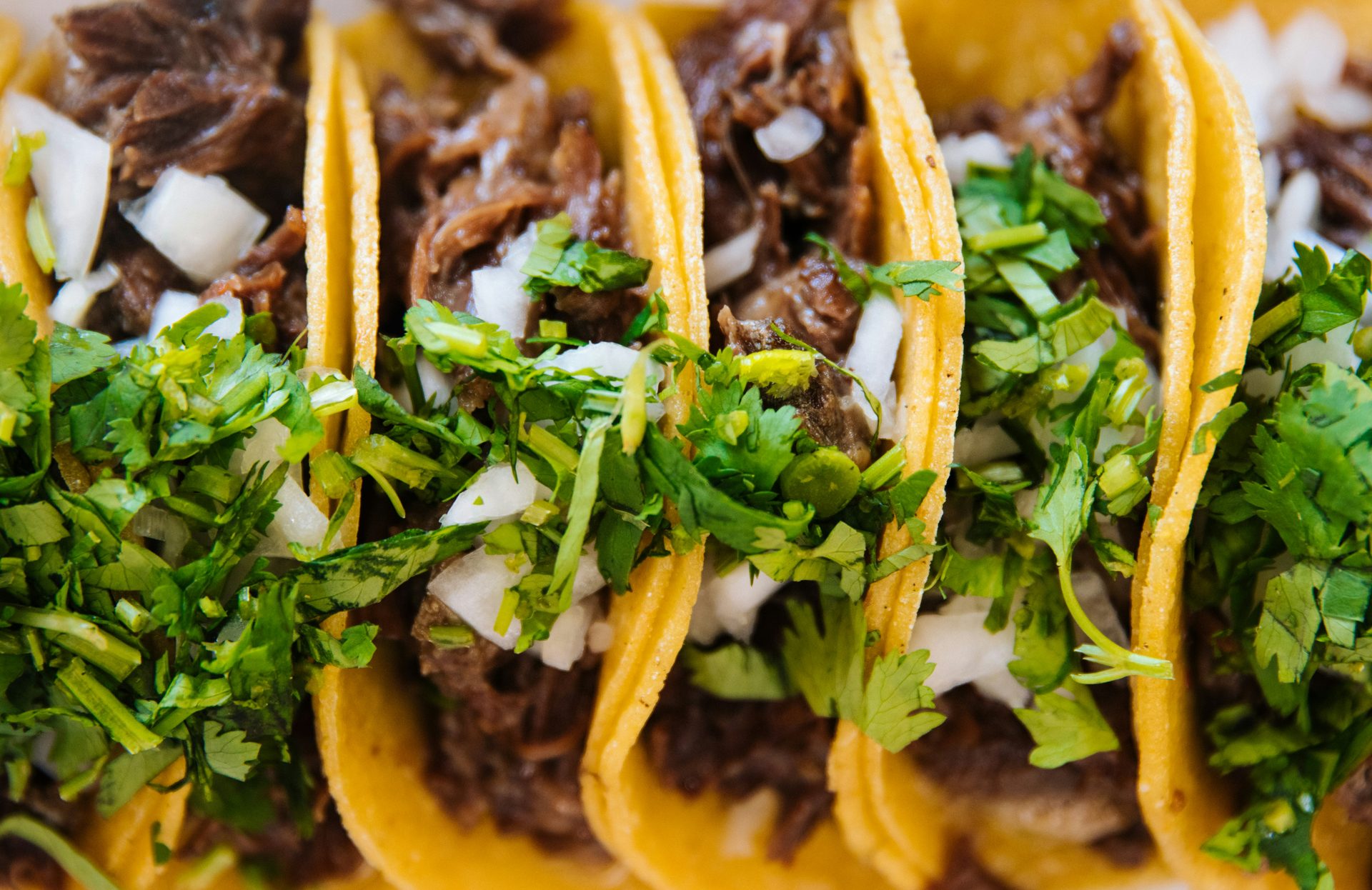
Taco meat is one of the most freezer-friendly foods you can make at home. Whether you cooked a big batch on purpose or ended up with more seasoned ground beef than your family could eat in one sitting, the freezer is your best friend here.
Taco meat can easily be prepared and frozen for later use. Not only does it freeze very well, but it also does not need to be thawed when it comes time to use it. That kind of flexibility makes it a genuine weeknight lifesaver, especially for busy households across the US where taco night is a weekly ritual.
This guide covers everything from how freezing affects the texture and taste of taco meat, to the right way to pack it, how long it lasts, and what to do once it comes out of the freezer.
Can You Freeze Taco Meat?
The good news is taco meat freezes well if it’s raw or cooked. Most home cooks freeze it after cooking and seasoning, which gives you the biggest convenience payoff — just reheat and serve.
Freezing taco meat offers numerous advantages for busy individuals and families. Having pre-cooked taco meat on hand means quick and easy taco nights, perfect for hectic weeknights. Buying ground beef in bulk and freezing portions can also significantly reduce your grocery bill.
Any type of ground meat can be used — chicken, turkey, beef, or pork. All of these freeze equally well once cooked and seasoned, so you’re not limited to classic ground beef if your family prefers a leaner option.
Pro Tip: Cook a large batch on the weekend — it takes barely more effort than cooking one pound — and freeze in meal-sized portions. You’ll have several dinners ready to go with almost zero prep on busy nights.
Does Freezing Change the Texture or Taste of Taco Meat?
Taco meat holds up better in the freezer than most cooked proteins because it’s already broken into small crumbles and well-seasoned. That said, a few things can affect the result if you’re not careful.
Allow the cooked ground beef to cool completely before freezing. This prevents the formation of large ice crystals that can affect the texture of the meat upon thawing. Rushing this step is the most common reason frozen taco meat comes out grainy or watery.
Most seasoned taco meat contains water. Water is more likely to form ice crystals and cause your food to have freezer burn. If you can avoid it, don’t freeze items that contain water. One practical workaround: use tomato sauce in place of the water. Not only does it freeze better this way, but it also tastes better — the tomato sauce adds a nice depth of flavor to the meat.
For best quality, use the meat within 3 months. It’s still safe after that, but texture can decline. Spices can also mellow slightly over time, so you may want to add a pinch of extra seasoning when reheating.
How to Freeze Taco Meat the Right Way
Good freezing technique makes a real difference in quality. Follow these steps and your taco meat will come out tasting nearly as good as the day you cooked it.
- Cool it down first. Allow the meat to cool before storing. If you have large pieces, cutting them down to a smaller size will help them cool faster. Spreading the meat out over a larger surface, such as a cooking sheet, also reduces cooling time. The faster the meat cools, the less bacteria can grow on it before you store it.
- Don’t leave it out too long. It is best to refrigerate the meat as soon as possible, and definitely within 2 hours of preparation. In rooms that are 90°F or greater, food should be stored or thrown out prior to the one-hour mark.
- Portion it out. Portion into freezer-safe bags or containers. Aim for 2–3 cups per bag — about what you’d use for one meal. This way you only thaw what you need.
- Remove the air. Place the meat in a freezer bag and close the bag except for a small gap. Compress the bag to remove excess air and seal the top completely. Lay the bag flat and smooth out the contents to distribute them evenly. Freeze in this flat state for easy storage and thawing.
- Label everything. Mark the freezer bag with the contents, the freezing date, and the expiry date. You’ll thank yourself three months from now when you can’t remember what’s in the bag.
Key Insight: Flattened bags thaw faster and take up less freezer space — which matters when your freezer is already packed. Stack them vertically like files in a drawer once they’re frozen solid.
You’ll need something freezer-safe for storing your taco meat. Standard freezer bags, reusable freezer bags, Souper Cubes, or freezer-safe soup containers all work well. If you’re storing larger family-sized portions, airtight glass containers are ideal because food lasts longer in glass storage.
How Long Can You Freeze Taco Meat?
Shelf life depends on the container you use and how well the air was removed before sealing. Here’s a quick reference:
| Storage Method | Recommended Timeframe | Notes |
|---|---|---|
| Refrigerator (airtight container) | 3–4 days | Best for short-term use |
| Freezer (zip-top freezer bag) | 3–4 months | Best quality within 3 months |
| Freezer (airtight glass container) | Up to 4 months | Glass preserves flavor longer |
| Deep freezer (vacuum-sealed) | Up to 6 months | Quality declines after 4 months |
To minimize the risk of foodborne illness, beef taco meat should be refrigerated within two hours of cooking. The USDA recommends storing cooked taco meat in an airtight container at 40°F or lower. Refrigeration time should not exceed 3–4 days to maintain safety and quality.
Taco meat can be frozen for up to 3 months and still retain its delicious flavor when you use airtight glass storage containers or well-sealed freezer bags. It will last up to 6 months in a deep freezer if packaged and sealed using a food saver machine.
For most households, the practical sweet spot is 3 months in a standard freezer bag. Beyond that, the meat is still technically safe if your freezer holds a steady 0°F, but the seasoning and texture will have noticeably faded. You can learn more about general whole-food storage strategies that complement a well-stocked freezer.
How to Thaw Frozen Taco Meat
You have three solid options for thawing, depending on how much time you have. Each works — it’s just a matter of planning ahead.
Option 1: Overnight in the Refrigerator (Best)
Transfer the frozen taco meat from the freezer to the refrigerator and allow it to thaw overnight or for several hours, depending on the portion size. This is the safest method and produces the best texture because the meat thaws slowly and evenly.
Option 2: Cold Water Bath (Faster)
Place the frozen taco meat in a sealed bag and submerge it in cold water. Change the water every 30 minutes until completely thawed. This method is faster than refrigerator thawing but requires more attention. A flat bag frozen in a single layer will thaw in under an hour this way.
Option 3: Straight from Frozen (No Thaw Needed)
Since cooked and frozen meat stays loose in the freezer and does not clump together, it warms easily from frozen — just add a little bit of water while cooking to prevent sticking. Add frozen taco meat to a small saucepan with a little water and heat gently, stirring occasionally.
Important Note: Never thaw taco meat on the counter at room temperature. At temperatures between 40°F and 140°F, bacteria thrive — a range often referred to as the “danger zone.” Refrigerating your taco meat promptly helps keep it out of this zone and preserves its freshness and flavor.
When reheating on the stovetop, use a splash of oil in a skillet on medium-low heat for about 2–3 minutes, stirring throughout. This keeps the meat from drying out and helps retain moisture. You can also reheat in the microwave in 60-second intervals, stirring between each. If the meat seems dry, try adding a small amount of water, sauce, or broth to replace moisture lost during reheating.
Can You Refreeze Taco Meat After Thawing?
This is one of the most common questions about frozen taco meat, and the answer depends on how you thawed it.
You can freeze meat that’s been previously frozen under certain conditions. For example, you can use thawed raw beef to make your taco meat and refreeze it once it’s been fully cooked. However, you shouldn’t refreeze raw meat. To ensure optimal food safety and quality, don’t refreeze raw meat.
In plain terms: if you thawed cooked taco meat in the refrigerator and it stayed cold the entire time, you technically can refreeze it — but the texture will suffer noticeably. A better approach is to portion your taco meat before freezing so you only pull out exactly what you need. Meat can only be reheated once for food safety.
If you thawed taco meat using the cold water method or the microwave, cook it immediately and do not refreeze it.
How to Use Frozen Taco Meat (Best Uses After Freezing)
One of the biggest advantages of keeping frozen taco meat on hand is how many different meals it unlocks. Taco meat is so versatile and can be used in many more recipes than just plain tacos. Favorites include Crockpot Taco Soup, Taco Potatoes, and Taco Lettuce Wraps. You can also serve it over rice with cheese on top, or spread some on a tortilla, sprinkle with cheese, roll it up, and heat.
Here are some of the best ways to put frozen taco meat to work:
- Classic tacos and tostadas — the obvious choice, and still the best one on a weeknight
- Burrito bowls — layer over rice with black beans, corn, and salsa for a fast lunch
- Taco salad — serve warm over shredded romaine with cheese, tomatoes, and crushed tortilla chips
- Nachos — spread over a sheet pan of chips, top with cheese, and broil for 3–4 minutes
- Taco soup — add to a pot with broth, canned tomatoes, beans, and frozen corn; simmer 20 minutes
- Quesadillas — stuff between flour tortillas with shredded cheese and cook in a dry skillet
- Taco pasta — toss with cooked pasta, salsa, and cream cheese for a quick one-pan dinner
- Enchiladas and burritos — roll with cheese and sauce, then bake until bubbly
Taco meat thaws really quickly, so it makes for a great last-minute dinner idea if you forgot to pull something out of the freezer earlier in the day. If you’re looking for more inspiration on how to build nutritious, balanced meals around your freezer staples, check out these heart-healthy foods that pair well with lean taco proteins like ground turkey or chicken.
Signs That Frozen Taco Meat Has Gone Bad
Frozen food doesn’t last forever, and taco meat is no exception. Before reheating, take 30 seconds to check for these warning signs.
Smell: A foul smell is a crucial indicator of spoiled taco meat. Spoiled meat has a sour or rancid smell. If your taco meat smells off, it’s best to throw it away.
Color: Because taco meat contains somewhat acidic ingredients such as tomatoes and salsa, it may affect the color of other delicate ingredients such as onions and vegetables. Although a slight color change is expected, deep discoloration in the meat indicates it has gone bad. Fresh taco meat should have a bright, consistent color. If it turns gray or green, discard it.
Texture: Fresh meat should feel firm and moist but not slimy. A slimy texture is a sign of bacterial growth.
Freezer burn: According to USDA scientists, food stored at 0°F and below should have an indefinite shelf life. But parameters in the freezer do change, and the temperature can move up and down, causing the food to become exposed to sublimation, also known as freezer burn. Heavily freezer-burned meat won’t make you sick, but the dry, leathery patches taste bad and should be trimmed away before reheating.
Mold: Any sign of mold is a clear indicator that the meat has spoiled. Don’t try to salvage it — discard the entire container.
Common Mistake: Relying only on the smell test with frozen meat. Always check color and texture too, since freezing can mute odors temporarily. When in doubt, throw it out.
Proper food storage habits extend well beyond taco meat. If you’re building a healthier kitchen overall, take a look at foods that support liver function and nutrients that support cancer prevention — both pair well with a whole-food approach to meal prep.
Frequently Asked Questions
Can you freeze taco meat with beans in it?
Beans in taco meat freeze and thaw just as well as basic taco meat. Black beans, pinto beans, and kidney beans all hold their texture reasonably well through the freeze-thaw cycle.
Can you freeze taco meat made with ground turkey or chicken?
Any type of ground meat can be used — chicken, turkey, beef, or pork — and all freeze well using the same method. Ground turkey is leaner and may dry out slightly more on reheating, so add a splash of broth when warming it up.
Do you have to thaw frozen taco meat before cooking?
No. Since cooked and frozen meat stays loose in the freezer and does not clump together, it warms easily from frozen. No thawing is necessary — just reheat and serve it with your favorite fixings.
How do you keep frozen taco meat from drying out?
Reheat on the stovetop or in the microwave with a splash of water or salsa to keep the meat moist. A tight-fitting lid on the pan also traps steam and speeds up the process.
Is it better to freeze taco meat cooked or raw?
You can only truly benefit in the process by freezing the taco meat that is mixed and cooked. Freezing it already seasoned means it’s genuinely ready to eat the moment it’s reheated — no extra prep required.
Can you freeze taco meat in a glass container?
Yes. If you serve larger, family-sized amounts or use freezer taco meat to make casserole-type meals, airtight glass containers are ideal because food lasts longer in glass storage. Just leave an inch of headspace at the top so the container doesn’t crack as the contents expand.
What’s the best way to label frozen taco meat?
Mark the freezer bag with the contents, the freezing date, and the expiry date. A permanent marker on masking tape works perfectly if your bags don’t have a write-on strip. Aim to include the protein type (beef, turkey, chicken) so you don’t have to guess later.
For more ideas on building a healthier plate around your meal-prepped proteins, explore fibroid-friendly healing foods and foods that promote healthy skin — both are worth adding to your regular rotation alongside a well-stocked freezer.