
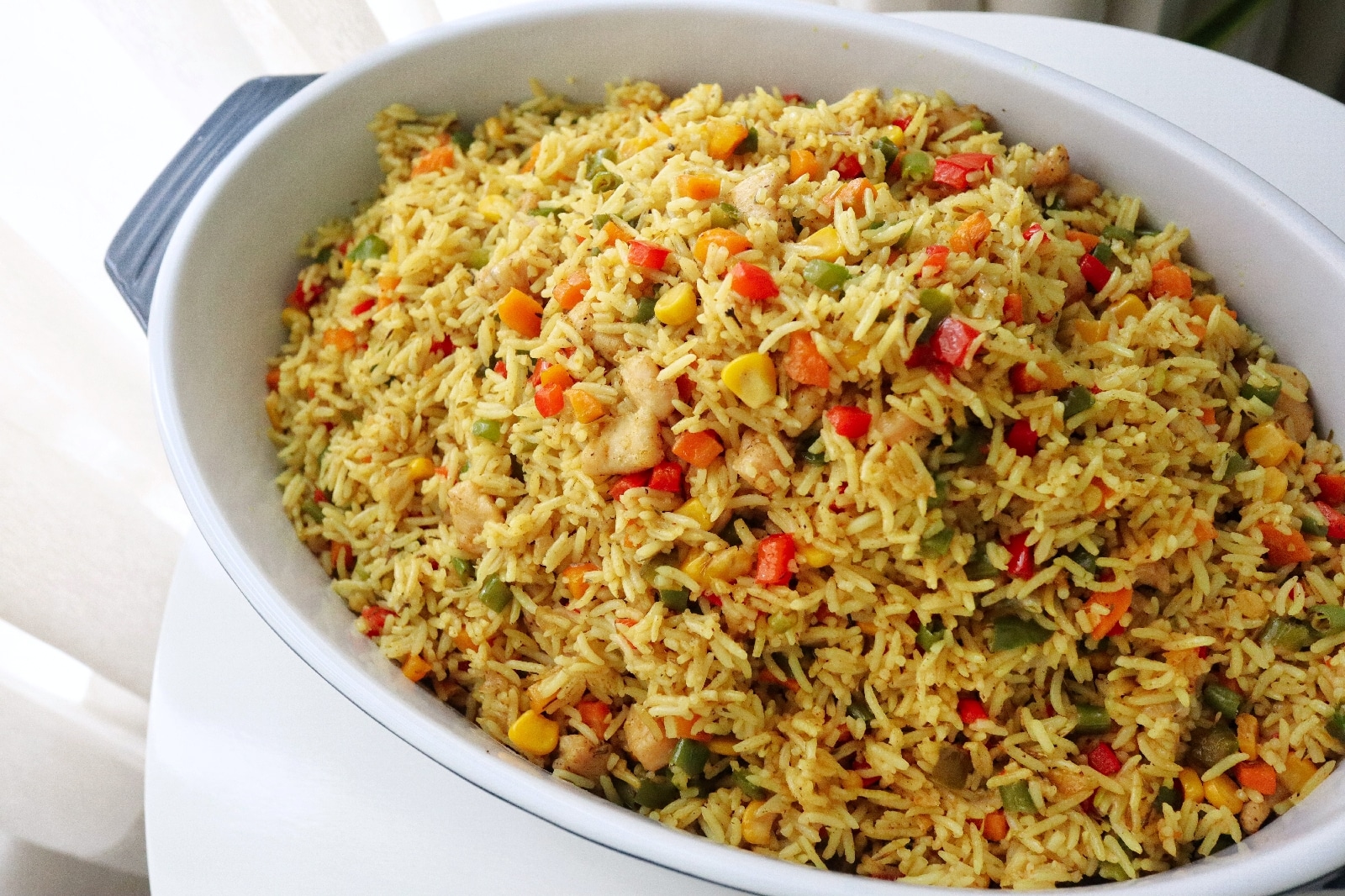
If you’ve ever made a big batch of fried rice — or ordered too much takeout — you already know the dilemma: eat it all now or watch it sit in the fridge until it’s past its prime. The good news is that fried rice is one of the better candidates for the freezer, and with the right technique, you can pull it out weeks later and still enjoy a satisfying meal.
This guide covers everything you need to know about freezing fried rice safely, from the step-by-step process and storage timelines to thawing, reheating, and spotting spoilage before it becomes a problem. Whether you’re meal prepping for the week or saving a leftover order from your favorite Chinese-American spot, you’ll find practical answers here.
Can You Freeze Fried Rice?
You can easily freeze cooked rice, which is great if you’ve made too much or got a surplus delivered with your takeout. You can even freeze rice that has other ingredients mixed in, including veggies or meat — and fried rice is an excellent example. The dish holds up well in the freezer precisely because of how it’s made.
Fried rice is one of the better rice dishes for freezer storage because its lower moisture content — compared to plain boiled rice — prevents the grains from becoming mushy when frozen. That’s the same quality that makes day-old rice ideal for frying in the first place.
Freezing rice shortly after it has been cooked is a must. Rice can contain a bacteria called Bacillus cereus, which can survive the cooking process and may lead to food poisoning. Since the bacteria thrive at room temperature, cooling rice as soon as possible after cooking is the safest policy. Sticking rice in the freezer stops potential bacteria growth in its tracks, which makes freezing a safer option than refrigeration.
Pro Tip: If you make fried rice specifically to freeze, consider mixing all the ingredients together and freezing the dish before the final fry. Cooking it fresh from frozen gives you the best texture of all.
Does Freezing Change the Texture or Taste of Fried Rice?
Freezing does affect fried rice — but the changes are manageable, especially if you follow good storage practices. Freezing helps maintain the flavors and texture of the dish, including the mix of vegetables, meat, and seasonings. When properly stored, frozen fried rice keeps its quality and remains a convenient option for quick meals.
The main issue to watch for is texture at the grain level. The formation of large ice crystals during the freezing process can lead to deteriorated rice texture, characterized by increased hardness and decreased stickiness. This is why spreading fried rice flat in a thin, even layer before freezing matters — it promotes faster, more uniform freezing and reduces the size of those ice crystals.
Shorter types of rice retain their texture a bit better, including arborio or sushi rice. Longer-grained varieties, such as jasmine and basmati rice, tend to dry out a bit. Most American-style fried rice uses long-grain white rice, so you may notice some dryness after thawing — a splash of water or broth during reheating fixes this quickly.
The seasonings, soy sauce, sesame oil, and any vegetables or proteins you’ve mixed in generally survive the freeze-thaw cycle well. The dish will taste like fried rice, not a pale imitation of it, as long as you don’t leave it in the freezer too long.
How to Freeze Fried Rice the Right Way
The process takes less than 10 minutes of active work. The key steps are cooling quickly, portioning smartly, and removing as much air as possible before sealing.
- Cool it fast. Freeze within one hour of cooking — the same rule that applies to refrigerating rice. Spread the fried rice on a baking sheet to create a thin layer so heat escapes quickly and evenly.
- Portion it out. You can freeze a batch of rice in one container, but it’s handy to freeze individual servings so you only have to thaw as much rice as you need. Aim for one to two cup portions.
- Flash freeze (optional but recommended). Spread portions on a parchment-lined baking sheet and freeze for one hour before transferring to freezer bags. This prevents clumping.
- Pack tightly. Spread the rice flat in freezer bags to allow thin uniform freezing, which means faster thawing and fewer ice crystals forming large clusters that damage texture. Press all air out of freezer bags before sealing to prevent freezer burn.
- Label everything. Label the package with the date to make it easy to track how soon you should eat it. All frozen fried rice looks identical after two weeks.
Pro Tip: If your fried rice contains a saucy component — like Fujian-style fried rice with a gravy topping — store the sauce separately. Keeping the sauce mixed in can make the rice mushy after thawing.
You can also use a vacuum sealer for the longest-lasting results. There are two ways to freeze fried rice: with a Ziploc bag or a vacuum sealer. However, using a vacuum sealer requires a special bag and a sealer machine. For most home cooks, a heavy-duty zip-top freezer bag with the air pressed out works just fine.
How Long Can You Freeze Fried Rice?
Storage timelines vary slightly by source, but the consensus points to one to three months for best quality. Here’s a breakdown:
| Storage Location | Best Quality Window | Safe to Eat? |
|---|---|---|
| Room temperature | Up to 2 hours max | Discard after 2 hours |
| Refrigerator (40°F or below) | 3–5 days | Yes, within that window |
| Freezer (0°F) | 1–3 months for best quality | Safe indefinitely if kept frozen |
Properly stored, frozen fried rice will maintain best quality for about six months, but will remain safe beyond that time. The freezer time shown is for best quality only — leftover fried rice that has been kept constantly frozen at 0°F will keep safe indefinitely. That said, quality drops noticeably after the two- to three-month mark.
Most frozen foods, including cooked rice, should be consumed within three to six months for optimal taste and texture. For everyday meal prep purposes, aim to use frozen fried rice within one to two months for the best eating experience. You can check out how many calories are in fried rice if you’re also tracking nutritional intake alongside your meal prep routine.
How to Thaw Frozen Fried Rice
You have three solid options for thawing frozen fried rice, and the right one depends on how much time you have.
Refrigerator thawing (best for texture): The best way to defrost rice is in the fridge. Once defrosted, use it within 24 hours. Transfer the bag or container from the freezer to the fridge the night before you plan to eat it. This slow thaw is gentlest on the grain structure.
Microwave thawing (fastest method): The fastest method that also works well is microwaving directly from frozen. Add one to two tablespoons of water per cup of rice, cover loosely, and microwave in one-minute intervals, fluffing between intervals. You can cover the rice with a wet paper towel to prevent dryness. If the rice still seems dry, add a tablespoon of water and reheat for one to two minutes.
Stovetop thawing and reheating (best for flavor): It is best to thaw the rice overnight, then heat oil in a skillet, add rice, and stir occasionally until warm, about five minutes. This method revives the slightly crispy texture that makes fried rice worth eating in the first place.
Important Note: Leftover fried rice that has been thawed in the fridge can be kept for an additional three to four days in the refrigerator before cooking; fried rice that was thawed in the microwave or in cold water should be eaten immediately.
No matter which method you choose, make sure the rice is heated all the way through before serving. When thawing leftovers in a microwave, continue to heat until it reaches 165°F as measured with a food thermometer. If you’re pairing your reheated fried rice with other dishes, take a look at these ideas for what to serve with fried rice to round out the meal.
Can You Refreeze Fried Rice After Thawing?
This is one of the most common questions about frozen fried rice, and the answer has an important nuance. Refreezing is technically possible under specific conditions, but it comes with real trade-offs in both texture and safety.
It’s generally not recommended to refreeze thawed rice. Refreezing can compromise the texture and taste of the rice due to the moisture loss in the thawing process. If you’ve thawed more rice than you can use, consider turning it into a new dish and refrigerating it instead.
The USDA does provide a pathway for safe refreezing in limited cases. It is safe to refreeze any food remaining after reheating previously frozen leftovers to the safe temperature of 165°F as measured with a food thermometer. If a large container of leftovers was frozen and only a portion is needed, it is safe to thaw the leftovers in the refrigerator, remove the needed portion, and refreeze the remainder of the thawed leftovers without reheating it.
The practical takeaway: freeze fried rice in individual portions from the start so you never have to refreeze. That single habit eliminates the problem entirely and protects both food safety and texture quality. It’s best to avoid reheating rice more than once. Repeated reheating can create the conditions needed for bacteria to grow.
How to Use Frozen Fried Rice (Best Uses After Freezing)
Frozen fried rice is more versatile than it might seem. Once thawed and reheated, it works well in a wide range of meals — not just as a standalone dish. If you’re looking for vegetarian sides to pair with fried rice, frozen fried rice can anchor a plant-based plate just as easily as a freshly cooked batch.
- Stir-fry base: When you’re making stir-fried rice, you need to start with cold, very firm rice — anything else would turn to mush in your skillet or wok. Therefore, these dishes are a perfect way to use frozen leftover rice.
- Stuffed peppers or wraps: Thawed fried rice makes a quick filling for bell peppers or flour tortillas. Add a little cheese and bake, or wrap cold with fresh vegetables for a handheld lunch.
- Fried rice soup: Stirring thawed, leftover rice into a bowl of chicken soup with veggies is comfort in a bowl. The rice absorbs the broth and softens beautifully.
- Egg bowls: Reheat a portion in a skillet, push it to the side, and fry a fresh egg on top. A drizzle of sriracha or soy sauce brings it all together in under 10 minutes.
- Meal prep lunches: Portion thawed fried rice into containers alongside steamed broccoli, edamame, or sliced cucumber for a balanced weekday lunch that requires zero additional cooking.
For a broader look at how rice-based meals fit into a nutritious diet, you might find this guide on whole plant-based foods useful, especially if you’re building fried rice around vegetables and legumes rather than meat.
Signs That Frozen Fried Rice Has Gone Bad
Knowing when to toss frozen fried rice is just as important as knowing how to store it. Here are the key warning signs to check before you reheat a frozen portion.
Off smell: Fresh fried rice has a savory, slightly smoky aroma from the wok heat, combined with the specific smell of soy sauce, sesame oil, egg, and whatever vegetables and protein are in it. Bad fried rice develops a sour, fermented, or musty smell — caused by bacterial metabolic activity. A sour smell means definitive discard. However, the absence of a bad smell does not mean the rice is safe.
Slimy or wrong texture: Properly stored fried rice should have individual grains that separate relatively easily when cold. If the surface feels slimy, excessively wet, or the grains have fused into a wet mass with a greasy-slick surface, bacterial biofilm has formed. This is a definitive discard indicator. Some slight clumping of cold fried rice is normal; the distinction is between dry clumps that separate with gentle pressure (normal) vs. a wet, slimy mass that doesn’t separate (spoiled).
Visible mold: Visible mold — fuzzy spots in white, green, blue, or black — means the rice is definitely spoiled. Discard the entire container, as mold can spread through food even when not visible to the naked eye.
Severe freezer burn: Fried rice with extensive white, dry patches and a cardboard-like smell after thawing has been damaged by freezer burn. It isn’t unsafe, but the texture and flavor will be unpleasant. Use it in a soup or broth-based dish where the liquid can mask the dryness, or discard it.
Time in the freezer: Stored properly, frozen rice lasts for up to three months in the freezer. Any longer than that will lead to dried out, flavorless rice. It may also become unsafe to eat if it’s not stored in an airtight container. When in doubt about how long something has been frozen, check your label — and if there’s no label, err on the side of caution.
Important Note: The US FDA recommends refrigerating cooked rice within one hour of cooking — not the standard two-hour window that applies to most cooked foods. This is because rice is a known high-risk environment for Bacillus cereus growth and toxin production, which happens faster in cooked rice than in most other cooked foods.
Frequently Asked Questions
Can you freeze fried rice with egg in it?
Yes. Scrambled egg in fried rice freezes reasonably well. The texture of the egg may become slightly firmer after thawing, but it blends into the dish without being noticeably off. Avoid freezing fried rice that has runny or soft-boiled egg on top — those don’t hold up well.
Can you freeze restaurant or takeout fried rice?
The shelf life of leftover fried rice depends largely on storage conditions — refrigerate fried rice within two hours of cooking or purchasing. To maximize the shelf life of leftover fried rice for safety and quality, refrigerate the fried rice in airtight containers. The same rule applies to takeout: cool it quickly and freeze it within two hours of receiving your order.
Is it better to freeze fried rice cooked or uncooked?
One effective method is to mix all the ingredients together and freeze without cooking. Then you “fry” it after you freeze it when you are ready to use it. Cooking it after you freeze it gives it the best texture. This works best when you’re making fried rice specifically for the freezer.
Can you freeze brown rice fried rice?
Chewy, nutty brown rice freezes well too, keeping its hearty texture even after a couple of months on ice. Brown rice fried rice is a solid freezer option, and the heartier grain structure actually holds up better than some long-grain white rice varieties. For more on the nutritional benefits of different rice types and ingredients, see this resource on superfoods for a healthy heart.
How do you reheat frozen fried rice without drying it out?
Add moisture back during reheating. In the microwave, add one to two tablespoons of water per cup and cover with a damp paper towel. On the stovetop, heat a small amount of oil in a skillet over medium heat, add the thawed rice, and stir frequently. A splash of soy sauce or broth helps restore both moisture and flavor. Reheating with extra water or broth works especially well for longer-grain varieties that tend to dry out.
How long does fried rice last in the fridge before freezing?
Properly stored, leftover fried rice will last for five to seven days in the refrigerator. If you know you won’t eat it within a couple of days, it’s smarter to freeze it sooner rather than later — the fresher it goes in, the better it comes out.