
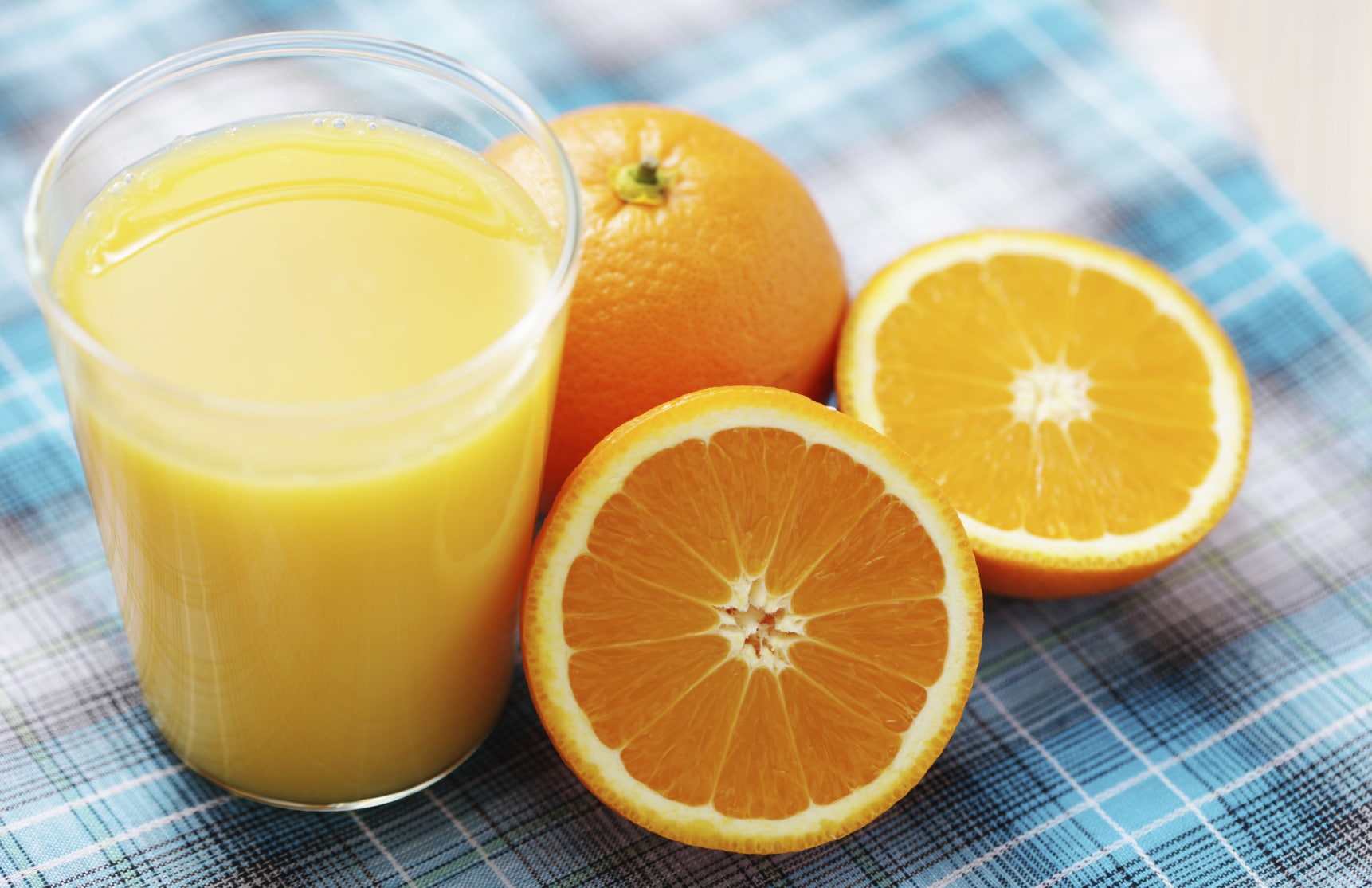
If you have a half-empty carton of orange juice sitting in the fridge or a surplus of fresh-squeezed OJ from a weekend juicing session, the freezer is your best option for keeping it from going to waste. It is completely safe to freeze orange juice, and freezing is a great way to extend its shelf life without losing its essential nutrients. Whether you bought a bulk carton at Costco or squeezed a whole bag of Florida navel oranges, the same rules apply.
That said, there are a few things worth knowing before you toss your OJ in the freezer. There are a few important tips to follow if you want to preserve its fresh taste and quality. This guide walks you through everything — from how freezing affects flavor and texture, to the right containers, thaw times, and the best ways to put frozen orange juice to work in your kitchen.
Can You Freeze Orange Juice?
Yes, you can freeze freshly squeezed orange juice and store-bought orange juice to extend its shelf life. Both types freeze well, though there are small differences in how each holds up.
You can freeze store-bought orange juice, so there is no need to miss out on those supermarket deals. You can stock up and save money. For fresh-squeezed juice, the best juice comes from Valencia oranges — while they may not be ideal for eating out of hand, they do best when juiced.
You can also freeze orange juice from concentrate. Whether it is homemade orange juice concentrate or store-bought orange juice from concentrate, both can be put in the freezer to preserve and extend their shelf life.
Pro Tip: If you are freezing store-bought OJ and are not sure how you will use it later, freeze it in an ice cube tray first. You can always transfer the cubes to a freezer bag once solid, giving you flexible, single-serving portions on demand.
Does Freezing Change the Texture or Taste of Orange Juice?
Freezing does affect orange juice, but the changes are generally minor — and for most uses, barely noticeable. Freezing does have an impact on the juice’s quality, and the biggest changes typically occur in texture and flavor. Freezing causes water molecules in the juice to form ice crystals, which can disrupt the structure of the juice when it thaws. This can lead to slight separation of the pulp and liquid, as well as a potential change in mouthfeel, with the juice feeling less smooth than fresh juice.
On the flavor side, the flavor of frozen orange juice generally remains good, but some subtle changes can occur due to the breakdown of certain compounds during freezing. Citrus fruits like oranges have volatile compounds responsible for their fresh, tangy taste, and freezing can cause a slight dulling of these flavors.
Most vitamins, including vitamin C, are generally stable during freezing but may degrade slowly over prolonged storage. So if you freeze your OJ and use it within a few months, you are not giving up much nutritionally.
In practical terms, frozen and thawed OJ tastes perfectly fine to many people. In an informal taste test, a taster was given fresh pulpless orange juice and thawed juice without knowing which was which — she could not tell the difference and guessed wrong. That means the tastes are quite similar.
| Quality Factor | Fresh Orange Juice | Frozen and Thawed |
|---|---|---|
| Flavor | Bright, tangy, full citrus notes | Slightly dulled; may be a touch more acidic |
| Texture | Smooth, consistent | May separate; shake or stir before drinking |
| Pulp | Evenly distributed | Can become grainy or clumpy if not strained first |
| Vitamin C | Full content | Mostly retained; slight loss over long storage |
| Best Use | Drinking straight | Smoothies, cooking, baking, cocktails |
How to Freeze Orange Juice the Right Way
The method you use matters. Picking the wrong container or skipping a few prep steps can lead to freezer burn, cracked jars, or juice that tastes off when you thaw it. Here is how to do it properly.
Step 1: Strain the Pulp (Recommended)
It is best to strain out the pulp before freezing, as pulp can affect the texture and flavor once thawed. If you are squeezing oranges yourself and leaving some pulp in, or buying a more pulpy variety at the supermarket, you should strain the liquid before freezing. Pulpy orange juice tends to become thicker, and the pulp becomes more dry and flaky when frozen and thawed.
Step 2: Choose the Right Container
Use airtight containers — glass is ideal — to prevent the juice from absorbing freezer odors. Leave a little space at the top, since the liquid will expand as it freezes. Orange juice expands as it freezes, so leave about half an inch of space at the top of the container to prevent it from bursting.
Freezing orange juice in its original cardboard carton is not recommended. The liquid expands as it freezes, which can cause the carton to burst, leading to a mess in your freezer. Instead, transfer the juice to a freezer-safe container before freezing.
Your main container options:
- Glass mason jars — Mason jars are an excellent choice for freezing orange juice, as long as they are freezer-safe. Be sure to leave some room at the top of the jar for the juice to expand. Mason jars also help prevent freezer burn and maintain the juice’s fresh flavor.
- Airtight plastic containers — Tupperware-style containers work well and are less prone to cracking than glass.
- Ice cube trays — Freezing orange juice in ice cube trays is a convenient option, especially if you only need small portions at a time. Once frozen, transfer the cubes to a zip-top freezer bag to free up the tray.
- Freezer bags — Heavy-duty freezer bags work for larger quantities; lay them flat to save space.
Step 3: Skip the Sweeteners
It is best not to add sugar or sweeteners before freezing. They can change the texture once the juice is thawed. If you want it sweeter, add it after defrosting. The same goes for any flavor additions — keep the juice plain before it goes in the freezer.
Step 4: Label and Freeze
Mark the container with the freezing date so you can track how long it has been stored. Pour the juice into your chosen container, seal it tightly, and place it in the coldest part of your freezer. Ideally, keep your freezer at or below 0°F (-18°C) to ensure the juice freezes quickly and stays frozen, maintaining its quality and safety.
You can also add a few drops of lemon juice before freezing, which helps slow oxidation and keeps the juice fresher longer.
Pro Tip: If you are freezing in ice cube trays, fill each slot about three-quarters full to leave room for expansion. Once the cubes are solid, transfer them to a labeled freezer bag so you can grab exactly how many you need without thawing the entire batch.
How Long Can You Freeze Orange Juice?
The freezer shelf life of orange juice can vary depending on several factors, including the type of juice, how well it is sealed, and the freezer’s temperature. Generally, frozen orange juice can last anywhere from 4 to 12 months when stored properly in a deep freezer set at 0°F (-18°C).
Although frozen juice will technically remain safe indefinitely, the quality tends to degrade over time. After about 3 to 4 months, you may notice changes in flavor and texture, especially if the juice is exposed to air or improperly sealed. The best taste and texture are typically achieved within the first 3 months of freezing.
For practical planning, aim to use your frozen OJ within 3 months for drinking straight, and within 6 months if you plan to use it in cooking or baking where minor flavor changes will not matter. Orange juice can be stored safely in the freezer for up to 3–4 months. After that, it is still safe to consume, but the quality may begin to decline.
| Storage Method | Recommended Timeframe | Quality Notes |
|---|---|---|
| Refrigerator (opened) | 7–10 days (store-bought); 2–3 days (fresh-squeezed) | Best flavor and nutrition |
| Freezer (best quality) | Up to 3 months | Minimal flavor or texture change |
| Freezer (safe but declining) | 3–12 months | Noticeable flavor dulling; fine for cooking |
How to Thaw Frozen Orange Juice
Thawing correctly protects both quality and safety. Thaw in the refrigerator rather than at room temperature to preserve safety and quality. Freezing halts microbial growth but does not kill bacteria. Once thawed, the juice should be treated like fresh juice and consumed quickly.
Here are your main thawing options:
- Refrigerator overnight — The best way is to leave it in the refrigerator the night before using it, so that it has time to defrost slowly. Orange juice takes between 10 and 12 hours to defrost in the refrigerator.
- Cold water bath — Place the sealed frozen container into a bowl of cold water. Replace the water every 30 minutes to maintain a cold temperature. This can take about 2–3 hours, depending on the volume.
- Use from frozen — If you plan to use the juice in smoothies or baking, you can blend the frozen juice cubes or use a grater to shave the slushy mixture directly into your recipe.
- Microwave (last resort) — Avoid microwaving unless absolutely necessary, as it may cause uneven thawing or warm the juice too much, altering the flavor and encouraging bacterial growth if not consumed immediately.
After thawing, give it a good shake or stir to mix any separated components. Thawed juice should be consumed within 2–3 days for the best quality and safety. Some sources suggest up to 5–7 days is acceptable if the juice was thawed in the refrigerator and shows no signs of spoilage.
Orange juice is a nutritional powerhouse whether fresh or thawed. If you are curious about how it fits into a broader healthy diet, check out these amazing reasons to eat an orange every day and learn about superfoods for a healthy heart that pair well with a citrus-rich diet.
Can You Refreeze Orange Juice After Thawing?
This is one of the most common questions about frozen OJ, and the answer depends on how you thawed it. As long as you thawed it in the fridge, refreezing is generally safe. The idea of refreezing being unsafe is basically a myth.
That said, the juice’s quality will be even worse after another round of freezing and thawing. In short, you can refreeze orange juice safely, but it is better to plan ahead and defrost only as much as you need.
Refreezing can further degrade nutrients, alter texture, and reduce flavor. Only freeze quantities you plan to use once thawed. Freezing in small portions — ice cube trays or half-cup containers — is the best way to avoid this situation entirely.
Important Note: Never refreeze orange juice that was thawed at room temperature. Room-temperature thawing allows bacteria to multiply, and refreezing that juice is a food safety risk. Only refreeze juice that has been kept cold throughout the thawing process.
How to Use Frozen Orange Juice (Best Uses After Freezing)
Even if thawed OJ is not quite as bright as fresh-squeezed, it is still incredibly useful in the kitchen. Anything mixed where orange juice is only a small part of the recipe works well. The slightly altered taste is only apparent when you drink it straight.
Here are the best ways to put frozen orange juice to work:
- Smoothies — Adding some frozen orange juice concentrate to a smoothie is a great move. The concentrate is chilled, so it makes your smoothie more refreshing. Its slightly acidic undertones help cut through the sweetness of your fruit of choice. You can also drop OJ ice cubes straight into the blender without thawing.
- Baking — Adding frozen orange concentrate to baked goods is a smart move. Baking is all about chemistry and balancing moisture, which is what makes frozen orange juice concentrate such a great fit for an array of recipes. It has all the flavor you could want without a ton of extra moisture. Try it in muffins, quick breads, glazes, or orange-flavored cakes.
- Marinades and sauces — Add it to marinades or salad dressings. The acidity in OJ tenderizes meat and brightens citrus-based sauces. It works especially well in chicken marinades and pork glazes.
- Cocktails and mocktails — Use the frozen orange juice for making cocktails like screwdrivers or non-alcoholic beverages like Orange Julius. OJ ice cubes added to a mimosa or sangria chill the drink without diluting it.
- Ice pops and sorbet — Use it to make ice pops or sorbet. Freezing orange juice in pop molds or ice cube trays creates a refreshing treat kids and adults will love. You can also add pieces of fruit or mint leaves to enhance flavor and visual appeal.
- Flavored water — Drop a cube or two into a glass of water on a hot day for a light, citrusy refreshment without added sugar.
Orange juice pairs beautifully with other nutrient-dense foods. If you are building a health-focused diet around citrus, explore these powerful nutrients and foods that fight cancer and this guide to foods that promote healthy eyesight — many of which work well alongside OJ in smoothies and meals. You might also enjoy learning about whole plant-based foods that complement a citrus-forward diet.
Signs That Frozen Orange Juice Has Gone Bad
Frozen orange juice that has been stored correctly is safe for months, but it can still go bad — especially if it was not sealed properly or if it was already on its way out before it went into the freezer. Make sure your OJ is still good to drink before freezing it. Check it visually, give it a good whiff, and take a small sip to make sure everything is fine. If it has already been sitting open in the fridge for about a week, toss it out — freezing will not freshen stale juice.
Here are the signs to watch for once the juice has been frozen and thawed:
- Sour or fermented smell — If it smells sour, tastes fermented, or appears cloudy, it is best to discard it.
- Off or bitter taste — Fresh orange juice is tangy and sweet with a balanced flavor profile. Spoiled juice tastes sharply sour, bitter, or unpleasantly tangy. If the taste is off, spit it out and rinse your mouth with water.
- Slimy or unusual texture — Fresh orange juice has a smooth, consistent texture. Spoiled juice may feel slimy or thick, particularly if mold has begun to form. This sliminess is caused by microbial activity and is a clear sign of spoilage.
- Visible ice crystals or freezer burn — If you notice any off smells, unusual color, or ice crystals forming in the container, it is best to discard the juice, as these are signs it may have deteriorated in quality.
- Discoloration — Before consuming thawed juice, check for any off-odors or discoloration. If something seems off, it is better to err on the side of caution and discard it.
If you are pregnant or serving orange juice to someone with a compromised immune system, it is especially important to follow these checks. See our guide on drinking orange juice while pregnant for more specific guidance. And for a broader look at how diet connects to wellness, check out these foods that help enhance liver function and fibroid healing foods.
Frequently Asked Questions
Can You Freeze Orange Juice in the Original Carton?
Yes, you can. The cardboard carton withstands freezing just fine. The only thing to remember is to pour off a few ounces before you put it in the freezer to leave room for expansion. That said, freezing in the original cardboard carton is not recommended if it is not designed for freezing, as the liquid expands and can cause the carton to burst. Transfer to a freezer-safe container to be safe.
Can You Freeze Freshly Squeezed Orange Juice?
Freezing is a simple and effective way to preserve fresh-squeezed orange juice’s taste and nutritional value for later use. Whether you have a surplus of freshly squeezed juice or a store-bought carton, freezing can ensure you always have orange juice on hand. Just strain out the pulp first for the best results.
Does Frozen Orange Juice Lose Vitamin C?
Most vitamins, including vitamin C, are generally stable during freezing but may degrade slowly over prolonged storage. To get the most nutritional value, use frozen OJ within 3 months. Orange juice is one of the most recognized orange-colored foods known for its vitamin C content — freezing preserves most of that benefit.
How Do You Know When Frozen Orange Juice Is Fully Thawed?
The juice should be completely liquid with no frozen chunks remaining. Give it a good shake or stir — if it pours smoothly and the temperature feels cold (not icy), it is ready. The whole defrosting process takes between two hours for small cubes to 8+ hours for large containers, so plan accordingly.
Can You Freeze Store-Bought Orange Juice That Has Already Been Opened?
Yes, as long as it has not already started to spoil. If the juice is in a store-bought carton that is already opened, it is best to pour it into a clean, airtight container that allows for expansion. Leaving about an inch of space at the top is important because liquid expands when frozen and could otherwise crack the container or lead to leakage.
Is Frozen Orange Juice Good for Skin and Health?
The vitamin C and antioxidants in orange juice support skin health and immunity whether the juice is fresh or thawed from frozen. For more on how food affects your skin, see our guide to foods for healthy skin. You can also explore cancer-causing foods to avoid to round out a well-informed approach to what you eat and drink.