Can You Freeze Kraft Singles? What to Expect and How to Do It Right

October 28, 2026
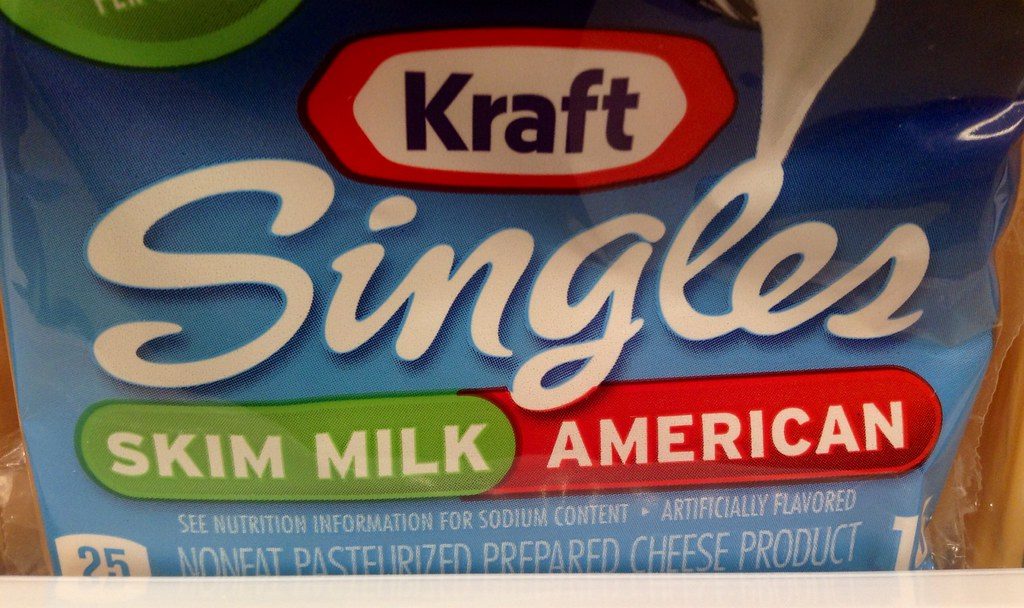
Kraft Singles are a staple in American kitchens — stacked in the fridge for grilled cheese, burgers, omelets, and quick weeknight meals. But what happens when you stock up on a sale or realize you won’t finish a pack before the date? Freezing sounds like the obvious solution.
The short answer is yes, you can freeze Kraft Singles. The longer answer involves some trade-offs worth knowing before you toss that pack in the freezer. This guide walks you through everything: what freezing does to the texture and taste, the right way to prep them, how long they keep, and what to do with them once they’ve thawed.
Can You Freeze Kraft Singles?
Kraft Singles can be frozen, and they will remain safe to eat after thawing. Since Kraft Singles are processed to last a long time without freezing, there isn’t much involved in preparing them for the freezer — the individual wrappers already protect each slice. That said, freezing is not something Kraft specifically recommends as a primary storage method.
Kraft Singles are designed to have a long shelf life in the fridge, so freezing is usually unnecessary. Unopened, they can last for many months in the refrigerator, and once opened, they should be consumed within a week. Freezing makes the most sense when you’ve bought in bulk, caught a great deal, or have an opened pack you know you won’t finish in time.
If you’ve opened a package of Kraft Singles and don’t plan to consume them all within a week, consider freezing the remaining slices — freezing can extend the shelf life of Kraft Singles by several months.
Pro Tip: Freezing works best as a backup plan, not a routine. If you use Kraft Singles regularly, keeping them refrigerated and working through the pack before the best-by date will always give you better texture and melt.
Does Freezing Change the Texture or Taste of Kraft Singles?
This is where honesty matters. Freezing does affect Kraft Singles — particularly their texture — and the change is noticeable enough that it limits how you can use them after thawing.
Freezing cheese causes ice crystals to develop, disrupting the cheese’s structure. This may affect the texture and make it drier, more crumbly, and mealy. For Kraft Singles specifically, freezing and thawing will make them grainy, and they won’t melt as easily.
Processed cheese products such as American cheese slices may not freeze well due to their emulsified nature — freezing can cause them to become rubbery or lose their creamy consistency. Freezing cheese should not result in much change to its flavor; it’s really just the texture that’s likely to change.
Frozen cheese may become crumbly and lose some of its flavor; the thawed cheese will be best suited to cooked dishes, such as sauces, soups, and casseroles. If you planned to use your Kraft Singles on a charcuterie board or as a cold snack straight from the wrapper, freezing isn’t the right move.
How to Freeze Kraft Singles the Right Way
Proper packaging makes a real difference. Air exposure causes freezer burn, and moisture leads to slices sticking together in a clump you can’t separate without tearing. Follow these steps for the best results.
For an unopened pack: The unopened pack of Kraft Singles can go straight into the freezer — just place the original package inside a plastic freezer bag and remove as much air as possible before sealing. Label the bag with today’s date so you know when you froze it.
For an opened pack or individual slices:
- Remove each Kraft Singles cheese slice from its individual wrapper and arrange them in layers with waxed paper between each slice.
- Secure the layered cheese slices in resealable plastic bags, removing surplus air before placing them in the freezer.
- Label the bag with the freeze date.
- Wrap them tightly in plastic wrap or aluminum foil to maintain freshness if you don’t have a resealable freezer bag handy.
Pro Tip: The waxed paper step is worth the extra minute. Without it, thawed slices tend to fuse together and tear when you try to separate them, making them nearly impossible to use whole.
How Long Can You Freeze Kraft Singles?
Frozen American cheese can last for up to 3 months in the freezer. Beyond that point, the quality drops off noticeably — the texture becomes more degraded and freezer burn becomes a real risk even with good packaging.
For reference, here’s a quick comparison of storage timelines across different conditions:
| Storage Method | Estimated Shelf Life | Best Use After |
|---|---|---|
| Refrigerator (unopened) | 1–2 months past the “Best If Used By” date | Any use |
| Refrigerator (opened) | Approximately 7–10 days with continuous refrigeration | Any use |
| Freezer (properly wrapped) | Up to 3 months | Cooked dishes only |
Always label your freezer bags with the date you froze the slices. To ensure the longest possible shelf life, store Kraft Singles in their original packaging and keep them refrigerated at a consistent temperature below 40°F (4°C) — and the same principle applies to the freezer: consistent temperature matters.
How to Thaw Frozen Kraft Singles
How you thaw Kraft Singles affects the final texture. Rushing the process with heat leads to uneven softening and moisture loss, so patience pays off here.
The refrigerator method (recommended): Place the frozen cheese slices inside the refrigerator and allow them to defrost gradually over a period of about 2 days. This slow thaw keeps the texture as intact as possible and prevents condensation from making the slices wet and sticky.
Things to avoid when thawing:
- Do not thaw on the counter at room temperature. At room temperature, even processed cheese can only hold up for about two hours.
- Do not microwave slices to thaw them — this partially melts them unevenly.
- Never refreeze thawed products, and don’t consume any slices that have been left outside the fridge for over two hours.
Once thawed, slices may crumble, sweat, or melt less evenly. If you freeze them, separate stacks with parchment and thaw in the fridge, not on the counter.
Can You Refreeze Kraft Singles After Thawing?
No — refreezing thawed Kraft Singles is not recommended. Each freeze-thaw cycle pushes more moisture out of the emulsified structure, making the slices progressively grainier and more prone to crumbling. Never refreeze thawed products.
The practical fix is simple: when you freeze a batch, separate the slices with waxed paper and freeze them in smaller portions. That way, you only pull out what you need and the rest stays frozen without being disturbed. Arrange slices in layers with waxed paper between them, then secure in resealable plastic bags — this makes it easy to grab just a few slices at a time.
Important Note: If you’re unsure whether your thawed slices were left out too long or handled inconsistently, discard them rather than refreeze. Food safety always comes first.
How to Use Frozen Kraft Singles (Best Uses After Freezing)
Once your Kraft Singles have been frozen and thawed, the texture change is real — but that doesn’t mean they go to waste. The key is steering them toward applications where they melt into the dish rather than being eaten as a standalone slice.
If you opt to freeze cheese, cook with it after thawing because the texture change becomes a moot point once it’s all melted. It’s best to use any previously frozen cheese in recipes where the texture won’t be noticeable, such as shredding on top of lasagna, melting into queso, or slicing onto a hot burger patty.
Here are some of the best ways to use thawed Kraft Singles in American home cooking:
- Grilled cheese sandwiches — The heat melts them fully, so any graininess disappears into the finished sandwich.
- Cheeseburgers — Lay a slice directly on a hot patty and the residual heat does the work.
- Mac and cheese — Stir thawed slices into a hot sauce base for a creamy, smooth result.
- Scrambled eggs or omelets — Fold a slice in while the eggs are still hot.
- Casseroles and baked pasta dishes — Thawed cheese works well in cooked dishes such as sauces, soups, and casseroles.
- Quesadillas — A quick stovetop melt hides any texture change completely.
What you should avoid: Don’t use thawed slices on a pretty charcuterie board or as a cold snack straight from the wrapper. The texture simply won’t hold up for those uses. You can find more inspiration for building nutritious, food-forward meals at whole plant-based foods and foods for healthy skin.
Signs That Frozen Kraft Singles Have Gone Bad
Freezing extends shelf life but doesn’t make Kraft Singles last forever. Before you use any thawed slices, take 30 seconds to check for these spoilage signs.
Smell: A sour or otherwise unusual odor is a clear indication that the product has spoiled and should be discarded. Fresh Kraft Singles have a mild, milky smell — anything sharp or off means toss it.
Texture: A slimy or excessively sticky texture is a sign of bacterial growth and indicates the product is no longer safe to consume. Some softness after thawing is normal; sliminess is not.
Appearance: Although less common than with natural cheeses, mold can still grow on Kraft Singles, particularly if the packaging has been compromised. Any visible mold warrants immediate disposal.
Edges and dryness: If the edges of the Kraft Single are becoming hard or brittle, or if the entire slice feels significantly drier than usual, it’s a sign that moisture has been lost and the product is starting to degrade. This is often freezer burn — the slice is technically safe but the quality is too poor to be worth eating.
Discoloration: While slight variations in color can occur, significant discoloration such as dark spots or an overall off-color appearance should be cause for concern.
When in doubt, throw it out. It’s always best to err on the side of caution and discard any products that are past their prime to prioritize food safety and quality. For more on food safety and smart food choices, see cancer-causing foods you need to avoid and powerful nutrients and foods that fight cancer.
Frequently Asked Questions
Do Kraft Singles freeze well compared to other cheeses?
Processed cheese products like American cheese slices may not freeze as well as other cheeses due to their emulsified nature — freezing can cause them to become rubbery or lose their creamy consistency. Hard block cheeses like Parmesan, cheddar, and Monterey Jack are more ideal for freezing because of their low moisture content, which helps them better withstand the freezing process.
Can I freeze an entire unopened pack of Kraft Singles?
Yes. The unopened pack should remain sealed when you freeze it — just place it inside a plastic freezer bag and vacuum out the air before sealing. This is the simplest method and requires no extra prep.
Will frozen Kraft Singles still melt on a burger or sandwich?
Freezing and thawing Kraft Singles will make them grainy and they won’t melt as easily — and since meltability is one of the main selling points of American cheese, freezing does affect that quality. They’ll still melt under direct heat, but the result won’t be as smooth or creamy as a fresh slice.
How do I keep frozen Kraft Singles from sticking together?
Separate stacks with parchment paper before freezing, and thaw in the fridge rather than on the counter. Waxed paper works just as well as parchment for this purpose.
Is it safe to eat Kraft Singles that have been in the freezer for 6 months?
They may still be technically safe if they were properly wrapped and kept at a consistent freezer temperature, but the quality will be significantly degraded. Frozen American cheese is best used within 3 months for the best texture and flavor. Beyond that, freezer burn and structural breakdown make them less useful even in cooked applications.
What’s the best refrigerator temperature for storing Kraft Singles?
Unopened packs should be stored in the refrigerator at a consistent temperature not exceeding 40°F (4°C). Store Kraft Singles in the main compartment of the refrigerator rather than in the door, as the door is often subjected to temperature fluctuations each time it is opened, which can impact freshness.
Whether you’re managing a busy household, meal prepping, or just trying to cut down on food waste, knowing how to store your pantry staples properly makes a real difference. For more food storage guidance and smart eating ideas, explore superfoods for a healthy heart, foods that support liver function, and foods that promote healthy eyesight.