Can You Freeze Boiled Eggs in Their Shell? What You Need to Know

November 7, 2026
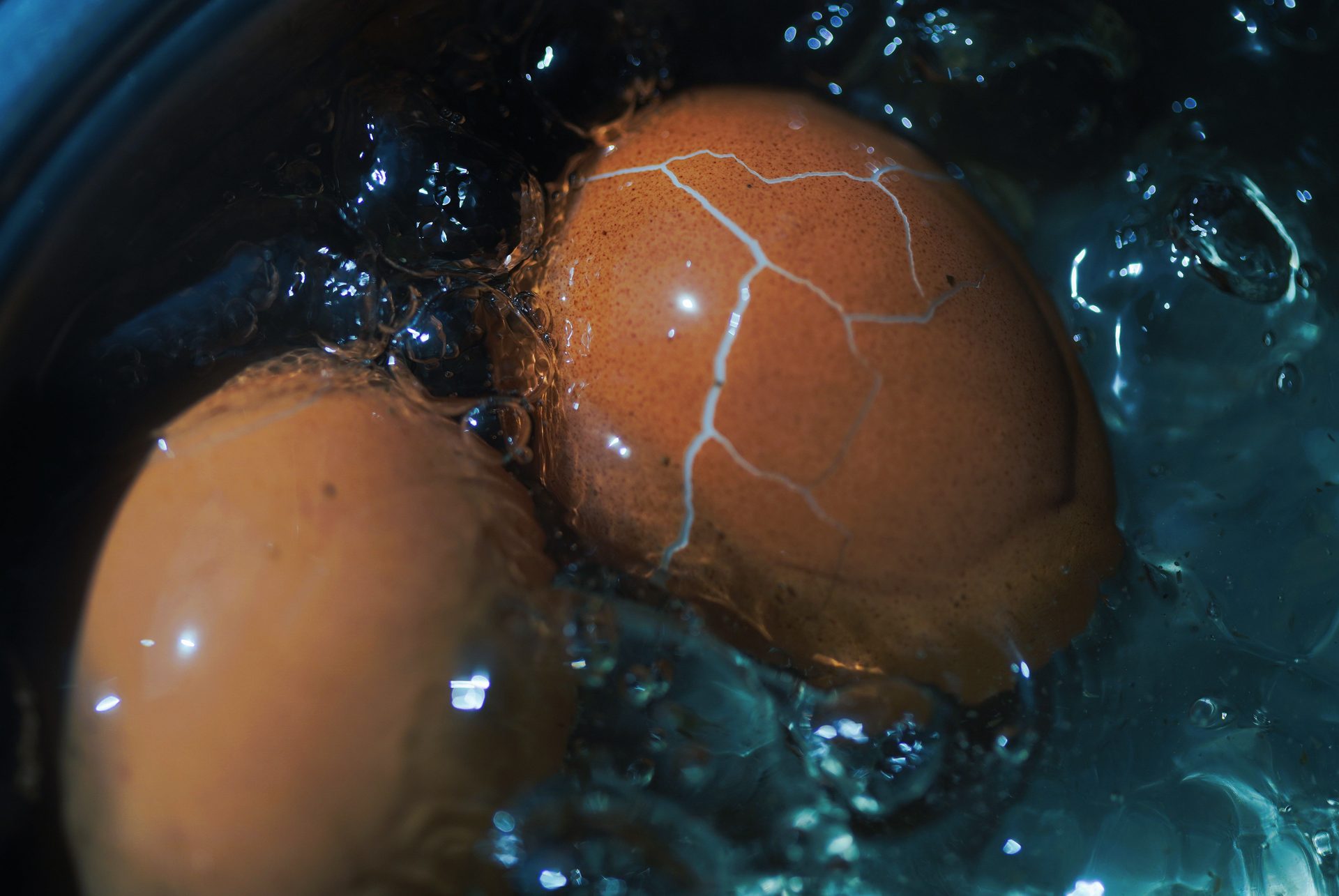
Hard-boiled eggs are one of the most practical foods you can keep on hand — high in protein, easy to grab on the go, and endlessly versatile in the kitchen. But what happens when you’ve boiled a full dozen and can’t eat them all before the week is up? Freezing sounds like the obvious solution. Unfortunately, it’s not quite that simple.
The short answer is no — you cannot freeze boiled eggs in their shell, and freezing whole hard-boiled eggs is not recommended either. But there is a useful workaround worth knowing. This guide walks you through exactly what you can and can’t freeze, how to do it right, and what to expect when you thaw them out.
Can You Freeze Boiled Eggs?
You cannot freeze hard-boiled eggs in their shell. There are two separate reasons for this, and both apply whether the egg is raw or cooked.
Whole eggs should never be frozen in their shells, as the liquid inside expands and can crack the shell, leading to freezer burn or contamination. That expansion problem applies to raw eggs. With boiled eggs, the shell issue is compounded by what freezing does to the cooked whites themselves.
It’s best not to freeze hard-boiled whole eggs and hard-boiled whites because they become tough and watery when frozen. So even if you peel the egg first, freezing the whole thing — white and yolk together — is not a good idea for quality reasons.
The one exception? You can freeze hard-boiled egg yolks to use later for toppings or garnishes. The yolk holds up well in the freezer; the white simply does not. If you want to preserve boiled eggs beyond the refrigerator window, separating the yolk is the way to go.
Pro Tip: If you regularly boil more eggs than you can eat in a week, consider batch-freezing raw eggs instead. Crack them, beat the yolk and white together, and freeze in silicone molds — they thaw well for scrambles, casseroles, and baked goods.
For more on the nutritional side of eggs and how they fit into a balanced diet, see this overview of whole eggs and their health benefits.
Does Freezing Change the Texture or Taste of Boiled Eggs?
Yes — and the change is significant enough that most food experts advise against freezing hard-boiled eggs at all, unless you’re only freezing the yolks.
Hard-boiled eggs do not maintain their original texture when frozen and thawed. Once defrosted, boiled eggs often become tough, rubbery, and watery, which makes them unpleasant to eat. The culprit is the egg white. When the whites freeze, ice crystals form, and as they thaw, the texture becomes very rubbery.
The yolk behaves differently. Egg yolks freeze well if prepared correctly; they become slightly gelatinous but are acceptable for many cooked uses, including salads, deviled egg filling, and casseroles.
Freezing is unlikely to affect the flavor of raw or cooked frozen eggs. The taste issue with hard-boiled eggs is more about texture than flavor — the rubbery, waterlogged whites are what make the eating experience unpleasant, not a change in how they taste.
If you’re someone who eats boiled eggs for the white as much as the yolk — think sliced on salads or eaten whole as a snack — freezing will ruin that experience. Stick to the refrigerator for whole hard-boiled eggs, and only reach for the freezer when you specifically need to save the yolks.
How to Freeze Boiled Eggs the Right Way
Since only the yolks are worth freezing from a hard-boiled egg, the process focuses entirely on separating and storing them properly. Here’s how to do it step by step.
- Cool the eggs completely. Once you have boiled your eggs, place them in a pan of cold water so they cool quickly. Never put warm eggs directly into the freezer — the temperature fluctuation affects quality and can raise the freezer’s internal temperature.
- Peel the eggs. When your eggs have cooled down, crack the shells and peel them until you’re left with the interior of your hard-boiled eggs.
- Separate the yolks from the whites. Remove the yolks from your egg whites by piercing the whites with a knife and popping the yolks out, then setting them to one side. You can use a teaspoon to scoop them out gently if you prefer to keep them whole.
- Arrange the yolks for freezing. Carefully place the yolks in a single layer in a saucepan and add enough water to come at least 1 inch above the yolks. Cover and quickly bring just to boiling. Remove the pan from the heat and let the yolks stand, covered, in the hot water for about 12 minutes. Remove the yolks with a slotted spoon and drain them well before packaging them for freezing.
- Package and label. Place the hard-boiled egg yolks in a single layer in a freezer-safe container or freezer bag, removing as much air as possible from the bag. Label and date all packages for future reference.
Pro Tip: A vacuum sealer removes far more air than hand-pressing a zip-top bag. If you freeze yolks regularly, a food saver is worth the investment — it helps prevent freezer burn and extends shelf life.
As for the whites you’ve separated out, use them within a day or two in egg salad, potato salad, or chopped into a grain bowl. Don’t let them go to waste just because they can’t be frozen.
How Long Can You Freeze Boiled Eggs?
Hard-boiled egg yolks have a reasonable freezer life when stored correctly. You can safely freeze the egg yolks for up to six months. Some sources suggest they may hold up for longer, but quality begins to decline past that point.
For comparison, according to the USDA Food Safety and Inspection Service, you can freeze eggs for up to one year — but that guidance applies to raw eggs, not cooked yolks. Treat six months as your practical limit for hard-boiled yolks.
In the refrigerator, the timeline is much shorter. The FDA advises that you use or eat hard-cooked eggs — whether in the shell or peeled — within one week after cooking. That one-week window is the reason freezing the yolks becomes relevant when you’ve made more than you can eat.
| Storage Method | What You’re Storing | How Long It Lasts |
|---|---|---|
| Refrigerator | Whole hard-boiled egg (shell on or peeled) | Up to 7 days (FDA) |
| Freezer | Hard-boiled yolks only | Up to 6 months |
| Freezer | Raw whole eggs (beaten) | Up to 1 year (USDA) |
| Freezer | Whole hard-boiled egg | Not recommended |
How to Thaw Frozen Boiled Eggs
Thawing frozen egg yolks is straightforward, but where you thaw them matters for food safety.
When you’re ready to use frozen eggs, thaw them overnight in the refrigerator or under running cold water. The refrigerator method is the safest because it keeps the yolks at a consistent, food-safe temperature the entire time.
Thaw eggs in the refrigerator, not on the counter, to reduce the risk of bacterial growth. Leaving frozen egg products at room temperature to thaw is a food safety risk — don’t do it, even if you’re in a hurry.
Once thawed, plan to use the yolks the same day. Raw eggs, egg yolks, and egg whites should be cooked the day you thaw them. The same principle applies to cooked yolks — thaw only what you need and use them promptly.
Important Note: Never refreeze thawed egg yolks. The texture will degrade significantly, and the repeated freeze-thaw cycle is not worth the risk to quality or safety.
Can You Refreeze Boiled Eggs After Thawing?
You should only freeze hard-boiled eggs once. If you were to freeze the yolk more than once, it would significantly alter its texture and may even affect its taste.
This is a firm rule. Once your frozen yolks have thawed in the refrigerator, they need to be used — not returned to the freezer. Freezing hard-boiled eggs more than once is not recommended; doing it a second time would significantly alter the texture and possibly the taste, and freezing them isn’t the best practice in the first place.
To avoid waste, freeze yolks in small, single-use portions. If you know you’ll only need two or three yolks at a time for deviled eggs or a garnish, bag them in those quantities so you only thaw exactly what you need.
How to Use Frozen Boiled Eggs (Best Uses After Freezing)
Thawed hard-boiled yolks are not the same as fresh ones — their texture is slightly firmer and more crumbly — but they work well in several applications where texture is less critical.
- Deviled egg filling: Mash the thawed yolks with mayonnaise, mustard, and your preferred seasonings. The filling texture masks any change in the yolk, and you can pipe or spoon it into freshly boiled egg white halves.
- Egg salad: Crumbled frozen-then-thawed yolks blend easily into egg salad with mayo and celery. Pair with fresh whites you’ve boiled the same day for the best result.
- Salad garnish: Grate or crumble thawed yolks over green salads, grain bowls, or roasted vegetables for a rich, savory topping — similar to how you’d use a hard-boiled egg on a classic Cobb or Nicoise .
- Casseroles and baked dishes: Bakers and home cooks keep frozen yolks for custards or pastry creams where the texture change is masked by cooking. Thawed yolks work well stirred into warm sauces, gratins, or baked egg dishes.
- Soup topping: Crumbled yolk adds richness and visual appeal to ramen, French onion soup, or any broth-based dish.
What you should not do is use thawed yolks in preparations where the egg is served raw or barely cooked. Cook thawed eggs thoroughly — never use them in raw preparations like homemade mayonnaise or eggnog unless they are pasteurized.
Eggs are a nutritional powerhouse beyond just protein. If you want to understand how eggs support overall health — including their role in heart and eye health — take a look at these resources on foods that support heart health and foods that promote healthy eyesight.
Signs That Frozen Boiled Eggs Have Gone Bad
Even properly frozen yolks can go bad if they’ve been stored too long or if the packaging failed. Before using any frozen egg product, check for these warning signs.
Smell: To determine if a hard-boiled egg is bad, check for any unpleasant odors, which might indicate spoilage. If the egg smells rotten or sulfurous, discard it. This applies to thawed yolks as well — a sour or off smell after thawing means they should go in the trash.
Color and appearance: If you’re unsure how long your hard-boiled eggs have been stored, first check for a slimy or chalky appearance. If present, throw out the egg to be safe. Thawed yolks should look pale yellow to golden. Gray, green-tinged, or discolored yolks are a sign something has gone wrong.
Freezer burn: If the yolks look dried out, shriveled, or have ice crystals on the surface when you open the bag, they’ve suffered freezer burn. They’re technically safe to eat but the flavor and texture will be noticeably off. It’s better to discard them.
Texture after thawing: A small amount of firmness is normal for thawed yolks. But if they feel slimy, excessively mushy, or have an unusual film on the surface, don’t use them.
Hard-boiled eggs should not sit out for more than 2 hours, as bacteria can grow rapidly beyond that window. If thawed yolks have been left at room temperature for more than two hours before you noticed them, err on the side of caution and throw them out.
Eating well also means knowing which foods to avoid. For more on food safety and nutrition, see this guide on foods to avoid for long-term health and how certain foods support liver function.
Frequently Asked Questions
Can You Freeze Soft-Boiled Eggs?
For soft-boiled eggs, it’s best not to freeze them at all. The runny yolk that makes a soft-boiled egg appealing will not survive freezing intact. If you freeze a soft-boiled egg, you’ll end up with a rubbery white and a yolk that has lost its creamy texture entirely. Soft-boiled eggs are best eaten fresh. For more on soft-boiled eggs and specific dietary considerations, see this article on eating soft-boiled eggs during pregnancy.
How Long Do Hard-Boiled Eggs Last in the Fridge?
According to the USDA, hard-boiled eggs — peeled or unpeeled — can safely be kept in the refrigerator for approximately one week when stored properly. Keep them in an airtight container, and leave the shell on until you’re ready to eat them for the best results.
Can You Freeze Raw Eggs in the Shell?
No. Freezing eggs in the shell (raw) does not work. As the egg freezes, it expands and the shells will break. Always crack raw eggs out of their shells before freezing. Beat the yolk and white together, then freeze in a silicone mold or freezer bag.
Is It Safe to Eat a Frozen Hard-Boiled Egg That Was Accidentally Left in the Freezer?
It’s safe to eat frozen boiled eggs, but they might not taste great due to the egg white’s rubbery texture. If the egg was properly cooked before freezing and has been kept at a consistent freezer temperature, it should be safe. Check for off smells and unusual texture after thawing. If anything seems wrong, discard it.
What’s the Best Way to Store Hard-Boiled Eggs If You Don’t Want to Freeze Them?
If you want to keep a supply of hard-boiled eggs on hand for any length of time, your best bet is to store them in the fridge. Leave the shell on until ready to eat — the shell provides a physical barrier against bacteria and moisture loss. Store them in a covered container or egg carton on an interior shelf, not in the door where temperatures fluctuate.
Can You Use Frozen Egg Yolks in Deviled Eggs?
Yes — this is one of the best uses for frozen hard-boiled yolks. Thaw the yolks overnight in the refrigerator, then mash them with your deviled egg filling ingredients as usual. Spoon or pipe the filling into freshly boiled and halved egg whites. The texture of the frozen-then-thawed yolk blends smoothly into the filling, so most people won’t notice any difference.