Can You Freeze Noodles? What Works, What Doesn’t, and How to Do It Right

November 6, 2026
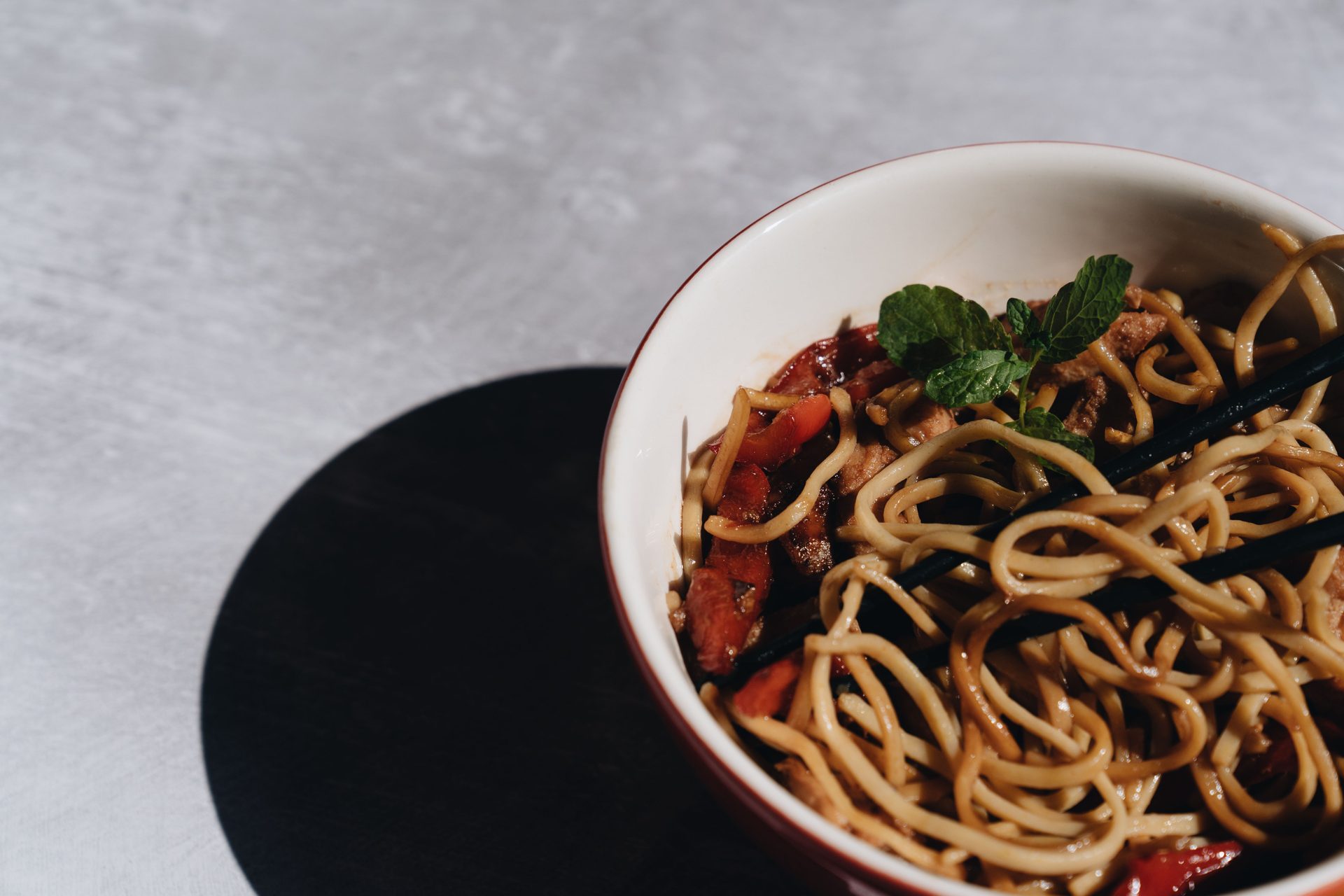
Yes, you can freeze noodles — and doing it well can save you real time on busy weeknights. Whether you made a double batch of spaghetti, have leftover egg noodles from a casserole, or want to meal-prep a week of lunches, the freezer is a practical option for almost every noodle type found in American kitchens.
The catch is that noodles are more sensitive to freezing than most pantry staples. Get the process wrong and you end up with a clumpy, mushy mess. Get it right and you pull a solid, ready-to-reheat portion from the freezer whenever you need it. This guide covers everything: which noodles freeze best, exactly how to pack and store them, how long they last, and how to tell when a frozen batch has gone bad.
Can You Freeze Noodles?
You can freeze just about any cooked pasta, but how you cook the noodles makes a big difference when you’re ready to thaw. The same principle applies to every noodle style — from wheat spaghetti to rice vermicelli to homemade egg noodles.
There’s really no need to freeze uncooked dried pasta, because it typically has a shelf life of one to two years and is unlikely to grow mold or bacteria in your pantry. Fresh or homemade noodles are a different story — those benefit greatly from freezer storage. Fresh pasta only lasts a day or so in the fridge, but freezing it lets you enjoy it on your own schedule without sacrificing quality.
You can freeze a wide variety of noodles, including both fresh and cooked types. Fresh egg noodles, wheat noodles, rice noodles, and even gluten-free options can be effectively frozen. If you want to explore the full range of noodle varieties worth keeping on hand, check out this overview of different types of Chinese noodles — many of them freeze surprisingly well.
Pro Tip: Sturdy, short shapes like penne, rigatoni, and cavatappi hold up to freezing better than thin or delicate noodles. When in doubt, undercook slightly before freezing.
Does Freezing Change the Texture or Taste of Noodles?
Freezing does affect noodles — but how much depends on the noodle type and how carefully you freeze them. Freezing turns the water inside cooked noodles into ice crystals. Those crystals break some of the starch structure, so thawed noodles can feel softer and more fragile than they did on day one.
Research published on PubMed Central confirms this: the microstructure and texture properties of frozen cooked noodles are significantly improved by a lower freezing temperature. In practical terms, that means setting your home freezer to 0°F (−18°C) or below and freezing noodles quickly rather than letting them sit at a warmer temperature.
Reheating noodles may result in a slight change in texture compared to freshly cooked noodles. They may become slightly softer, but this should not significantly impact their taste or overall enjoyment. This change in texture is minimal and often goes unnoticed, especially when the noodles are used in soups or saucy dishes.
Certain types of noodles do not freeze well due to their texture and ingredients. Egg noodles and fresh pasta may become mushy after freezing and thawing. Similarly, if pasta is made with delicate ingredients or is very thin, it might not hold up well in the freezer. For the best results, stick with sturdier, dried pasta varieties like penne, fusilli, or rigatoni, as these tend to freeze and reheat better.
How to Freeze Noodles the Right Way
The method you use matters as much as the noodle type. Follow these steps and you’ll avoid the most common freezing mistakes — clumping, freezer burn, and mushy texture on reheat.
Step 1: Cook Al Dente
One way to prevent texture changes is to cook the noodles al dente prior to freezing. This way, the noodles will stay firm when reheated. If the box says to cook for 9–11 minutes, set the timer for 8 minutes instead. The noodles will finish cooking when you reheat them later.
Step 2: Rinse and Cool Completely
Rinse cooked pasta under running cold water. The cooler water helps stop the cooking process — it also lets the pasta cool completely. Putting hot noodles directly into the freezer can lead to clumping and an uneven freeze, resulting in a gummy texture.
Step 3: Toss with Oil
Toss the pasta with olive oil. Olive oil helps keep the pasta from sticking together as it freezes, as you store it, and when you use it in a recipe later. A light coating is all you need — don’t drench the noodles.
Step 4: Flash Freeze on a Baking Sheet
Place the pasta on a baking sheet in a single layer. This is important — if the pasta is not in a single layer, it will clump together as it freezes. Place the baking sheet in the freezer for at least one full hour, or up to 8 hours.
For long noodles like spaghetti or fettuccine, use the nest method: using a fork or small tongs, twirl portions into little nests and place the nests on a baking sheet. Freeze the nests, covered, for an hour or so, then transfer to freezer-safe containers or resealable plastic bags.
Step 5: Pack and Label
Move the pasta to an airtight container — a set of glass storage containers, glass jars, or freezer-safe bags all work. Freeze pasta in amounts you would typically use in a recipe, such as 2 cups or 4 cups of cooked noodles. This makes it much easier to pull just what you need.
If freezing in a freezer-safe bag, remove as much air from the bag as possible to avoid freezer burn. Freezer-burned food is still safe to eat, but it can be dry and the flavor can be affected. Always write the date on the bag or container so you know exactly when to use it by.
Pro Tip: Freeze sauce separately from noodles. Freezing pasta separate from pasta sauces helps maintain the texture of both the noodles and the sauce.
Freezing Fresh or Homemade Noodles
Roll and cut noodles, then spread them in a single layer on floured trays. Chill them briefly in the fridge, then move the trays to the freezer until the noodles feel firm. Once frozen, transfer them to freezer bags, press out air, and label the date so you can cook them within a couple of months while the quality still feels close to fresh.
According to restaurateur Anthony Scotto Jr. via The Takeout , “I usually recommend drying it and packaging it tightly to avoid freezer burn.” Done correctly, you’ll have fresh pasta on hand for roughly eight months.
How Long Can You Freeze Noodles?
Storage time depends on the type of noodle and whether it’s cooked or uncooked.
| Noodle Type | Freezer Life (Best Quality) | Notes |
|---|---|---|
| Cooked pasta / wheat noodles | 2–3 months | Freeze without sauce for best results |
| Cooked egg noodles | Up to 2 months | May soften more than wheat noodles |
| Cooked rice noodles | 1–2 months | Delicate; rinse well before freezing |
| Fresh / homemade noodles (uncooked) | Up to 8 months | Flash freeze on trays first |
| Baked pasta dishes (lasagna, casseroles) | Up to 3 months | Can cook directly from frozen |
Noodles can generally be frozen for up to three months without a significant loss in quality. Beyond this time, they remain safe to eat, but the texture and flavor may deteriorate. Food safety guidance from the USDA’s Leftovers and Food Safety page explains that leftovers can be kept in the fridge for three to four days, or frozen for several months, as long as they reach the freezer before they spoil and are kept at 0°F (−18°C) or below.
A lasagna or other baked or stuffed pasta dish will generally last up to three months. For meal planning ideas that pair well with hearty pasta dishes, you might also find this guide to whole plant-based foods a useful companion resource.
How to Thaw Frozen Noodles
How you thaw noodles affects the final texture just as much as how you froze them. You have three solid options depending on how much time you have.
Refrigerator Thaw (Best for Texture)
The best way to thaw frozen noodles is to transfer them to the refrigerator and allow them to thaw slowly overnight. Once the noodles have thawed completely, they’re ready to use. This method is the gentlest and keeps the noodles from becoming waterlogged.
Boiling Water (Fastest Method)
Place the frozen pasta directly into a pot of boiling water and cook for one minute. Use a kitchen timer. This will very quickly thaw the noodles, but don’t walk away or you run the risk of overcooking them. This approach works especially well for plain noodles going into a soup or pasta dish.
For fresh pasta specifically, chef Anthony Scotto Jr. recommends skipping the thaw entirely: “I generally boil it from frozen to avoid sogginess in the defrosting stage.” You likely only need to add about a minute of cook time — it’s best to taste test during the boiling process.
Microwave (Quick and Convenient)
You can also use the microwave to thaw noodles. Place them in a microwave-safe bowl with a splash of water, cover with a microwave-safe lid, and heat in short bursts until thawed. Place a cup of water in the microwave before reheating so the noodles won’t dry out.
The U.S. FDA, as reported by TODAY , advises: “Never thaw food at room temperature, such as on the counter top.” Leaving noodles to thaw on the counter puts them in the food safety danger zone (40–140°F), where bacteria multiply quickly.
Can You Refreeze Noodles After Thawing?
This is where most people make a mistake. Refreezing is generally not recommended for noodles — for both quality and safety reasons.
Each freeze-thaw cycle allows additional large ice crystals to form, causing further cell damage and quality loss. If food was thawed in the refrigerator, it is technically safe to refreeze (with quality loss), but if it was thawed at room temperature or left out, refreezing creates a food safety risk. The USDA recommends cooking thawed food before refreezing it if you have any doubt about how it was thawed.
For delicate noodles like rice noodles, the texture and taste will be ruined and turned to a soggy mush when thawed and reheated again. Refreezing rice noodles is not advised. The safest and simplest rule: thaw only what you plan to use, and portion your noodles before freezing so you never have to thaw more than you need.
Important Note: Once reheated, noodles should be discarded if not fully consumed. If noodles are left out at room temperature for longer than 2 hours, throw them away.
How to Use Frozen Noodles (Best Uses After Freezing)
Frozen noodles work best in dishes where the texture shift is less noticeable — or where the sauce or broth does the heavy lifting. Here are the most practical ways to use them.
- Soups and broths: Add the pasta to a brothy soup or a slow-cooker dish when it’s nearly done cooking. The liquid rehydrates the noodles naturally and any slight softness blends right in.
- Stir-fries: Toss thawed noodles directly into your favorite stir-fry for a quick and delicious meal. High heat firms them back up a bit and the sauce coats every strand.
- Baked casseroles: Stuffed pastas like ravioli and baked pastas like lasagnas are great options because they can be cooked from frozen. No thawing required.
- Pasta with sauce: Reheat noodles in a pan over medium-low heat with your sauce of choice. Add a splash of pasta water when reheating to restore moisture.
- Noodle bowls: Drop thawed noodles into hot broth with vegetables, a soft-boiled egg, and your preferred toppings for a fast weeknight bowl.
Noodles pair well with a wide range of ingredients. If you’re building balanced meals around your frozen noodle stash, consider what superfoods support heart health or which foods promote healthy skin to round out your plate.
One dish where frozen noodles fall short: cream-based sauces. Freezing breaks the fat-and-water bond in dairy emulsions, causing cream sauces to separate into greasy and watery layers after thawing. Sauces like béchamel and alfredo will look curdled and broken. If you’re using frozen noodles with a creamy sauce, make the sauce fresh when you reheat.
Signs That Frozen Noodles Have Gone Bad
Frozen noodles don’t last forever, and the freezer doesn’t make them immune to spoilage. Here’s what to look for before you reheat a stored batch.
- Freezer burn: Freezer burn affects the quality and texture of the food, not its safety. It occurs when air reaches the food’s surface, causing dehydration and oxidation. While it might make the food less palatable, it’s still safe to consume. Trim off heavily burned sections before reheating.
- Off smell: A sour, funky odor means it’s time to toss it. Frozen noodles should smell neutral. Any sharp, sour, or fermented odor after thawing is a clear sign of spoilage.
- Slimy texture: Slippery or sticky noodles indicate spoilage. This is especially common if the noodles were not cooled properly before freezing or were stored too long in the fridge before being frozen.
- Discoloration or mold: Any green, black, or white fuzz means the food should be discarded. Noodles turning an unusual yellow or brown shade is also a bad sign.
- Excessive ice crystals: Choose packages or containers that do not have heavy ice crystals, since this may indicate that the food has partially defrosted and then refrozen. A light frost is normal; a thick icy crust is not.
When in doubt, throw it out. No amount of reheating makes spoiled noodles safe to eat. For more on how food choices affect your overall health, see this resource on powerful nutrients and foods that fight cancer or learn about foods that support liver function.
Frequently Asked Questions
Can You Freeze Cooked Egg Noodles?
Yes, but with caution. Egg noodles may become mushy after freezing and thawing, resulting in an undesirable texture. Cook them al dente, toss with oil, flash freeze, and use them within two months. They work best in soups and casseroles after freezing rather than as a standalone side dish.
Can You Freeze Rice Noodles?
Yes, you can freeze cooked rice noodles. After cooking, rinse them with cold water. This helps stop the cooking process and removes excess starch, which can make the noodles mushy after freezing. Use within one to two months for the best texture.
Can You Freeze Noodles with Sauce Already on Them?
You can, but the results are better when you freeze them separately. Cooked noodles drenched in sauces have a shorter shelf life because the sauces tend to go bad faster than the noodles. Tomato-based sauces freeze well on their own, while cream sauces should always be made fresh.
Can You Freeze Uncooked Dry Pasta?
There’s really no need to freeze uncooked pasta, because it typically has a shelf life of one to two years and is unlikely to grow mold or bacteria in your pantry. Save your freezer space for cooked noodles or fresh homemade pasta instead.
How Do You Keep Frozen Noodles from Sticking Together?
The two-step answer: toss cooked noodles with olive oil before freezing, and flash freeze them in a single layer on a baking sheet before transferring to bags or containers. It’s best to freeze long noodles like spaghetti and fettuccine in small “nests.” This helps keep the food from breaking up and clumping, especially when thawing and reheating.
Is It Safe to Eat Noodles That Have Been Frozen for More Than 3 Months?
Eat frozen pasta within two to three months for the best taste. After that, frozen food is still safe but may lose flavor. As long as your freezer has stayed at 0°F or below and the noodles show no signs of spoilage, they are safe — just expect a noticeable drop in texture and taste quality.