Can You Freeze Pasta Salad with Mayo? What You Need to Know

November 5, 2026
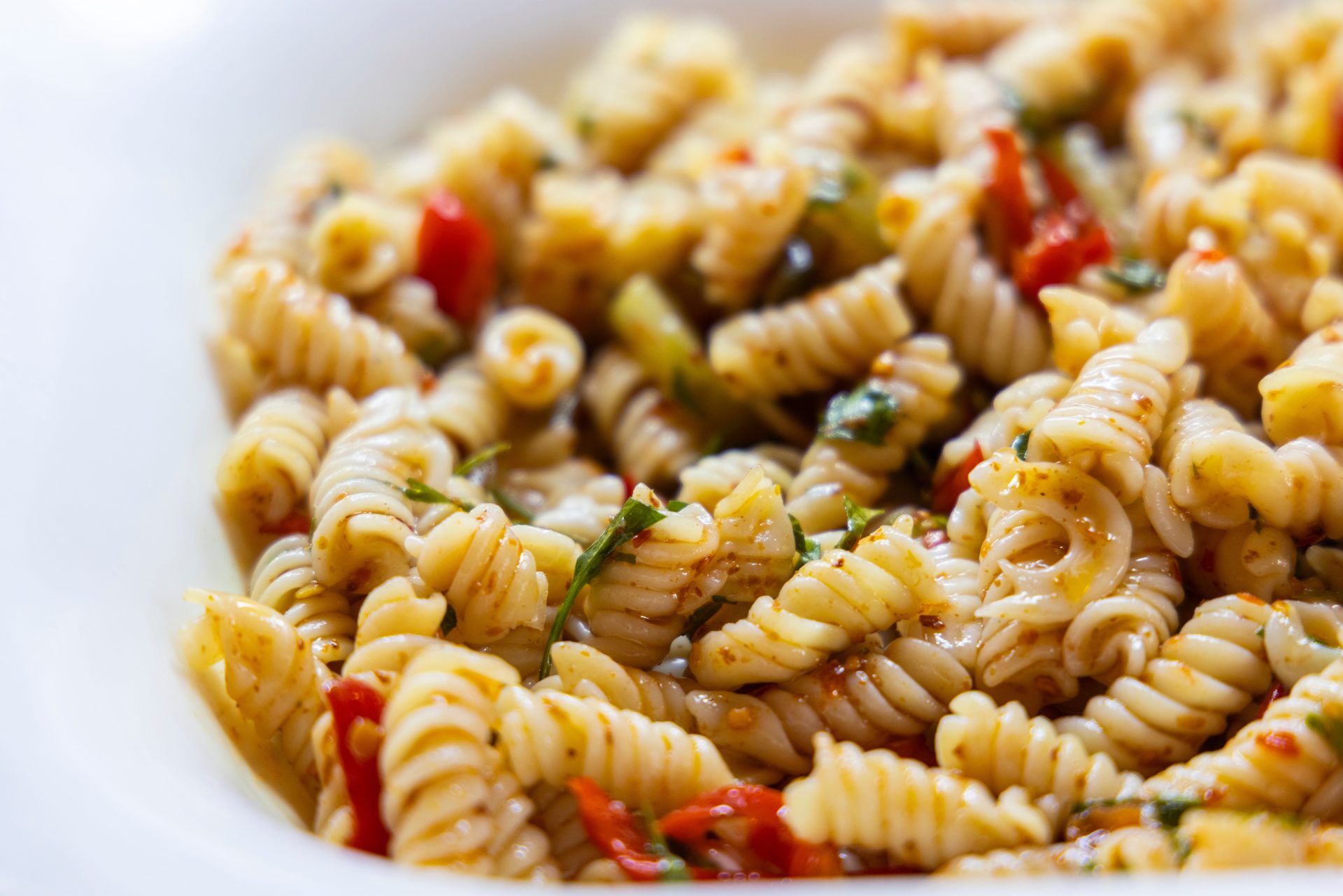
You made a massive bowl of creamy pasta salad for a cookout, and now you have more leftovers than your fridge can reasonably handle. The freezer seems like the obvious solution — but if mayo is involved, things get a little more complicated.
The short answer is yes, you can freeze pasta salad with mayo, but the mayo itself does not survive the process gracefully. Understanding exactly what happens — and what you can do about it — is the difference between salvageable leftovers and a watery, grainy mess you end up throwing out anyway.
This guide walks you through everything: what freezing does to mayo-based pasta salad, how to freeze it the right way, how long it lasts, and how to tell when it has gone bad.
Can You Freeze Pasta Salad with Mayo?
Technically, yes — but with real caveats. Pasta salad made with a creamy or mayonnaise-based dressing won’t freeze nearly as well as other varieties. The texture and taste of mayo or dairy-based dressings will change after they thaw. That is not a rumor; it is just food science.
Mayonnaise and other creamy dressings are best left unfrozen because their makeup doesn’t lend itself well to dramatic temperature changes. What was a previously emulsified mix of ingredients will inevitably separate, and it’s near impossible to restore its texture.
So why would you freeze it at all? Because sometimes you have no choice — the batch is too big, the event is over, and the fridge window is closing fast. In that case, the best approach is to freeze smart rather than freeze everything together. It is best to freeze the pasta first, then add any dressings once it has been defrosted. If the salad is already mixed, all is not lost — you just need to go in with realistic expectations.
Pro Tip: If you know in advance that you are making a large batch to freeze, hold back the mayo entirely. Freeze the pasta and mix-ins separately, then dress the salad fresh after thawing. You will get a much better result.
Oil-based dressings, like a classic Italian vinaigrette, hold up significantly better in the freezer. You can try freezing any type of pasta salad, but some combinations are bound to do much better than others. Pasta salads made from thin, oil-based dressing, such as most Mediterranean pasta salads, will hold up okay in the freezer. If you are planning a Italian pasta salad spread, a vinaigrette version is the smarter freezer candidate.
Does Freezing Change the Texture or Taste of Pasta Salad with Mayo?
Yes — and in several ways at once. The mayo, the pasta, and any vegetables in the mix are all affected differently.
The mayo: When frozen and thawed, creamy dressing like mayonnaise can separate, creating a watery texture. The mayo will split and become grainy — and while you can re-emulsify it on its own in a blender, when it’s part of a pasta salad, you’re stuck with an unappetizing texture.
The pasta: Al dente pasta freezes best. Pasta will naturally absorb moisture, so if it was overdone to begin with, you may get mushy pasta when you defrost your leftovers. This is why undercooking the pasta slightly before freezing is such a widely recommended step.
The vegetables: If there are vegetables with a high water content in your pasta salad, such as lettuce or cucumbers, it’s best to leave these out of the freezer. These types of veggies will become soggy or slimy after they’ve thawed and won’t offer the same crunch.
Before serving, make sure to taste it and refresh any ingredient it might need like extra dressing or seasoning because freezing can dull out flavors. A splash of fresh mayo and a pinch of salt after thawing can go a long way toward bringing the salad back to life. For more ideas on how to build out a complete spread, check out what to serve with pasta salad.
How to Freeze Pasta Salad the Right Way
Whether you are freezing a fully assembled salad or just the pasta base, the process matters. Follow these steps to get the best possible result.
- Cool everything completely first. Before you freeze your leftovers or prepped pasta salad ingredients, make sure everything has cooled down. Any heat will create condensation, which will lead to soggy ingredients.
- Undercook the pasta slightly. Undercook the pasta by 1-2 minutes before freezing to maintain its texture. The pasta will continue to soften during the freeze-thaw cycle, so starting slightly firm gives it the best chance of holding up.
- Keep the mayo separate if possible. Do not add dressing to the pasta; instead, freeze your dressing in a separate bag or container. This is the single biggest improvement you can make to your results.
- Remove high-water vegetables. Pull out cucumbers, tomatoes, lettuce, and any other watery produce before freezing. Fresh vegetables like broccoli, peas, and carrots tend to freeze quite well and are safe to keep in.
- Portion into smaller containers. Divide your pasta salad into smaller containers. This will allow you to thaw just what you need later without having to thaw the entire batch.
- Seal tightly and label. To prevent freezer burn, use airtight containers or freezer bags to prevent air from getting in. Always be sure to label your frozen pasta salad with the date it went in the freezer.
Pro Tip: Lay freezer bags flat while the contents freeze solid. This saves space and helps the salad freeze faster and more evenly, which is better for texture.
If you need to ship frozen food to someone else, the same principles of airtight packaging and quick freezing apply — see this guide on how to ship frozen food for more detail.
How Long Can You Freeze Pasta Salad with Mayo?
The window depends on how the salad was packed and whether the mayo was kept separate.
| Storage Method | Estimated Freezer Life | Quality Outcome |
|---|---|---|
| Pasta only (no dressing) | Up to 2–3 months | Best — dress fresh after thawing |
| Fully assembled (mayo mixed in) | 1–2 weeks for best quality | Acceptable with texture adjustments |
| Pasta + sturdy vegetables (no dressing) | Up to 2 months | Good — add fresh dressing after thaw |
If frozen in the correct way, you can freeze pasta salad for up to three months. However, the sooner you use it, the less the taste and texture will be affected. Defrosting and using your pasta salad within a month of freezing is recommended.
For a fully mixed mayo-based salad, some sources suggest a shorter window. If you are freezing a fully mixed fresh pasta salad, without leafy greens, cucumbers, and other ingredients that don’t freeze well, you will only be able to keep it for roughly a week before it completely changes in taste and texture. The bottom line: freeze the pasta alone for the longest shelf life, and always use it sooner rather than later.
In the refrigerator, you have a bit more flexibility. When stored correctly in an airtight container, pasta salad can last up to five days in the refrigerator, which may be a better alternative for those creamier dishes. For a mayo-heavy recipe, the fridge is often the smarter short-term option.
How to Thaw Frozen Pasta Salad
Thawing is just as important as freezing when it comes to food safety and final texture. Do not rush this step.
The best approach is to take it out of the freezer and move it to the fridge to let it thaw overnight. The gradual thawing preserves the texture much better than a quick microwave thaw would. Plan ahead — most pasta salads need at least 8 to 12 hours in the refrigerator to thaw completely.
When you defrost your pasta salad, allow everything to thaw in the fridge and then reassemble or mix together. This will take a bit longer than thawing out on the counter, but it’s safer and prevents the growth of harmful bacteria. According to the USDA Food Safety and Inspection Service , safe ways to thaw leftovers include the refrigerator, cold water, and the microwave oven. Refrigerator thawing takes the longest but the leftovers stay safe the entire time.
Once thawed, give the salad a good stir. Stir it well to reintegrate any ingredients that may have settled or gotten separated. If the mayo has broken and looks watery, stir in a fresh spoonful of mayo to help bring the dressing back together. If you still feel like the texture isn’t to your liking, try adding some fresh vegetables or spices to rejuvenate the salad a little.
Important Note: Never thaw pasta salad on the counter at room temperature. According to the USDA , bacteria grow rapidly between the temperatures of 40°F and 140°F. Leaving a mayo-based salad at room temperature puts it squarely in that danger zone.
Can You Refreeze Pasta Salad After Thawing?
This is where food safety becomes the priority over convenience. The general guidance from most food safety sources is to avoid refreezing pasta salad — especially a mayo-based version.
Never refreeze your pasta salad once it has been thawed, as this can lead to spoilage and changes in texture and flavor. It’s not recommended to refreeze thawed pasta salad. This increases the risk of bacterial growth and can affect the quality and safety of the food.
The USDA does note a narrow exception: if a large container of leftovers was frozen and only a portion of it is needed, it is safe to thaw the leftovers in the refrigerator, remove the needed portion, and refreeze the remainder of the thawed leftovers without reheating it. This is exactly why portioning into single-serving containers before freezing is such a practical habit — you thaw only what you need and never have to make this call.
With mayo in the mix, refreezing is especially inadvisable. The dressing has already broken down once; freezing it a second time will make the texture even worse. Portion small and freeze once.
How to Use Frozen Pasta Salad (Best Uses After Freezing)
If the thawed salad is not quite right for serving as-is, do not write it off. There are several ways to use it that work with the changed texture rather than against it.
- Refresh and re-dress it. Stir in a fresh spoonful of mayo, a squeeze of lemon juice, and a pinch of salt. Taste it and refresh any ingredient it might need like extra dressing or seasoning because freezing can dull out flavors.
- Add fresh crunchy toppings. Dice some fresh celery, red onion, or bell pepper and fold it in right before serving. The crunch compensates for any softness in the thawed pasta.
- Serve it as a warm pasta dish. If the texture has softened too much for a cold salad, warm it gently in a skillet with a little olive oil and serve it as a simple pasta side instead.
- Use it as a filling. Thawed pasta salad works well stuffed into a wrap, layered onto a sandwich, or served alongside grilled proteins. Check out what to serve with egg salad sandwiches for pairing inspiration that translates well to pasta salad too.
- Pair it with seafood. A refreshed, re-dressed pasta salad pairs well with shrimp or other light proteins. See what to serve with seafood pasta for ideas that work in the same flavor space.
The key mindset shift: frozen-and-thawed pasta salad is not the same dish it was fresh, but it is still usable. Work with what you have rather than expecting it to taste identical to the original.
Signs That Frozen Pasta Salad Has Gone Bad
Even frozen food has a limit. Before you eat thawed pasta salad, do a quick check for these warning signs.
| Sign | What It Means | Action |
|---|---|---|
| Sour or off smell | Bacterial growth has occurred | Discard immediately |
| Visible mold | Spoilage — do not eat any part of it | Discard immediately |
| Slimy texture on pasta or vegetables | Bacterial breakdown of the food | Discard immediately |
| Change in color (gray or brown pasta) | Oxidation or spoilage | Discard if accompanied by off smell |
| Watery, separated dressing | Normal mayo breakdown from freezing | Stir in fresh mayo and taste before serving |
Spoilage signs can include a sour smell, visible mold, excess moisture, and any slimy texture on the pasta or vegetables. If you observe any of these signs, it is imperative to discard the salad immediately to avoid the risk of foodborne illness.
Although freezing slows down bacterial growth, it doesn’t eliminate bacteria. Time in the freezer does not reset the clock on food safety — it just pauses it. If the salad was already on its way out before it went in the freezer, it will not come back safe after thawing.
The USDA also notes that perishable foods that have been left at room temperature for more than 2 hours (1 hour if the temperature is over 90°F, such as at an outdoor picnic during summer) should be thrown away. If your pasta salad sat out at a summer barbecue before going into the freezer, it should not be frozen at all — it should be discarded. For more on safe cold food temperatures, see how cold a refrigerator needs to be to keep food safe.
Frequently Asked Questions
Can you freeze store-bought pasta salad with mayo?
Yes, the same rules apply. You could freeze your pasta salad. It won’t taste as fresh, but there shouldn’t be any safety issues. If the store-bought version is already heavily dressed, expect the same mayo separation you would get with homemade.
What pasta shapes freeze best?
The success of freezing pasta salad hinges largely on the type of pasta used. A hearty pasta like rotini or penne holds its shape better than delicate noodles like angel hair. Stick with short, sturdy shapes for the best freeze-thaw results.
Can you freeze macaroni salad?
While you can freeze macaroni salad, it is a process that calls for some thought and planning if you want it to retain its quality. Macaroni salad follows the same rules as any mayo-based pasta salad — freeze the pasta separately when possible, and add fresh mayo after thawing.
Is it better to refrigerate or freeze mayo pasta salad?
For most mayo-based pasta salads, refrigerating is the better short-term option. When stored correctly in an airtight container, pasta salad can last up to five days in the refrigerator, which may be a better alternative for those creamier dishes. Only freeze if you know you won’t eat it within that window.
Can you freeze pasta salad with eggs in it?
The white of a boiled egg doesn’t stand well to freezing as it becomes rubbery. If your pasta salad contains hard-boiled eggs, remove them before freezing or keep the pieces very small so the texture change is less noticeable.
How do you fix watery mayo after thawing?
Stir the salad thoroughly first. If the dressing is still watery and separated, drain off any excess liquid, then fold in a fresh spoonful or two of mayo. A little Dijon mustard can also help re-emulsify the dressing. If you still feel like the texture isn’t to your liking, try adding some fresh vegetables or spices to rejuvenate the salad a little.