What Does It Really Cost to Build a House in England? A Budget-by-Budget Breakdown

October 19, 2026
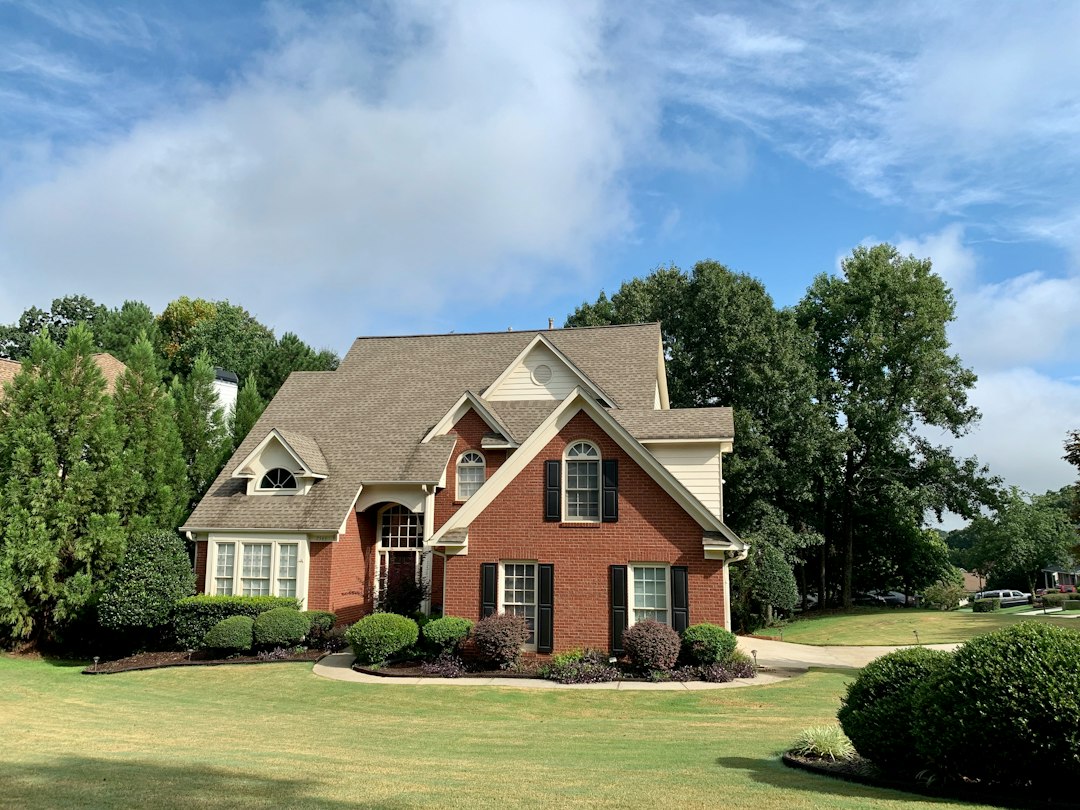
Building your own home in England is one of the most financially significant decisions you will ever make — and one of the most misunderstood. Ask three builders for a quote and you may get three very different numbers, all of them technically correct.
That is because the cost to build a house in England depends on a web of variables: where you build, how large the property is, what finish level you choose, and which professionals you hire. In 2026, total project budgets typically range from £150,000 for a modest self-build to well over £500,000 for a bespoke, architect-designed home in the South East. This guide breaks every layer of that cost down so you can plan with confidence before a single brick is laid.
Average Cost to Build a House in England
In 2026, a cost estimate for a house in England is anywhere between £1,750 and £3,000 per square metre. That wide range reflects genuine differences in specification, location, and build method rather than guesswork.
On average, building a home in the UK in 2026 is projected to cost between £150,000 and £500,000 or more, depending on location, size, design complexity, and materials chosen. To put that in practical terms by bedroom count:
- The cost of building a 2-bedroom house in the UK is anywhere between £187,625 and £281,437.
- A three-bedroom house — the most common self-build size in the UK — typically has an average footprint of 100–130m², with costs falling between £200,000 and £330,000 in 2026, depending on location and specification.
- For a standard 4-bedroom detached house of approximately 140m², total build costs (excluding land) typically range from £280,000 in the North to £450,000+ in London and the South East at standard specification.
These figures cover construction only. Land, professional fees, planning costs, and utility connections are all additional — and often substantial — expenses that you must budget for separately.
Important Note: New build construction in England is zero-rated for VAT, meaning you will not pay VAT on the build itself. However, VAT does still apply to consultants’ fees such as architects and engineers.
A professional budget is typically partitioned into three distinct pillars: the structural shell accounts for roughly 35% of the total spend, the internal fit-out and high-specification finishes represent another 40%, and the remaining 25% is allocated to preliminaries, professional fees, and contingency funds.
Cost to Build a House Per Square Foot in England
Most builders, architects, and surveyors in England quote in square metres (m²), but it helps to understand both measurements when comparing estimates.
In 2026, the typical cost to build a house in the UK ranges from £1,800 to £3,000 per m², or £167 to £279 per square foot, depending on region, specification, and design complexity. Here is how those rates break down by finish level:
| Specification Level | Cost per m² | Cost per sq ft (approx.) | Best For |
|---|---|---|---|
| Basic / Entry-Level Self-Build | £1,500–£1,750 | £139–£163 | Experienced self-managers, simple designs |
| Standard Specification | £1,800–£2,300 | £167–£214 | Most self-builds and mid-range new homes |
| Good / Mid-to-High Spec | £2,300–£3,000 | £214–£279 | Architect-designed homes, quality finishes |
| Premium / Bespoke | £3,000–£4,000+ | £279–£370+ | High-end London and South East projects |
In 2025/26, new build house costs range from £1,500/m² for a basic self-build to £3,500+/m² for a premium architect-designed home, with the average standard specification self-build sitting at approximately £2,000–£2,500/m².
Regional variations are significant: London costs are 25–35% higher than the national average, while North England and Scotland can be 10–15% below average. A useful rule of thumb from cost calculators is to add 30% for London, 15% for the South East, and deduct 10% for North England and Scotland compared to a Midlands baseline.
Pro Tip: Smaller homes generally cost more per square metre than larger ones. Fixed costs like foundations, a kitchen, and a bathroom are spread across fewer square metres, pushing the rate up. If your budget is tight, building slightly larger can sometimes be more cost-efficient per m².
Cost Breakdown: What You’re Actually Paying For in England
Understanding where your money goes makes it far easier to identify where savings are realistic and where cutting corners will cost you more in the long run.
Labour alone accounts for around 40 to 45% of the total build cost in the UK, making it one of the single biggest variables in any project budget. Here is a breakdown of the main cost categories you will encounter:
Foundations and Groundworks
Site preparation, excavation, and foundations typically represent a significant early expense. Costs vary depending on soil conditions, proximity to trees, and whether specialist foundations such as mini piles are required. Groundworks can run from £15,000 to £50,000+ depending on site complexity.
Structural Shell (Frame, Walls, Roof)
The most common building method in the UK is with a main structure in timber. Buildings in concrete or masonry will be more expensive, but brick and concrete structures are also more durable and require less maintenance over time. Expect the shell to consume around 35% of your build budget.
Internal Fit-Out (Plumbing, Electrics, Plastering, Finishes)
This is where specification choices have the biggest impact on cost. A standard kitchen, bathrooms, and flooring package will look very different in price from bespoke joinery and premium fixtures. Internal fit-out typically accounts for around 40% of the total build cost.
Professional Fees
Engaging an architectural design team, structural engineer, and project manager may add an additional 10% to 15% to the overall cost of your build. Architectural fees generally account for 5% to 12% of the total project cost, with structural engineers and project managers adding to the overall expenses. These fees are essential for avoiding costly mistakes.
Planning and Statutory Costs
The cost of submitting a planning application is £578 in England. You will also need to budget for building regulations approval, structural surveys, and any conditions attached to planning consent.
Utilities and Connections
Utility connections, including electricity, water, and gas, typically cost between £5,000 and £25,000, depending on the site’s location and complexity. Rural plots with no existing connections at the boundary will be at the higher end of this range.
Contingency Fund
Always hold onto a 10–15% contingency just in case something pops up during construction that needs to be added to the scope — for example, damp issues, deeper foundations if building control determines that the soil type is highly volatile, or old tree roots detected upon excavation.
Common Mistake: Many self-builders budget only for construction costs and forget professional fees, utility connections, landscaping, and the contingency fund. These “soft costs” can easily add 25–35% on top of your headline build cost.
Cost of Land in England
For most self-builders, land is the largest single line item in the entire project. And unlike build costs — which you can influence through design and specification choices — land prices are set by the market.
As a general rule, land cost represents 30–50% of total project cost for self-builds in England. In London, land can be 60–70% of total cost. The most important factor determining what you pay is planning permission status.
Agricultural land typically costs £8,000–£15,000 per acre, while land with development potential ranges from £50,000 to £300,000+, and land with planning permission can reach £300,000 to £1,000,000+ per acre equivalent.
Regional variation in building plot prices is enormous:
- Central London land averages £750,000–£1,500,000+ per acre, while outer boroughs range £300,000–£600,000 per acre depending on development potential.
- Development land in the Home Counties can exceed £400,000 per acre with planning permission.
- The North East offers the most affordable land in England, with residential plots considerably lower than southern regions.
A £2,000/m² build costing £280,000 for a 140m² house might require land worth £140,000–£280,000 in the Midlands, and £400,000–£700,000 in London. This stark difference is why many self-builders choose to build outside of London and the South East even if they work in the capital.
Key Insight: Planning permission can multiply the value of agricultural land by 50 times or more. An acre worth £10,000 for farming can reach £500,000 or beyond with residential planning consent in a desirable location. Buying land without planning permission and applying yourself carries risk, but can deliver significant savings if approved.
When you find a plot, use the Land Registry to check recent sales of comparable plots in the area. Each title register costs just £3 and shows the purchase price and date — a very cheap way to validate whether an asking price is realistic.
You will also need to factor in Stamp Duty Land Tax on your land purchase. Provided you are buying land only, you will pay less stamp duty on a self-build property, as you pay duty only on the land cost, not on the future property value. This is a meaningful saving compared to buying an equivalent finished home.
Factors That Affect Building Costs in England
No two builds cost the same. The following factors have the greatest influence on where your project lands within the broad cost ranges above.
Location
Costs are highest in the premium-priced South East and London, while more affordable areas include Scotland, Wales, and the North of England. This reflects differences in labour rates, contractor competition, and material delivery costs. Costs in Central London can be as high as £3,500 per square metre, while building in the South East and East of England typically ranges between £2,500 to £3,500 per square metre depending on proximity to major cities.
Size and Shape
A simple rectangular house will be cheaper than one with a more complex shape. Every additional corner, bay window, or irregular roofline adds both material cost and labour time. Keeping the footprint simple is one of the most effective ways to manage your budget without sacrificing floor area.
Construction Method
Construction method has a massive impact on speed, costs, and perceived quality of build. Popular types include traditional brick-and-block, timber frame, and modern sustainable builds. Timber frame tends to be faster to erect and can be more cost-effective in some regions, while brick-and-block is the most familiar method for English builders and often attracts more competitive quotes.
Specification and Finishes
Constructing a new space entails hundreds of design and specification choices, and every single option has an effect on the cost of building a house. The more expensive the materials you select, the more money you will spend on your project. Kitchen and bathroom choices alone can shift your total cost by tens of thousands of pounds.
Site Conditions and Access
If access to the site is not straightforward — for example, because there is a narrow access track or no rear access at all — you may incur additional costs. Poor ground conditions, contamination, proximity to protected trees, or a sloping site can all add significantly to groundwork costs before the visible build even begins.
Labour Market Conditions
Location and the level of competition for tenders play a significant role in what contractors charge. In areas where building activity is high and good tradespeople are in demand, you will pay a premium. Starting your project during quieter periods or in less competitive markets can yield better quotes.
Building vs. Buying a House in England
The question of whether to build or buy is one that every prospective homeowner in England should work through carefully. The honest answer is: it depends on your circumstances, your location, and what you value most.
The Case for Building
The benefits of building your own home are vast — you have full customisation and can design your dream home, and there are potential cost savings. It is often cheaper than buying a new build would be. Self-builders typically achieve a finished property worth more than its total cost, creating instant equity. Build-to-sell projects can yield strong returns if the property is in a high-demand area with rising values — in commuter zones near London, well-designed homes can sell for 20–30% more than their construction costs, especially if they feature modern layouts and energy efficiency.
There is also a long-term running cost advantage. A key consideration around cost that is often overlooked is the long-term savings on areas like energy efficiency, which can drastically reduce bills in the long term. A newly built home built to 2026 building regulations will be significantly more energy-efficient than most existing stock.
The Case for Buying
It is really important to note that timescales, budgeting, and costs — as well as the effort involved — can be substantially higher than buying an existing home. Self-builds require time, project management skill, and the ability to absorb unexpected costs without derailing the project. Average timescales to complete a self-build range from 8 to 18 months, during which you will likely need to fund alternative accommodation.
Buying an existing property also offers certainty. You know the final price before you commit, and you can move in immediately. For buyers in fast-moving markets, the speed of a purchase can outweigh the financial benefits of building.
| Factor | Building | Buying |
|---|---|---|
| Customisation | Full control over design and layout | Limited to what is available on the market |
| Cost certainty | Costs can escalate during build | Fixed price agreed at exchange |
| Timeline | 8–18 months from plot purchase | Weeks to months from offer to move-in |
| Energy efficiency | Built to latest regulations | Varies widely; older homes often less efficient |
| Equity potential | Finished value often exceeds build cost | Dependent on market movements |
| VAT | Zero-rated on construction costs | Stamp duty applies on full purchase price |
If you are weighing up housing costs in different markets, it may also be useful to explore what renting versus owning looks like in other major cities to benchmark your options.
How to Save Money When Building a House in England
Cutting costs on a self-build does not have to mean cutting quality. The most successful self-builders save money through planning, timing, and smart procurement rather than by compromising on the fundamentals.
1. Keep the Design Simple
A straightforward, rectangular footprint with a standard pitched roof will almost always cost less than a complex shape with multiple rooflines, large glazed areas, and irregular walls. Work with your architect to maximise floor area and functionality within a cost-efficient envelope. Every simplification at the design stage saves money throughout the entire build.
2. Get Multiple Contractor Quotes
Set a realistic budget with a 10–15% contingency. Compare quotes from multiple contractors and remember that you can reclaim VAT on eligible expenses. A competitive tender process — where at least three contractors price the same detailed specification — is one of the most reliable ways to achieve best value. Choosing the cheapest quote without checking references can be a false economy.
3. Reclaim VAT After Completion
The VAT reclaim alone can save £20,000–£40,000+ on a typical self-build. You apply after the house is completed. This is one of the most significant financial advantages of self-building in England and one that many first-time builders are unaware of. Keep meticulous records of all receipts.
4. Consider Timber Frame or Kit Homes
Kit and modular homes can be built at a slightly lower cost per m² than a bespoke one-off build, thanks to standardised design, bulk fabrication, and shorter construction time. Faster construction also means lower finance costs if you are using a self-build mortgage. However, always do your homework, as depending on individual requirements, kit homes can sometimes cost more per m² than bespoke builds.
5. Take on Project Management Yourself
A middle-of-the-road figure for building a house in 2025 would be around £2,200+ per m², on the assumption you will be doing some of the project management and mostly using experienced trades to finish your scheme. If you have the time and organisational skills, managing the build yourself can save 10–15% compared to hiring a main contractor to oversee everything. Be realistic about what this demands, though — it is a near full-time commitment.
6. Source Materials Directly
Buying materials directly from suppliers and merchants rather than through your contractor removes a mark-up layer. This works best for items you can specify precisely — bricks, roof tiles, windows, and sanitaryware are all areas where direct purchasing can yield meaningful savings. You will need storage space on site and good coordination with your build programme.
7. Stage Your Specification
Build the structural shell and fit-out to a good but not extravagant standard initially. Bespoke kitchens, premium flooring, and landscaping can all be upgraded later once the core build is complete and paid for. Understand which features are pushing the cost up so you can decide what is actually worth it and what is just nice to have but not essential.
Pro Tip: Register on your local council’s Right to Build register. Councils are legally required to grant planning permission for enough self-build plots to meet registered demand, which can open up plot opportunities that never reach the open market.
8. Time Your Build Carefully
External factors caused labour and building materials prices to surge in recent years, but construction costs have seemed to even out and inflation is now under control. Starting a project during a period of stable costs — rather than during a construction boom — makes it far easier to hold to your budget. Obtain fixed-price contracts wherever possible to protect against mid-build price increases.
If you are also considering property costs in other parts of the world as part of a broader financial picture, you might find it helpful to look at apartment costs in high-demand US cities or explore what Manhattan apartment prices look like for comparison. For those thinking about building supplementary structures, our guide on how much it costs to build a greenhouse covers a related project you may want to plan alongside your main build.
Building a house in England in 2026 is a significant financial undertaking, but it remains one of the most rewarding ways to create exactly the home you want. The key is going in with accurate numbers, a realistic contingency, and a clear understanding of every cost layer — from the plot price to the final coat of paint.