Can You Freeze Feta Pasta? What Actually Happens and How to Do It Right

November 3, 2026
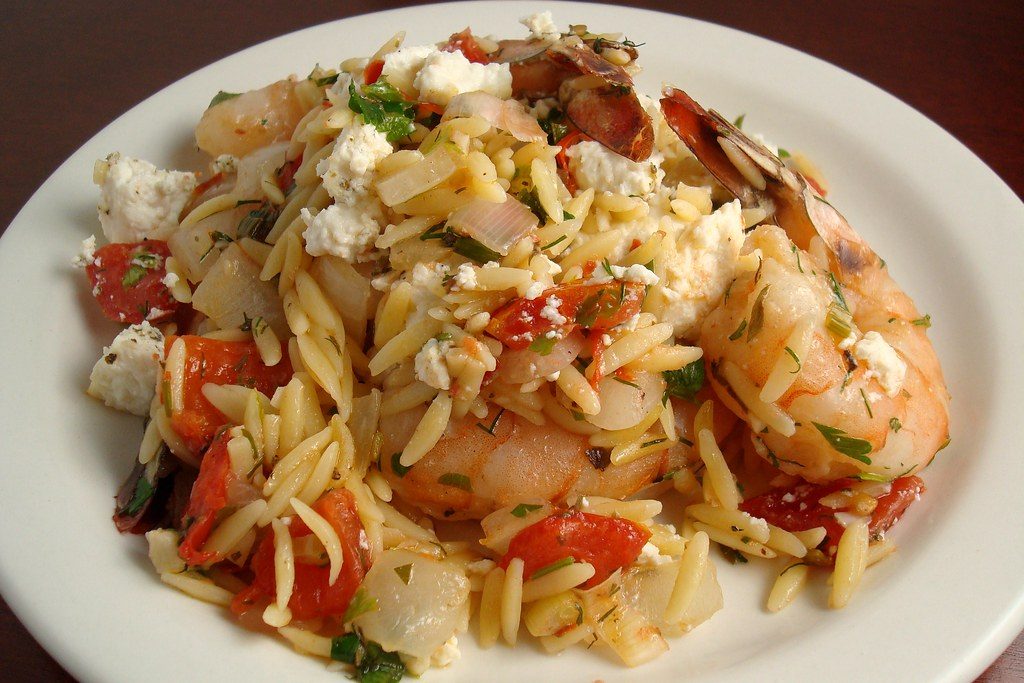
Feta pasta is one of those dishes that’s almost too easy to make a big batch of — and then you’re left staring at leftovers you can’t finish in time. The good news is that you can freeze feta pasta, but there are a few things worth knowing before you toss the whole container in the freezer.
The feta cheese component is the part that needs the most attention. Fresh feta has a high moisture content, and when frozen, that moisture turns into ice crystals that disrupt the structure of the cheese, leading to a texture change upon thawing. The pasta itself freezes well, so the real question is how to manage the whole dish together — and what to expect when you pull it back out.
This guide covers everything: how freezing affects your feta pasta, how to pack it correctly, how long it keeps, and the best ways to bring it back to life after thawing.
Can You Freeze Feta Pasta?
Yes, you can freeze feta pasta. Once prepared, baked feta pasta can be stored in the refrigerator in a sealed container for up to four days — but if you need it to last longer, the freezer is a solid option. Transfer the pasta to airtight containers or freezer bags, make sure the container is sealed and secure, and store it for up to three months.
This dish is best eaten fresh and piping hot from the oven, but you can definitely make it ahead of time. The texture might be different when it’s not freshly made, but it will still be delicious. Freezing works especially well for meal prep situations where you want a ready-to-reheat dinner waiting for you on a busy weeknight.
One important caveat: when asked about extending feta’s life in the freezer, cheese and food technologist Dean Sommer at the University of Wisconsin-Madison’s Center for Dairy Research said freezing completely destroys the texture of feta cheese, even when thawed gently in the refrigerator, describing defrosted frozen feta as “over the top crumbly.” The crumbles might be acceptable as a topping, he said, but for ideal texture, you’re much better off keeping your feta out of your freezer. That said, in a fully mixed baked feta pasta dish, the sauce and pasta help mask those texture changes considerably.
Pro Tip: If you plan to freeze feta pasta regularly, slightly undercook the pasta before freezing. It will finish cooking during reheating and won’t turn mushy.
Does Freezing Change the Texture or Taste of Feta Pasta?
Freezing does change both the texture and the taste of the feta in your pasta — but the degree of change depends on how the dish is prepared and stored. Freezing feta significantly alters its texture. The ice crystals that form during freezing break down the cheese’s delicate structure. When thawed, feta tends to become more crumbly and less creamy than its fresh counterpart, and the texture can become somewhat grainy or mealy.
On the flavor side, the news is a bit better. Freezing has little impact on the characteristic tangy and salty flavor of feta cheese, and most of the original flavor is retained well after freezing. However, the freezing process has been known to alter the taste of feta, specifically its saltiness level — what was once a mildly salty and tangy cheese may become more bland after its stint in the freezer.
For a fully assembled baked feta pasta, the sauce is already mixed into the noodles, which actually works in your favor. If you want to be 100% sure nobody can tell if it was frozen, use it in a cooked dish — those changes are impossible to notice because the cheese has been melted. The pasta absorbs the sauce, so the crumbliness of the feta becomes far less noticeable than it would be in a fresh salad.
How to Freeze Feta Pasta the Right Way
The key to freezing feta pasta successfully is speed and proper packaging. Leaving it at room temperature too long before freezing is one of the most common mistakes people make. Follow these steps for the best results:
- Cool it down completely. Make sure to cool the dish down completely, then carefully transfer it to an airtight, freezer-safe container and freeze within 2 hours of making the pasta dish.
- Choose the right container. Use airtight storage containers and make sure they are freezer-safe to prevent cracking when you take them out to be defrosted. Heavy-duty freezer bags with the air pressed out also work well for single-serving portions.
- Portion it out. Before freezing, divide your portions to suit your typical cooking or serving needs. This saves time and prevents repeated thawing and refreezing, which can degrade quality.
- Label with the date. Label the container with the date, and make sure to eat it within 2 months of storage for best quality, even though it remains safe up to three months.
- Freeze flat when possible. If using freezer bags, lay them flat in the freezer so they stack easily and freeze evenly.
Pro Tip: If your feta pasta sauce looks a little thick before freezing, stir in a small splash of olive oil. It helps the sauce stay cohesive after thawing and reheating.
How Long Can You Freeze Feta Pasta?
Feta pasta keeps well in the freezer for up to three months when stored properly. Frozen feta cheese is safe to eat indefinitely from a microbiological standpoint if kept at a constant 0°F (-18°C) or below. However, the quality will diminish over time, and the recommended storage duration for frozen feta is up to 3 months for best flavor and texture retention.
After 6 months, the quality of frozen feta may decline noticeably, including increased dryness and flavor degradation, so it is advisable to consume frozen feta within the recommended timeframe for best results. For a fully assembled pasta dish, aim to use it within 2 months for the best eating experience.
| Storage Method | Estimated Shelf Life | Quality Notes |
|---|---|---|
| Refrigerator (in brine) | 3–4 weeks (feta only) | Best texture and flavor |
| Refrigerator (assembled pasta) | Up to 4 days | Good quality; reheat gently |
| Freezer (assembled pasta) | Up to 3 months | Texture softens; flavor mostly intact |
| Freezer (beyond 3 months) | Safe but declining quality | Increased dryness and flavor loss |
How to Thaw Frozen Feta Pasta
Thawing feta pasta slowly in the refrigerator is the safest and most texture-friendly method. To defrost the frozen baked feta pasta, take it out of the freezer and leave it inside the refrigerator to thaw overnight. Do not leave it to thaw on the counter as it may cause the dish to go bad.
Transfer the feta pasta from the freezer to the refrigerator and allow it to thaw overnight (8–12 hours). This slow thawing minimizes moisture loss. After thawing, drain any liquid that has accumulated to avoid sogginess.
Once it’s thawed, reheat it on the stovetop for the best results. Cook the pasta in a saucepan over medium heat, stir the pasta gently, and you may need to add a little milk to loosen the pasta sauce. A splash of pasta water or olive oil works just as well if you don’t want to use milk. Avoid high heat, which can make the sauce grainy and cause the feta to seize up.
Important Note: Never thaw feta pasta at room temperature on the counter. The USDA recommends keeping perishable foods out of the “danger zone” between 40°F and 140°F, where bacteria multiply rapidly. Always thaw in the refrigerator.
Can You Refreeze Feta Pasta After Thawing?
No — you should not refreeze feta pasta once it has been thawed. Do not refreeze feta cheese once it has been thawed, as this accelerates quality degradation and increases risk of spoilage.
Refreezing feta cheese multiple times can drastically degrade the texture and flavor, often resulting in an overly crumbly, dry cheese. Beyond texture, there’s also a food safety concern. Don’t be tempted to refreeze thawed feta. It is the same as refreezing any food — it could be dangerous and give you food poisoning.
The best way to avoid this situation entirely is to freeze your feta pasta in single-serving portions before you freeze it. Freeze feta in small portions or blocks, allowing you to thaw only what is needed without repeatedly exposing the cheese to temperature changes. That way, you only pull out exactly what you need for each meal.
How to Use Frozen Feta Pasta (Best Uses After Freezing)
Once thawed, feta pasta is best used in applications where it gets heated through and the sauce can re-emulsify. The texture of the feta will be softer and more crumbly than fresh, but that actually works in its favor in several dishes. Because the texture softens and becomes crumbly, frozen and thawed feta is typically better suited for cooked or mixed dishes rather than eating fresh or in simple salads. Using thawed feta in recipes like pizzas, pasta bakes, or warm salads helps incorporate its flavor fully without being affected by texture changes.
Here are some of the best ways to use your thawed feta pasta:
- Reheat as-is: Warm it in a saucepan over medium-low heat with a splash of milk or olive oil to loosen the sauce. This is the most straightforward option for a quick weeknight meal. You can also check out what to serve with pasta dishes for easy side ideas.
- Baked pasta casserole: Feta works wonderfully in baked dishes like spanakopita, tiropita, or baked feta pasta. Transfer the thawed pasta to an oven-safe dish, top with a little extra cheese, and bake at 375°F until bubbly.
- Pasta frittata: Mix the thawed feta pasta with beaten eggs and cook it in a skillet for a savory frittata. The eggs bind everything together and the feta adds a salty punch.
- Stuffed peppers or zucchini: Use thawed feta as a filling for pastries, omelets, or stuffed peppers. Spoon the thawed feta pasta into halved bell peppers and roast until tender.
- Grain bowls: Mix feta into warm pasta, quinoa, or couscous bowls — the salty, tangy flavor complements Mediterranean-style dishes perfectly.
If you’re interested in exploring more Mediterranean-inspired dishes, take a look at traditional Greek foods for ideas that pair well with feta-based meals.
Signs That Frozen Feta Pasta Has Gone Bad
Even when stored correctly, frozen feta pasta can go bad — especially if the seal on your container wasn’t airtight, or if it sat in the freezer too long. Knowing what to look for can save you from an unpleasant experience.
The color may change and darken, or the cheese might develop a strong, stinky odor — very different from the fresh, tangy aroma of good feta. Its texture could become oozing and mushy, or it might dry out completely and turn hard. The number one indicator that your feta should be tossed, though, is mold.
While some cheeses can be salvaged by cutting off the affected area, feta isn’t one of them. If you see mold anywhere on the feta pasta, discard the entire portion — don’t try to salvage part of it.
For the pasta itself, watch for these additional signs:
- Freezer burn: White, dry patches on the surface of the pasta indicate freezer burn. The pasta is still safe to eat but will taste dry and off.
- Sour or “off” smell: If the product starts to smell yeasty, like proofed bread dough, the product has gone bad, according to Dean Sommer at the University of Wisconsin-Madison’s Center for Dairy Research.
- Unusual color: If the cheese has an unusual color or texture, you shouldn’t eat it.
- Slimy texture: If the cheese is slimy or smells funny, you should not eat it.
Pro Tip: Always label your containers with the freezing date. If you can’t remember when you froze something, that’s usually a sign it’s been in there too long.
Frequently Asked Questions
Can you freeze feta pasta with fresh tomatoes in it?
Yes, but be aware that tomatoes release a lot of liquid when frozen and thawed. The sauce may be slightly more watery after reheating. Stir well and let it simmer for a minute or two to tighten back up.
Can you freeze feta pasta before baking?
You can freeze the feta and tomato mixture before combining it with the pasta, but it’s generally easier to freeze the fully assembled dish. Assembling and freezing before baking can result in uneven textures after cooking.
How do you reheat frozen feta pasta without it drying out?
Cook the pasta in a saucepan over medium heat, stir gently, and add a little milk to loosen the pasta sauce. You can also add a tablespoon of olive oil or reserved pasta water to restore creaminess.
Does feta pasta freeze better with or without the pasta?
Freezing the sauce separately from the pasta gives you slightly better texture control, since pasta can get mushy after freezing and reheating. However, freezing the whole assembled dish is more convenient and still produces good results when the pasta is slightly undercooked before freezing.
Is it safe to eat feta pasta that’s been frozen for 4 months?
Frozen feta cheese is safe to eat indefinitely from a microbiological standpoint if kept at a constant 0°F (-18°C) or below, but the quality will diminish over time. At 4 months, the texture and flavor will likely have degraded noticeably. It’s safe, but it probably won’t taste great.
Can I freeze store-bought crumbled feta separately to use later in pasta?
You can freeze feta cheese crumbles, both store-bought and those you crumbled yourself from a feta block — both options freeze well. The best way is to pre-freeze the crumbles on a cookie sheet, then transfer frozen pieces into a freezer container. This gives you pre-portioned feta ready to drop straight into a hot pasta sauce without thawing first.
For more food storage tips and ideas on eating well, explore these resources: whole plant-based foods for nutrient-dense meal planning, or browse superfoods for a healthy heart to round out your Mediterranean-inspired diet. If you’re curious about how certain ingredients affect your health, powerful nutrients and foods that fight cancer is worth a read, as is this guide to foods that support liver function. And if you enjoy exploring global food traditions, the traditional Greek foods article gives great context for where feta fits into Mediterranean cooking culture.