Can You Freeze Uncooked Mushrooms? What You Need to Know Before You Try

November 2, 2026
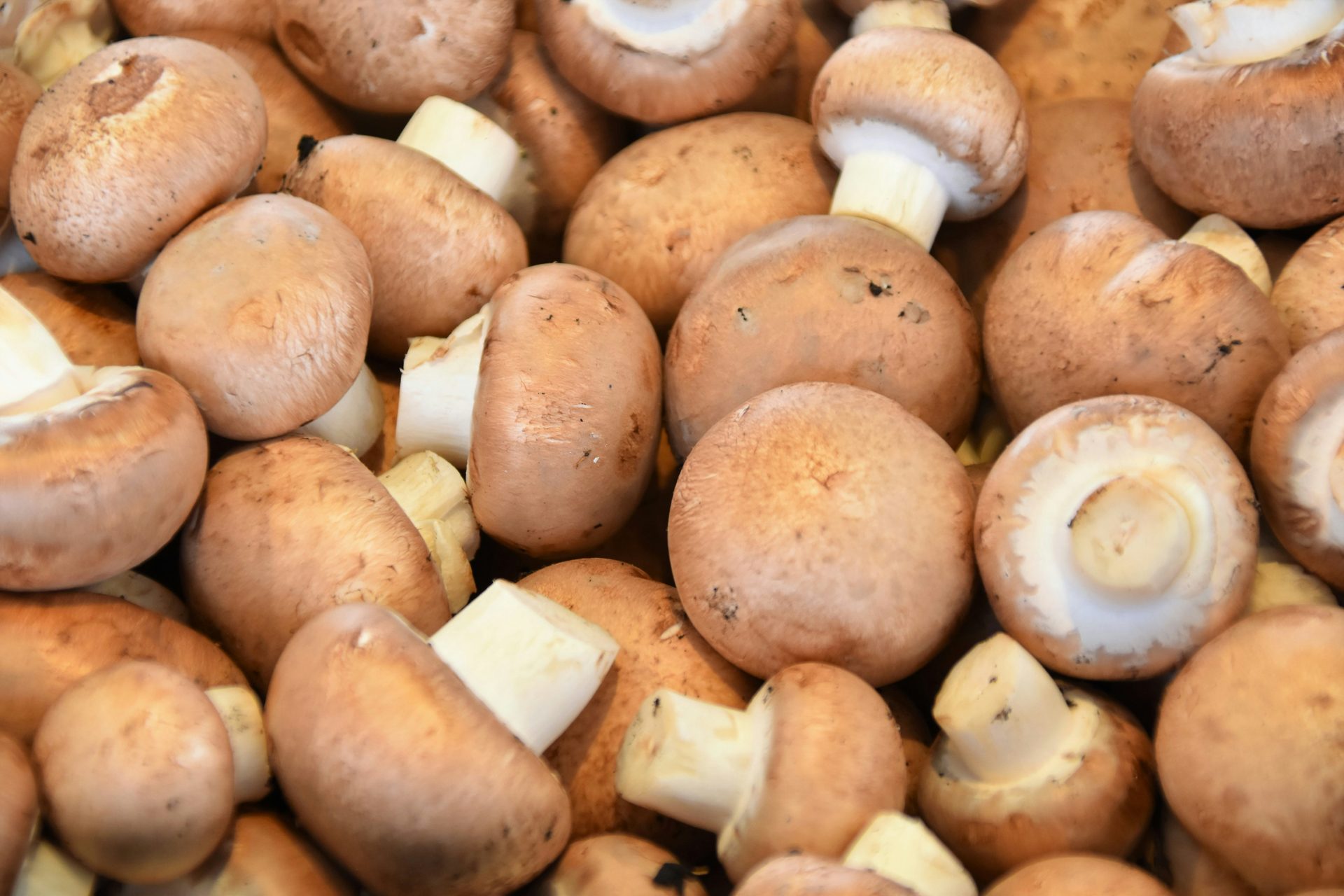
Mushrooms are one of those ingredients you buy with the best intentions, only to find them turning soft and slimy in the back of the fridge a few days later. Most fresh mushrooms last about one week in the refrigerator before they start showing signs of nearing their expiration date, such as becoming soft, brown, or even slimy. Freezing them is one of the most practical ways to cut down on that waste — but whether you freeze them raw or prep them first makes a bigger difference than most people expect.
The short answer is yes, you can freeze uncooked mushrooms. The longer answer is that raw freezing comes with real trade-offs in texture and shelf life that are worth understanding before you toss a bag in the freezer. This guide walks you through everything — from what happens when mushrooms freeze, to the best methods, thawing tips, and how to tell when a batch has gone bad.
Can You Freeze Mushrooms?
Yes, you can freeze mushrooms, and you can freeze them raw without blanching or cooking them first. Freezing mushrooms can increase their shelf life and reduce food waste — especially useful when you’ve stocked up on a sale or have more than you can use before they turn.
There are several ways to freeze mushrooms: uncooked or cooked. Freezing uncooked mushrooms is a good option when you want some flexibility in how you use them later. You can freeze them when they are raw, sautéed, or steamed, and each way changes the texture and flavor a little bit.
That said, how you freeze them matters more than whether you freeze them. Cooking your mushrooms first — a quick sauté — or blanching them before freezing gives you far better texture than tossing raw mushrooms straight into the freezer. If you’re freezing raw, go in with realistic expectations about the results.
If you enjoy learning about different mushroom varieties before deciding which ones to freeze, take a look at this guide to different types of mushrooms for a helpful overview.
Pro Tip: Only freeze mushrooms that are still firm, dry, and blemish-free. Freezing preserves quality — it cannot rescue mushrooms that are already on their way out.
Does Freezing Change the Texture or Taste of Mushrooms?
Yes, and this is the part most guides gloss over. Mushrooms are about 80–90% water, and freezing forms ice crystals that break down their cell walls, releasing liquid when they thaw, according to USDA FoodData Central (2023). Mushrooms have a lot of water in them, so freezing them breaks down the walls of their cells. When they thaw, they are softer because of this — and this is very clear if you freeze raw mushrooms without steaming or sautéing them first.
Here’s what to expect after freezing:
- Texture: Mushrooms become spongy or slightly rubbery if not pre-cooked.
- Taste: The umami flavor is still there, especially in cooked mushrooms like cremini, baby bella, and portobello mushrooms.
- Color: Frozen mushrooms may darken slightly — this is normal.
- Nutrition: Freezing doesn’t affect the calorie, fiber, or mineral content of foods, but it can reduce the content of water-soluble vitamins like riboflavin, niacin, and folate.
While you can freeze raw mushrooms, given their high water content, they can become mushy when thawed. This can work for soups, casseroles, or blended dishes, but you may not want squishy mushrooms for other things. For dishes where texture matters, pre-cooking before freezing is the smarter move.
Mushrooms are also worth keeping in your diet for more than just flavor. If you’re interested in how fungi fit into a broader healthy eating plan, this article on superfoods for a healthy heart covers some of the nutritional highlights.
How to Freeze Mushrooms the Right Way
There are three solid methods for freezing mushrooms, and the one you choose depends on how you plan to use them. Mushrooms can either be frozen trimmed and raw, steam blanched, or quickly sautéed and cooled before being placed in an airtight, freezer-safe bag. Here’s how each method works.
Method 1: Raw Flash Freeze (Quickest, Lowest Effort)
This method works fine for soups, stews, and blended sauces where texture is less of a concern. Freezing raw is the fastest option and perfectly safe — it just gives you the softest result. Raw frozen mushrooms are best when you’ll be cooking them into something where texture doesn’t matter much, like soups, stews, stocks, or blended sauces.
- Wipe mushrooms clean with a damp paper towel. Don’t soak them — mushrooms are sponges and will absorb extra water you’ll just have to freeze out later.
- Trim dried-out stem ends and slice or quarter to your preferred thickness.
- Spread them in a single layer on a parchment-lined baking sheet. Freeze the tray for 1–2 hours until the mushrooms are firm. This “flash freeze” step keeps them from clumping into one solid block.
- Transfer the frozen pieces to a freezer bag, press out the air, label, and return to the freezer.
Method 2: Sauté Before Freezing (Best Texture and Flavor)
Sautéing before freezing reduces moisture content and develops the mushrooms’ flavor through browning. Thawed sautéed mushrooms have the most usable texture and the deepest flavor of either method.
- Slice or quarter the mushrooms.
- Heat one tablespoon of oil in a large skillet over medium-high heat. Add the mushrooms in a single layer and sauté until browned, about 3 minutes. Work in batches and add more oil as needed — crowding the pan causes steaming instead of browning.
- Let them cool completely on a plate or sheet pan. Never freeze food while it’s still warm — it raises the temperature inside your freezer.
- Pack the cooled mushrooms into freezer-safe bags, press out as much air as possible, and seal. Label each bag with the date and place in the freezer.
Method 3: Steam Blanch (Good Middle Ground)
The blanch method is a great way to preserve mushrooms’ taste, texture, and nutritional content. The key is to briefly cook the mushrooms in boiling water before submerging them in cold water or ice. Taking the mushrooms out promptly and plunging them into cold water cools them efficiently, ensuring their texture and flavor stay intact.
- Clean and slice mushrooms (or leave small ones whole).
- Bring a pot of water to a boil, or set up a steamer. Boil for 1–2 minutes, or steam for 3–5 minutes. Steaming helps mushrooms keep more of their texture.
- Immediately transfer them to a bowl of ice water to stop the cooking, then drain well and pat dry. Pack, remove air, label, and freeze.
Pro Tip: Package mushrooms in recipe-sized portions before freezing. Once frozen, you’ll have to thaw the entire bag — so smaller portions give you more flexibility when cooking.
This same portioning logic applies to other vegetables you might freeze. If you’ve ever wondered about freezing zucchini, this guide on freezing fresh uncooked zucchini covers a similar process.
How Long Can You Freeze Mushrooms?
Storage time depends on the method you used. Here’s a quick comparison:
| Freezing Method | Best Quality Within | Maximum Safe Storage |
|---|---|---|
| Raw (flash frozen) | 1–3 months | Up to 12 months |
| Sautéed before freezing | 3–6 months | Up to 12 months |
| Steam blanched | 3–6 months | Up to 12 months |
Food kept at a steady 0°F (-18°C) stays safe to eat essentially indefinitely — freezing stops the growth of bacteria, yeasts, and molds, according to the USDA Food Safety and Inspection Service (2023). What changes over time is quality, not safety.
Raw frozen mushrooms are best within 1–3 months, since they haven’t been treated to slow enzyme activity. Properly sealed and stored mushrooms can last up to 10 to 12 months in the freezer. For the best flavor and texture, try to use them within the first few months rather than holding them for the full year.
Since home freezers are not as consistent and reliable as commercial freezers, try to use your frozen mushrooms within a couple of months for the best results. Always label bags with the date so you’re not guessing later.
How to Thaw Frozen Mushrooms
Here’s a tip that surprises a lot of home cooks: mushrooms aren’t like meat — you don’t necessarily need to take them out of the freezer to thaw before cooking with them. In most cases, cooking from frozen gives better results.
Most of the time you should cook frozen mushrooms straight from the freezer. Thawing lets them release water slowly and go limp, whereas adding them straight into a hot pan or a bubbling sauce preserves more texture.
When you do need to thaw them first, here’s how to do it safely:
- Refrigerator method (best): Defrost fully in the fridge and use within 24 hours.
- Microwave method: Use a microwave on the defrost setting directly before cooking or reheating.
- Skip thawing entirely: Add them straight from the freezer into hot pans, soups, sauces, and stir-fries. Thawing first usually just adds excess moisture you’ll have to cook off anyway.
Important Note: If you move your frozen mushrooms to the fridge for a few days or leave them out on the counter at room temperature for a few hours, they may not fare well. During the thawing process, mushrooms naturally release water, which translates to soggy mushrooms once they defrost. Never thaw at room temperature.
Can You Refreeze Mushrooms After Thawing?
It’s best to avoid it. Each freeze-thaw cycle softens them further, and the texture loss compounds with every round. It’s not advisable to refreeze thawed mushrooms as it can compromise their texture and flavor.
Refreezing previously frozen mushrooms is something to avoid. Once thawed, they should go into a dish and be eaten, not returned to the freezer. The practical fix is simple: refreezing mushrooms is not recommended as it can make them mushy and reduce flavor. Freeze in portions to avoid waste.
Portioning before you freeze is the single best habit you can build. Smaller bags mean you only thaw what you need, and you never end up in the position of refreezing a half-used batch.
How to Use Frozen Mushrooms (Best Uses After Freezing)
Don’t expect frozen-then-thawed mushrooms to work in raw applications like a fresh salad. Freezing changes the texture, so they’re a cooking ingredient from here on out. The good news is that they work beautifully in a wide range of cooked dishes.
Here are the best ways to use frozen mushrooms:
- Soups and stews: Add directly from frozen — no need to thaw.
- Pasta and rice dishes: You can add frozen mushrooms to dishes that need to cook, such as pasta, rice, or quinoa, by adding them to the grain while it boils and cooks.
- Stir-fries and sautés: Toss directly into a hot pan and let the surface moisture evaporate before adding seasonings.
- Casseroles and omelettes: Toss in frozen; extra moisture may require a slight adjustment in cooking time.
- Pizza topping: Mushrooms can be cooked straight from frozen — great for quick supper dishes such as omelettes. Fry leftover mushrooms in butter or oil for use as a pizza topping or in stews, sauces, and casseroles.
If you sautéed your mushrooms prior to freezing, they don’t need to be “recooked.” Simply warm them up by mixing them in as you approach your meal’s finish. If you recook your mushrooms, you risk compromising their nutritional value, flavor, and texture.
Mushrooms pair well with a wide range of dishes and are a staple in many global cuisines. If you’re looking for recipe inspiration, explore some traditional Greek foods or classic German dishes where mushrooms play a starring role. You can also browse traditional Pakistani food for earthy, mushroom-friendly spice profiles.
Signs That Frozen Mushrooms Have Gone Bad
Even in the freezer, mushrooms can deteriorate past the point of usefulness. Here’s what to check before you cook with them:
- Smell: Fresh mushrooms have a mild, earthy aroma. If you detect any unpleasant or sour odors, it’s likely that the mushrooms have gone bad. A strong, pungent smell can indicate the presence of bacteria or other microorganisms that have started to break down the mushrooms.
- Texture: Freshly frozen mushrooms should be firm and have a slightly springy feel. If the mushrooms feel mushy, slimy, or overly soft, it’s a sign that they have started to deteriorate.
- Clumping and stickiness: If they are difficult to separate or have a sticky consistency, this could be a sign of spoilage. If the mushrooms release a lot of water or have a watery texture after thawing, it may indicate that they have been stored for too long.
- Freezer burn: Leaving too much air in the bag invites freezer burn, which shows up as dry grey patches and a slightly stale smell. Freezer-burned mushrooms are still safe to eat, but they may have a less appealing taste and texture.
- Color: Look for mushrooms that have turned an unusual dark brown or black, especially if accompanied by any off smell.
Important Note: Freezing preserves quality — it can’t rescue mushrooms that are already on the way out. Always start with the freshest mushrooms you have. If you try freezing nearly expired mushrooms, they may become slimy when thawed.
Keeping an eye on what goes into your freezer is part of broader healthy food habits. If you’re interested in how specific foods support your overall health, this guide on whole plant-based foods and this overview of powerful nutrients and foods that fight cancer are worth reading alongside your meal planning.
Frequently Asked Questions
Can You Freeze Store-Bought Sliced Mushrooms?
Yes, the same rules apply. For best quality, give them a quick sauté or blanch before freezing. If you freeze them raw, use them within 1–3 months for the best texture.
Do You Need to Wash Mushrooms Before Freezing?
A quick wipe is better than a full wash. Wipe them with a damp paper towel or give them a very quick rinse and pat them dry. Don’t soak them — mushrooms are sponges and will absorb extra water you’ll just have to freeze out later.
Can You Freeze Whole Mushrooms?
You can freeze whole uncooked mushrooms, but know that they will be hard to slice after thawing. For best results, freeze whole mushrooms only if you intend to serve them whole after thawing and cooking. This is best done with smaller mushrooms.
Can You Freeze Mushrooms in a Sauce or Casserole?
Yes, cooked mushrooms can be frozen in sauces or gravies, making meal prep convenient. You can freeze mushrooms in your recipes without a problem.
What Varieties of Mushrooms Freeze Best?
This method works best with button or brown mushrooms, typically the more affordable mushrooms you can buy. You can freeze different types of mushrooms, just be sure to experiment with small amounts first. Portobello mushrooms and wild mushrooms hold their shape better when frozen cooked.
How Long Do Thawed Mushrooms Last in the Fridge?
Mushrooms last in the fridge after freezing not usually more than a day. Plan to cook them immediately after thawing rather than storing them again.
Is It Worth Freezing Mushrooms Raw at All?
The one exception to avoiding raw freezing is if you plan to use them inside a long, wet cook such as a slow-cooked ragù or a soup. In those dishes, texture is less critical and the lost liquid blends back into the sauce. For everything else, a short cook before freezing is the step that separates disappointing frozen mushrooms from genuinely useful ones.
For more food storage ideas and practical kitchen guides, check out these resources on foods for healthy skin, foods that support liver function, and the pros and cons of eating seafood — all useful reads when you’re thinking about how to make the most of what’s in your kitchen.