Can You Freeze Overnight Oats with Yogurt? (What Actually Happens)

November 2, 2026
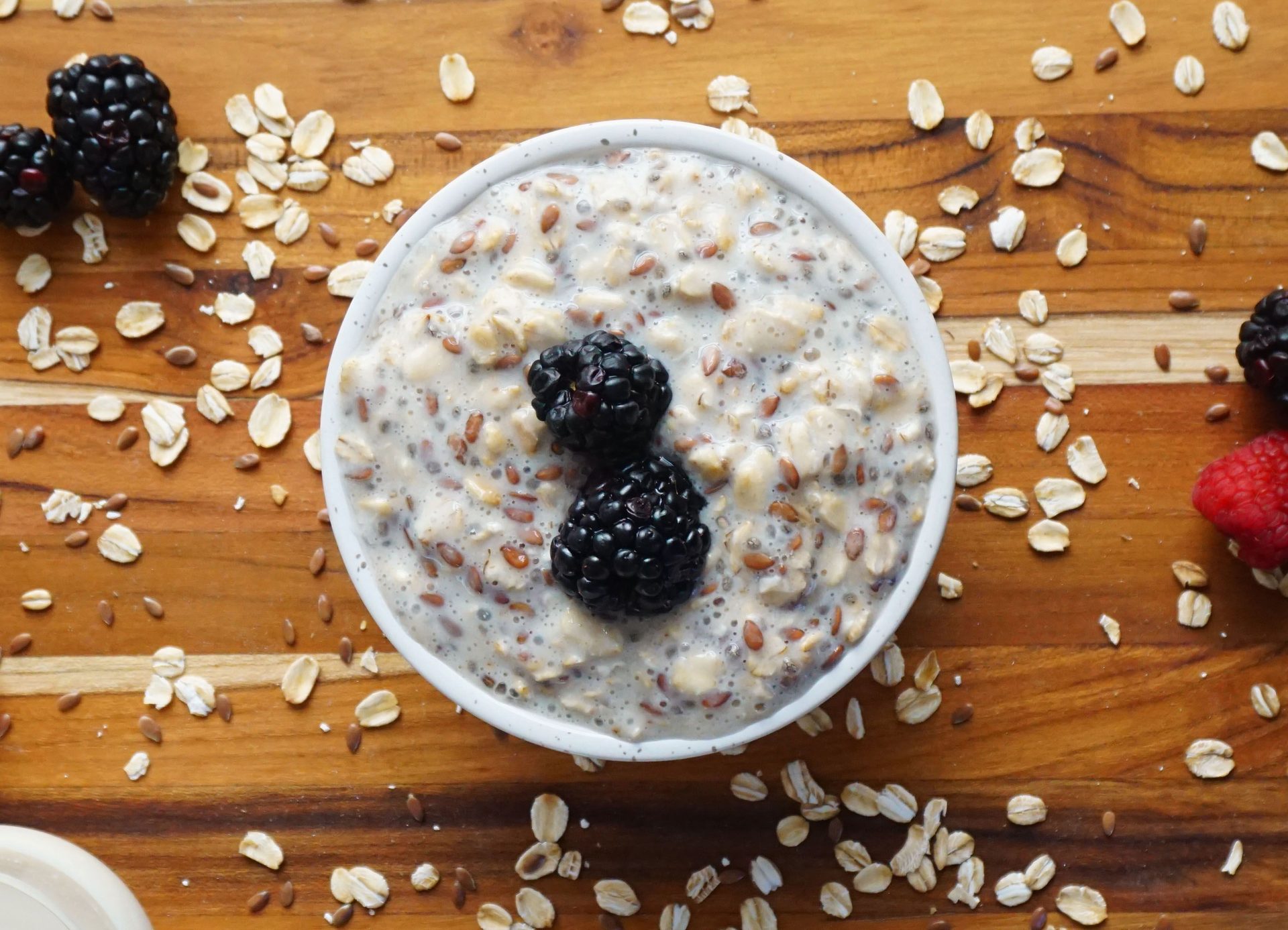
Overnight oats with yogurt are one of the easiest make-ahead breakfasts you can prep on a Sunday and grab all week. But what happens when you make too big a batch, or you want to stretch your meal prep even further into the month? The freezer becomes the obvious next step.
The short answer is yes — you can freeze overnight oats with yogurt. The longer answer involves a few texture quirks and simple techniques that make the difference between a breakfast worth eating and one that ends up in the trash. This guide walks you through everything you need to know, from how freezing affects the yogurt to how long your oats will actually last.
Can You Freeze Overnight Oats with Yogurt?
Yes, you can freeze overnight oats. Freezing them is a convenient and practical way to meal prep and ensure you always have a nutritious breakfast option on hand. That holds true even when yogurt is part of the mix.
You can freeze overnight oats with yogurt — yogurt adds creaminess and flavor to the frozen oats. However, dairy behaves differently in the freezer than other ingredients, so there are a few things to keep in mind before you toss a jar in and call it done.
Testing shows that overnight oats mixed with water, milk, or yogurt can be frozen for up to three months when properly stored. The key word is “properly” — container choice, portion size, and what you add before freezing all affect the final result. If you want to ship frozen food for meal prep purposes, check out this guide on how to ship frozen food with ease for packing tips that also apply to home storage.
Pro Tip: If you want the cleanest texture after thawing, freeze the oat-and-liquid base without yogurt, then stir in fresh yogurt once the oats have thawed. This avoids separation entirely.
Does Freezing Change the Texture or Taste of Overnight Oats with Yogurt?
Freezing does change overnight oats — there is no way around it. The good news is that the changes are manageable, and most people find the result still perfectly enjoyable with a quick stir.
Thawed oats tend to be slightly softer than the chewier texture of fresh overnight oats, and they can also take on a slimier texture once thawed. This sliminess is a natural occurrence due to the oat’s soluble fiber content, primarily beta-glucan. Oats contain soluble fiber that forms a gel-like consistency when combined with liquid, and this gel can give overnight oats a slightly slimy or gooey texture, especially when soaked for an extended period.
The yogurt itself is where most people notice the biggest change. The oats themselves freeze well, but yogurt can sometimes separate or become grainy after freezing. In testing, the yogurt separated after freezing and thawing, but a quick stir brought everything back together — so it was not a major issue.
Freezing can also change the texture and flavor of fresh toppings. Fruits like fresh strawberries or apples will become mushy when frozen and thawed, and nuts and seeds won’t be as crispy as before. This is why most food bloggers and recipe developers recommend keeping toppings separate until after thawing.
Important Note: Some sources recommend against freezing overnight oats with yogurt at all, noting the texture becomes watery and grainy. Others find the result acceptable after stirring. The outcome depends largely on the type of yogurt used — Greek yogurt tends to hold up better than thinner, regular yogurt varieties.
How to Freeze Overnight Oats with Yogurt the Right Way
Getting the best results from frozen overnight oats is mostly about preparation and container choice. Follow these steps for the cleanest outcome.
- Mix your base ingredients. Combine your ingredients in a bowl and stir everything well to ensure the oats are fully soaked, then portion the soaked oats into individual freezer-safe containers or bags.
- Skip the toppings. While you might be tempted to add your favorite toppings now, it’s best to wait until you’re ready to eat. Certain ingredients like fresh fruit or nuts will become soft and mushy when frozen and defrosted, and spices like ground cinnamon can also lose brightness and intensity — so it’s best to add them after thawing.
- Choose the right container. Mason jars are a great option for freezing overnight oats — they’re durable, airtight, and freezer-safe. Just remember to leave some space for expansion and use wide-mouth jars for easy scooping when frozen.
- Leave headspace. Allow for expansion. Overnight oats expand when frozen, so be sure to allow enough space — if there isn’t enough room for expansion in the container, you will experience an oat explosion that will be difficult to clean up.
- Label each container. Label each container with the contents and the date so you remember when you made the oats.
- Freeze immediately after mixing. To optimize quality, it is recommended to freeze overnight oats immediately after preparing them. By placing the oats into the freezer without storing in the refrigerator first, you are not allowing the oats to soak up all the liquid and get as soggy as they would if you stored them in the fridge beforehand.
Pro Tip: If you don’t have room for a lot of glass jars in your freezer, you can freeze individual portions in a muffin tin. Ladle the overnight oat mixture into a muffin tin, filling each cup three-quarters full, place the tin in the freezer until the oats are firm, then remove the portioned oats and place them in a resealable freezer bag. Squeeze out the air, seal tightly, label and date, and return to the freezer. This method keeps them from clumping together and saves a lot of freezer space.
How Long Can You Freeze Overnight Oats with Yogurt?
Overnight oats can be frozen in single servings for up to 3 months. That said, there is a quality window within that maximum that is worth knowing about.
| Timeframe | Quality | Notes |
|---|---|---|
| 1–2 months | Best | Flavor and texture closest to fresh |
| 2–3 months | Good | Slight texture changes; still safe and edible |
| Beyond 3 months | Declining | Risk of freezer burn; noticeable quality loss |
Frozen overnight oats last up to 3 months, but for the best taste, eat them within 1–2 months. Technically, frozen overnight oats can last up to 6 months, but the taste, texture, and quality will be affected the longer they are frozen — eating them within 3 months gives you the best possible result.
Once thawed, the clock restarts. Thawed overnight oats can stay fresh in the fridge for 2–3 days. Don’t refreeze them after that point.
How to Thaw Frozen Overnight Oats with Yogurt
You have a couple of options for thawing, depending on how much time you have the night before or morning of.
Overnight in the fridge (recommended): For the best texture, thaw your overnight oats overnight in the fridge. This slow and safe method ensures they’ll be perfect for breakfast the next morning. The overnight oats typically take about 12–16 hours to defrost completely in the fridge.
Microwave (quick option): In a pinch, microwave on low for short bursts, stirring in between, until softened to your liking. If you microwave too long, your overnight oats will turn into warm oatmeal — which is fine if that’s what you want, but not ideal if you prefer them cold.
After thawing, give the oats a good stir to recombine any separated yogurt. If your oats seem a bit thick after thawing, simply stir in a splash of additional milk or yogurt to achieve your desired consistency. Then add your fresh toppings — berries, granola, nut butter, honey — right before eating.
Can You Refreeze Overnight Oats with Yogurt After Thawing?
Refreezing overnight oats with yogurt is not recommended. Once thawed, the yogurt and oats have already gone through one freeze-thaw cycle, which breaks down the texture further. A second round in the freezer will result in a noticeably mushy, watery consistency that is hard to fix with stirring alone.
Once oats have been mixed with liquid, they start to swell up and absorb the moisture. They become vulnerable to bacteria growth and need to be stored below 40 degrees Fahrenheit to avoid the risk of causing a foodborne illness. According to the USDA, perishable foods should be stored at temperatures below 40 degrees Fahrenheit within 2 hours of preparation if the food is going to be kept and served as leftovers.
The safest and most practical approach: portion the soaked oats into individual freezer-safe containers or bags to make it easier to thaw and enjoy later — glass mason jars are great for this. Individual portions mean you only thaw what you need, so refreezing never becomes a question.
How to Use Frozen Overnight Oats with Yogurt (Best Uses After Freezing)
Thawed overnight oats with yogurt are most versatile as a grab-and-go breakfast, but they work well in other ways too — especially when the texture has softened more than you’d like.
- Cold breakfast jar: Thaw overnight, stir well, and top with fresh fruit, granola, or a drizzle of honey. For the best texture, add fresh fruit, granola, or nuts just before eating to keep them crisp and fresh.
- Warm oatmeal bowl: Microwave thawed oats in 30-second intervals until warm. You can heat each portion in 30-second increments in the microwave if you prefer them served warm.
- Smoothie base: Blend thawed oats directly into a smoothie for added fiber and creaminess. This works especially well when the texture is softer than you prefer for eating straight.
- Baked oats: Use thawed overnight oats as the base for baked oatmeal. Pour into a baking dish, add your mix-ins, and bake at 375°F until set. The slightly softer texture from freezing is a non-issue here.
- Oat pancakes: Stir in an egg and a pinch of baking powder, then cook on a skillet like small pancakes. The oats add fiber and a hearty texture.
If you enjoy experimenting with different breakfast ingredients, you might also enjoy browsing foods that start with O for more oat-based and other ingredient ideas to rotate into your morning routine.
Signs That Frozen Overnight Oats with Yogurt Have Gone Bad
Even in the freezer, overnight oats can go bad — especially if they were not stored correctly or if they have been frozen for too long. Here is what to look for before eating.
Overnight oats can go bad if they are not stored properly or if they are kept for too long. Signs that overnight oats have gone bad include a sour smell, mold growth, or changes in texture or color.
- Freezer burn: Freezer burn results from food being directly exposed to the cold, dry air within the freezer. To prevent this, use freezer-proof airtight containers to lock out any airflow from coming in contact with the overnight oatmeal.
- Off-putting smell: Trust your sense of smell. A sour, off-putting, or fermented odor is a clear sign of bacterial activity and means the oats should be discarded.
- Discoloration or mold: Several visual cues can indicate that your overnight oats have spoiled. Look for changes in color, such as discoloration or the development of mold.
- Excessively watery texture: A slimy or excessively watery texture is a strong indicator that the oats are no longer safe to eat. Note that some gel-like texture from the oats’ beta-glucan is normal — it is the extreme wateriness that signals a problem.
- Bad taste: If it tastes sour, bitter, or otherwise unpleasant, discard the entire batch immediately. Do not consume spoiled food, even if it only tastes slightly off.
When in doubt, throw it out. A jar of oats is not worth a bout of food poisoning. If you are curious about how long other foods can go without proper storage, the same principle applies — check out this article on how long spiders can live without food for a fun comparison of survival timelines in the animal world, or explore foods that start with G for more breakfast ingredient inspiration.
Frequently Asked Questions
Can You Freeze Overnight Oats with Greek Yogurt Specifically?
Yes. Greek yogurt actually holds up better in the freezer than thinner, regular yogurt because of its lower water content. You can freeze overnight oats with yogurt, but the texture will change once thawed — the oats themselves freeze well, but yogurt can sometimes separate or become grainy after freezing. Greek yogurt tends to separate less dramatically and comes back together more easily with a stir.
Is It Better to Freeze Overnight Oats with or Without Yogurt?
For best results, make the oats without the yogurt and stir in fresh yogurt after thawing. This gives you the creamiest, freshest-tasting result. That said, freezing with yogurt already mixed in is perfectly fine if convenience is the priority — just expect to stir more thoroughly after thawing.
How Do You Fix Watery Overnight Oats After Thawing?
If your oats seem dry or off after thawing them, simply add a splash of milk or yogurt to get the perfect consistency. If they are too watery, stir well and let them sit in the fridge for 30 minutes — the oats will continue to absorb the excess liquid.
Can You Freeze Overnight Oats in Mason Jars?
Yes, mason jars are one of the best containers for this. Mason jars are durable, airtight, and freezer-safe, keeping your breakfast fresh and delicious. Just remember to leave some space for expansion and use wide-mouth jars for easy scooping when frozen. Always check that the specific jar is labeled freezer-safe before using it.
Can You Freeze Overnight Oats with Fruit Already Mixed In?
Freezing overnight oats with fresh fruit in them is not recommended, as freezing can alter the taste and texture of the fruit, making it softer or mushier when thawed. Fruits also contain water, which may release during freezing and thawing, potentially causing the oats to become more watery or runny. Add fresh fruit after thawing for the best results.
How Long Do Overnight Oats with Yogurt Last in the Fridge (Without Freezing)?
The jarred oats will stay fresh in the fridge for up to 5 days. If you know you will finish your batch within that window, refrigerating is the better option — the texture stays closer to fresh, and there is no thawing step required. For longer storage, the freezer is the right call. You can also explore more food storage topics by browsing foods that start with F or foods that start with N for ingredient ideas to add variety to your weekly meal prep.