
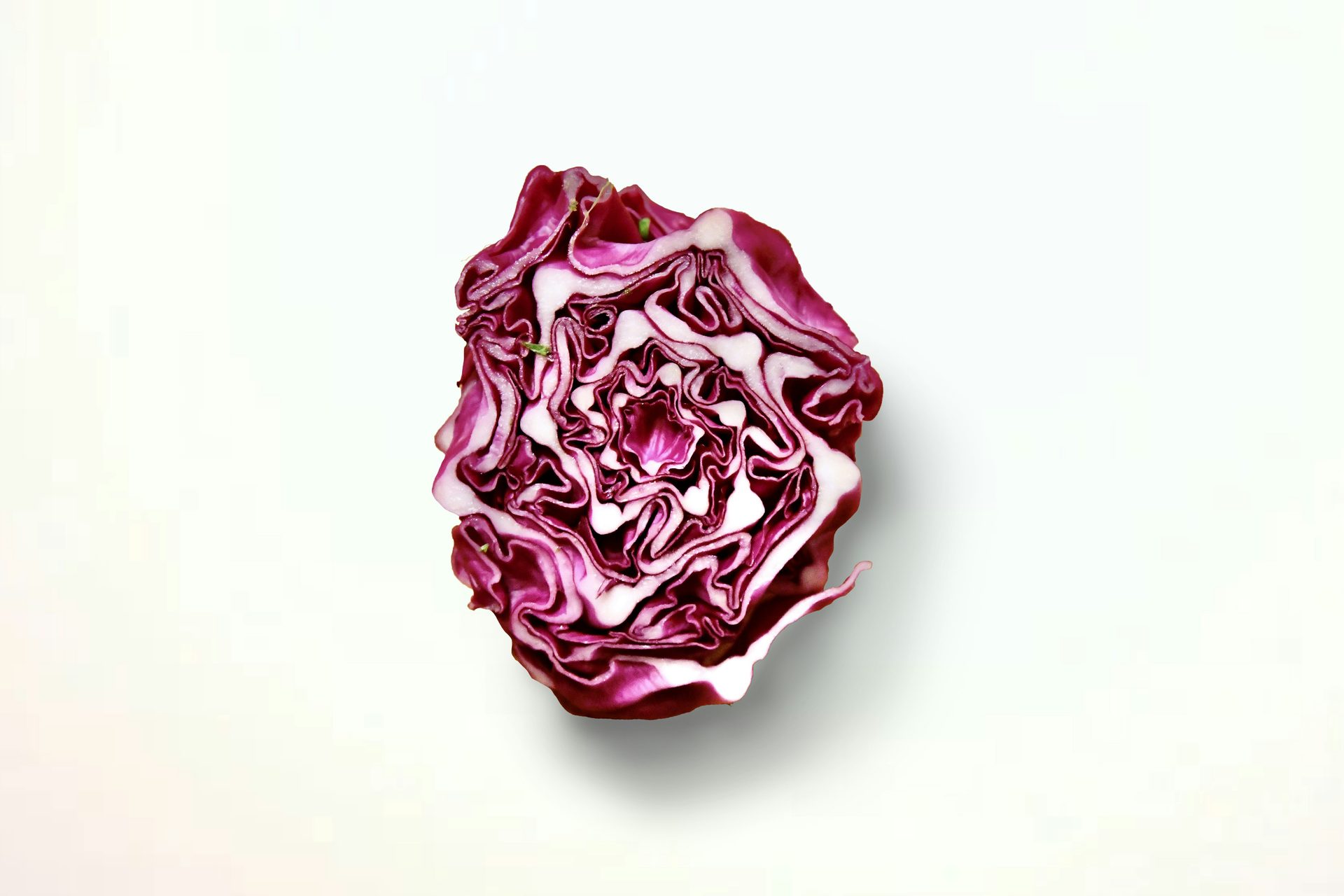
Red cabbage is one of those vegetables that always seems to come in heads far too large for a single recipe. Whether you grabbed a deal at the farmers market, harvested from a backyard garden, or just have half a head sitting in the fridge after making a slaw, you may be wondering what to do with the rest before it goes limp.
The good news: you can freeze red cabbage, and blanching it before freezing helps keep its color, flavor, and texture. With a bit of prep, you can stock your freezer with this nutrient-packed vegetable and pull it out for soups, stir-fries, and braised dishes for months to come. This guide walks you through every step of the process.
Can You Freeze Red Cabbage?
You can freeze red cabbage, with shredding and blanching before freezing generally being the best method to use. It holds up well in the freezer and works beautifully in cooked dishes once thawed. The process is no different from freezing green cabbage — the same techniques apply.
Freezing red cabbage follows the same blanching process as green cabbage and works well in cooked dishes. Purple cabbage is simply a different name for the same vegetable. So if a recipe calls for purple cabbage, you can freeze and use it the same way.
One practical note specific to red cabbage: red cabbage can stain, so cover your workstation and wear gloves while chopping to avoid making a mess. A cutting board dedicated to vegetables is a smart choice here.
Freezing red cabbage preserves most of its fiber and antioxidants, including vitamin C and anthocyanins — the pigments that give it color. Blanching helps keep these intact. While texture changes a bit, the health benefits remain solid. Frozen red cabbage is still a low-calorie, nutrient-rich vegetable that helps digestion and fights inflammation. If you’re interested in how red cabbage fits into a broader healthy eating plan, take a look at this overview of powerful nutrients and foods that fight cancer for more on antioxidant-rich vegetables.
Does Freezing Change the Texture or Taste of Red Cabbage?
Yes — and it’s worth being upfront about this so you can plan how to use it. When cabbage is frozen, the water inside it expands and breaks down the cell walls. This makes the cabbage mushy or limp when it thaws, especially if you freeze raw cabbage without blanching it first.
Cabbage contains a high amount of water, and when frozen, the texture can change. Once defrosted, the cabbage will be slightly softer, which isn’t ideal for coleslaw or salads. If you were planning to use it raw after freezing, expect a noticeably different result than fresh.
If you’re wondering whether you can freeze cabbage for coleslaw, the answer is no. You can try to thaw frozen cabbage in the fridge and then use it in raw preparations like slaws and salads. However, defrosted cabbage gets too soggy and doesn’t have the same crunchy texture that you want in a coleslaw.
That said, the flavor holds up well when you blanch first. Blanching slows down natural enzymatic processes that break down food. Blanched cabbage will keep its flavor and texture far better than raw-frozen cabbage will. For cooked dishes — soups, stews, stir-fries, braised sides — the texture difference is barely noticeable.
Pro Tip: Think of frozen red cabbage as a cooking ingredient, not a raw one. Plan to use it in hot dishes and you’ll be happy with the results every time.
How to Freeze Red Cabbage the Right Way
Blanching before freezing is the recommended approach for the best quality. Here is the full process from start to finish.
- Choose a firm head. Choose a firm head of red cabbage with deep purple leaves. Avoid any with soft spots, browning, or signs of decay. Peel off the outer leaves that look wilted or damaged. Wash the cabbage well under cold water to remove dirt.
- Cut to your preferred size. Depending on your needs, cut the cabbage into wedges or shred it. Wedges work best if you want bigger pieces later. Shredding makes it ready for slaws or stir-fries. Shredded cabbage is generally the most versatile for everyday cooking.
- Blanch it. Boil water and submerge your cabbage for 1 to 3 minutes. Shredded cabbage needs less time, about 60 to 90 seconds; wedges take closer to 2 to 3 minutes.
- Ice bath immediately. After blanching, plunge the cabbage into ice water to cool immediately. This stops the cooking process fast. Then drain and dry well to prevent ice crystals and sogginess.
- Flash freeze on a baking sheet. Spread it out in a single layer. Pat dry again to remove any moisture to avoid freezer burn. Put the baking sheet in the freezer, somewhere it can lie flat without being bumped. Freeze for about an hour until frozen solid.
- Transfer to freezer bags. Once the cabbage is frozen solid on the baking sheet, remove it from the freezer. Transfer to freezer-safe bags or containers. Seal tightly, removing as much air as possible.
- Label with the date. Label all packages with the date for easy rotation. This simple step saves you from guessing how old something is six months later.
If you want to skip blanching, you can — but expect a shorter freezer life. You can freeze cabbage without blanching, but it won’t last as long. To do this, prepare and cut the cabbage, skip the blanching steps, and put it right into a freezer bag. Store in the freezer and use within a month.
For storage containers, you have a few solid options. Freezer bags work well due to their adaptability and compact design — squeeze out as much air as you can before sealing. Vacuum sealing offers the longest shelf life by removing air entirely and is the best way to prevent freezer burn. Rigid airtight containers also work well for cooked cabbage dishes stored in portions.
Red cabbage’s rich color is one of its best features, and it’s worth protecting. Blanching the cabbage first is important, as red cabbage has such a vibrant color, and blanching will help keep this color, and the nutrients, in great condition. For more on how nutrient-dense vegetables like red cabbage support your overall health, see this guide to superfoods for a healthy heart.
How Long Can You Freeze Red Cabbage?
How long your frozen red cabbage lasts depends on how you prepared it before freezing. Here is a quick comparison:
| Preparation Method | Maximum Freezer Life | Best Quality By |
|---|---|---|
| Raw (unblanched) | 1 to 2 months | 1 month |
| Blanched (shredded or wedges) | 10 to 12 months | 6 to 8 months |
| Cooked (braised, sautéed, etc.) | 3 to 4 months | 2 to 3 months |
Properly stored, frozen red cabbage can last for 10 to 12 months in the freezer, but for the best texture and flavor, it’s advisable to use it within 6 to 8 months. For cooked preparations like braised red cabbage, an optimal storage duration of 3 to 4 months ensures that the cabbage retains its flavor, texture, and nutritional value.
If you freeze raw cabbage, you will need to use it within about one or two months after freezing. Any longer and it may start to lose texture and flavor. Always keep your freezer at the right temperature: keep your freezer at 0°F (-18°C) or lower to store cabbage safely and extend shelf life.
Key Insight: Always write the freeze date on the bag. Blanched red cabbage and raw red cabbage look identical once frozen — the label is the only way to know which is which and when to use it by.
How to Thaw Frozen Red Cabbage
The method you choose for thawing depends on how you plan to cook the cabbage. In many cases, you may not need to thaw it at all.
The best way to thaw frozen cabbage is to transfer it from the freezer to the refrigerator and let it thaw slowly, usually overnight. This gradual thaw helps maintain its texture better than if you rushed it at room temperature or under hot water.
For a quick thaw, use cold water in a sealed bag — change the water every 30 minutes. This method works well when you need the cabbage ready within an hour or two. Microwaving works, but do it on the defrost setting and stir often to avoid accidentally cooking the outer edges while the center stays frozen.
For soups, stews, and stir-fries, skip thawing altogether. You can toss frozen cabbage straight into soups, stews, or stir-fries. It will thaw quickly as it cooks, making it a real time-saver. When adding frozen cabbage to a hot dish like soup or stew, simply increase the cooking time slightly to accommodate the lower starting temperature of the frozen cabbage.
If you plan to use cabbage leaves to make cabbage rolls, cabbage quarters to roast, or chopped cabbage for a red cabbage and apple coleslaw, you’ll want to thaw the frozen cabbage under refrigeration the night before. This gives it time to release excess moisture before you work with it.
Can You Refreeze Red Cabbage After Thawing?
This is one area where it pays to be cautious. Refreezing thawed red cabbage is not recommended. When cabbage thaws, moisture increases, raising the risk of bacterial growth.
You can refreeze cooked cabbage once thawed, as long as it was not exposed to temperatures over 40 degrees Fahrenheit. If the cabbage is kept in the fridge, and even better, if it still has ice crystals, it can be refrozen. However, the texture will suffer noticeably with each freeze-thaw cycle.
If the cooked cabbage has been heated or left at room temperature, you should not refreeze it. Not only will it heighten the risk of bacterial growth, but the refreezing and thawing will greatly deteriorate the flavor and texture.
The simplest way to avoid this problem entirely is to freeze in single-use portions from the start. Freeze in portions you’ll use once thawed. Avoid wasting food with repeated freezing and thawing cycles. Portioning takes an extra few minutes upfront but saves a lot of headaches later.
How to Use Frozen Red Cabbage (Best Uses After Freezing)
Frozen red cabbage shines in cooked applications. Once you accept that it won’t have the same crunch as fresh, you’ll find it’s genuinely useful across a wide range of dishes.
- Soups and stews: Frozen red cabbage works well cooked right from the freezer. No need to thaw if you’re adding it to soups or stews. It adds color, fiber, and a mild earthy sweetness to minestrone, borscht, or any hearty winter soup.
- Stir-fries: Shredded frozen red cabbage goes straight into a hot wok with oil, garlic, and ginger for a quick weeknight side. High heat helps cook off any extra moisture fast.
- Braised red cabbage: This is one of the best uses. Braise thawed red cabbage with apple, onion, a splash of red wine vinegar, and a pinch of brown sugar for a classic German-style side dish. It pairs especially well with pork, sausages, and duck — a preparation popular across many American holiday tables.
- Cabbage rolls: Once defrosted, frozen cabbage is best used in cooked dishes. Ideas include adding it to hearty winter soups, stir-frying with other vegetables, or incorporating it into stuffed cabbage rolls.
- Casseroles: You can add frozen cabbage to soups, stir-fries, and casseroles directly from the freezer — no need to thaw. It blends seamlessly into layered bakes and one-pan meals.
- Sautéed side dish: Thaw the cabbage overnight, drain well, then sauté in butter with salt and caraway seeds for a simple side that goes with almost any protein.
Red cabbage is also a nutritional powerhouse worth incorporating into your regular meal rotation. Its anthocyanins and vitamin C content make it a standout among cruciferous vegetables. For more on how foods like this support your body, see this resource on fibroid healing foods and this guide to foods that can help enhance your liver function.
Pro Tip: After thawing red cabbage, press it gently in a clean kitchen towel to remove excess moisture before adding it to a sauté or casserole. This prevents the dish from becoming watery.
Signs That Frozen Red Cabbage Has Gone Bad
Frozen food doesn’t last forever, and red cabbage is no exception. Knowing what to look for helps you avoid using cabbage that’s past its best — or that could make you sick.
- Browning or discoloration: Cabbage has high levels of sulfur, which escapes when the cells break down during the freezing process. If your cabbage has started to brown, it could be a sign that it is going bad and has been in the freezer too long.
- Freezer burn: Grayish-white patches or a dried-out, papery texture on the surface signal freezer burn. Frozen cabbage should be kept at 0°F (-18°C) or below to prevent the growth of microorganisms and the breakdown of its cellular structure. Fluctuations in temperature can cause freezer burn and lead to a loss of flavor and texture. Freezer-burned cabbage is safe to eat but will taste bland or off.
- Off smell after thawing: To tell if cooked cabbage has spoiled, smell and look at it. If the smell or appearance seems off, it is better to just discard it. It is not worth risking becoming ill from spoiled cabbage.
- Slimy texture: If thawed red cabbage feels slimy or unusually wet beyond normal moisture, that’s a sign of bacterial breakdown. Discard it without tasting.
- Excessive ice crystals inside the bag: A large buildup of ice inside the bag often means the cabbage has thawed and refrozen at some point, which accelerates quality loss. Check the texture after thawing — if it’s unusually mushy or smells sour, toss it.
When in doubt, throw it out. Cabbage is affordable enough that it’s not worth a foodborne illness risk. For more on how food choices affect your long-term health, this article on cancer-causing foods you need to avoid is a useful read.
Frequently Asked Questions
Can You Freeze Red Cabbage Without Blanching?
If you do not have time to blanch your shredded cabbage before freezing, you can still freeze it by simply placing it in airtight containers or bags and putting it in the freezer. Just keep in mind that blanching preserves the vegetable for longer. Unblanched cabbage will only last about a month in the freezer. Blanching is always the better option if you have the time.
Can You Freeze Cooked Red Cabbage?
Red cabbage, once cooked or blanched, freezes very well, much like the popular green cabbage. Once thawed, the red cabbage can be reheated successfully and added to many dishes. Allow it to cool completely before packing it into airtight containers, and use it within 3 to 4 months for the best quality.
Does Freezing Red Cabbage Destroy Its Nutrients?
Not significantly. Freezing red cabbage preserves most of its fiber and antioxidants, including vitamin C and anthocyanins. Blanching helps keep these intact. While texture changes a bit, the health benefits remain solid. Blanching does cause a minor loss of some water-soluble vitamins, but the trade-off for extended shelf life is well worth it. You can read more about the role of antioxidant-rich vegetables in your diet in this article on whole plant-based foods.
Can You Freeze a Whole Head of Red Cabbage?
Freezing whole heads is difficult because of the blanching process, and they would take up a lot of freezer space. Your best bet if you want larger pieces is to cut small heads at least in half, larger heads in quarters or wedges. Shredding before freezing is the most practical approach for most home cooks.
How Do You Know When Frozen Red Cabbage Is Ready to Use?
For soups and stir-fries, you can add it directly from frozen — no thawing needed. For recipes where you need it softer or more pliable, such as cabbage rolls, thaw it overnight in the refrigerator. To thaw fully, place the bag in the fridge overnight. Once thawed, drain off any excess liquid before using it in your recipe.
Is Frozen Red Cabbage Good for Coleslaw?
No. The freezing process breaks down the cell walls and removes the crunch that makes coleslaw work. You can try to thaw frozen cabbage in the fridge and then use it in raw preparations like slaws and salads. However, defrosted cabbage gets too soggy and doesn’t have the same crunchy texture that you want in a coleslaw. For coleslaw, always use fresh red cabbage. For more inspiration on using fresh vegetables in creative ways, check out this article on foods for healthy skin.