Can You Freeze Canned Green Beans? What You Need to Know Before You Try

November 1, 2026
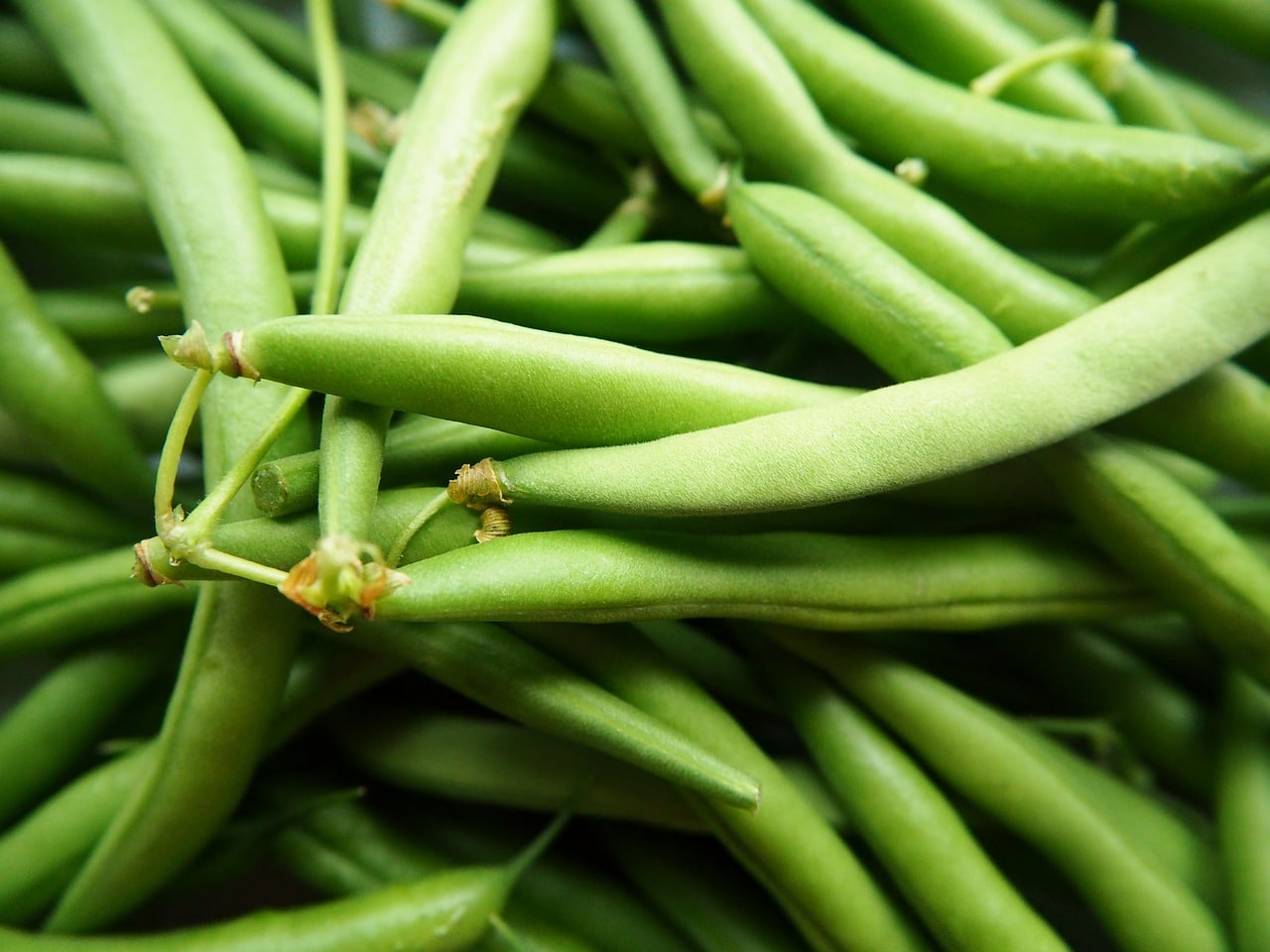
Green beans are a staple in American kitchens — whether you grow them yourself, grab them fresh at the farmers market, or keep a few cans in the pantry for quick weeknight dinners. But what happens when you open a can and only need half? Or when you spot a great deal and want to stock up without worrying about shelf life? Freezing seems like the obvious answer.
The short answer is yes, you can freeze canned green beans — but there are a few things worth knowing before you toss that open can in the freezer. This guide walks you through exactly how to do it, what to expect from the texture, how long they last, and the best ways to put them to use once they come out of the freezer.
Can You Freeze Canned Green Beans?
You can freeze canned green beans, but going in with realistic expectations makes a real difference. Technically it is possible, but it is not ideal — canned green beans are already very soft, so freezing and thawing them usually makes them even mushier. That said, if your goal is to use them in cooked dishes like soups, stews, or casseroles, the texture change is far less noticeable.
The better question is whether you are freezing canned beans or fresh ones. Many people do not like the texture of canned green beans to begin with. Green beans that have been frozen from fresh will still have a little crunch to them, and freezing gives them the taste and texture that canning cannot. If you have access to fresh beans, freezing them from scratch will always give you a better result. For a look at the different types of green beans available and how they compare, it helps to know what variety you are working with before deciding on a preservation method.
Still, freezing leftover canned green beans beats letting them go to waste. Once opened, canned green beans should be transferred to a different container to maintain freshness. Use an airtight container and store it in the refrigerator, consuming them within 3 to 4 days for the best quality — and if you know you will not use them that quickly, the freezer is a sensible backup plan.
Pro Tip: Drain and rinse canned green beans before freezing. This removes excess sodium and the brine liquid, which can turn icy and degrade texture even further during storage.
Does Freezing Change the Texture or Taste of Canned Green Beans?
Yes — and it is worth being honest about this. Because they are preserved in liquid, canned green beans already have a softer texture compared to fresh green beans. Freezing adds another round of cell breakdown to that process, so what comes out of the freezer will be noticeably softer than what went in.
The flavor itself does not change dramatically, but texture is a different story. Your green beans might not have that stunning green color and might have a mushy texture when cooked. This is especially true if the beans are thawed before cooking rather than added directly to a hot dish. There may also be a slightly metallic taste from the can itself — frozen green beans stored in plastic bags avoid that extra flavor sneaking in.
The good news is that mushier texture is not a dealbreaker in the right recipes. Soups, slow cooker dishes, and casseroles are forgiving enough that the softness blends right in. Where it does matter is in side dishes where you want the beans to hold their shape — for those applications, fresh-frozen beans are a much better choice. Green beans are also a super food for a healthy heart, so preserving them in any form is worth the effort.
How to Freeze Canned Green Beans the Right Way
The process is straightforward, but a few small steps make a meaningful difference in how well the beans hold up in the freezer. Follow these steps for the best possible result:
- Drain and rinse thoroughly. Pour the canned green beans into a colander and rinse under cool running water. This removes the salty brine and any canning liquid that would otherwise freeze into ice crystals around the beans.
- Pat completely dry. Remove the green beans from the colander and pat dry completely. Any excess water can cause ice crystals to form on the beans, which will decrease the quality of the beans once frozen.
- Flash-freeze in a single layer. Arrange the green beans on a tray in a single layer — this prevents them from sticking together during freezing. Place the tray into the freezer until the beans are firm and frozen. This takes about 1 to 2 hours for canned beans since they are already soft.
- Transfer to a freezer-safe bag or container. Transfer the beans into airtight freezer-safe containers or bags. Remove as much air as possible from the bags before sealing them. A vacuum sealer works great here, but pressing the air out by hand before zipping the bag shut also works.
- Label with the date. Label the package or container with the date and contents. This small step saves a lot of guesswork later.
- Lay flat in the freezer. Place bags in a single flat layer until they are completely frozen, then you can rearrange and stack things more conveniently. This allows the packages to freeze as quickly as possible.
Pro Tip: Portion the beans into meal-sized amounts before freezing. Since refreezing is not recommended, smaller bags mean you only thaw what you need each time.
If you are freezing fresh green beans instead of canned, the process involves blanching first. Wash in cold water, snip and cut into 2 to 4-inch lengths, water blanch for 3 minutes, cool promptly, drain and package leaving 1/2-inch headspace, then seal and freeze. According to the National Center for Home Food Preservation at the University of Georgia , this blanching step is the standard recommended method for preserving fresh snap beans. The quality of frozen beans will be better if they have been blanched, as blanching stops enzyme actions that continue the ripening process and can make the beans tough.
How Long Can You Freeze Canned Green Beans?
Storage timelines vary slightly depending on the source, but the general consensus gives you a reasonable window. Label with the date and freeze for 6 to 8 months; use the frozen green beans within 6 to 8 months for best quality. Some sources are more generous — when properly stored, frozen green beans can last for 10 to 12 months.
For canned green beans specifically, aim for the shorter end of that range. Because the beans are already softened from the canning process, their quality degrades faster in the freezer than fresh-blanched beans would. Using them within 3 to 6 months gives you the best eating experience.
| Storage Method | Estimated Duration | Quality Notes |
|---|---|---|
| Opened can in fridge | 3 to 4 days | Best quality; use promptly |
| Frozen (canned green beans) | 3 to 6 months | Softer texture; best for cooked dishes |
| Frozen (fresh-blanched green beans) | 8 to 12 months | Better texture and color retention |
| Unopened can (pantry) | 2 to 5 years | Check for damage before opening |
For the best flavor and texture, use frozen green beans within 8 to 12 months. They are still safe to eat beyond that, but quality may start to decline. Always prioritize quality indicators over the calendar date alone. Green beans are also among the whole plant-based foods worth keeping on hand year-round, making proper freezer storage a practical habit.
How to Thaw Frozen Canned Green Beans
One of the best things about frozen green beans — canned or fresh — is that you often do not need to thaw them at all. Frozen green beans can be used straight from the freezer without thawing. Add them directly to stir-fries or pastas. Going straight from freezer to hot pan or pot is the preferred method for most cooked dishes.
When you do need to thaw them ahead of time, the refrigerator is the safest route. You can safely thaw your green beans by transferring them to the fridge for an overnight stay or use them directly from the freezer when you cook. They can also be thawed in the refrigerator overnight if you prefer, but tend to be softer in texture.
For faster thawing, the microwave works well. Place the container in the refrigerator and allow it to thaw slowly. If you need to use the beans immediately, try defrosting them in the microwave by heating on low in 30-second intervals. Avoid thawing at room temperature — leaving frozen items out on the counter may lead to bacterial growth. If the beans reach 40°F, they enter the “danger zone,” making them unsafe to eat.
Pro Tip: If you thaw canned green beans in the fridge and end up with extra liquid, drain it off before adding the beans to your dish. The excess moisture can water down sauces and soups.
Can You Refreeze Canned Green Beans After Thawing?
Refreezing is not recommended for green beans that have already been thawed. It is best to portion them out into small containers for future servings, as refreezing food that has been thawed could make it too soft. For canned green beans that are already on the softer side, a second freeze-thaw cycle essentially turns them to mush — not ideal for any recipe.
There is one exception: if you thaw the beans and then cook them thoroughly, you can freeze the finished dish. A green bean casserole or soup that has been fully cooked and cooled can go back in the freezer safely. The key is that the beans themselves should not go through a raw freeze-thaw-refreeze cycle.
Portioning before the initial freeze is the easiest way to sidestep this problem entirely. Smaller bags or containers mean you only pull out what you need, and the rest stays frozen and untouched. This is especially useful if you cook for one or two people and rarely need a full can’s worth at once. For more ideas on how plant-based foods like green beans support your diet, see this overview of fibroid healing foods and powerful nutrients and foods that fight cancer.
How to Use Frozen Canned Green Beans (Best Uses After Freezing)
Once you accept that frozen canned green beans will be soft, a whole range of recipes opens up where that texture works perfectly. The key is matching them to dishes that benefit from tender, well-cooked vegetables rather than ones that need a firm bite.
Usually you do not even need to thaw first. Add them to casseroles, stir fry, soups or stews. Put them in a small saucepan and simmer to the texture you like. Add salt and butter to taste. These are the sweet spots for previously frozen canned beans.
- Soups and stews: Drop them in frozen during the last 10 minutes of cooking. They soften into the broth naturally and add bulk without any extra prep.
- Green bean casserole: The classic American Thanksgiving dish actually benefits from very soft beans. Frozen canned beans work well here since they bake down further in the oven.
- Slow cooker dishes: Add them directly from frozen to a slow cooker with chicken, broth, and aromatics for an easy weeknight meal.
- Stir-fries: You can use frozen green beans in many of the same dishes you would use canned green beans in. Because they are basically like fresh green beans, you can toss them with a little butter and salt, put the pan on high heat, and get deliciously crispy green beans as a side. This works better with fresh-frozen beans, but works in a pinch with canned.
- Pasta dishes: Toss into pasta with olive oil, garlic, and parmesan for a quick side or light main dish.
- Egg dishes: Add to frittatas, omelets, or breakfast scrambles where the soft texture blends in well.
Ideally, frozen beans should not be cooked more than seven minutes to preserve their bright green color — a useful benchmark even for canned beans, where overcooking can push them past pleasant softness into complete mushiness. Green beans also pair well with other foods for healthy skin and make an easy addition to meals that support healthy eyesight, so keeping a stash in the freezer makes nutritional sense beyond just convenience.
Signs That Frozen Canned Green Beans Have Gone Bad
Frozen green beans do not last forever, and knowing what to look for before you cook with them can save you from an unpleasant meal — or worse. Most spoilage signs show up after thawing, so give the beans a quick check before adding them to a dish.
A green bean has gone bad if it has an off-putting odor, or if it is badly discolored, soft or slimy. Mold can also indicate spoilage. These are the primary red flags to watch for. Green beans should have a neutral, earthy smell. Any off or sour odors are clear signs of spoilage. Beans that have a slimy texture or visible mold should be avoided, as these are both indications the beans are no longer suitable for consumption.
| Spoilage Sign | What to Look For | Action |
|---|---|---|
| Off smell | Sour, foul, or sulfuric odor | Discard immediately |
| Slimy texture | Slippery or mushy feel after thawing | Discard immediately |
| Visible mold | Fuzzy growth on surface | Discard immediately |
| Discoloration | Brown, dark, or dull gray color | Discard if widespread |
| Excessive ice crystals | Heavy frost or freezer burn patches | Trim affected areas; quality is reduced |
| Off taste | Sour or rancid flavor when cooked | Discard; do not eat |
Beans that have ice crystals or a slimy texture should be thrown away. They may not always display physical signs of spoilage, but if they taste sour, it is best to discard the beans. While eating spoiled green beans might not send you to the ER, it is not going to do your digestive system any favors. The risk of foodborne illness increases with spoilage, so it is best to play it safe.
Freezer burn is a separate issue from spoilage — it affects quality but not safety. Heavily freezer-burned beans will taste dry and bland, but they will not make you sick. To prevent freezer burn, minimize exposure to air. Dry the beans thoroughly to prevent ice crystals from forming, and place them in freezer-safe bags, squeezing out as much air as possible before sealing. You can also read about foods to avoid for better health and how proper food storage plays a role in overall diet quality.
Frequently Asked Questions
Can You Freeze Green Beans Directly From the Can Without Draining?
You can, but it is not a good idea. The brine or water in the can will freeze around the beans, creating a solid ice block that is difficult to portion and adds excess sodium and liquid to your dish. Always drain and rinse before freezing for the best result.
Is It Better to Freeze Fresh or Canned Green Beans?
Frozen green beans typically retain more nutrients than canned ones due to the rapid freezing process that locks in vitamins and minerals shortly after harvesting. If you have access to fresh beans, freezing them yourself — especially with blanching — gives you better texture, color, and nutrition than starting with canned. Check out this guide to green peas for a comparison of how similar vegetables freeze.
How Do You Reduce the Sodium in Canned Green Beans Before Freezing?
For those concerned with sodium intake, it is advisable to rinse canned green beans before consumption to reduce sodium content. A thorough rinse under cold running water removes a significant portion of the added salt from the canning liquid. Do this before the drying and flash-freezing steps.
Can You Freeze Cooked Green Beans From a Can?
Yes. If you have leftover green beans from dinner, you can freeze them just as easily. Do not blanch them again as they have already been cooked. Just package them like you would blanched green beans, put them in freezer containers, mark them with the date, and put them in the freezer. Use them within 2 to 3 months for the best quality.
Do Frozen Green Beans Need to Be Thawed Before Cooking?
No — in most cases, you can cook them straight from frozen. Frozen green beans can be used straight from the freezer without thawing. Add them directly to stir-fries or pastas. This is actually preferable for soups and casseroles, where going from freezer to pot preserves more of the remaining texture. For a broader look at how green beans fit into a nutritious diet, see this article on foods that are green and their health benefits, as well as this resource on foods that enhance liver function.