Can You Freeze Watermelon Seeds? What You Need to Know Before You Try

November 13, 2026
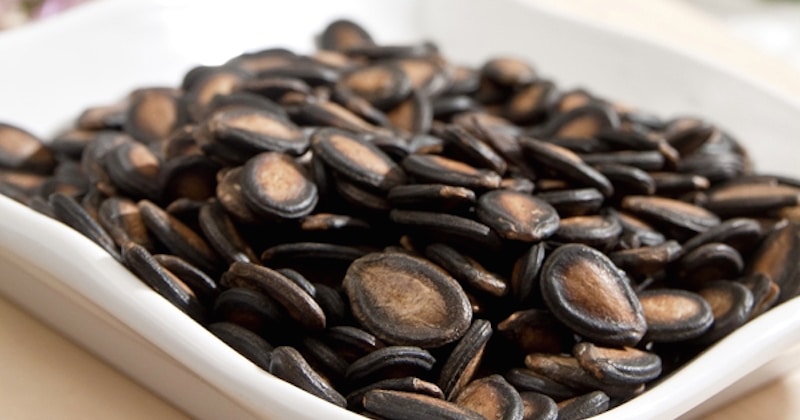
Watermelon seeds are one of those things most people toss without a second thought — but they’re worth keeping. Whether you want to save seeds for next season’s garden, roast them as a snack, or simply avoid waste after slicing up a big melon, freezing is a practical option that many home cooks and gardeners overlook.
The short answer is yes, you can freeze watermelon seeds. But the right approach depends entirely on what you plan to do with them afterward. Seeds meant for eating need different preparation than seeds you’re saving for planting, and skipping a few key steps can ruin both. This guide walks you through everything you need to know.
Can You Freeze Watermelon Seeds?
Yes — freezing watermelon seeds is possible, and it works well when done correctly. Watermelon, scientifically known as Citrullus lanatus, produces two common types of seeds: black and white. Both can be frozen, though the preparation method matters more than most people realize.
The key distinction is what you plan to do with the seeds after freezing. If you want to eat them — roasted as a snack or added to recipes — freezing is straightforward. If you’re saving them for planting, you need to be more careful about moisture control. You can freeze watermelon seeds, but they are best stored dry for optimal viability if you plan to use them for planting. Freezing moist seeds can damage them.
For eating purposes, the seeds hold up well in the freezer and retain their nutritional value. Watermelon seeds are a good source of magnesium, iron, and zinc, and they contain healthy fats and plant-based protein. Freezing doesn’t significantly affect these nutrients, making it a sensible way to store them long-term.
Pro Tip: If you’re pulling seeds from a fresh watermelon, separate them right away — before the pulp dries and sticks. Cleaning them immediately makes the whole process faster and easier.
Does Freezing Change the Texture or Taste of Watermelon Seeds?
For seeds you plan to eat, texture changes after freezing are minimal — especially if you roast them before or after thawing. The seeds themselves are dense and low in moisture, so they don’t suffer the same structural breakdown that the watermelon flesh does when frozen.
The bigger concern is moisture exposure during freezing. Freezing can be used for preserving many types of seeds, but they need to be sealed off from moisture. Moisture gains will crystallize and could damage the seeds. If seeds go into the freezer wet or in a poorly sealed container, ice crystals form inside the seed coat and can reduce quality — both for eating and for planting.
Seeds frozen dry in an airtight container taste virtually the same after thawing. Once roasted, they develop the same crispy, nutty flavor they would have fresh. Watermelon seeds are low in calories and nutrient-dense. When roasted, they’re crispy and can easily replace other unhealthy snack options.
For planting seeds, texture matters less than viability. A seed that looks fine on the outside may have a damaged embryo if it was frozen while still wet. That’s why proper drying before freezing is non-negotiable when you’re saving seeds for the garden.
How to Freeze Watermelon Seeds the Right Way
The preparation steps differ depending on whether you’re freezing seeds for eating or for planting. Follow the method that matches your goal.
For Eating (Roasting Later)
- Rinse the seeds. Scoop the seeds from the watermelon and rinse them under cool running water to remove pulp and sticky residue.
- Dry them thoroughly. Spread the cleaned seeds in a single layer on a paper towel or clean cloth. Pat them dry, then let them air-dry for at least a few hours — or overnight — before freezing. Damp seeds in the freezer lead to clumping and ice crystal damage.
- Pack in an airtight container. Storing watermelon seeds in the proper container is critical for maintaining their viability. Airtight containers such as glass jars with tight-fitting lids or vacuum-sealed bags are excellent options. Ensure the container is clean and dry before adding the seeds.
- Label and freeze. Write the date on the container and place it in the freezer at 0°F (−18°C) or lower.
For Planting (Seed Saving)
Saving seeds for the garden requires more careful handling. Cleaning watermelon seeds is a crucial step in the preservation process. Proper cleaning removes the sticky pulp that can harbor bacteria or fungi, ensuring the seeds are ready for drying and storage.
- Clean the seeds. Fermentation is one of the most effective ways to clean watermelon seeds. Place the extracted seeds and pulp into a container of water. Let the mixture sit at room temperature for 24–48 hours. During this time, the pulp will ferment and separate from the seeds. Stir the mixture daily to help release the seeds from the pulp. Once the fermentation process is complete, viable seeds will sink to the bottom, while debris and immature seeds will float. Pour off the water and floating debris, then rinse the seeds thoroughly with clean water.
- Dry completely. Spread cleaned seeds in a single layer on a screen, parchment paper, or a fine mesh surface. Place the seeds in a well-ventilated area out of direct sunlight, as direct sunlight can damage the seeds and reduce their viability. Turn the seeds daily to ensure even drying. Allow 1–2 weeks for seeds to dry completely — they should feel hard and brittle when ready. Avoid using ovens or other heat sources to dry seeds, as high temperatures can kill the embryo inside the seed.
- Add a desiccant. Place silica crystals or flower drying beads in a ball jar with the seeds for a few days. You can get them at Michaels or a similar arts and crafts store. Then dump the desiccant, retighten the jar lid, and freeze.
- Use glass jars. A canning jar works well for watermelon seeds. Glass provides a better moisture barrier than standard plastic bags.
Pro Tip: When you remove the jar from the freezer, don’t open it right away. Water condenses on the cold glass jar. Let it stand for an hour or two before opening — otherwise water condenses inside the jar and can spoil the seed if you plan on refreezing.
You can learn more about the full nutritional value of watermelon seeds and why they’re worth saving in our guide to watermelon seeds.
How Long Can You Freeze Watermelon Seeds?
The answer depends on your purpose. Here’s a practical breakdown:
| Purpose | Recommended Freezer Time | Notes |
|---|---|---|
| Eating / Roasting | Up to 12 months | Best quality within 6–8 months; stays safe beyond that at 0°F |
| Planting / Seed Saving | Up to 5 years | Seeds must be completely dry before freezing; glass jar with desiccant recommended |
Watermelon seeds remain viable for up to five years if stored under the right conditions, including cool temperatures and darkness to prevent premature aging. That’s a long window — but only if the seeds were properly dried and sealed before going into the freezer.
For seeds you plan to eat, quality is the main concern rather than safety. Keep seeds frozen at 0°F/−18°C. Quality is best within the first several months; safety at 0°F/−18°C continues indefinitely. After about a year, roasted seeds may taste slightly stale, so aim to use them within that window for the best results.
How to Thaw Frozen Watermelon Seeds
Thawing watermelon seeds correctly protects both their texture and, for garden seeds, their germination rate. The process is simple but requires a little patience.
For eating seeds: Transfer the sealed container from the freezer to the refrigerator and let it thaw slowly over several hours. Once thawed, spread the seeds on a paper towel and pat them dry before roasting. You can also roast seeds directly from frozen — just add a couple of extra minutes to your roasting time.
For planting seeds: As noted above, let the sealed jar sit at room temperature for one to two hours before opening. This prevents condensation from forming inside the jar and introducing moisture back into the seeds. Once the jar reaches room temperature, open it and spread the seeds on a dry surface for a few minutes before using.
Never thaw seeds under warm water or in a microwave. Rapid temperature changes can shock the seed coat and, for planting seeds, reduce germination rates. Room temperature or refrigerator thawing is always the safer route.
Can You Refreeze Watermelon Seeds After Thawing?
For eating seeds, refreezing is generally fine as long as the seeds weren’t exposed to moisture after thawing. If you thawed a batch, roasted some, and want to refreeze the rest, pat them dry and return them to an airtight container before putting them back in the freezer. Quality may decline slightly with each freeze-thaw cycle, but the seeds remain safe to eat.
For planting seeds, refreezing is riskier. Each time a seed goes through a freeze-thaw cycle, there’s a chance of moisture infiltration and ice crystal formation — both of which can damage the seed embryo. Over time, seed viability naturally declines. Repeated freezing accelerates that decline. If you’re saving seeds for the garden, thaw only what you plan to plant and keep the rest frozen.
Important Note: If you’re unsure whether refrozen planting seeds are still viable, run a quick germination test. Place 10 seeds on a damp paper towel, fold the towel over the seeds, and place it in a sealed plastic bag. Keep the bag in a warm location (about 70°F) for 7–10 days. If at least 7 out of 10 seeds sprout, they have a viability rate of 70%, which is acceptable for planting.
How to Use Frozen Watermelon Seeds (Best Uses After Freezing)
Once your seeds are thawed, there are several practical ways to put them to use — especially in an American kitchen where roasted seeds and snack foods are a natural fit.
Roasted Snack
You can roast watermelon seeds the same way you would pumpkin seeds. Toss them with olive oil, salt, and any seasoning you like — chili powder, garlic powder, or smoked paprika all work well. Spread them on a baking sheet and roast at 325°F for 15–20 minutes, stirring halfway through, until golden and crispy. Watermelon seeds can provide beneficial nutrients, including magnesium and iron, and eating them roasted can be a healthful snack.
Salad and Bowl Topper
Roasted watermelon seeds add crunch to grain bowls, green salads, and fruit salads. They work especially well in summer-style dishes alongside cucumber, feta, and mint. Think of them as a budget-friendly swap for pumpkin seeds or sunflower seeds.
Smoothie Add-In
You can blend thawed seeds directly into smoothies for a protein and mineral boost. Watermelon seeds are rich in magnesium, which plays a key role in energy production, nerve function, DNA and protein synthesis, and blood pressure regulation. They also contain folate, which can help with cancer risk and depression. The seeds are good sources of monounsaturated and polyunsaturated fatty acids, which guard against heart attack and stroke and lower levels of bad cholesterol in the blood.
Garden Planting
Properly frozen and dried seeds can go straight from the freezer (after proper thawing) into seed-starting trays in spring. This is one of the most practical uses for gardeners who grow heirloom or open-pollinated varieties and want to save seeds year to year.
If you’re also working with frozen watermelon flesh, check out our article on freezing fresh watermelon chunks for tips on storing the fruit itself. You might also be interested in the benefits of avocado fruit seeds and how papaya seeds compare nutritionally.
Signs That Frozen Watermelon Seeds Have Gone Bad
Watermelon seeds stored correctly rarely go bad in the traditional sense, but quality and viability can decline. Here’s what to look for before you use a stored batch:
- Visible mold or discoloration: If you see fuzzy growth or dark spots on the seeds, discard them. This usually means moisture got into the container before or during freezing.
- Off smell after thawing: Fresh watermelon seeds have a mild, neutral scent. A rancid or musty odor after thawing is a sign that the fats in the seeds have gone bad — likely from improper sealing or extended storage.
- Clumping: Seeds that stick together in a solid mass were probably frozen while still damp. They may still be safe to eat if there’s no mold or odor, but quality will be reduced.
- Shriveled or hollow appearance: For planting seeds, a shriveled or lightweight seed often signals a dead embryo. These seeds won’t germinate even if they look intact on the outside.
- Failed germination test: For garden seeds, a germination rate below 50% means the batch is no longer reliable for planting. Use what germinates and source fresh seeds for the rest.
- Freezer burn: After 8–12 months, quality may decline, leading to freezer burn and diminished flavor. Seeds with heavy freezer burn can taste bitter or stale when roasted.
Eating seeds that show signs of spoilage isn’t worth the risk. When in doubt, toss them. Seeds are inexpensive enough that starting fresh with a properly dried and sealed batch is always the better call.
For more on how food storage affects nutritional value, see our articles on superfoods for a healthy heart and powerful nutrients and foods that fight cancer.
Frequently Asked Questions
Can You Freeze Watermelon Seeds Without Drying Them First?
You can, but it’s not recommended. Watermelon seeds are best stored dry for optimal viability if you plan to use them for planting. Freezing moist seeds can damage them. Even for eating seeds, wet seeds freeze into clumps and develop ice crystals that affect texture. Always dry them first.
How Do You Know If Watermelon Seeds Are Good for Planting?
Seeds reach maturity only when the watermelon itself is fully ripe. This means waiting until the fruit has developed its characteristic sweetness and the rind shows clear signs of ripeness. Seeds from an underripe watermelon won’t germinate reliably, whether frozen or not.
Are Watermelon Seeds Safe to Eat?
Yes. Watermelon seeds are safe to eat, but they can be a pain to deal with later, especially if you’re planning on eating the frozen watermelon cubes as a snack straight from the freezer. Roasting them first is the most popular approach in the US, and it brings out their flavor. You can add spices to the seeds, like you might do with pumpkin seeds, for an easy, healthy snack.
Can You Freeze Watermelon Seeds from a Seedless Watermelon?
Seedless watermelons contain small, undeveloped white seed coats rather than mature black seeds. These are edible but not viable for planting and contain far less nutritional content than mature black seeds. They can be frozen and eaten, but they’re not worth saving for the garden.
How Long Do Watermelon Seeds Last in the Refrigerator Instead of the Freezer?
Cleaned, dried seeds stored in an airtight container in the refrigerator will typically stay fresh for several months. The freezer extends that window significantly — up to a year for eating quality and up to five years for planting viability when seeds are properly prepared.
Can You Freeze Watermelon for Dogs?
Watermelon flesh is generally safe for dogs in moderation, but seeds should be removed before serving. For more details, see our article on freezing watermelon for dogs.
Do Frozen Watermelon Seeds Still Have Nutritional Value?
Yes. Freezing does not significantly degrade the minerals and healthy fats in watermelon seeds. While the fleshy part of watermelon is eaten for its taste and nutritional benefits, the seeds are generally thrown away as waste, although they harbour high nutritional and bioactive contents. Watermelon seeds are rich in proteins, fats, vitamins, and minerals, and they also contain bioactive compounds such as phenolic acids, flavonoids, and carotenoids. These compounds remain largely intact after freezing and thawing.
For more on how nutrient-rich foods support overall health, explore our guides on foods for healthy skin, foods that support liver function, and foods that promote healthy eyesight.