Can You Freeze Cooked Mussels in Their Shell? (What You Need to Know)

October 30, 2026
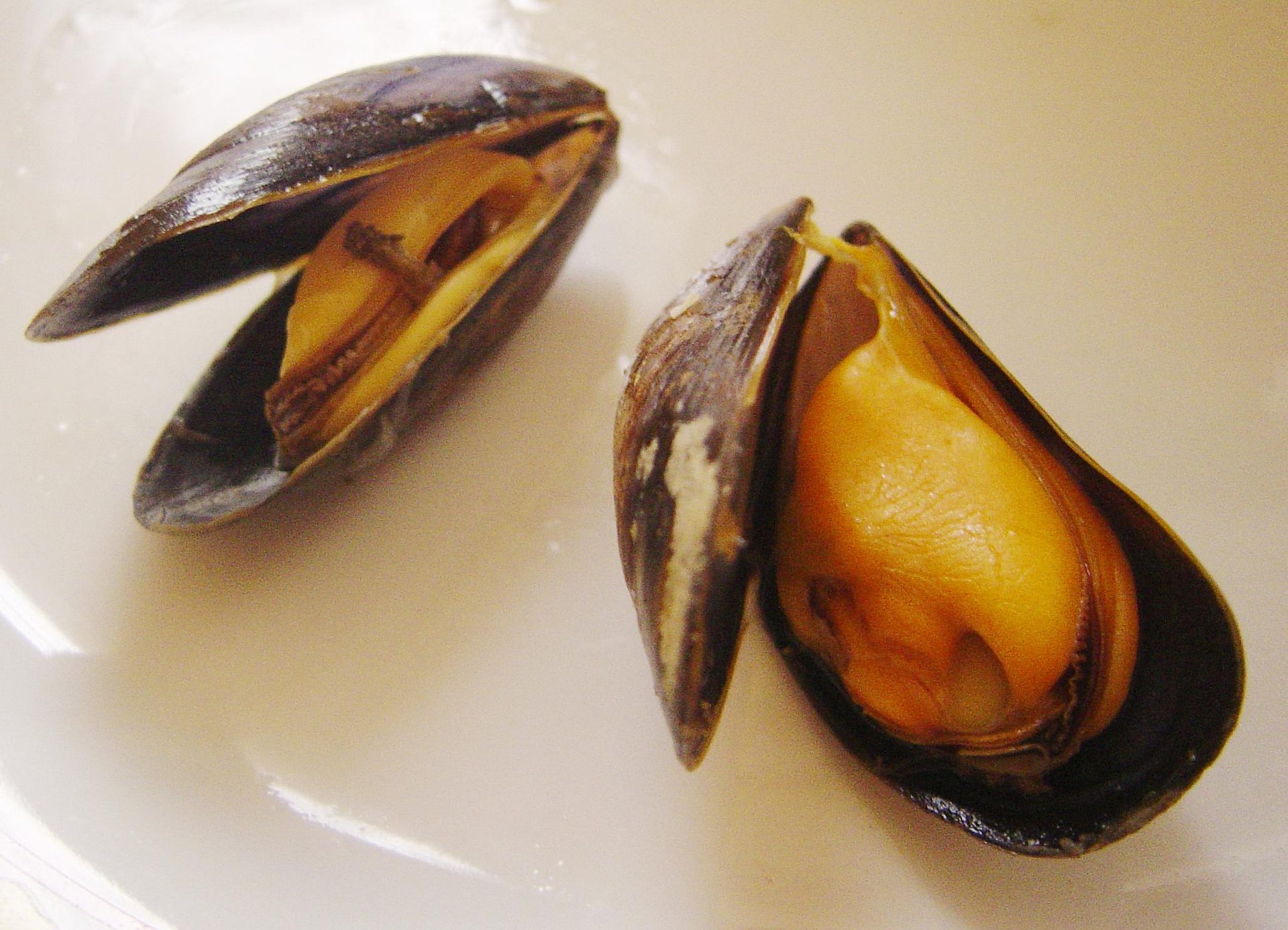
Cooked mussels are one of those seafood dishes that taste incredible fresh but can leave you with more than you can eat in a single sitting. Whether you made a big pot of steamed mussels for a weeknight dinner or bought a bulk bag at a US grocery store, knowing how to store the leftovers properly can save you both money and a trip back to the seafood counter.
The good news: yes, you can freeze cooked mussels. The catch is that technique matters more with shellfish than with most other foods. Done right, frozen mussels can be a genuinely useful freezer staple. Done wrong, you end up with rubbery, watery meat that belongs in the trash. This guide walks you through everything you need to know, from the freezer bag to the dinner plate.
Can You Freeze Cooked Mussels?
While you cannot freeze live mussels, you can freeze mussels that you have cooked. This makes cooked mussels one of the more freezer-friendly shellfish options available to home cooks. Freezing cooked mussels is easier and safer overall compared to trying to freeze them raw or live.
You can freeze cooked mussels either in the shell or removed from the shell. Keeping them in the shell offers a little extra protection during freezing, but shelled mussels take up less space and are easier to portion. Both methods work — what matters most is how you seal and store them. Check out our guide on the pros and cons of eating seafood if you want more context on why shellfish storage is worth getting right.
Pro Tip: If you cooked your mussels in a broth, wine, or garlic butter sauce, save that liquid. Freezing the mussels submerged in their cooking liquid is one of the best things you can do for texture and flavor.
Does Freezing Change the Texture or Taste of Cooked Mussels?
Honest answer: yes, freezing does affect cooked mussels. Freezing may slightly alter their texture, making them less ideal for dishes where a firm texture is essential. The cell structure of shellfish meat is delicate, and ice crystals that form during freezing can break it down slightly, leading to a softer or slightly chewier result after thawing.
If you cooked the mussels in broth, wine, or a sauce, store the meat submerged in that liquid. The cooking liquid serves double duty: it keeps the mussels moist and adds flavor when you reheat them. Without liquid, refrigerated — or frozen — mussels tend to turn tough and rubbery.
The flavor holds up reasonably well. Mussels frozen quickly after cooking and stored properly still carry their briny, oceanic taste. The texture change is the bigger concern, which is why thawed mussels work best in soups, pasta, and chowders rather than dishes where you want a plump, just-steamed bite. Think of freezing as a tool for cooking applications, not a way to replicate fresh.
How to Freeze Cooked Mussels the Right Way
The steps below apply whether you are freezing mussels in the shell or shelled. The key principles are speed, airtight sealing, and liquid coverage.
- Cool them quickly. Bacteria multiply fastest between 40°F and 140°F, doubling in as little as 20 minutes. That means your cooked mussels need to move out of that range fast. Get them into the fridge within two hours of cooking. Spread them in a shallow pan to speed cooling.
- Remove the shells (optional but recommended). Remove cooked mussels from shells, place in a freezer-friendly container, and cover completely with their broth. Shelled mussels are easier to use directly from frozen and take up less freezer space.
- Add cooking liquid. Adding a small amount of the cooking liquid before sealing helps prevent freezer burn and preserves moisture. If you do not have broth, a light saltwater brine works as a substitute.
- Choose the right container. Freeze in covered airtight containers or heavy-duty freezer bags, or wrap tightly with heavy-duty aluminum foil or freezer wrap. Heavy-duty freezer bags are especially practical because you can press out excess air before sealing.
- Remove as much air as possible. Press out as much air as possible if you are using a bag. Air exposure is the main driver of freezer burn.
- Label with the date. Label the container with the date so you can track how long they have been stored. Mussels all look the same once frozen, so this step is easy to skip and easy to regret.
Pro Tip: An ice cube tray works well for portioning mussels in broth before transferring to a freezer bag. Each cube becomes a ready-to-use portion for a single bowl of pasta or soup.
How Long Can You Freeze Cooked Mussels?
Storage times vary slightly across sources, but the consensus for best quality falls in the two-to-four-month range. Properly stored, cooked mussels will maintain best quality for 2 to 3 months, but will remain safe beyond that time. The freezer time shown is for best quality only — cooked mussels kept constantly frozen at 0°F will keep safe indefinitely.
Cooked mussels with their broth last 3 to 4 months in the freezer. Although they could last longer without a health risk, after this period they are likely to start losing flavor and their texture will suffer.
For practical purposes, aim to use frozen cooked mussels within three months for the best eating experience. Beyond that window, quality drops noticeably even if safety is not necessarily an issue.
| Storage Method | Approximate Shelf Life |
|---|---|
| Cooked mussels in the fridge | 3–4 days |
| Cooked mussels in freezer (shelled, in liquid) | 3–4 months (best quality) |
| Cooked mussels in freezer (in shell) | 2–3 months (best quality) |
| Cooked mussels constantly frozen at 0°F | Safe indefinitely; quality declines after 3 months |
How to Thaw Frozen Cooked Mussels
Thawing cooked mussels safely is just as important as freezing them correctly. The method you choose directly affects both food safety and final texture.
Refrigerator thawing (best method): Thaw frozen mussels in the refrigerator overnight rather than on the counter. Thawing at room temperature lets the outer layer sit in the danger zone while the center is still frozen, which creates ideal conditions for bacterial growth. Plan ahead and move the container from the freezer to the fridge the evening before you need them.
Cold water thawing (faster option): For quicker thawing, place them in a sealed bag and submerge in cold water. Change the water every 30 minutes and cook the mussels immediately after they have thawed. Do not use warm or hot water — this pushes the meat into the bacterial danger zone.
What to avoid: Never defrost mussels at room temperature or use a microwave to defrost them, as this will ruin their texture and encourage bacterial growth.
Once thawed, mussels that have been frozen should be safe in the refrigerator for about 3–4 days after you remove them from the freezer. Use them as soon as possible for the best results. You can also learn more about safe food handling practices from the Washington State Department of Health’s shellfish handling guide .
Can You Refreeze Cooked Mussels After Thawing?
No — refreezing thawed cooked mussels is not recommended. Once thawed, do not refreeze. Each freeze-thaw cycle breaks down the texture of the mussel meat further and increases the window of time the shellfish spends in the temperature danger zone, raising the risk of bacterial growth.
For quality purposes, cooked mussels that have been thawed should not be refrozen. If you consistently find yourself with more thawed mussels than you can use, the fix is simple: portion them into smaller containers before the initial freeze so you only thaw what you need.
Important Note: Shellfish are particularly sensitive to temperature fluctuation. The Washington State Department of Health notes that to ensure proper food safety, shellfish must be cooked to an internal temperature of at least 145°F for 15 seconds. If the temperature of shellfish is allowed to rise, bacteria will grow and the shellfish will become unsafe to eat.
How to Use Frozen Cooked Mussels (Best Uses After Freezing)
Thawed cooked mussels are not the same as freshly steamed ones, but they shine in cooked applications where texture differences are less noticeable. Here are the best ways to put them to work:
- Chowder and soups: Freezing cooked mussels is convenient as you will have mussels for your favorite chowder or pasta dish down the road. The soft texture of thawed mussels blends perfectly into a creamy New England-style chowder or a tomato-based seafood soup.
- Pasta dishes: Toss thawed mussels into linguine with white wine, garlic, and olive oil. Add them at the very end of cooking — they just need to be warmed through, not cooked again from scratch.
- Rice and grain bowls: Stir thawed mussels into paella, risotto, or a simple garlic rice dish. The cooking liquid you saved makes an excellent base for the rice.
- Seafood stews: Mussels work well in a soup or fish stew after freezing. A cioppino or bouillabaisse-style dish is an ideal destination for thawed mussels.
- Stuffed mussels: If you froze them in the shell, thawed mussels on the half shell can be topped with breadcrumbs, garlic butter, and herbs, then broiled for a quick appetizer.
When reheating, the goal is to bring them to an internal temperature of 165°F without blasting them with high heat for too long. The gentlest method is warming them in their cooking liquid on the stovetop over medium-low heat. Bring the liquid to a simmer, add the mussels, and heat just until they are warmed through, usually two to three minutes.
Mussels are a nutritious addition to many meals. For more on how seafood and other foods support overall health, see our articles on superfoods for a healthy heart and foods that promote healthy eyesight.
Signs That Frozen Cooked Mussels Have Gone Bad
Even in the freezer, mussels can go bad — or they may have already been on their way out before they were frozen. Here is what to watch for:
- Off smell: If your shellfish has taken on a strange color or smells off, it is always better to discard it rather than risk getting sick. Fresh mussels should smell like the ocean. Ammonia, sourness, or a strong fishy odor all signal spoilage.
- Slimy or sticky texture: Texture changes are a warning signal. Mussels that feel slimy or sticky to the touch have likely started to break down.
- Discoloration: Discoloration, particularly a grayish or yellowish tinge on meat that was originally plump and orange, is also a warning sign.
- Cloudy or filmy storage liquid: If the storage liquid looks cloudy or has developed an off-putting film, discard everything.
- Freezer burn: Heavy white or grayish patches on the mussel meat indicate freezer burn. The mussels are technically safe to eat but will taste dry, bland, and unpleasant. Trim away heavily affected areas or discard entirely.
Some toxins naturally present in shellfish are not destroyed by cooking and will not produce obvious spoilage signs. This is rare with commercially sourced mussels, which are harvested from monitored waters, but it is one more reason not to push storage times beyond the recommended limits.
When in doubt, throw it out. Shellfish food poisoning is serious, and no amount of saved money is worth the risk. For more on how to think about food safety and nutrition, our article on whole plant-based foods covers complementary dietary approaches worth knowing.
Frequently Asked Questions
Can You Freeze Cooked Mussels Still in the Shell?
Cook the mussels, then freeze them in the shell as soon as possible and seal the container tightly. This method works well, though shelling them first saves space and makes them easier to use directly from frozen. If you keep them in the shell, make sure the container is airtight to prevent freezer burn and odor transfer.
How Long Do Cooked Mussels Last in the Fridge Before Freezing?
To maximize the shelf life of cooked mussels for safety and quality, refrigerate the mussels in shallow airtight containers or wrap tightly with heavy-duty aluminum foil or plastic wrap. Properly stored, cooked mussels will last for 3 to 4 days in the refrigerator. Freeze them before that window closes if you do not plan to eat them.
Can You Cook Frozen Cooked Mussels Straight from the Freezer?
Yes, in many cases you can add frozen cooked mussels directly to a hot pot of soup, stew, or pasta sauce. Typical advice for freezing mussels is to cook them and freeze the meat covered by liquid, then cook them from frozen or gently thaw. Just keep the heat moderate and avoid overcooking, since the mussels are already cooked and only need to be warmed through.
Is It Safe to Eat Mussels That Did Not Open After Cooking?
Any mussels that have opened before cooking or do not open after being cooked should be discarded, as they may not be safe to eat. This is a firm food safety rule — do not try to pry them open or assume they are fine. Discard any that stayed shut through the entire cooking process.
Can You Freeze Mussel Broth Separately?
Yes, and it is worth doing. Freeze your mussels covered in broth to enjoy later. You can also freeze your broth separately and use it as a base for soups and chowders. Mussel broth freezes very well in ice cube trays and makes an excellent flavor base for seafood dishes. For more ideas on traditional seafood-heavy cuisines that make great use of shellfish broth, see our guides on traditional Greek foods and traditional South African food.
How Do You Know If Frozen Mussels Are Still Good?
Check for smell, color, and texture after thawing. Fresh mussels should have a sea breeze-like scent. If they smell fishy, they may have spoiled. Also look for discoloration and sliminess as additional red flags. If anything seems off, discard the batch rather than risk illness. For a broader look at which foods support your health versus which ones to avoid, our article on cancer-causing foods to avoid and powerful nutrients that fight cancer offer useful context on making smarter food choices overall.