Can You Freeze Havarti Cheese Slices? What You Need to Know

October 30, 2026
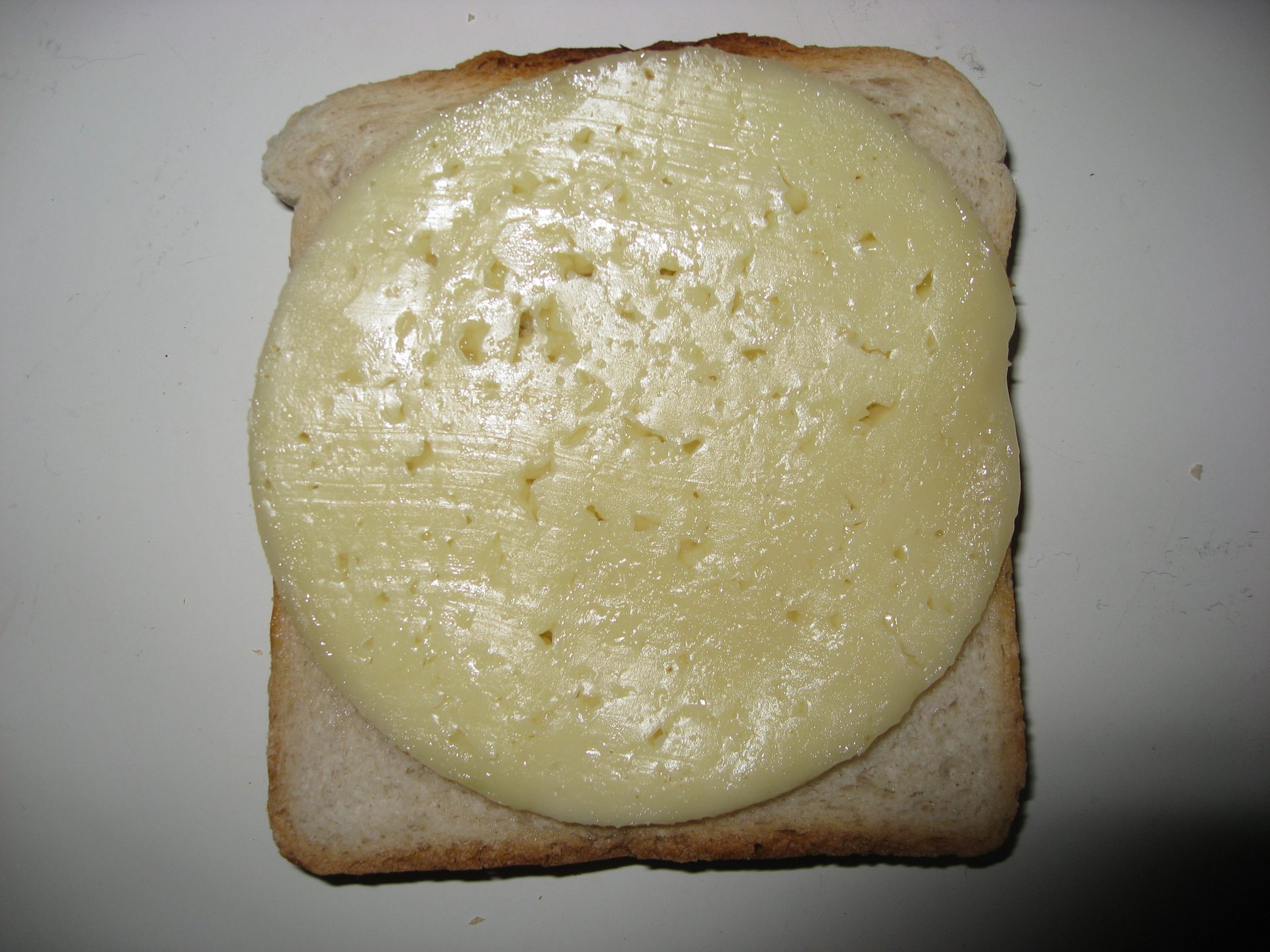
Havarti is one of those cheeses that disappears fast — until you buy a big deli pack and realize you can’t finish it before it turns. Freezing seems like the obvious solution, but havarti’s creamy, semi-soft character makes it a little more complicated than tossing a block of cheddar in the freezer.
The short answer is yes, you can freeze havarti cheese slices. The longer answer involves understanding what happens to the texture, how to wrap it properly, and — most importantly — what you should do with it once it thaws. This guide covers everything you need to know so none of that havarti goes to waste.
Can You Freeze Havarti Cheese?
Yes, havarti cheese does freeze, but freezing it comes at a cost. As a semi-soft cheese, havarti can technically be frozen, though the texture and flavor may be affected by the process. That said, freezing is far better than throwing it away — especially if you stocked up during a sale or bought more than you can use in a week or two.
Many semi-soft and semi-hard cheeses, like low-moisture mozzarella, havarti, Muenster, and mild or medium cheddar, freeze well in their original packaging, especially when pre-shredded. Slices work too, with a little extra prep to keep them from fusing into a single frozen block.
You can freeze havarti slices, but they will still experience the same texture changes as a block of cheese. Consider separating the slices with parchment paper to prevent them from sticking together during freezing.
Pro Tip: Freeze havarti only when you genuinely can’t use it in time. Fresh havarti served at room temperature has a buttery, creamy character that frozen-and-thawed havarti simply cannot replicate on a cheese board.
Does Freezing Change the Texture or Taste of Havarti Cheese?
Yes — and it’s worth being honest about this before you commit. When frozen, the moisture in the cheese expands and contracts, which can cause the cheese to become crumbly and lose its smooth texture. This is the single biggest trade-off with freezing havarti.
Expect a noticeable change in texture after thawing. The cheese will likely be less smooth and may crumble more easily. While the flavor generally remains acceptable, it might be slightly muted after freezing.
The good news is that the flavor holds up reasonably well for cooking purposes. Frozen cheese may become crumbly and lose some of its flavor, but the thawed chunk of havarti cheese will be best suited to cooked dishes, such as sauces, soups, and casseroles. If melting is the end goal, the texture change becomes almost irrelevant.
| Quality Factor | Fresh Havarti | Frozen & Thawed Havarti |
|---|---|---|
| Texture | Smooth, creamy, supple | Crumbly, slightly grainy |
| Flavor | Rich, buttery, mild | Mostly intact, slightly muted |
| Meltability | Excellent | Still melts well |
| Best use | Cheese boards, sandwiches, snacking | Grilled cheese, casseroles, sauces, pasta |
How to Freeze Havarti Cheese the Right Way
Proper wrapping is the difference between cheese that comes out of the freezer in decent shape and cheese that tastes like cardboard. The goal is to eliminate air contact and prevent freezer burn before it has a chance to set in.
For sliced havarti specifically, follow these steps:
- Separate the slices. Place a sheet of parchment paper between each slice to prevent them from freezing together, then wrap the slices tightly in plastic wrap.
- Add a second layer. Wrap the cheese securely in plastic wrap, then add a layer of aluminum foil. Place this wrapped cheese in a sealed plastic bag before putting it into the freezer.
- Remove as much air as possible. Partially seal the bag, then use a straw to suck out all air from the bag. Vacuum-sealing works even better if you have the equipment.
- Label the bag. Use a permanent marker to label the cheese with the type and a “use by” date that is 3 months in the future. This keeps you from guessing later.
- Freeze flat. Lay the bag flat in the coldest part of your freezer, away from the door where temperatures fluctuate.
Pro Tip: If your havarti slices came in original sealed packaging that hasn’t been opened yet, you can place the entire package directly into a freezer bag without unwrapping. Only separate and layer with parchment once the package has been opened.
For block havarti that you plan to slice later, cut the cheese into smaller pieces, roughly one pound in weight and no more than an inch thick, before wrapping. Smaller portions freeze more evenly and let you thaw only what you need.
How Long Can You Freeze Havarti Cheese?
Cheese can be frozen safely for up to six months, though most professionals recommend using it within 2–3 months for the best texture and flavor. For sliced havarti specifically, sources vary slightly on the outer limit.
By following the correct storage procedures, sliced havarti cheese can be safely stored in the freezer for 6–8 months. However, quality starts to decline past the 2–3 month mark. The freezer time shown is for best quality only — havarti cheese that has been kept constantly frozen at 0°F will keep safe indefinitely.
Think of the timeline this way: safe to eat up to 6 months, best quality within 2–3 months. Plan your freezer use accordingly and pull it out before quality slips.
| Storage Method | Estimated Shelf Life |
|---|---|
| Refrigerator (unopened) | 2–4 months past best-by date |
| Refrigerator (opened) | 2–3 weeks |
| Freezer (best quality) | 2–3 months |
| Freezer (safe limit) | Up to 6–8 months |
How to Thaw Frozen Havarti Cheese
How you thaw havarti matters almost as much as how you freeze it. Rushing the process damages the texture further, so slow and cold is always the better approach.
Refrigerator thawing (recommended): Transfer the frozen havarti from the freezer to the refrigerator and let it thaw slowly, ideally overnight. This gradual process helps maintain the cheese’s texture and flavor. A chunk of havarti cheese that has been defrosted in the fridge can be kept for an additional 3 to 4 days in the refrigerator before using.
Cold water thawing (faster option): Putting the cheese in a plastic bag and submerging it in cold water is an effective way to quickly thaw it. To maintain the water’s temperature, replenish it every 30 minutes. It should take around an hour and a half to two hours for a block of cheese to defrost using this method. Use the cheese immediately after this method.
Microwave thawing (avoid if possible): Avoid thawing havarti cheese in the microwave if at all possible, since doing so may affect the cheese’s texture and flavor. If you must use the microwave, do it on the lowest power setting in short bursts and plan to cook with the cheese right away.
Pro Tip: Once thawed, use thawed cheese within 2–3 days and expect some changes in texture and crumbliness. Don’t repackage it and put it back in the fridge for a week — use it promptly.
Can You Refreeze Havarti Cheese After Thawing?
Technically yes, but it’s not a good idea. Once havarti cheese has been thawed, it may be refrozen, however, this isn’t encouraged. Because of structural changes that occur between freezing and thawing, the cheese’s texture and taste might suffer. Cheese’s cells may be damaged by ice crystals formed during the freezing and thawing process, altering its texture and taste.
Cheese loses a greater amount of texture and taste when it is frozen and thawed multiple times. By the second freeze-thaw cycle, you’re likely looking at a grainy, dry product that won’t melt or taste the way you’d want it to.
The smarter approach is to freeze havarti in small, meal-sized portions from the start. That way you only thaw what you need and never have to consider refreezing.
How to Use Frozen Havarti Cheese (Best Uses After Freezing)
Once your havarti has been frozen and thawed, steer it toward heat. Think of frozen cheese as your behind-the-scenes kitchen MVP — excellent for sauces, bakes, pizzas, and weeknight dinners. Its meltability remains strong even after texture changes, which makes it genuinely useful in cooked applications.
Here are the best ways to put thawed havarti to work in your kitchen:
- Grilled cheese sandwiches: Havarti shines in grilled cheese sandwiches, melting beautifully for a gooey, satisfying meal. The crumblier post-freeze texture becomes irrelevant once it hits a hot pan.
- Casseroles and gratins: Frozen and thawed havarti is best used in cooked dishes where the altered texture is less noticeable, such as in gratins and sauces.
- Mac and cheese: Havarti melts wonderfully, making it perfect for mac & cheese, casseroles, and even pizza toppings.
- Soups: Leftover havarti can be grated over soups for added creaminess.
- Omelets and scrambled eggs: Fold thawed, crumbled havarti into eggs while they cook — the texture difference is completely unnoticeable.
- Pasta dishes: Havarti’s smooth consistency allows it to melt beautifully, making it an ideal choice for pasta dishes.
What you should avoid after freezing: serving havarti on a cheese board or using it as a standalone snack. Just don’t expect it to headline a cheeseboard. Save your fresh blocks for that purpose and reserve the frozen stash strictly for cooking.
If you’re interested in how different foods support your overall diet, check out this guide to superfoods for a healthy heart and this overview of whole plant-based foods that pair well with cheese-forward meals.
Signs That Frozen Havarti Cheese Has Gone Bad
Even properly frozen cheese can go bad, especially if it wasn’t wrapped well or has been in the freezer too long. Before you use thawed havarti, give it a quick inspection.
Watch for these warning signs:
- Mold: Mold growth is a clear indicator that havarti has gone bad. Look for fuzzy spots of green, blue, or gray on the cheese surface. Discoloration beyond the cheese’s natural cream or pale yellow hue may also signal spoilage.
- Slimy texture: If the cheese develops a slimy texture or appears discolored, these could be indicators of bacterial growth.
- Off smell: Spoiled cheese may emit a foul odor, which differs from its naturally mild scent.
- Unusual hardness: Havarti cheese that is going bad typically will develop a very hard texture, will darken in color, will develop a strong smell, and mold may appear.
- Sour or bitter taste: While it’s normal for havarti cheese to have a slightly acidic flavor, a sour or bitter taste is a sure sign it’s gone bad.
Important Note: While some hard cheeses can be salvaged by cutting away mold, it’s generally not recommended for semi-soft cheeses like havarti. The mold’s roots can penetrate deeper into the cheese than is visible, potentially contaminating the entire piece. Discard the cheese to be safe.
Frequently Asked Questions
Can you freeze store-bought havarti slices in the original packaging?
Freeze the cheese in its original package if it’s unopened. Just place the sealed package inside a freezer bag for extra protection. Once opened, transfer the slices to a fresh bag with parchment paper between them.
How long does havarti last in the fridge after opening?
Properly stored, a chunk of havarti cheese will last for 2 to 3 weeks in the refrigerator. Once opened, sliced havarti deli cheese stays fresh for 2–3 weeks if refrigerated.
Does freezing havarti affect how it melts?
Not significantly. Many semi-soft cheeses like havarti freeze well in their original packaging and keep in the freezer with little change in flavor or meltability. The texture changes on the surface, but the cheese still melts smoothly in cooked dishes.
Can you freeze flavored havarti, like dill or jalapeño?
Yes. The same rules apply to flavored varieties. Wrap tightly, separate slices with parchment, remove air, and plan to use the cheese in cooked dishes after thawing. The added herbs or peppers don’t change the freezing process.
Is havarti good for you?
Havarti provides protein, calcium, and fat. If you’re curious about how dairy and other foods fit into a health-conscious diet, explore this guide to fibroid healing foods or this roundup of powerful nutrients and foods that fight cancer for broader nutritional context.
Can you leave havarti out at room temperature?
Havarti should not be left at room temperature for more than two hours. Bacteria can grow rapidly at room temperature, increasing the risk of foodborne illness. If you’re putting together a spread with global cheeses or a party board, set havarti out just before serving and refrigerate any leftovers promptly.
What’s the best way to store havarti in the fridge?
Store havarti cheese in the refrigerator, ideally at temperatures between 35 and 40 degrees Fahrenheit. Once opened, wrap the cheese in wax paper or parchment paper before putting it in a plastic bag or a cheese drawer. This allows the cheese to breathe while keeping it moist and fresh. Also, cheese absorbs odors easily, so try to keep it away from strong-smelling foods like onions or garlic in your fridge.