Can You Freeze Kimchi? What Actually Happens and How to Do It Right

October 29, 2026
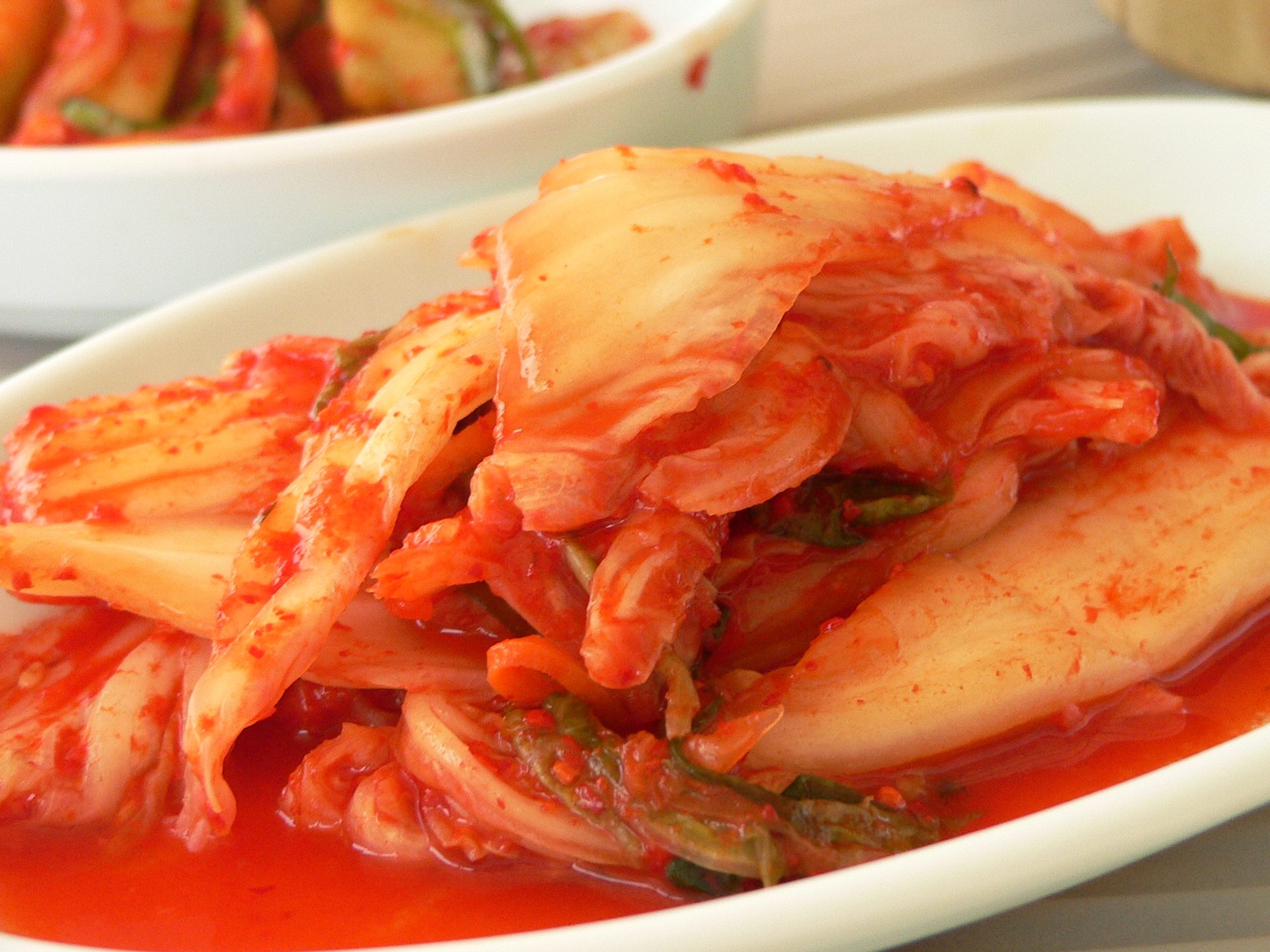
Kimchi is one of those foods that seems to take care of itself. It’s fermented, it’s tangy, and it keeps far longer than most fresh vegetables. But if you’ve ever bought a big jar at your local Korean grocery or made a large homemade batch, you know the question eventually comes up: can you actually freeze it?
The short answer is yes — freezing kimchi is a practical option when you have more than you can eat in a reasonable timeframe. The longer answer involves a few trade-offs around texture, probiotic content, and flavor that are worth understanding before you toss that jar in the freezer.
Can You Freeze Kimchi?
Yes, you can absolutely freeze kimchi. Freezing is a viable method for extending its shelf life and preventing it from becoming overly sour. While freezing will slightly alter the texture, it remains a practical way to preserve this Korean staple — especially if you have a large batch or want to keep it for long-term use.
Putting kimchi in the refrigerator will slow down the fermentation process but not stop it. To do that, you need to freeze it. That makes freezing the go-to method when you want to lock in the flavor at a specific stage of fermentation.
Freezing effectively pauses the fermentation process, which means the unique flavor your kimchi has developed up to that point will essentially be locked in, preventing further changes. That’s a real advantage if you’ve hit your preferred level of sourness and don’t want it to keep developing.
Pro Tip: If you buy kimchi from a store like H Mart or a local Korean market, freeze it before it reaches peak sourness — that way it’s closer to fresh when you thaw it.
Does Freezing Change the Texture or Taste of Kimchi?
Freezing kimchi primarily affects its texture, making it softer and less crunchy after thawing. The ice crystals that form during freezing break down the cell walls of the vegetables, resulting in this change. This is the most noticeable downside for people who enjoy kimchi as a crunchy side dish.
The flavor of kimchi can also change slightly after freezing. The fermentation process slows down significantly in the freezer but doesn’t stop entirely, which can lead to a more sour flavor over time. The intensity of the spices may also diminish slightly.
Kimchi is a good source of probiotics, but freezing can reduce these active cultures. While some survive the freezing-thawing process, a percentage drop is commonly recorded, decreasing the potential health benefits. If you rely on kimchi as part of a whole plant-based diet for its probiotic value, this is worth keeping in mind.
Some people say they actually prefer the taste and texture of kimchi that has been frozen, so it’s worth trying to see what you think. For cooked applications in particular, the texture difference is barely noticeable.
Key Insight: Frozen kimchi works best in cooked dishes where texture matters less. If you want it as a fresh side, refrigeration is still the better option.
How to Freeze Kimchi the Right Way
Freezing kimchi isn’t complicated, but a few specific steps make the difference between kimchi that thaws well and kimchi that turns into a soggy, diluted mess. Follow these steps for the best results.
- Drain the brine. Drain the kimchi of its juice before freezing, because melted water crystals create soggy vegetables when you defrost — and those water crystals can also dilute the flavors.
- Optional: blanch briefly. Blanch the kimchi for about one to two minutes in boiling water to kill bad bacteria and help preserve its flavor. This step is optional but recommended for homemade kimchi.
- Portion it out. Freeze in small batches — this allows you to thaw only what you need, reducing the risk of spoilage and maintaining freshness.
- Use the right containers. If your kimchi is in a glass jar, transfer the portions to airtight plastic containers, as glass can shatter when frozen. Freezer-safe zip-lock bags also work well and save space.
- Leave headspace. As kimchi freezes, it may expand. Leave an inch of space at the top of the container to accommodate this expansion and prevent leaks or container damage.
- Remove excess air. To prevent freezer burn, remove as much air as possible from the containers or bags before sealing.
- Label and date everything. Labeling and dating your frozen kimchi is important for easy identification and rotation.
- Set your freezer correctly. The ideal freezer temperature for storing kimchi is 0°F (-18°C) or below.
How Long Can You Freeze Kimchi?
If stored properly, kimchi can last for as long as a year to a year and a half in the freezer. But the ideal length of time is no longer than three months in order to guarantee optimal quality.
Keep in mind that frozen kimchi may still undergo very slow fermentation even at freezer temperatures. After 12 months, the flavor might become noticeably different from when it was initially frozen. For the best results, aim to use frozen kimchi within the first six months for optimal taste and texture.
| Storage Method | How Long It Lasts | Quality Notes |
|---|---|---|
| Room temperature (opened) | Up to 1 week | Ferments quickly; monitor closely |
| Refrigerator | 3–6 months | Best for texture and probiotics |
| Freezer (ideal) | Up to 3 months | Best quality window |
| Freezer (maximum) | Up to 12–18 months | Safe but flavor and texture decline |
For refrigerator storage, the ideal range is 32–39°F to slow down fermentation without stopping it completely. That range keeps kimchi crisp and flavorful for months without the texture trade-offs that come with freezing.
How to Thaw Frozen Kimchi
When it’s time to thaw your frozen kimchi, a gradual approach is key. Place the frozen kimchi in the refrigerator and allow it to defrost slowly. This method helps retain its flavors and nutrients more effectively, ensuring that your kimchi remains as close to its original state as possible.
Freezing affects the crispiness of the vegetables, and defrosting using the wrong method will further affect their texture. If you want to preserve the texture as much as possible, defrost kimchi in the fridge — simply remove the bag or container from the freezer and place it in the fridge. Place a piece of paper towel or a small plate under the container to prevent any water from leaking.
If you’re adding kimchi directly to a cooked dish like a stew or soup, you can add it frozen — no need to thaw first. This is actually the most convenient approach for weeknight cooking.
Thawed kimchi is best used within a few days to maintain its freshness and flavor. Don’t thaw a large batch at once unless you plan to use it all quickly.
Pro Tip: After thawing, taste your kimchi and adjust the seasoning if needed. Consider adding a little extra gochugaru (Korean chili powder), garlic, or fish sauce after thawing to enhance the flavor, then adjust the seasoning to your preference.
Can You Refreeze Kimchi After Thawing?
It’s generally not recommended to refreeze kimchi. Refreezing can further compromise its texture and flavor, leading to a mushy and less flavorful result.
The process of freezing and thawing causes ice crystals to form and then melt, breaking down the cell structure of the vegetables. Refreezing worsens this issue, and each subsequent freeze-thaw cycle further compromises the texture, leading to a mushier and less palatable product.
Freeze your kimchi in small portions to avoid needing to refreeze. Single-serving containers or small zip-lock bags make this easy — you pull out exactly what you need and leave the rest frozen.
How to Use Frozen Kimchi (Best Uses After Freezing)
Freezing can lead to a softer consistency, making kimchi less suitable for direct consumption but still a fantastic ingredient for cooked dishes. Think of your frozen stash as a cooking ingredient rather than a fresh condiment, and you’ll get great results.
Here are the best ways to put thawed or partially thawed kimchi to work:
- Kimchi fried rice (kimchi bokkeumbap): Thawed kimchi works especially well in cooked dishes like kimchi jjigae or pancakes, where the change in texture is less noticeable. Kimchi fried rice is one of the most popular uses in American home kitchens.
- Kimchi stew (jjigae): The bold, fermented flavor deepens beautifully when simmered. This is an ideal use for kimchi that has become quite sour.
- Dumplings and potstickers: Kimchi can be incorporated into stews, fried rice, and dumplings, so it doesn’t have to be just a side dish.
- Kimchi pancakes (kimchijeon): The batter masks any texture changes completely, and the flavor comes through strong.
- Soups and noodle dishes: Add directly from frozen to hot broth for a quick flavor boost in ramen, udon, or instant noodle soups.
- As a condiment (with adjustments): While the texture won’t be the same as fresh kimchi, it can still be used as a condiment. Adding a splash of fish sauce and gochugaru will help it taste better.
If you’re exploring how fermented and nutrient-dense foods fit into your overall diet, kimchi — even frozen — still delivers on flavor and versatility. It also pairs well alongside dishes from Korean-inspired menus and complements the bold profiles found in traditional South Asian cooking and other globally influenced meals.
Signs That Frozen Kimchi Has Gone Bad
Kimchi is naturally resistant to spoilage thanks to its salt and acidity, but that doesn’t mean it’s indestructible — especially after freezing and thawing. Here’s what to look for before you eat it.
- Mold: Any visible mold — white, green, or black — is a clear sign that the kimchi has been compromised. Discard it immediately.
- Discoloration: If the kimchi has lost its original color and appears dull or has darkened significantly, this could be a sign of spoilage.
- Off smell: Kimchi should have that recognizable garlicky, fermented cabbage smell. If the smell is disagreeable rather than pungent-but-inviting, don’t take any risks — especially if it contains fish sauce or shellfish.
- Extreme sourness: Over time, kimchi becomes more pungent, savory, and tangy. Depending on your preference, that might constitute going bad — though to some, those deepened flavors are preferable and work well in fried rice or jjigae stew.
- Slimy or mushy texture: If the vegetables in the kimchi have become overly soft or mushy, this is an indicator that the kimchi is deteriorating. Some softening after freezing is normal, but extreme mushiness paired with other warning signs is cause for concern.
- Freezer burn: Freezer burn can be a major issue when storing kimchi, causing it to become dry and develop off-flavors. Properly sealed containers prevent this.
Important Note: If your kimchi has an off smell, mold, or an unusual taste, do not freeze it. Freezing does not kill bacteria, and spoiled kimchi can be harmful to your health. Always freeze kimchi that is still good — not kimchi you’re hoping to salvage.
Kimchi’s fermented nature means it shares some food-safety principles with other preserved foods. If you’re interested in how diet and food choices connect to overall wellness, check out this guide on superfoods for a healthy heart or explore nutrients and foods that support cancer prevention.
Frequently Asked Questions
Does Freezing Kimchi Kill the Probiotics?
Freezing does reduce the number of viable probiotics in kimchi. While the lactic acid bacteria are resilient, they are not immune to the stresses of freezing and thawing. Some probiotics survive, but you’ll get more benefit from refrigerated, unfrozen kimchi.
Can You Freeze Store-Bought Kimchi?
If you’ve bought plastic-wrapped kimchi, you can either transfer it to a container or, if it hasn’t been opened, keep it in the original packaging before putting it in the freezer. Just make sure the packaging is airtight and not glass.
Can You Freeze Kimchi Jjigae (Kimchi Stew)?
Freezing kimchi jjigae is possible, but it’s best consumed fresh to enjoy its full flavor. If you choose to freeze it, be aware that ingredients like tofu and vegetables may become soft upon thawing. Let the stew cool completely, transfer it to freezer-safe containers, and store it for up to one month for the best quality.
What Type of Kimchi Freezes Best?
Kimchi made with napa cabbage is generally the best for freezing. Kimchi with delicate ingredients, such as leafy greens or seafood, may not freeze as well. Kimchi with robust ingredients like napa cabbage, radishes, or scallions freezes better than those with delicate ingredients like cucumbers or young greens. Kimchi with a moderate to high spice level will also generally freeze better than those with very mild flavors.
Can You Freeze Kimchi in Its Original Glass Jar?
For bottled kimchi, it’s not a good idea to stick the bottle straight in the freezer. The glass bottle will shatter as the kimchi freezes. It’s best to repackage the kimchi in manageable servings using heavy-duty plastic bags or freezer-safe rigid containers.
How Long Does Thawed Kimchi Last in the Fridge?
Once thawed, treat kimchi the same way you would a freshly opened jar. Thawed kimchi is best used within a few days to maintain its freshness and flavor. Keep it in an airtight container at the back of the fridge where temperatures are most consistent.