Can You Freeze Cooked Rice-A-Roni? What You Need to Know Before You Try

October 29, 2026
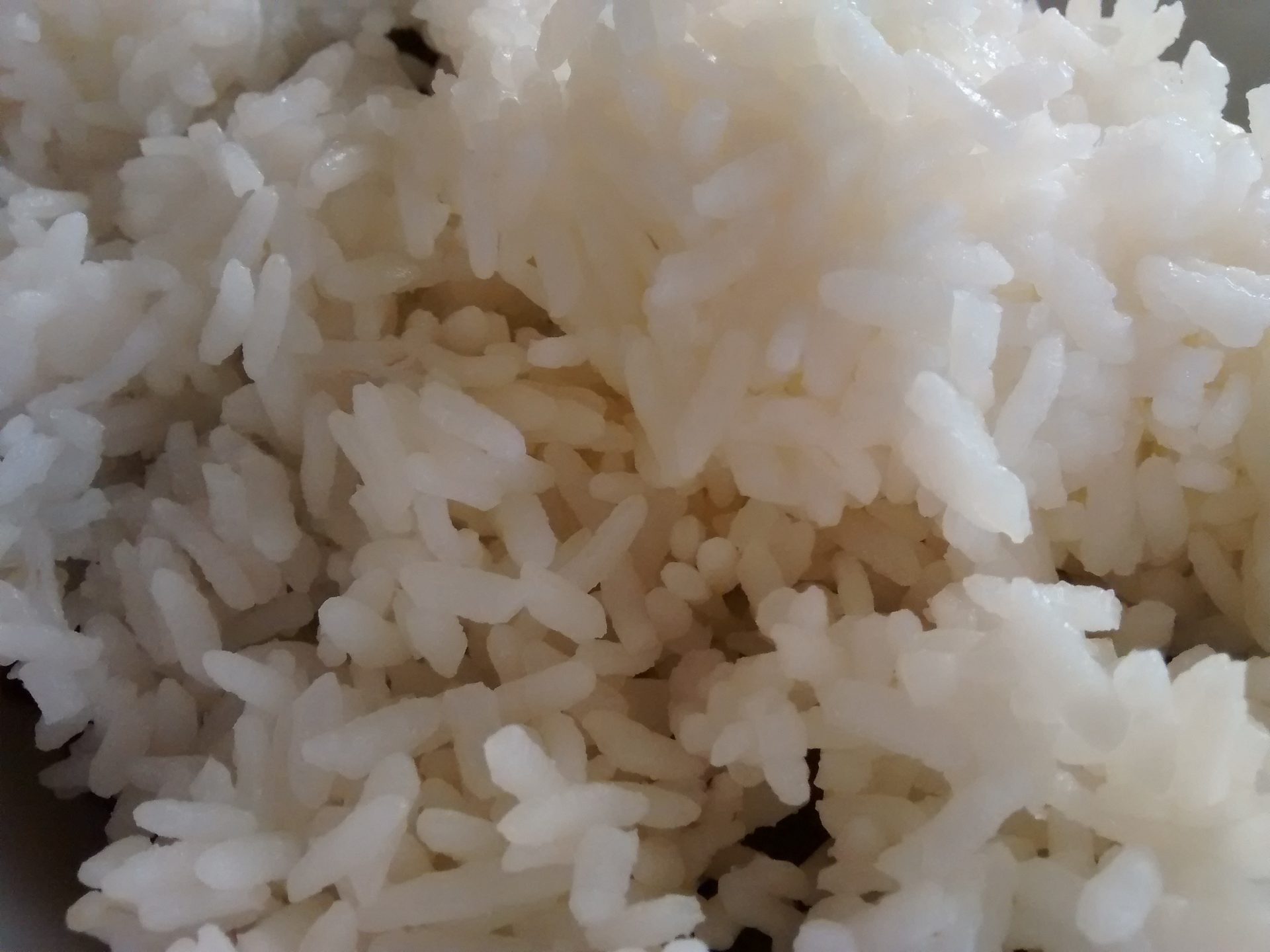
Rice-A-Roni is one of those American pantry staples that shows up at weeknight dinners, potlucks, and holiday tables alike. You cook a box, serve it alongside chicken or pork chops, and then stare at the leftovers wondering what to do next. Throwing it out feels wasteful — but will it actually survive the freezer?
The short answer is yes, you can freeze cooked Rice-A-Roni. The longer answer involves a texture trade-off you should know about before you bag it up. This guide walks you through everything: what freezing does to the rice and pasta, how to do it correctly, how long it keeps, and the smartest ways to use it once it’s thawed.
Can You Freeze Cooked Rice-A-Roni?
Yes — you can freeze Rice-A-Roni. Simply transfer the leftovers to a freezer-proof container and freeze for up to 6 months. You can even cook a larger portion in advance and freeze it so it’s ready when you need it.
There is one thing worth knowing upfront. Rice-A-Roni isn’t just rice — it also contains vermicelli, which is thin noodles. Because of this, it can sometimes become mushy after freezing and thawing. The rice component holds up reasonably well, but the pasta absorbs moisture during the freeze-thaw cycle and softens more than it would fresh off the stove.
If you plan to use the thawed Rice-A-Roni as a side dish where texture matters, go in with realistic expectations. The texture may not be exactly the same after reheating — but if texture isn’t a big deal for you, go ahead and freeze it. For uses like casseroles, soups, or stuffed peppers, the softer texture is barely noticeable and often works in your favor.
Pro Tip: Freeze Rice-A-Roni in individual portion sizes rather than one large block. You can thaw exactly what you need without repeatedly exposing the rest to temperature changes.
Does Freezing Change the Texture or Taste of Cooked Rice-A-Roni?
Freezing affects Rice-A-Roni differently than it affects plain rice, specifically because of the vermicelli noodles. All varieties of rice freeze well, and shorter types tend to retain their texture a bit better. Longer-grained varieties, like jasmine and basmati, can dry out a bit. Add thin pasta to that mix, and you have two ingredients with different freeze-thaw behaviors in the same container.
The pasta in Rice-A-Roni tends to absorb water as it freezes and thaws, which makes it softer — sometimes noticeably so. Frozen, reheated rice can dry out more easily than freshly steamed rice. It will still be safe to eat, but you might need to add extra water or broth when reheating.
Flavor holds up better than texture does. The seasoning blend baked into Rice-A-Roni survives freezing well, so the dish will still taste like itself. The main quality loss is textural: expect softer noodles and rice grains that may clump slightly rather than staying separate and fluffy.
| Quality Factor | Fresh Rice-A-Roni | Frozen and Thawed |
|---|---|---|
| Flavor | Full, seasoned | Mostly preserved |
| Rice texture | Fluffy, separate grains | Slightly softer, may clump |
| Pasta texture | Tender with slight bite | Noticeably softer, can be mushy |
| Moisture | Ideal | May need a splash of water or broth when reheating |
How to Freeze Cooked Rice-A-Roni the Right Way
The way you freeze Rice-A-Roni matters as much as the fact that you freeze it. Rushing the process — or skipping a step — leads to freezer burn, clumping, and mushy pasta. Follow these steps and you’ll get the best possible result.
- Cool it quickly. If room temperature is under 90°F, refrigerate or freeze the rice within 2 hours of cooking. If room temperature is 90°F or over, get it into the fridge or freezer within 1 hour. Don’t leave it sitting on the counter to cool slowly.
- Spread it out to cool evenly. Spread the cooked rice into an even layer on a baking sheet, keeping it fluffed with a fork as you go. If the layer is thicker than your baking sheet, spread it onto additional sheets. Allow it to cool on the counter or in the fridge until it reaches room temperature. Don’t rush this step — cooling it thoroughly maintains a fluffy texture and prevents it from becoming one giant clump in the freezer.
- Portion it out. Divide the cooled Rice-A-Roni into individual or meal-sized portions. You can freeze a batch in one container, but it’s handy to freeze individual servings so you only have to thaw as much as you need.
- Pack it airtight. Scoop it into a zipper bag, squeezing out as much of the extra air as possible. You can also store it in an airtight container. Gently pat the bag flat and place it in the freezer.
- Label with the date. Label the package with the date to make it easy to track how soon you should eat it.
Pro Tip: Freezing in flat bags on a baking sheet makes it easy to stack or store in tight spots in the freezer. Once fully frozen, you can remove the baking sheet and rearrange the bags however you like.
One additional note specific to Rice-A-Roni: when cooking Rice-A-Roni specifically for freezing, consider avoiding adding butter or broth, as these ingredients could separate upon thawing. If you’re freezing leftovers from a meal you’ve already cooked with butter, that’s fine — just be aware the texture after thawing may be slightly greasier.
How Long Can You Freeze Cooked Rice-A-Roni?
Sources vary slightly on the exact window, but the consensus points to 1–3 months for the best quality. While freezing Rice-A-Roni can preserve its flavor and texture for an extended period, it’s best to consume it within 2–3 months for optimal taste and quality.
Stored properly, frozen rice lasts for up to three months in the freezer. Any longer than that will lead to dried out, flavorless rice. It may also become unsafe to eat if it’s not stored in an airtight container.
Some sources note that plain cooked rice can technically be frozen for up to 6 months, but the pasta in Rice-A-Roni degrades faster. Sticking to the 1–3 month window gives you the best flavor and the most usable texture when you reheat it.
| Storage Method | How Long It Keeps | Notes |
|---|---|---|
| Room temperature | 2 hours max | Discard after 2 hours; bacteria risk |
| Refrigerator | 3–4 days | Airtight container, at or below 40°F |
| Freezer (best quality) | 1–3 months | Airtight freezer bag or container |
| Freezer (safe but degraded) | Up to 6 months | Texture and flavor will suffer significantly |
How to Thaw Frozen Cooked Rice-A-Roni
Thawing correctly is just as important as freezing correctly. The goal is to warm the Rice-A-Roni evenly without drying it out or letting it sit in the temperature danger zone longer than necessary.
Refrigerator thawing (best method): Allow the frozen Rice-A-Roni to thaw in the refrigerator overnight before reheating it on the stovetop. This keeps the temperature safe the whole time and gives the rice and pasta a chance to rehydrate gradually, which helps with texture.
Microwave thawing: You can thaw and reheat frozen Rice-A-Roni directly in the microwave. Transfer it into a microwave-safe dish, add two tablespoons of water for each cup, and heat for about 2 minutes. Stir halfway through and check that it’s steaming hot before eating.
Stovetop reheating from thawed: Let the frozen Rice-A-Roni thaw before reheating. Then add two tablespoons of water for each cup of Rice-A-Roni and cover. Reheat over medium heat for about 5 minutes or until fully warm.
Important Note: Always reheat Rice-A-Roni until it’s steaming hot throughout — an internal temperature of 165°F (74°C). Reheating rice properly kills bacteria that may have multiplied during refrigerated storage, but it does not neutralize toxins already produced by Bacillus cereus. This is why proper initial storage matters more than reheating technique.
Can You Refreeze Cooked Rice-A-Roni After Thawing?
No — refreezing thawed Rice-A-Roni is not recommended. It’s best to avoid reheating rice more than once. Repeated reheating can create the conditions needed for bacteria to grow. If you have leftovers after reheating, throw them away.
The food safety concern here is real. Bacillus cereus spores, found in rice, can survive boiling temperatures. These spores will germinate in cooked rice if it isn’t refrigerated promptly. Importantly, this bacteria also produces a heat-resistant toxin that cannot be destroyed by reheating.
Each time you thaw and reheat Rice-A-Roni, you also accelerate the texture breakdown of the pasta. A second freeze-thaw cycle will leave the vermicelli noticeably mushy. The practical fix is simple: freeze in single-serving portions from the start so you never have more thawed than you can eat in one sitting.
How to Use Frozen Cooked Rice-A-Roni (Best Uses After Freezing)
Because the pasta softens during freezing, frozen Rice-A-Roni works best in dishes where it’s mixed into something else rather than served straight as a side. Frozen Rice-A-Roni can be used in soups and casseroles. It can be easily reheated on the stove or in the microwave.
Here are the best ways to put it to use:
- Casseroles: Mix thawed Rice-A-Roni into a baked casserole with chicken, cream of mushroom soup, and cheese. The softer texture blends right into the dish. Check out some traditional South African food ideas for inspiration on rice-based casserole combinations.
- Soups and stews: Add thawed Rice-A-Roni directly to a pot of chicken or vegetable soup in the last 5–10 minutes of cooking. The seasoning from the rice mix adds extra flavor to the broth.
- Stuffed peppers: Use thawed Rice-A-Roni as the filling base for bell peppers stuffed with ground beef or turkey. Baking brings everything together and the texture difference disappears.
- Fried rice-style skillet: Toss thawed Rice-A-Roni into a hot skillet with eggs, soy sauce, and leftover vegetables for a quick weeknight meal. The high heat firms the grains back up slightly.
- Side dish (if texture is acceptable): If you froze it correctly and thaw it carefully, serving it as a simple side dish alongside grilled chicken or pork chops is still a reasonable option — just add a splash of broth when reheating to restore moisture.
Pairing ideas are endless. Rice-A-Roni goes well with proteins, roasted vegetables, or as a base for heartier meals. If you’re exploring more globally-inspired rice dishes, you might enjoy browsing traditional Greek foods or traditional Pakistani food for ideas on how different cuisines use seasoned rice as a foundation.
Signs That Frozen Cooked Rice-A-Roni Has Gone Bad
Frozen Rice-A-Roni doesn’t always announce that it’s gone bad with obvious mold or a foul smell — especially when the issue is Bacillus cereus contamination, which can be odorless. Knowing what to look for protects you from a bad experience.
Smell: Fresh Rice-A-Roni will have a distinctive savory aroma, while stale or expired products may emit a sour or unpleasant smell. If the thawed Rice-A-Roni smells off — sour, musty, or rancid — discard it without tasting.
Texture and appearance: If the surface of refrigerated rice feels slimy, excessively wet, or the grains have fused into a wet mass with a greasy-slick surface, bacterial biofilm has formed. This slime — produced by bacterial colonies as a protective matrix — appears before mold but after the earliest stage of spoilage. It is a definitive discard indicator.
Freezer burn: White, dry patches on the surface of the frozen rice indicate freezer burn. The affected portions will taste bland and chalky. You can scrape off minor freezer burn and use the rest, but heavily burned Rice-A-Roni isn’t worth eating.
Time: If refrigerated rice has been in the fridge longer than 4 days, discard it regardless of how it looks or smells. With B. cereus, the rice can be unsafe without showing obvious signs of spoilage. The same logic applies to frozen Rice-A-Roni that has been thawed and sitting in the fridge — use it within 3–4 days of thawing, and don’t refreeze it.
Mold: If you notice any changes in smell, taste, or texture, or signs of mold growth in cooked rice, discard it right away. Visible mold means the entire batch should go in the trash — not just the affected portion.
Important Note: When in doubt, throw it out. B. cereus food poisoning causes vomiting and diarrhea within 1–5 hours of eating contaminated food. It’s not worth the risk.
Proper food storage practices extend to everything in your kitchen, not just rice dishes. If you’re interested in how diet and food choices affect your overall health, explore articles on superfoods for a healthy heart or foods for healthy skin for practical, research-backed guidance.
Frequently Asked Questions
Can you freeze Rice-A-Roni with butter in it?
You can, but butter may separate slightly during the freeze-thaw process, which can make the texture a bit greasier after reheating. If you’re cooking a batch specifically to freeze, consider reducing the butter or leaving it out entirely and adding it fresh when you reheat.
Can you freeze uncooked Rice-A-Roni from the box?
If you’re freezing uncooked Rice-A-Roni, store it in a freezer-safe container to prevent moisture loss and maintain its quality. That said, an unopened box of dry Rice-A-Roni already has a long pantry shelf life, so freezing the dry mix is usually unnecessary unless you’ve opened the box and want to extend its life.
How long does cooked Rice-A-Roni last in the fridge?
Cooked rice lasts 3 to 4 days in the refrigerator when stored in an airtight container at 40°F (4°C) or below. This applies to Rice-A-Roni as well. If you’re not going to eat it within that window, freeze it instead.
Does Rice-A-Roni freeze better than plain rice?
Plain rice actually freezes better than Rice-A-Roni because there’s no pasta component to go mushy. You can freeze practically any type of rice or pilaf recipe. They all follow the same essential steps to be frozen and reheated. Rice-A-Roni is perfectly freezable — it just requires more attention to how you use it after thawing.
Can you freeze a Rice-A-Roni casserole?
Yes. Assemble the casserole and cover the dish with plastic wrap and aluminum foil. Place the dish in the freezer for up to 3 months. To bake the casserole after freezing, thaw completely and bake as directed. Casseroles are actually one of the best formats for frozen Rice-A-Roni because the other ingredients compensate for the softer texture.
What’s the best container for freezing Rice-A-Roni?
Use airtight containers or freezer-safe resealable bags. Squeeze out as much air as possible if using bags. Flat freezer bags work especially well because they stack easily and thaw faster than thick blocks of rice in a rigid container.
For more food storage tips and guides, check out how to freeze fresh uncooked zucchini or explore whole plant-based foods for ideas on building a more varied, freezer-friendly meal plan. You can also find helpful guidance on nutrition and food choices in articles covering powerful nutrients and foods that fight cancer and foods that can help enhance your liver function.