
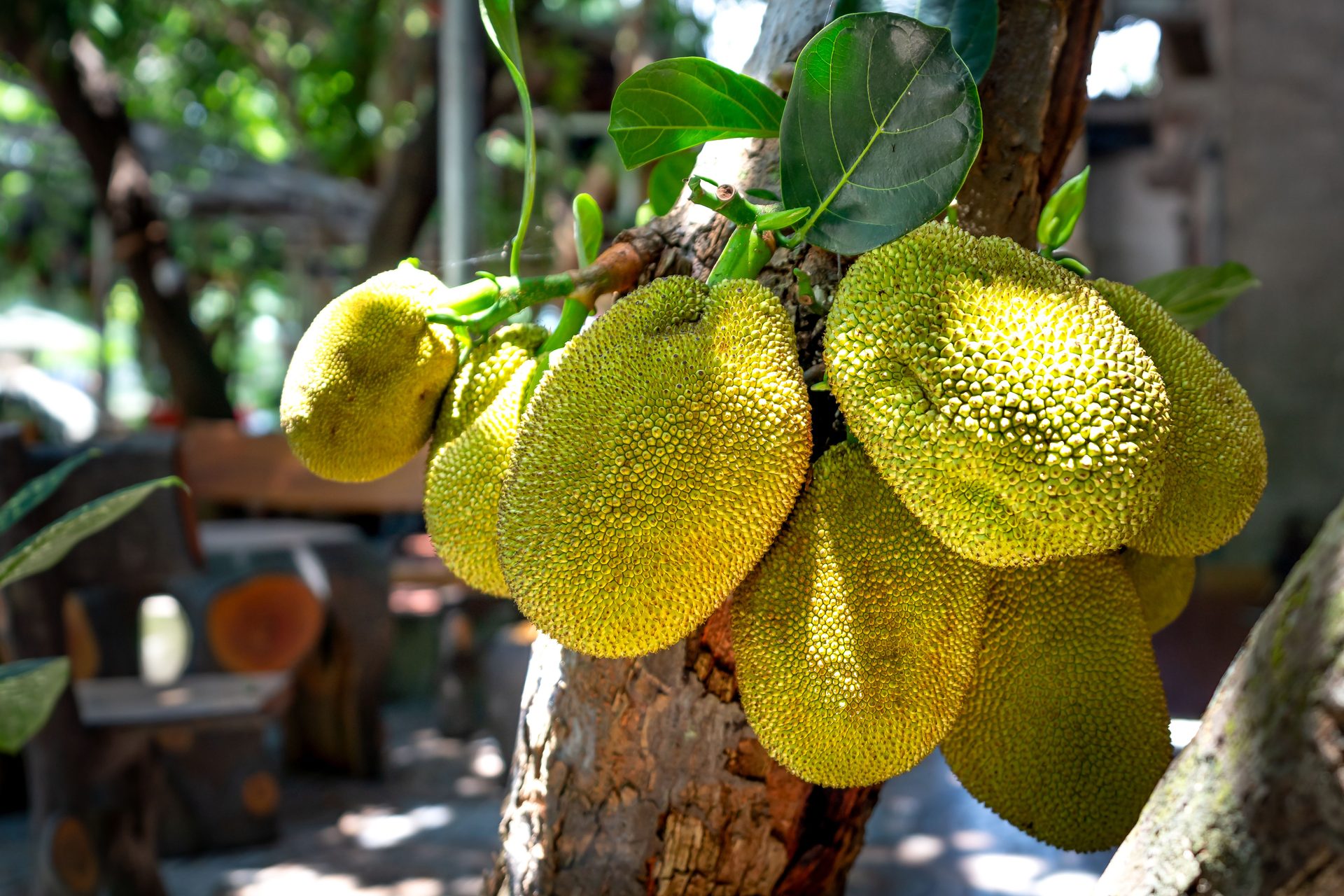
Jackfruit is one of the most versatile fruits you can keep in your kitchen — but it also spoils faster than you might expect. Fresh jackfruit doesn’t stay good for long, so freezing lets you preserve its flavor and nutrients without waste. Whether you picked up a whole fruit at an Asian market, bought a pre-cut section at a specialty store, or have leftover canned jackfruit from last night’s tacos, the freezer is your best friend.
Whether you have fresh raw jackfruit, cooked jackfruit, or even packaged or canned jackfruit, it can be frozen. The key is knowing how to prep it properly so it comes out of the freezer in the best possible shape. This guide walks you through every step — from prep and storage times to thawing methods and the best ways to cook with it afterward.
Can You Freeze Jackfruit?
Yes, you can freeze jackfruit. The amount of time and effort you’ll have to put into the freezing process will depend on whether your jackfruit is raw, cooked, or packaged. The good news is that all three forms freeze successfully with the right approach.
Jackfruit comes in two broad varieties that behave differently in the freezer. Ripe jackfruit is sweet, fibrous, and often compared to a mix of banana and pineapple. Unripe jackfruit, on the other hand, has a milder taste and meat-like texture, making it a popular substitute for pulled pork in vegetarian dishes. Both can be frozen, but your intended use should guide how you prep them before they go in.
Jackfruit is a dense, meaty fruit that is not nearly as juicy as some other fruits, which means it’s a perfect candidate for freezing. That said, there are a few things to be aware of before you toss it in a bag and call it done.
Pro Tip: If you find fresh jackfruit at a farmers market or Asian grocery store, buy extra and freeze it in portions. It’s not always easy to find, and having it on hand means you can make jackfruit pulled pork, curries, or smoothies any time you want.
Does Freezing Change the Texture or Taste of Jackfruit?
Freezing jackfruit may alter its texture slightly, but it generally does not significantly affect the taste. That’s the short answer. The longer answer depends on what type of jackfruit you’re freezing and what you plan to do with it afterward.
Freezing can alter the texture of jackfruit, but proper preparation can help minimize these changes. When jackfruit is frozen, ice crystals form within the cells of the fruit, which can lead to a slightly softer texture upon thawing. For crisp-variety jackfruit specifically, the freezing process does compromise the crispness, and when your jackfruit is thawed for use, the arils will resemble soft jackfruit in texture.
Jackfruit tends to become soft when it thaws. So if you’re looking to eat it fresh, it may not taste as good as when it was fresh. However, frozen jackfruit is great for using in cooking, making smoothies, and desserts. Think of it this way: if you’re planning to simmer it in a sauce, blend it into a drink, or bake it into something, the texture change is a non-issue.
Freezing may alter the texture slightly, but generally, frozen canned jackfruit can still be used in recipes without noticeable difference in flavor, especially in cooked dishes. The flavor itself holds up well regardless of which form you freeze.
How to Freeze Jackfruit the Right Way
The prep steps vary depending on whether you’re working with fresh raw jackfruit, cooked jackfruit, or canned jackfruit. Here’s how to handle each one.
Freezing Fresh Raw Jackfruit
Fresh jackfruit takes the most prep work, but it’s worth it. Wearing gloves helps because jackfruit releases sticky latex. Wash the fruit, spread a thin layer of oil on your knife and hands to avoid stickiness, and carefully cut it into manageable pieces. This is not optional — the latex sap will stick to everything it touches if you skip the oil.
- Oil up and cut: Apply a generous amount of oil on your hands and on your knife before cutting the jackfruit. This prevents the sticky sap from sticking to your hands and knife.
- Remove the core and seeds: Remove the core, fibers, and seeds. Cut the edible flesh into bite-size chunks.
- Flash freeze: Once you have prepared the jackfruit, spread the pieces out in a single layer on a baking sheet and freeze them for a few hours. This process, known as flash freezing, prevents the pieces from sticking together, making it easier to use only what you need later.
- Bag and seal: Transfer the frozen jackfruit to a freezer-safe bag, laying it flat so that the arils can be spread out into a single layer. Even though they’re already frozen, you want to keep them as flat as possible to keep them from sticking together in a clump while in your freezer.
- Label: Label with the date. This makes it easy to track how long it’s been stored.
For unripe jackfruit you plan to use in savory cooking, there’s an extra optional step: blanching unripe jackfruit for a few minutes before freezing can help preserve texture. If you’re using unripe jackfruit for savory dishes, it is best to cook or steam it for a few minutes before freezing. This helps to maintain its texture and flavor.
Freezing Cooked Jackfruit
You can also freeze cooked jackfruit for future use. Cut into pieces as before and cook them according to your preference. Allow the chunks to cool down and follow the same process as the raw ones. Never freeze cooked jackfruit while it’s still hot — bring it fully to room temperature first to prevent condensation inside the bag.
To ensure the cooked jackfruit will stay fresh while in the freezer, always store them in an airtight container or freezer bag. If you’re storing cooked jackfruit that contains sauces, it’s best to use an airtight container to store them. Make sure to leave about half an inch of space at the top of the container to allow the sauce to expand.
Freezing Canned Jackfruit
A can of jackfruit can also be frozen, but never freeze any canned item in its original, sealed can or jar. You must break the seal first, for safety, and transfer the jackfruit to a freezer-safe Ziploc bag or container. Leave about an inch or two of space to let the liquids expand as the fruit freezes.
Pro Tip: Before freezing canned jackfruit, drain and rinse it thoroughly. Canned jackfruit typically comes in brine or syrup and should be drained and rinsed thoroughly to remove excess sodium or sweetness. Using water to rinse the jackfruit can help to wash away any metallic taste from the can.
How Long Can You Freeze Jackfruit?
Sources vary on the exact window, but there’s a practical consensus worth knowing. Jackfruit keeps for the longest amount of time in the freezer. If it’s kept at no more than 0 degrees Fahrenheit it can last up to two months in the freezer at its best quality. After that, whilst it’ll still be edible to begin with, the quality will get worse and worse as time goes on due to its high sugar content.
Some sources suggest a longer window: frozen jackfruit can last for about 6 to 12 months in the freezer if stored correctly. For optimal quality, it’s best to consume it within the first 6 months, as the flavor and texture may begin to deteriorate over time. The difference in estimates comes down to storage conditions — consistent temperature and proper sealing matter a lot.
For practical purposes, aim to use your frozen jackfruit within one to two months for the best eating experience. For both raw and cooked, store in airtight freezer bags or containers, removing as much air as possible to prevent freezer burn. Freezer burn won’t make the jackfruit unsafe, but it will noticeably hurt the flavor and texture.
| Jackfruit Type | Refrigerator | Freezer (Best Quality) |
|---|---|---|
| Whole uncut (room temp) | Up to 1 month (cool, dark spot) | Not ideal — cut first |
| Cut fresh jackfruit | 5–7 days (airtight container) | 1–2 months |
| Cooked jackfruit | 3–5 days | 1–2 months |
| Canned (opened) | 2–3 days | 1–2 months |
How to Thaw Frozen Jackfruit
How you thaw jackfruit depends on what you’re making with it. If you’re going to use jackfruit for soups, stews, or any recipes that require cooking, it doesn’t need to be thawed. Simply remove the amount of jackfruit from the freezer and toss them directly in the recipes while it’s cooking.
For everything else, slow thawing in the fridge is the best approach. The best way to thaw frozen jackfruit is to transfer the bag or container from the freezer to the refrigerator. Allow the jackfruit to thaw overnight or for about 8–12 hours. Thawing the fruit slowly in the refrigerator helps to retain its taste and texture.
It’s important to note that frozen jackfruit may release some liquid as it thaws. To prevent the liquid from making the fruit soggy, you can place the thawed jackfruit on a paper towel to absorb any excess moisture. This small step makes a real difference, especially if you’re using it in a dish where extra water would throw off the recipe.
Research published in Food Research (2024) found that fruit thawed in chilled condition had a firmer texture than ambient condition even after 4 hours — another reason the refrigerator method beats leaving it on the counter. If you’re in a hurry, you can thaw it by microwave, refrigerator, or running it under cool water.
Important Note: If you thaw jackfruit at room temperature rather than in the fridge, use it quickly. The same 2024 Food Research study recommends consuming jackfruit within one hour of thawing at room temperature to prevent texture degradation.
Can You Refreeze Jackfruit After Thawing?
This is one area where the answer is clear: no. Refreezing jackfruit is not recommended. The texture and quality will have changed, and it is unlikely to survive well if you tried to freeze it again.
Once you have thawed your jackfruit you will not want to refreeze again as this will encourage bacterial growth and also make the jackfruit too mushy. The combination of food safety risk and texture damage makes refreezing a bad idea no matter how much jackfruit you have left over.
The fix is simple: freeze jackfruit in portion-sized bags from the start. That way, you only pull out what you need and the rest stays frozen and undisturbed. Flash freezing prevents the pieces from sticking together, making it easier to use only what you need later. This is the single most practical step you can take to avoid the refreezing problem entirely.
How to Use Frozen Jackfruit (Best Uses After Freezing)
Once jackfruit has been frozen and thawed, it’s best directed toward cooked applications rather than eaten raw on its own. Finding uses for your frozen jackfruit is important. You are unlikely to be able to eat it raw as you may have done before freezing. The fruit will have changed in texture. However, it is perfect to add to your baking and cooking and perfect for smoothies.
Here are the best ways to put frozen jackfruit to work in an American kitchen:
- Pulled jackfruit sandwiches: Shredded unripe jackfruit can be seasoned and used as a substitute for pulled pork in tacos and sandwiches, offering a delightful meatless option. Toss it in your favorite BBQ sauce and pile it onto a brioche bun.
- Curries and stews: Unripe jackfruit works wonderfully in curries and stews, absorbing spices and flavor beautifully. You can even add it straight from frozen.
- Smoothies: Frozen ripe jackfruit can be a delicious addition to your smoothies, enhancing the flavor while providing a nutritional boost. Its tropical sweetness pairs well with mango, coconut milk, or banana.
- Jackfruit tacos: Season thawed unripe jackfruit with cumin, chili powder, and garlic, then sauté until slightly caramelized. It works as a convincing taco filling for Taco Tuesday.
- Baked goods and desserts: Ripe frozen jackfruit can be blended into muffin batter, ice cream, or pudding for a tropical twist.
Jackfruit’s nutritional profile makes all of these uses worthwhile. The fruit is rich in vitamins A, C, and several B vitamins, along with minerals like potassium and magnesium. Additionally, jackfruit is a good source of dietary fiber, making it an excellent choice for digestive health. If you’re looking for whole plant-based foods to add to your rotation, frozen jackfruit is an easy win. It also pairs well with a heart-healthy eating plan, given its potassium content and fiber.
Signs That Frozen Jackfruit Has Gone Bad
Even in the freezer, jackfruit can go off — or at least lose enough quality that it’s not worth eating. Here’s what to look for before you cook with it.
Freezer burn: Freezer burn shows up as dry, discolored patches. While safe, quality is reduced. If the patches are minor, you can cut them away. If most of the jackfruit looks gray and dried out, it’s best to discard it.
Off smell after thawing: Upon thawing, check the texture and smell. If it’s overly mushy or has an unpleasant odor, quality is compromised. A strong, sweet, fruity aroma is normal for ripe jackfruit. However, a sour, alcoholic, or overly pungent smell indicates spoilage.
Sliminess or discoloration: Discoloration (darkening, browning, or graying) of the flesh, a slimy or sticky texture, or a sour or fermented smell are all warning signs. Any of these after thawing means the jackfruit should go in the trash, not the pan.
Visible mold: Visually check for mold or excessive dark, soft areas. Touch for mushiness that goes beyond typical ripeness. Mold on any part of the thawed fruit means you should discard the entire portion.
If you’re ever unsure, the rule is simple: when in doubt, throw it out. Jackfruit that smells or looks wrong after thawing isn’t worth the risk. Keeping your liver-supporting foods in good condition starts with proper storage habits like these. For more on how food choices affect your health, see this guide to powerful nutrients and foods worth keeping in your diet.
Frequently Asked Questions
Can You Freeze Canned Jackfruit?
Yes. A can of jackfruit can be frozen, but never freeze any canned item in its original, sealed can or jar. You must break the seal first, for safety, and transfer the jackfruit to a freezer-safe bag or container. Drain and rinse it before freezing for the best results.
Can You Freeze Jackfruit Seeds?
To freeze jackfruit seeds, remove the flesh from the jackfruit, remove the seeds, and remove the outer slimy cover and discard. Transfer the jackfruit seeds to an airtight container or freezer bag. If using a freezer bag, squeeze the bag to remove any excess air before sealing it tight. The seeds are edible and worth saving — roasting or boiling the jackfruit seeds will bring out their natural sweetness.
Does Frozen Jackfruit Taste Different?
Frozen jackfruit is still very good for you as freezing preserves most of the nutrients that you would get in fresh jackfruit. The taste holds up well; it’s mainly the texture that softens. For cooked dishes, most people won’t notice any meaningful difference.
Can You Freeze Jackfruit Curry?
Yes. Jackfruit curry can be frozen easily. You just need to portion the curry out into containers or bags then seal before freezing. Using bags is advisable as plastic containers will stain easily from the spices in the curry. It keeps well for up to a month.
Where Can You Buy Jackfruit in the US?
Jackfruit is becoming more popular and easier to find in more local stores. But it’s not yet a commodity that you can expect to be available whenever you want some. Look for it fresh at Asian grocery stores, Whole Foods, and some farmers markets. Most supermarkets offer canned jackfruit in case you cannot get your hands on fresh jackfruit. Check the international foods aisle or the canned vegetable section. When shopping canned, always check the ingredients to make sure that it is canned in water and not syrup which contains added sugar.
Is Jackfruit Good for You?
Jackfruit is packed with vitamins, fiber, potassium, and antioxidants, making it a healthy and versatile choice in your kitchen. It’s also a popular plant-based meat alternative for people cutting back on animal protein. For more on eating for specific health goals, explore this overview of fibroid healing foods or learn about foods that support healthy skin — jackfruit’s vitamins A and C show up in both conversations. You can also find jackfruit featured in traditional cuisines around the world, from Pakistani food to South African cooking.