Can You Freeze Almond Milk Smoothies? What You Need to Know

October 28, 2026
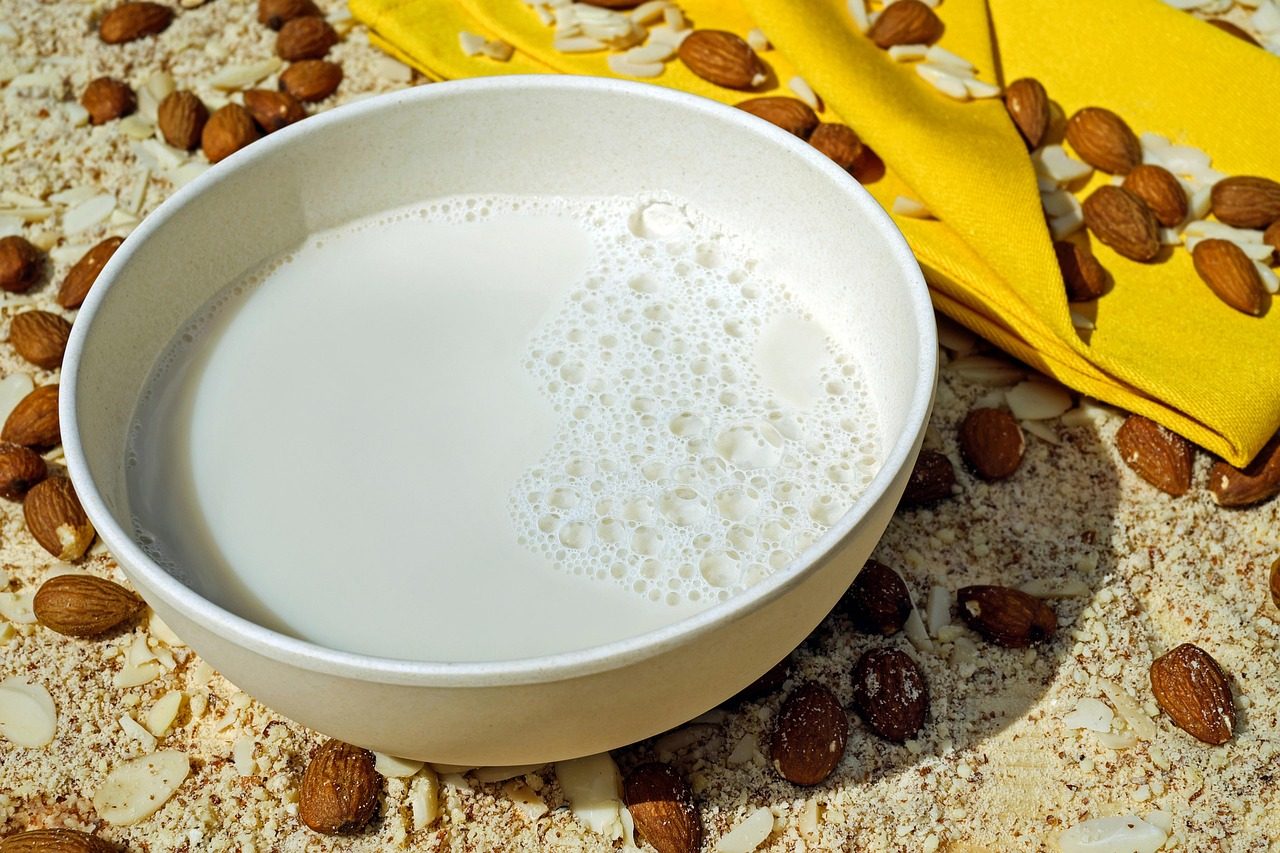
If you have a half-used carton of almond milk sitting in the fridge or a smoothie you blended ahead of time, you have probably wondered whether the freezer can buy you more time. The good news is that freezing almond milk — and smoothies made with it — is completely safe and practical when you know what to expect.
The catch is that almond milk behaves differently from dairy milk in the freezer. It is essentially almonds and water blended into a slurry, strained of large solids. Because the almond particles and water are not chemically bonded, they tend to separate when frozen. That separation changes the texture, but it does not ruin the milk — and it definitely does not have to ruin your smoothies.
This guide walks you through everything: what freezing actually does to your almond milk smoothies, how to freeze them the right way, how long they last, how to thaw them, and the best ways to use them once they come out of the freezer.
Can You Freeze Almond Milk Smoothies?
Yes, you can freeze smoothies made with almond milk. Frozen smoothies are still nutritious and healthy. However, the flavor and texture after defrosting can depend on different factors. The almond milk component is the main reason smoothies change consistency once thawed — but this is manageable with the right approach.
You can absolutely freeze smoothies made with almond milk, as long as no ingredient in the blend cannot be frozen. However, the consistency changes when frozen almond milk is defrosted. All smoothies can become runny and a bit watery after defrosting, but this is especially true with almond milk smoothies.
The good news is that a quick re-blend solves most of the problem. Freezing is also a smart strategy for reducing food waste, since opened almond milk lasts only 7 to 10 days refrigerated. If you know you will not finish a smoothie within a day or two, freezing it is far better than pouring it down the drain. You can also explore substitutes for almond milk if you want to experiment with a base that freezes with less separation.
Does Freezing Change the Texture or Taste of Almond Milk Smoothies?
Yes — and it helps to understand why so you are not caught off guard. The freezing and defrosting process harms the texture, color, and consistency of almond milk. The water content freezes into ice crystals, disrupting the product’s structure. During freezing, the fine almond powder particles separate from the water.
Freezing can cause almond milk to become grainy or appear curdled. This change is purely cosmetic and does not affect the milk’s safety. Shaking or blending can help smooth out the texture. The same applies when almond milk is part of a blended smoothie — the whole drink may look separated and watery when you first pull it from the freezer.
Some people notice a slight change in flavor in frozen and thawed almond milk. Using thawed almond milk in cooked dishes or baked goods rather than fresh uses, such as in cereals or drinks, is advisable where the change in flavor could be more noticeable. In a smoothie packed with fruit, protein powder, or other strong flavors, any subtle taste shift is rarely detectable.
Pro Tip: The thicker your smoothie, the less noticeable the texture change after thawing. Load up on frozen banana, Greek yogurt, or nut butter before freezing to help the smoothie hold its body when re-blended.
One thing that does not change: nutrition. Freezing almond milk does not significantly alter its nutritional content. Vitamins and minerals remain largely intact, making it a reliable option for maintaining your dietary needs. So even if the texture is not perfect, you are still getting the same nutritional value from your smoothie. For more on the nutritional profile of almond milk compared to other plant-based options, see this breakdown of almond milk vs. coconut milk.
How to Freeze Almond Milk Smoothies the Right Way
The method you use makes a real difference in how well your smoothie holds up. There are two main approaches: freezing the almond milk separately in ice cube trays before blending, or freezing a fully assembled smoothie in a container.
Method 1: Freeze Almond Milk as Cubes First
Using an ice cube tray is a convenient way to freeze almond milk. You can pull as many cubes as you need for a recipe without defrosting more than necessary. A silicone ice tray with a lid works best so the cubes pop out easily and liquid does not spill before it sets.
- Shake the carton well before pouring. Mixing your milk thoroughly is important because it can separate into solids and liquids if left unshaken. This also helps prevent texture changes after thawing.
- Fill each ice cube section ¾ of the way with milk. As the milk freezes it will expand, so do not overfill the containers.
- Cover the tray with a lid or plastic wrap to prevent freezer odors from getting in.
- Once the milk ice cubes have formed, pop each cube out of the tray and transfer them to a freezer bag. Mark the date on the bag so you know how long they can be stored. You then have individual cubes you can pull from the freezer and use at will.
- When ready to make a smoothie, throw the cubes directly into your blender for a creamy, dairy-free addition to your shakes or smoothies.
Method 2: Freeze a Pre-Made Smoothie
If you have already blended your smoothie and want to freeze the whole thing, use a freezer-safe airtight container or a resealable freezer bag. Pour the almond milk smoothie into a plastic container or resealable freezer bag, leaving at least ½ inch of headspace to allow for expansion during freezing.
Use airtight containers to prevent freezer burn and maintain the quality of the smoothie. Label the container with the date and the contents so you are not guessing later. Lay bags flat in the freezer to save space and speed up the freezing process.
Pro Tip: If you batch-prep smoothies for the week, pour them into individual single-serving containers before freezing. This way you thaw only what you need without breaking into a larger portion.
How Long Can You Freeze Almond Milk Smoothies?
Storage time depends slightly on whether you froze the almond milk alone or as a finished smoothie. For the almond milk component itself, you can freeze almond milk and it retains best quality for around 6 months. However, quality does decline over time.
Frozen almond milk can be stored for up to 3 to 6 months in the freezer, but its quality is best within the first 1 to 2 months. For a pre-made smoothie, the same general window applies, though ingredients like fresh fruit or leafy greens may degrade faster than the almond milk itself. Aim to use frozen almond milk smoothies within 1 to 3 months for the best results.
| What You Froze | Maximum Freeze Time | Best Quality By |
|---|---|---|
| Almond milk (ice cubes) | Up to 6 months | 1–2 months |
| Almond milk (airtight container) | Up to 3–6 months | 1–2 months |
| Pre-made almond milk smoothie | Up to 3 months | 1 month |
Frozen almond milk is good for up to 6 months. It will not necessarily be bad after that point, but it will certainly have a less appealing texture. The sooner you use your frozen almond milk the better. Always label everything with the freeze date so you are not guessing.
How to Thaw Frozen Almond Milk Smoothies
Thawing correctly matters both for food safety and for getting the best possible texture out of your smoothie. There are three practical methods.
Refrigerator Thaw (Best Method)
The best method to thaw frozen almond milk is to place it in the refrigerator for 24 hours. This gradual thawing process helps maintain the texture and reduces the risk of bacterial growth. For a cup or two of smoothie, thaw for two to three hours; for larger amounts, allow it to thaw overnight.
Cold-Water Thaw (Faster Option)
If you are in a hurry, place the sealed container or freezer bag in a bowl of cold water. Change the water every 30 minutes until the almond milk is thawed. This method is safe and significantly faster than waiting overnight in the fridge.
Microwave Thaw (For Last-Minute Needs)
If you are in a rush, you can also microwave the almond milk in short bursts; just be careful not to overcook it. Use a microwave-safe container, heat in 20-second intervals, and stir between each burst to distribute the heat evenly.
Important Note: Never thaw almond milk smoothies at room temperature for extended periods. Thawing almond milk at room temperature can lead to uneven thawing and increase the risk of bacterial contamination.
Once thawed, always re-blend the smoothie. All smoothies can become runny and a bit watery after defrosting, but this is especially true with almond milk smoothies. Running the smoothie through a blender before consumption is recommended. You can also add a fresh handful of fruit or a splash of fresh almond milk to restore creaminess.
Can You Refreeze Almond Milk Smoothies After Thawing?
No — refreezing is not a good idea. Do not refreeze your almond milk after thawing. This will cause more ice crystals to form, which can make it even more watery or lead to unwanted flavor changes.
Once thawed, almond milk should be consumed within 3 to 5 days. Do not refreeze thawed almond milk, as this can further degrade its quality and safety. For a pre-made smoothie, aim to consume it within 1 to 2 days after thawing for the best flavor and texture.
The best way to avoid the refreezing problem altogether is to freeze your smoothies in single-serving portions from the start. That way you only thaw exactly what you need, and nothing goes to waste. If you are looking for other nutrient-dense ingredients to add to your smoothies, check out these superfoods for a healthy heart or this list of whole plant-based foods worth blending in.
How to Use Frozen Almond Milk Smoothies (Best Uses After Freezing)
Once your almond milk smoothie has been thawed and re-blended, it works well in a range of applications. The key is to use it in contexts where a slight change in texture is either masked or irrelevant.
Drink It as a Smoothie
Smoothies are, besides cooked and baked dishes, the best option to use frozen and thawed almond milk. The thicker the smoothie, the less visible the changed texture of defrosted almond milk. Re-blend with ice, a frozen banana, or a scoop of nut butter to thicken things back up.
Use the Cubes Directly in a Fresh Blend
Mix frozen almond milk cubes with regular almond milk to give your smoothies an icy cold and thick texture. This is one of the smartest uses for frozen almond milk — you skip the thawing step entirely and get a colder, creamier smoothie straight from the blender.
Baking and Cooking
Many vegan baking desserts call for almond milk or other types of dairy-free milk. This is one of the best ways to use defrosted almond milk because once it is combined with other ingredients and baked, you cannot tell the difference between fresh and defrosted.
Frozen almond milk can also be used in baked goods like muffins, pancakes, and cakes. Just remember to thaw the milk first, and then use it in place of regular milk in your recipe.
Soups, Sauces, and Curries
Curries, stir-fries, and creamy vegan sauces are all great recipes to use defrosted almond milk. Frozen almond milk can be used as a base for soups or can be added to them to thicken them up and lend them a creamy taste. Since the texture gets cooked into the dish, any graininess disappears completely.
- Smoothie bowls topped with granola and fresh fruit
- Overnight oats made with thawed almond milk
- Dairy-free pancake or waffle batter
- Vegan Alfredo or béchamel sauce
- Almond milk-based ice cream or popsicles
- Protein shakes blended with whey or plant-based powder
For more ideas on how nutrient-rich foods and drinks can support your health goals, take a look at these powerful nutrients and foods that fight cancer and these foods for healthy skin — many of which pair perfectly with an almond milk smoothie base.
Signs That Frozen Almond Milk Smoothies Have Gone Bad
Freezing extends the shelf life of your smoothie significantly, but it does not preserve it forever. Knowing what to look for helps you avoid consuming something that has turned.
| Warning Sign | What It Means | What to Do |
|---|---|---|
| Sour or off smell after thawing | Bacterial growth has occurred | Discard immediately |
| Visible mold or pink/orange discoloration | Contamination before or during freezing | Discard immediately |
| Extreme graininess that does not blend out | Severe separation from prolonged freezing | Use in baking or discard |
| Freezer burn (dry, discolored patches) | Air exposure from improper sealing | Cut affected portions; use remainder in cooking |
| Unusually slimy texture after thawing | Spoilage before freezing | Discard immediately |
Before you freeze almond milk, check the expiration date and ensure that there are no signs of spoilage. Freezing will not revive milk that has already gone bad. The same rule applies to any smoothie ingredients — if the banana was overripe and fermenting before it went into the blender, no amount of freezing will fix that.
Improper storage can lead to freezer burn or the absorption of odors from other foods stored in the freezer. Always use airtight containers or well-sealed freezer bags, and store your smoothies away from strong-smelling foods like onions or fish.
The milk might appear grainy and have a separate liquid portion after thawing — this is normal. Do a quick check for any signs of spoilage after thawing. While frozen almond milk itself usually does not go bad, consume it or use it up quickly after it has been defrosted, just like you would with regular almond milk.
Frequently Asked Questions
Can You Freeze Almond Milk in Its Original Carton?
While you can technically freeze almond milk in its original carton, it is not recommended due to expansion during freezing, which could cause the carton to burst. Always transfer to a freezer-safe container with headspace before freezing.
Does Freezing Almond Milk Destroy Its Nutrients?
No. Even if the texture and color of frozen and thawed almond milk changes, its nutritional content stays almost the same. You will still get the same vitamins and minerals from your smoothie after thawing. For a deeper look at how plant-based foods support your body, see this guide on fibroid healing foods and foods that enhance liver function.
Can You Freeze Homemade Almond Milk Smoothies?
You can freeze homemade almond milk. It is not as easy as store-bought because store-bought almond milk has stabilizers. Homemade almond milk will separate more dramatically in the freezer, so blending after thawing is even more important. The flavor and nutrition are otherwise preserved.
How Long Does Thawed Almond Milk Last in the Fridge?
Once the almond milk is thawed, it is best to use it within 3 to 5 days. Keep it refrigerated the entire time and give it a good shake or stir before each use, as it will continue to separate as it sits.
Can You Add Frozen Almond Milk Cubes Directly to a Blender?
Yes — and this is actually the most convenient approach. If you are using almond milk in a smoothie, you can use it frozen, though the smoothie will need to have another liquid element. Add a splash of fresh almond milk or juice alongside the frozen cubes so the blender has enough liquid to run smoothly.
Is Separation After Thawing a Sign That the Milk Has Gone Bad?
No. When almond milk thaws after being frozen, it separates. The solids fall to the bottom while the liquids rise to the top. This is a normal physical reaction, not a sign of spoilage. Simply blend for 20 to 30 seconds to recombine, and your smoothie is ready to use. If you are curious about how almond milk compares to other dairy-free options in terms of everyday use, this almond milk vs. coconut milk comparison is worth a read.