
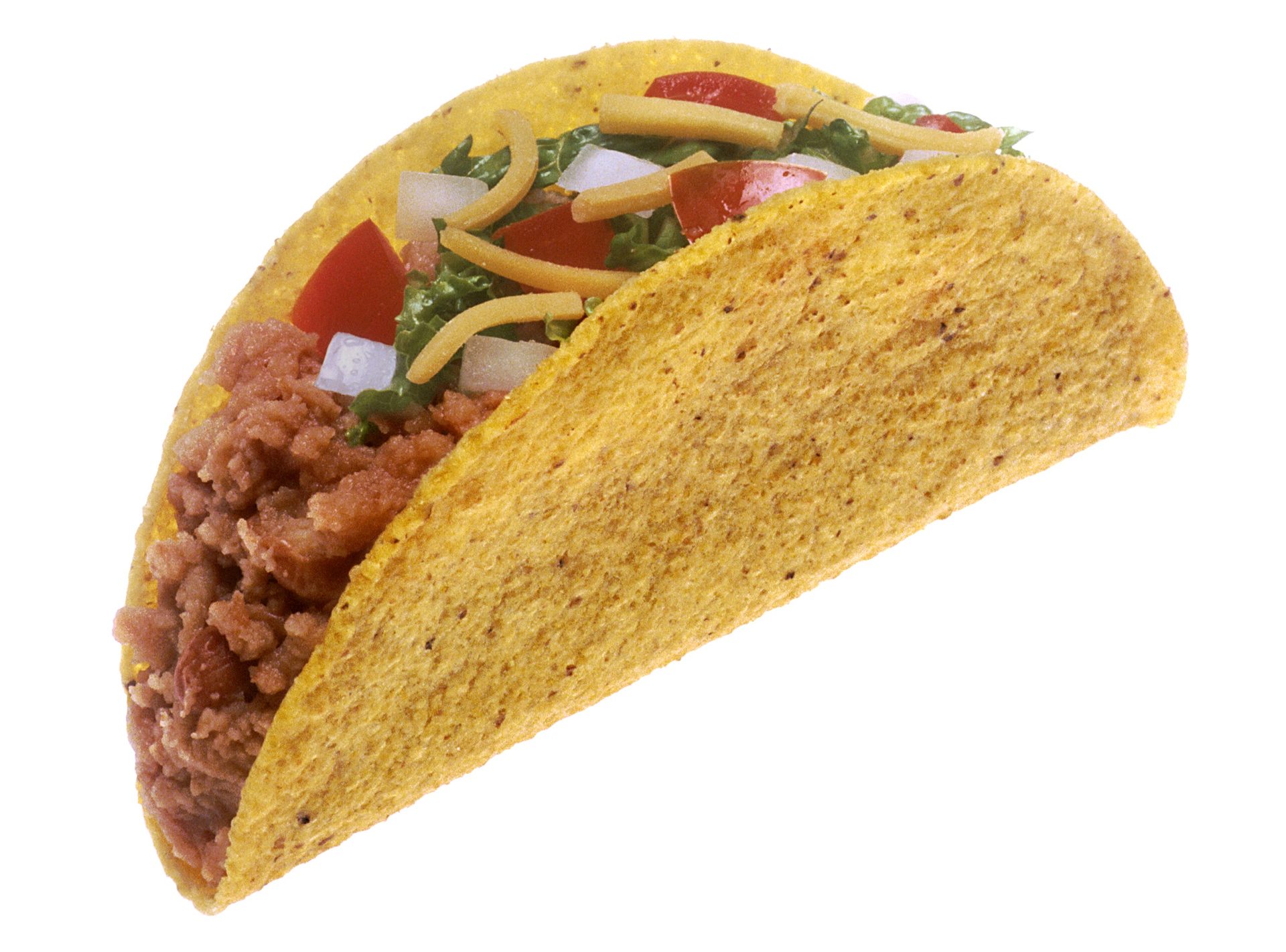
Taco night is a staple in American households, but it almost always leaves you with extra shells. Whether you bought a big box of hard shells on sale or have half a pack of flour tortillas sitting on the counter, the question comes up fast: can you freeze taco shells before they go stale?
The answer is yes — and with the right approach, frozen taco shells hold up surprisingly well. This guide covers both hard and soft shells, walks you through the freezing and thawing process step by step, and tells you exactly what to expect in terms of texture and taste.
Can You Freeze Taco Shells?
You can freeze both hard and soft taco shells. That goes for store-bought and homemade varieties alike. Freezing taco shells is a great way to extend their shelf life and ensure they remain fresh, even if you can’t use them right away.
The main thing to keep in mind is that the two shell types behave differently in the freezer. Crispy tacos, made with hard-shell taco shells, are designed to be crunchy and firm — and freezing these can be tricky because the texture can change significantly, especially if they’re filled with moist ingredients. Soft shells, on the other hand, are more forgiving and tend to bounce back well after thawing.
Freezing your taco shells will not harm their quality and taste. You can rest easy knowing that nutritional value won’t be affected by the process, since freezing does nothing other than slow down the process of bacterial growth — thus helping maintain freshness.
Pro Tip: Never freeze taco shells with fillings already inside. It is not recommended to freeze taco shells with fillings. The fillings can become soggy and the shells may not hold up well during freezing. Freeze the fillings separately and then add them to the thawed shells.
Does Freezing Change the Texture or Taste of Taco Shells?
The honest answer: it depends on the shell type and how carefully you store them. Most taco fillings freeze well, but the overall quality of the shells — especially soft or crispy ones — may be affected after freezing and reheating. Soft tortillas can become soggy, and crispy shells may lose their crunch unless they’re carefully assembled and stored.
For soft shells (flour or corn tortillas), the texture change is minimal when you follow proper storage steps. Corn tortillas may crack more easily, especially if you roll them, while flour tortillas have a more flexible and forgiving texture. Flour shells in particular tend to thaw back to a pliable, usable state with little fuss.
Hard shells face a bigger challenge. Because hard taco shells are already cooked and have oils in them, it seems a bit riskier to freeze them. The biggest risk is moisture — condensation during thawing can soften the shell and rob it of its signature crunch. The good news is that a quick pass through the oven after thawing restores most of that crispiness.
If you freeze taco shells for too long, they may lose some of their flavor and texture. It’s best to use them within 2–3 months for optimal quality. As long as you stay within that window and store them properly, the difference in taste is barely noticeable.
How to Freeze Taco Shells the Right Way
The method differs slightly depending on whether you’re working with hard or soft shells. Both approaches share one rule: air is the enemy. The more air exposure, the faster freezer burn sets in.
Freezing Hard Taco Shells
Arrange the taco shells in a single layer on a baking sheet or tray. This prevents them from sticking together during the freezing process. Leave a small space between each shell to allow for even freezing.
- Make sure the shells are completely cool and unfilled.
- Freeze hard taco shells flat to prevent them from becoming misshapen.
- Wrap the entire package or individual shells tightly in plastic wrap, then place them in a heavy-duty freezer bag or airtight container.
- Package them carefully and remove as much air from the container as possible.
- Label the bag with the date before placing it in the freezer.
Freezing Soft Taco Shells
You can freeze soft taco shells to extend their shelf life significantly. To freeze them properly, stack the shells in sets of two or three and wrap them tightly in plastic wrap or aluminum foil. Afterward, place the wrapped stacks in a resealable freezer bag and remove as much air as possible before sealing.
- Let warm or freshly made shells cool completely before freezing.
- Place a piece of parchment paper between each taco shell to prevent them from sticking together.
- Wrap the stack tightly in plastic wrap or aluminum foil.
- Place the wrapped stack into a zip-top freezer bag, press out excess air, and seal.
- Write the date on the bag and store it flat in the freezer.
Pro Tip: Store flat in the freezer so that the tortillas aren’t bunched up or folded over onto themselves. This keeps the shells from cracking or warping before you even get a chance to use them.
How Long Can You Freeze Taco Shells?
Storage time varies between hard and soft shells, but both types hold up well for at least a couple of months when packaged correctly.
| Shell Type | Best Quality Window | Maximum Freezer Life |
|---|---|---|
| Hard taco shells (store-bought) | Up to 1 month | Up to 3 months |
| Soft shells / flour tortillas | 2–3 months | 6–8 months |
| Corn tortillas | 2–3 months | 6–8 months |
| Homemade taco shells | 2–3 months | Up to 3 months |
Frozen hard taco shells can generally be stored for up to 3 months without a significant loss in quality. However, it’s always recommended to consume them within the first month for the best taste and texture.
For soft shells, when stored properly in the freezer, tortillas can last for up to 6–8 months. As with any frozen food, it’s important to make sure they’re stored correctly in an airtight container such as a zip-top bag.
If you want to learn more about smart food storage and how certain foods interact with your health, check out this guide on whole plant-based foods — many of which pair perfectly with taco fillings.
How to Thaw Frozen Taco Shells
Thawing is where most people go wrong. Rushing the process — especially with hard shells — leads to condensation, which is the main culprit behind soggy results.
Thawing Hard Shells
The safest and most recommended method is refrigerator thawing. Simply transfer the frozen taco shells to the refrigerator and allow them to thaw overnight. Once thawed, a quick oven reheat restores the crunch.
If you need them faster, remove the desired number of taco shells from the freezer and let them thaw at room temperature for about 10–15 minutes. Avoid the microwave for hard shells — microwave thawing is not recommended for hard taco shells as it can make them soggy.
Thawing Soft Shells
Move them to the fridge overnight for a slow, even thaw. Or, if you’re in a rush, let them sit at room temperature for 20–30 minutes. If they’re still not fully thawed, you can gently defrost them in the microwave for a few seconds until soft and pliable.
For corn tortillas specifically, the process is even faster. After just 5 minutes on the counter, corn tortillas can be completely thawed with great quality and texture.
Reheating After Thawing
For hard taco shells, preheat your oven to 350°F (175°C). Place the thawed hard taco shells on a baking sheet and bake for 5–7 minutes, or until crispy.
For soft taco shells, you can reheat them in the microwave for a few seconds, or warm them in a skillet over low heat. The skillet method tends to give a slightly better texture, especially for corn tortillas.
Can You Refreeze Taco Shells After Thawing?
This is a firm no. It is not recommended to refreeze taco shells once they have been thawed. Refreezing can affect the texture and taste of the shells.
Repeated freezing and thawing should be avoided to prevent bacterial growth and quality degradation. Once shells come out of the freezer, plan to use them within a day or two.
The best way to avoid this situation is to freeze your shells in small, portioned batches. Freezing in small 5–6 count packs makes for easy portioning — you only pull out what you need, and nothing goes to waste. This approach also protects the shells you haven’t thawed yet, since they stay sealed and undisturbed in the freezer.
Important Note: Don’t overcrowd the freezer container, as this can affect the thawing process. Give each portion room to freeze evenly, and keep them away from items that might crush or crack the shells.
How to Use Frozen Taco Shells (Best Uses After Freezing)
Once your shells are thawed and reheated, they work in almost every application you’d use fresh shells for. The key is matching the shell’s post-freeze condition to the right dish.
Hard Shells After Freezing
Hard shells that have been properly frozen and oven-crisped are great for classic beef or chicken tacos. Preheat your oven to 350°F and toast the shells for 4–5 minutes to crisp them up, then spoon the cooked filling into warm, hard shell taco shells. They also work well as a base for taco salads — just break them up into the bowl.
Soft Shells After Freezing
You can use defrosted tortillas for pretty much anything you would normally use tortillas for. White and whole wheat tortillas can be used to make lunch wraps, quesadillas, soft shell tacos, fajitas, enchiladas, burritos, and more. Corn tortillas can be used to make tacos, taquitos, and homemade tortilla chips.
If your corn tortillas came out of the freezer a little drier than expected, they’re still perfectly suited for dishes where they’ll absorb moisture — like enchiladas or chicken tortilla soup. If you have a lot of small broken tortilla pieces, try making Chicken Tortilla Soup. Nothing goes to waste.
For more ideas on building nutritious, flavorful meals, take a look at these foods for healthy skin and this roundup of superfoods for a healthy heart — both pair well with the lean proteins and fresh vegetables that make great taco fillings.
Signs That Frozen Taco Shells Have Gone Bad
Even properly frozen shells can go off if they’ve been in the freezer too long or weren’t sealed well. Here’s what to look for before you use them.
- Freezer burn: Dry, discolored patches are a sign of freezer burn, along with texture changes upon thawing — such as a more brittle, crumbly, or gummy feel.
- Off smell: Loss of crispness, becoming soft or chewy, stale taste, and a greasy or rancid smell (if the oils used in frying have gone bad) are all warning signs. Feel the shell for crispness — it should snap easily. Smell for any off-odors, particularly a chemical or old oil smell. If it tastes stale, it’s past its prime.
- Mold: Visible mold — green, white, or black fuzzy spots — along with a sour or yeasty off-smell, excessively dry or hard texture, or a slimy or sticky surface are all signs to discard the shells.
- Discoloration: Discoloration may indicate that the shells have been exposed to moisture or have aged beyond their prime.
When in doubt, trust your senses. Always rely on your visual appearance, smell, and texture to determine if the shells are still good to use. If something seems off, it’s safer to discard them than to risk a bad meal.
Proper food storage is a bigger topic than just taco shells. If you’re thinking about your pantry and kitchen habits more broadly, this article on foods you need to avoid and this one covering foods that support liver function are worth a read.
Frequently Asked Questions
Can You Freeze Store-Bought Taco Shells?
Yes, you can freeze store-bought taco shells. Just follow the same freezing and thawing guidelines outlined above. If the package is still sealed, you can place the whole thing directly in the freezer — just add it to a zip-top bag for extra protection against freezer burn.
Can You Freeze Homemade Taco Shells?
Yes, you can also freeze homemade taco shells. Just make sure they are fully cooled before freezing. Homemade shells tend to have a shorter freezer life than store-bought ones since they lack preservatives, so aim to use them within two to three months for the best results.
How Do You Keep Hard Shells Crispy After Freezing?
The oven is your best tool here. Preheat your oven to 350°F and toast the shells for 4–5 minutes to crisp them up. Avoid the microwave, which tends to steam the shells rather than crisp them. Avoid overheating the shells, as they may become too brittle or lose their crispiness.
Is It Better to Freeze Shells or Just Keep Them in the Pantry?
Different methods like room temperature, refrigeration, and freezing each have their own pros and cons, but freezing is the best option for preserving the freshness and crispiness of taco shells for a long time. If you plan to use the shells within a week or two, the pantry is fine. Beyond that, the freezer is the smarter call.
Can You Freeze Taco Shells With Cheese?
Yes, you can freeze tacos with cheese, but keep in mind that the cheese may become slightly rubbery upon thawing. For the best result, freeze the shells plain and add cheese fresh when you reheat and assemble.
What’s the Best Way to Portion Shells for Freezing?
Small batches work best. Freeze shells in groups of four to six so you only thaw what you need for a single meal. Place a piece of parchment paper between each taco shell to prevent them from sticking together, then wrap the batch tightly before bagging. This setup makes weeknight taco assembly fast and easy.
Taco shells are just one piece of the larger food storage puzzle. If you’re exploring more ways to eat well and reduce waste, check out this guide to powerful nutrients and cancer-fighting foods, or browse ideas for traditional Greek foods and traditional Pakistani food for global meal inspiration that pairs well with your freezer staples.