Can You Freeze Peppers and Onions Together? (Yes — Here’s How)

October 27, 2026
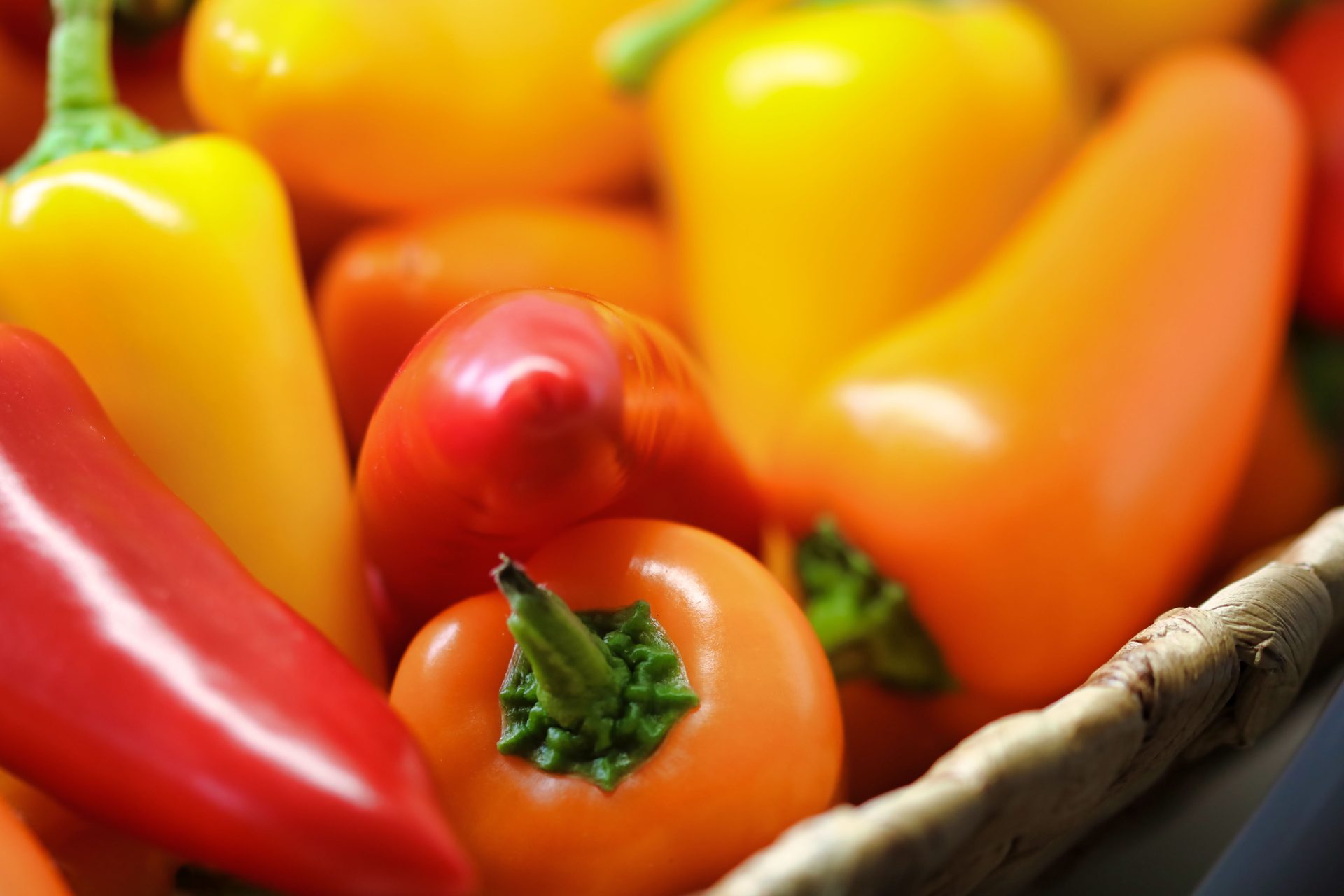
Peppers and onions are two of the most-used vegetables in American home cooking — and they also happen to freeze beautifully together. Whether you bought too many at the farmers market, stocked up on a sale at the grocery store, or just want to get ahead on weeknight meal prep, freezing them as a combo is one of the smartest things you can do in the kitchen.
The short answer is yes — you can absolutely freeze peppers and onions together. The process requires no blanching, no special equipment, and very little hands-on time. What you get in return is a ready-to-cook mix that works in fajitas, stir-fries, soups, omelets, and dozens of other dishes. This guide covers everything you need to know, from prep to storage to spotting spoilage.
Can You Freeze Peppers and Onions Together?
Yes, and it makes a lot of practical sense to do so. Many recipes call for onions and peppers in the same dish — stir-fries, fajitas, and pasta sauces, for example — so freezing them together in the right ratio saves time because you can grab the perfect mix straight from the freezer.
Preparing peppers and onions for the freezer is easy because they do not need to be blanched before freezing. Bell peppers, celery, and onions are among the few exceptions for which blanching is not necessary before freezing. That means you skip the boiling water step entirely and go straight from cutting board to freezer.
You have two main options: freeze them separately and combine them after, or flash-freeze them together on the same baking sheet. Keeping them in separate bags can be helpful if you just plan on grabbing what you need — like if you only need onions for a recipe, or just onions and bell peppers for an omelet. Freezing them pre-mixed is the better move when you know you’ll always use them as a pair.
Pro Tip: Freeze your peppers and onions in the ratio you actually cook with. If your go-to fajita recipe uses 2 peppers to 1 onion, portion them that way before freezing so each bag is a ready-to-use meal kit.
Does Freezing Change the Texture or Taste of Peppers and Onions?
Texture does change — but flavor holds up well. Both onions and peppers are made up of a large percentage of water. When frozen, the water crystallizes and expands, slightly breaking down the cell walls. While this can soften the texture after thawing, it does not reduce their flavor or nutritional value.
Frozen onions will thaw out a bit softer than fresh. They may not work for fresh green salads but will be recipe-ready for things like soup, stew, casseroles, chili, and scrambled eggs. The same applies to peppers — they would be a little mushy if eaten thawed and raw, but when cooked, you cannot tell the difference between using fresh or frozen peppers.
Freezing fruits and vegetables at their peak actually preserves their nutrients. Frozen onions will have the same vitamins and minerals as fresh onions. So while the crunch is gone after freezing, the nutritional value and flavor you’re cooking for are still there. If you’re interested in how nutrient-dense vegetables support your overall health, take a look at these powerful nutrients and foods with health-protective properties.
How to Freeze Peppers and Onions the Right Way
The flash-freeze method is the standard approach, and it takes most of the guesswork out of the process. Start by choosing good-quality onions and peppers. You can freeze yellow onions, white onions, green onions, red onions, sweet peppers, and hot peppers. Look for firm produce without soft spots, mold, or wrinkled skin.
Here’s the step-by-step process:
- Wash and dry thoroughly. Excess water on the surface can cause ice crystals to form, leading to freezer burn. Always pat onions and peppers dry before freezing.
- Prep the peppers. Slice peppers in half, cut off the stem, and remove seeds and ribs. Then cut into strips or dice to the size you’ll use in recipes.
- Prep the onions. Peel, trim, and clean onions thoroughly. Dice into roughly ¼-inch pieces. No blanching is required.
- Flash-freeze on a baking sheet. Cover a baking sheet with parchment paper or a silicone mat. Put the onions or peppers in a single layer on the sheet, spread them out, and put the loaded baking sheet in the freezer for a couple of hours.
- Transfer to freezer bags. Freeze for 8–12 hours to ensure they will be individually frozen and not stuck together. Label zip-top freezer bags with the item and date, then add the fully frozen produce.
- Remove as much air as possible. Gently press your zip-top bag after filling to remove as much air as possible before sealing. A vacuum sealer works even better if you have one.
Pro Tip: Don’t skip the flash-freeze step. If you bag them in recipe-size portions before freezing, they tend to stick together. The sheet pan step keeps every piece separate so you can scoop out exactly what you need later.
Store the bags or containers of onions and peppers in a freezer with a temperature of 0°F or lower. This provides the best environment to maintain quality for up to a year. According to the National Center for Home Food Preservation , diced onions frozen without blanching are best used within a few months for peak quality, though they remain safe longer when stored properly.
How Long Can You Freeze Peppers and Onions?
Both should last nicely for 10–12 months — the key to getting them to last longer is to get as much air out of the bag as possible each time you seal it. The University of Nebraska extension program puts the figure at around 8 months for best quality.
A few factors affect how long they hold up:
- Freezer temperature: The ideal freezer temperature for storing frozen vegetables is 0°F (−18°C) or below. If the freezer temperature is inconsistent or too high, they can spoil faster.
- Packaging quality: Using non-airtight containers or bags allows moisture and air to penetrate, accelerating spoilage.
- Flash-freezing method: Flash freezing, which involves quickly freezing the vegetables to preserve their texture and flavor, is the best method for preserving quality.
| Storage Method | Estimated Shelf Life | Best For |
|---|---|---|
| Zip-top freezer bag (air removed) | 8–12 months | Most home cooks |
| Vacuum-sealed bag | Up to 12 months | Longer storage, minimal freezer burn |
| Airtight freezer container | 8–10 months | Rigid storage, stackable |
| Ice cube tray (then bagged) | Up to 6 months | Small-portion cooking |
How to Thaw Frozen Peppers and Onions
Here’s the thing most people get wrong: for most recipes, you don’t need to thaw them at all. Frozen bell peppers should be cooked straight from frozen. Thawing them in the fridge, on the counter, or in the microwave will turn them to mush. Just toss the frozen sliced peppers right into a skillet — they cook up just as quickly as when they are fresh.
There is no need to thaw the onions, bell peppers, or celery. You just take the bags out of the freezer, use the amount that you need, and add them right to the recipe. This is especially convenient for soups, stews, and stir-fries where you’re building flavor in a hot pan anyway.
If your recipe specifically requires thawed vegetables — say, a cold dip or a dish where texture matters — here are your options:
- Refrigerator thaw: Remove from the freezer and put in the refrigerator. It doesn’t take more than a couple of hours for them to thaw.
- Cold water thaw: If you’re in a hurry, drop the sealed bag or container into a bowl of cold water. Change the water every 30 minutes.
- Straight to the pan: Add directly to a hot skillet — this is the fastest method and gives the best texture for cooked dishes.
Important Note: Never thaw peppers or onions on the counter at room temperature for extended periods. Bacteria multiply rapidly between 40°F and 140°F. When in doubt, use the refrigerator or cold water method, or cook directly from frozen.
Can You Refreeze Peppers and Onions After Thawing?
Technically you can, but it comes with real quality trade-offs. It is generally not recommended to refreeze frozen onions after thawing. Refreezing can cause them to become watery and develop off-flavors. Additionally, refreezing can lead to the formation of ice crystals, which can cause them to become mushy and unpalatable.
It is safe to refreeze food only if it was thawed in the refrigerator and has not been left out at room temperature. So if you thawed a bag in the fridge overnight and only used half, you could technically refreeze the rest — but the texture will degrade noticeably.
The smarter move is to avoid the situation entirely. Large bags are convenient, but thawing and refreezing portions can ruin texture. Always portion into smaller bags for long-term storage. Portioning into single-meal bags before you freeze means you only ever pull out exactly what you need. Good food storage habits also connect to broader health goals — learn how certain foods can support your liver function when you’re eating well consistently.
How to Use Frozen Peppers and Onions (Best Uses After Freezing)
Frozen peppers and onions shine in any recipe where they’ll be cooked down. For the best results, use them in stews, soups, beans, or recipes that will cook the vegetables down. Adding them to any recipe that calls for fresh ingredients like a salad is not recommended.
Here are the best uses across American home cooking:
- Fajitas and tacos: Add a big handful of frozen pepper slices and onions to a skillet for chicken fajitas or ground beef taco filling.
- Breakfast hash and omelets: Frozen peppers and onions can be used in a breakfast hash or cooked with steak slices or chicken cutlets for an easy dinner.
- Soups and chili: Drop them straight into a slow cooker or pot — they cook down perfectly in white chicken chili, beef chili, or vegetable soup.
- Pasta dishes: Add frozen peppers right to the skillet in sausage pasta, creamy tomato sauce pasta, or similar dishes.
- Pizza topping: Frozen bell pepper slices work well as a pizza topping — a convenient ingredient to always have on hand.
- Stir-fries and rice dishes: Toss them straight from the freezer into a hot wok or skillet with your protein of choice.
- Meatloaf and casseroles: Diced frozen onions and peppers fold right into ground meat or casserole bases without any pre-thawing.
If you’re building a habit of cooking with more whole, minimally processed foods, whole plant-based foods pair well with your frozen veggie stash. You might also find that peppers and onions complement heart-healthy superfoods in many of the same cooked dishes.
Signs That Frozen Peppers and Onions Have Gone Bad
Frozen vegetables don’t spoil the same way fresh ones do, but they can still degrade in quality — and in some cases, they should be discarded. Here’s what to look for before you cook with them:
- Freezer burn: Freezer burn occurs when air reaches the food’s surface, causing dehydration and oxidation. It appears as dry, grayish-brown spots. Mildly freezer-burned vegetables are still safe to eat but will taste bland or off.
- Unusual color: Check the color of the onions and peppers. If they have turned grayish or developed an unusual color, it may be a sign of spoilage. Some frozen vegetables may develop a slight discoloration due to the freezing process, but this is usually not a cause for concern.
- Sliminess or mold: When checking frozen vegetables for spoilage, look for visible signs such as mold, sliminess, or a soft and mushy texture. If you notice any of these signs, it’s best to err on the side of caution and discard them.
- Off smell: Onions have a strong natural odor, but once thawed, they should smell like fresh onions. A sour, fermented, or rancid smell is a sign to throw them out.
- Temperature fluctuation damage: Frequent opening of the freezer or power outages can cause thawing and refreezing, which promotes spoilage. If your freezer lost power for an extended period, inspect everything carefully before using.
Pro Tip: Always label your bags with the date you froze them. Label containers or bags with the date and contents. This helps you keep track of how long the vegetables have been stored and ensures you use the oldest ones first.
Maintaining good food quality habits — including proper freezer storage — is one of the simplest ways to reduce waste and keep your meals nutritious. If you’re curious about other ways to get more out of your produce, check out our guide to healing foods and how everyday vegetables contribute to a balanced diet.
Frequently Asked Questions
Can you freeze raw peppers and onions without blanching?
Yes. Bell peppers, celery, and onions are exceptions for which blanching is not necessary before freezing. Just wash, dry, cut, flash-freeze on a sheet pan, and bag them up.
Can you freeze cooked peppers and onions?
Freeze cooked peppers and onions the same way you would raw ones. Let them cool down after cooking, lay them in a single layer on a parchment-lined baking sheet, and freeze for 8–12 hours before placing them in a zip-top bag for long-term storage.
Do frozen peppers and onions get mushy?
Frozen green peppers and onions won’t have the same crunch as fresh ones when eaten raw. They’re best for cooking, not salads or raw dishes. In cooked applications, the texture difference is barely noticeable.
Can you freeze different types of peppers and onions together?
You can mix green, red, orange, yellow, and even purple bell peppers in the same bag. You can also separate onions by type — red in one bag, white in another — or mix them all together. Just avoid combining peppers or onions with high-moisture vegetables like tomatoes or cucumbers in the same bag, as those don’t freeze as well.
Will frozen onions make my freezer smell?
The onion odor stays under lock-and-key in a thick freezer-safe zip-top food storage bag or other airtight food storage container. Double-bagging is an extra precaution if you’re storing a large batch.
Can I freeze the fajita mix from a restaurant or store?
Yes. Pre-seasoned or store-bought pepper and onion mixes can be frozen using the same method. Make sure they’re fully cooled first if they’ve been cooked, then flash-freeze and bag them. They’re great to have ready for quick weeknight meals — and if you enjoy exploring bold flavors, you might also enjoy reading about traditional Greek foods or German foods that also make heavy use of sautéed onions and peppers.