Can You Freeze Shredded Cabbage and Carrots? (What You Need to Know)

October 27, 2026
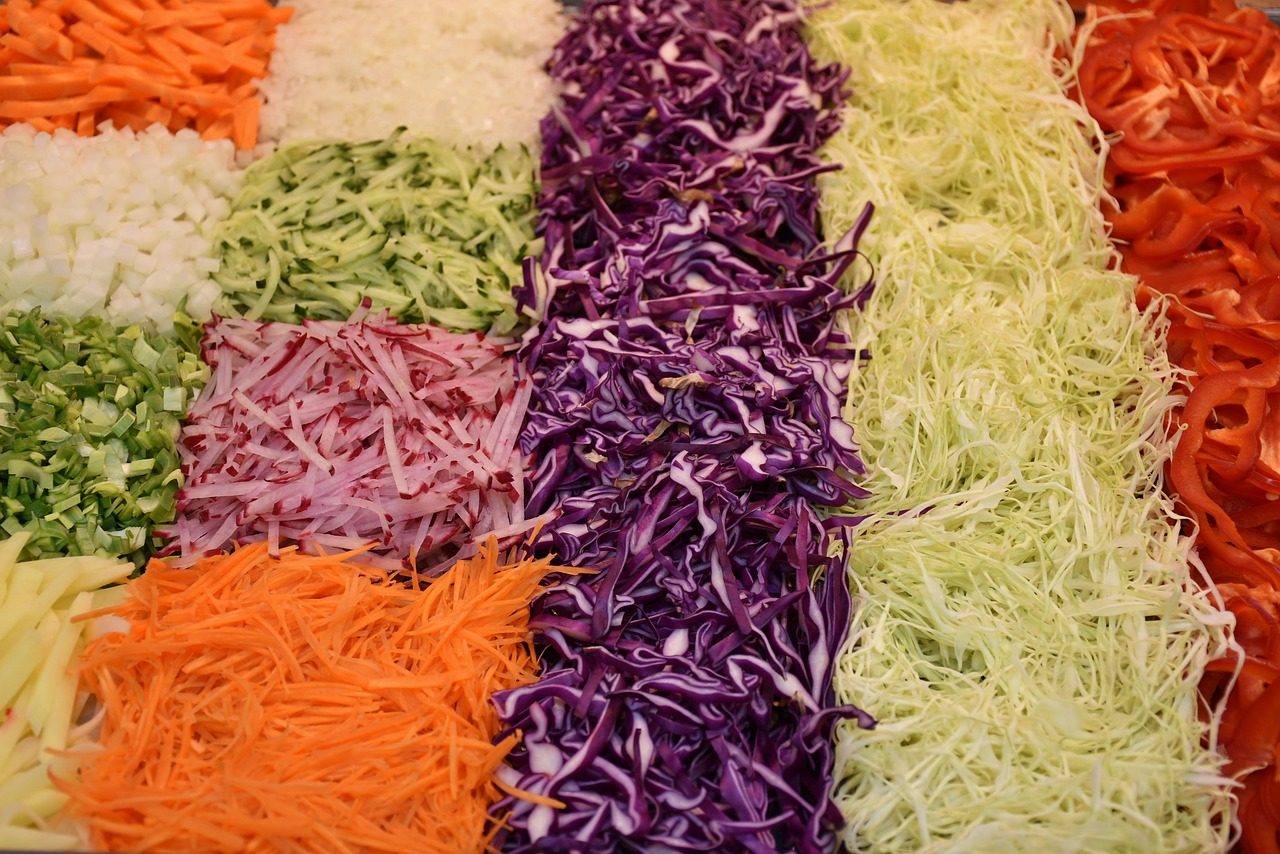
Shredded cabbage and carrots are two of the most useful vegetables to keep on hand, but they don’t last long once they’ve been cut. If you’ve ever bought a bag of coleslaw mix only to use half of it, or shredded a fresh head of cabbage for one recipe and wondered what to do with the rest, freezing is a practical solution worth knowing.
The short answer is yes — you can freeze shredded cabbage and carrots. But how you prepare them before they go into the freezer makes a real difference in what you get back out. This guide walks you through everything: texture changes, the right prep steps, storage times, thawing methods, and the best ways to cook with them after freezing.
Can You Freeze Shredded Cabbage and Carrots?
Yes, you can freeze shredded cabbage and carrots, but expect a change in texture. While freezing preserves the nutrients and extends their shelf life significantly, both vegetables become softer upon thawing due to their high water content. That said, the change doesn’t make them unusable — it just means you need to use them in the right dishes.
You can also freeze shredded cabbage with other ingredients, such as onions or carrots, but it’s important to follow some guidelines to ensure the mixture freezes well and retains its flavor and texture. Freezing them together as a coleslaw-style mix is a popular approach for home cooks who batch-prep for soups and stir-fries.
Freezing preserves most of the nutrients in cabbage and carrots. While some water-soluble vitamins like vitamin C may be slightly reduced, the overall nutritional value remains high. Blanching also helps to retain nutrients. Cabbage is a good source of vitamins C and K, and carrots contribute beta-carotene — both hold up reasonably well through the freezing process. If you’re interested in how these vegetables fit into a broader healthy diet, see this overview of superfoods for a healthy heart.
Pro Tip: Never freeze pre-made coleslaw with dressing. The mayonnaise-based dressing will separate and become watery, and the vegetables will turn unpleasantly soft. Freeze the shredded mix plain, then dress it fresh after thawing if needed.
Does Freezing Change the Texture or Taste of Shredded Cabbage and Carrots?
Freezing fundamentally alters the cellular structure of vegetables. As water inside the cells freezes, it expands, forming ice crystals that rupture the cell walls. This structural damage leads to a loss of turgor pressure, resulting in a softer, less crisp texture after thawing.
Frozen carrots can end up a bit rubbery due to moisture loss from the freezing process. For this reason, frozen carrots are not recommended for recipes where their crisp texture shines, like crudité and dip. The same logic applies to cabbage — if you’re wondering whether you can freeze cabbage for coleslaw, the answer is no. You can try to thaw frozen cabbage in the fridge and then use it in raw preparations like slaws and salads, but defrosted cabbage gets too soggy and doesn’t have the same crunchy texture you want in a coleslaw.
This textural change doesn’t render them unusable; instead, it affects their suitability for certain applications. Frozen shredded cabbage and carrots work well in soups, stews, stir-fries, casseroles, and baked goods — any dish where the texture softens during cooking anyway. For ideas on nutrient-dense cooking with vegetables like these, the guide on whole plant-based foods is worth a look.
| Characteristic | Before Freezing | After Thawing |
|---|---|---|
| Texture | Crisp, firm | Softer, slightly limp |
| Flavor | Fresh, bright | Mild, mostly retained |
| Nutrients | Full profile | Slightly reduced vitamin C; most nutrients intact |
| Best use | Raw salads, fresh coleslaw | Soups, stews, stir-fries, casseroles |
How to Freeze Shredded Cabbage and Carrots the Right Way
Proper prep before freezing is the single biggest factor in the quality you get back. The two main approaches are blanching first (recommended for longer storage) or flash-freezing raw (faster, better for short-term use).
Method 1: Blanch Before Freezing (Best for Long-Term Storage)
Blanching is recommended as it helps maintain vibrant color and flavor while freezing. Blanching also stops enzyme activity that can lead to the breakdown of the cabbage over time. The USDA Food Safety and Inspection Service confirms that enzyme activity does not halt in the freezer — it only slows down — which is why blanching matters for quality preservation.
- Prep the vegetables. Remove any damaged or wilted outer leaves, wash under cold running water, and pat dry. Peel and trim your carrots.
- Shred. Use a box grater, mandoline, or food processor. Keep shreds uniform so they blanch evenly.
- Blanch separately. Blanch shredded cabbage for approximately 1–2 minutes and shredded carrots for approximately 2 minutes. Blanching deactivates enzymes that can cause deterioration, resulting in better quality upon thawing.
- Ice bath. Immediately transfer the vegetables to an ice bath to stop the cooking process. Once cooled, thoroughly drain and dry them.
- Dry thoroughly. Excess moisture contributes to ice crystal formation and further textural degradation. Pat them dry with paper towels or spread them out on a clean kitchen towel to air dry for a short period.
- Flash freeze. To prevent the cabbage from freezing together in a solid block, spread it out in a single layer on a baking sheet lined with parchment paper and place it in the freezer. Place the baking sheet in the freezer somewhere it can lie flat for 1 to 2 hours until frozen solid.
- Pack and seal. Once frozen, transfer the shredded cabbage to your chosen storage containers or bags, removing as much air as possible before sealing to prevent freezer burn.
- Label. Write the contents and date on each bag before storing.
Method 2: Raw Freeze (Quick Option for Short-Term Use)
Blanching shredded carrots can turn them into a soggy mass; freezing them raw keeps them more manageable. If you plan to use the carrots within a few weeks, the effort of blanching isn’t necessary. For cabbage, if you freeze raw cabbage without blanching, use it within one month. Follow the same drying, flash-freezing, and airtight-packing steps above — just skip the boiling water and ice bath.
Pro Tip: Freeze in portion sizes you’ll actually use in one go. Freeze in portion sizes that you’ll use at one time to avoid repeated thawing and refreezing. One-cup or two-cup bags work well for most soup and stir-fry recipes.
How Long Can You Freeze Shredded Cabbage and Carrots?
When properly prepared and stored, shredded cabbage and carrots can be kept in the freezer for 8–12 months. After this time, they are still safe to eat, but the quality — flavor and texture — may decline.
When stored at 0°F or below, frozen cabbage can retain its quality for about 8 to 12 months. For the best taste and texture, it’s recommended to use it within 6 to 9 months. The University of Minnesota Extension recommends using frozen fruits and vegetables within 8 to 12 months for best quality, noting that food stored longer will still be safe to eat but may show changes in flavor, color, and texture.
For raw-frozen (unblanched) shredded cabbage and carrots, aim to use them within 1–2 months. Unblanched vegetables will deteriorate more quickly in the freezer, resulting in a loss of color, flavor, and nutrients. The texture will also be significantly worse upon thawing.
| Storage Method | Recommended Use-By | Maximum Safe Storage |
|---|---|---|
| Blanched, airtight bag/container | 6–9 months (best quality) | 8–12 months |
| Raw (unblanched), airtight bag | 1–2 months | Up to 3 months |
| Cooked shredded cabbage/carrots | 2–3 months | Up to 9 months |
How to Thaw Frozen Shredded Cabbage and Carrots
How you thaw matters almost as much as how you freeze. The wrong method can make an already-soft vegetable turn mushy or, worse, unsafe to eat.
The best way to thaw is in the refrigerator overnight. Ideally, defrost fully in the fridge and use within 24 hours. This slow method preserves the most texture and keeps the vegetables at a safe temperature throughout.
For cooked dishes, you often don’t need to thaw at all. Frozen cabbage works best when used in cooked cabbage recipes. You can add it to soups, stir-fries, and casseroles directly from the freezer — no need to thaw. The same applies to shredded carrots: in most cases, you do not need to thaw raw frozen carrots. Thawing them before cooking can actually make them mushier.
Important Note: Never thaw food at room temperature, such as on the counter. Food must be kept at a safe temperature during thawing, according to the U.S. Food and Drug Administration. Leaving vegetables out on the counter creates conditions for bacterial growth.
If you need to thaw quickly, submerge the sealed bag in a bowl of cold water, changing the water every 30 minutes. Microwave defrost is also an option for cabbage, but use a low setting and check frequently to avoid partially cooking it.
Can You Refreeze Shredded Cabbage and Carrots After Thawing?
This is one of the most common questions about frozen vegetables, and the answer depends on how you thawed them.
Once food is thawed in the refrigerator, it is safe to refreeze it without cooking, although there may be a loss of quality due to the moisture lost through thawing, according to the USDA Food Safety and Inspection Service. However, the quality trade-off is real. Each time you freeze and thaw food, the ice crystals damage the cell structure further, leading to a significant decline in quality. Refreezing also increases the risk of bacterial growth.
Many vegetables are safe to refreeze. However, they lose much of their texture, flavor, and appearance even if ice crystals are present in the package. You may want to cook the thawed vegetables and eat them right away, or add them to soup or stew and freeze the soup to eat later. That’s often the most practical approach — cook a big batch of soup or stew with the thawed vegetables and freeze the finished dish instead.
Do not refreeze any foods left outside the refrigerator longer than 2 hours — or 1 hour in temperatures above 90°F. This rule applies regardless of whether the food looks or smells fine.
How to Use Frozen Shredded Cabbage and Carrots (Best Uses After Freezing)
Because of the textural changes, frozen shredded cabbage and carrots are best suited for cooked dishes where crispness is not essential. Once you know what works, you’ll find plenty of uses for a well-stocked freezer bag.
- Soups and stews: Toss them in frozen — they will soften beautifully and release natural sugars into the broth. They work great in vegetable soup, chicken soup, or beef stew.
- Stir-fries: While the texture will be softer than fresh, they can be used in stir-fries. Add them straight from the freezer over high heat to minimize sogginess.
- Casseroles: Incorporate them into casseroles for added nutrients and flavor. They blend in well with other ingredients and hold up during baking.
- Baked goods: Frozen shredded carrots are a good choice for carrot cake or muffins, as the moisture of the batter masks the texture change.
- Braised dishes: Braised cabbage, stuffed cabbage rolls, and similar slow-cooked preparations are ideal. The softened texture actually improves these dishes.
- Egg dishes: Add thawed shredded cabbage and carrots to frittatas, omelets, or egg casseroles for a quick vegetable boost.
Avoid using thawed shredded cabbage and carrots in fresh coleslaw, raw salads, or any dish where a firm, crunchy texture is expected. For recipe inspiration that leans into these vegetables, check out this guide to foods that support liver function — cabbage is among the top picks. You might also find ideas in this collection of nutrients and foods that fight cancer, where cruciferous vegetables like cabbage feature prominently.
Signs That Frozen Shredded Cabbage and Carrots Have Gone Bad
Frozen vegetables can degrade in quality over time, and in some cases they can actually spoil. Knowing what to look for helps you avoid wasting a dish — or getting sick.
Freezer burn occurs when frozen food is exposed to air, causing dehydration and oxidation. This results in a dry, leathery texture and a change in flavor. Freezer-burned vegetables are safe to eat but noticeably unpleasant. Cut away affected sections or discard the bag if most of the contents are affected.
Here are the main warning signs to check before using your frozen vegetables:
- Freezer burn: White, dry patches on the carrots happen when they are exposed to air in the freezer. The moisture evaporates, leaving behind dry spots. Similar grayish or bleached patches appear on cabbage.
- Off odor: If your frozen vegetables have an off-putting odor, discard them immediately. This indicates spoilage and could make you sick.
- Discoloration: Dark green leaves turned brown are a sign of quality loss. If carrots look gray or aren’t as bright as they should be, that’s a sign they’ve seen better days.
- Slimy texture after thawing: Mushy, soggy cabbage after thawing may have spoiled during storage. Some softness is normal, but sliminess is not.
- Ice clumping: If your vegetables are clumped together in solid ice blocks, they may have had a bad freeze or overstayed their welcome. This can also indicate partial thawing and refreezing during storage.
Important Note: A softer texture alone after thawing does not mean the vegetables have spoiled — that’s a normal result of freezing. Spoilage is indicated by smell, sliminess, visible mold, or severe discoloration. When in doubt, throw it out.
To prevent spoilage in the first place, proper packaging is vital for preventing freezer burn and preserving quality. Use airtight freezer bags or containers specifically designed for freezing. Also, freshness and quality at the time of freezing affect the condition of frozen foods. If frozen at peak quality, thawed foods emerge tasting better than foods frozen near the end of their useful life.
For a related look at freezing leafy vegetables, the article on whether you can freeze a bag of shredded lettuce covers similar principles and is worth reading alongside this guide.
Frequently Asked Questions
Can You Freeze a Bag of Store-Bought Coleslaw Mix?
You can freeze the dry shredded mix (cabbage and carrots without dressing), but you should blanch it first for best results. Freezing pre-made coleslaw is not recommended. The mayonnaise-based dressing will separate and become watery, ruining the texture and flavor. The cabbage and carrots will also become even softer and less appealing.
Can You Freeze Cooked Shredded Cabbage and Carrots?
Yes, you can freeze cooked shredded cabbage and carrots. Ensure they are cooled completely before packaging them in airtight containers or freezer bags. The texture will be further softened upon thawing, so use them in dishes where texture is not crucial. When it comes to freezing cooked cabbage, the timeframe is a bit shorter compared to raw cabbage. You can expect cooked cabbage to maintain its quality for about two to three months when stored in the freezer.
Do You Have to Blanch Shredded Cabbage and Carrots Before Freezing?
No, but it’s strongly recommended for storage beyond one month. You can freeze cabbage without blanching, but blanching is recommended as it helps maintain its color and flavor while freezing. Blanching also stops enzyme activity that can lead to the breakdown of the cabbage over time. For shredded carrots specifically, some cooks prefer raw freezing because blanching can make them overly soft — the right choice depends on how you plan to use them.
How Do You Prevent Shredded Cabbage and Carrots from Clumping in the Freezer?
Flash freezing in a single layer on a baking sheet before transferring to bags is the most reliable method. To prevent clumping, spread shredded carrots in a single layer on a baking sheet and freeze for one hour before transferring them to a bag. The same technique works for shredded cabbage. Once each piece is individually frozen, they won’t stick together in the bag.
Can You Freeze Red Cabbage the Same Way as Green Cabbage?
Yes. Red cabbage freezes using the same method as green cabbage. Blanch for 1–2 minutes, shock in ice water, dry thoroughly, flash freeze, and pack in airtight bags. Red cabbage holds its color well when blanched before freezing. It works especially well in braised dishes and hearty soups. For more ideas on traditional dishes that use cabbage in both its red and green forms, see this guide to traditional German foods, where cabbage is a staple ingredient.
How Long Does Shredded Cabbage Last in the Fridge Before Freezing?
Shredded cabbage keeps for 2 to 3 days in the fridge and should be used quickly to maintain freshness. If you know you won’t use it within that window, freeze it as soon as possible. Freshness and quality at the time of freezing affect the condition of frozen foods — if frozen at peak quality, thawed foods emerge tasting better than foods frozen near the end of their useful life. For food safety guidance on freezing and handling, the USDA FSIS freezing and food safety resource is the authoritative reference.