Can You Freeze Cooked Quinoa with Veggies? (Yes — Here’s How)

October 27, 2026
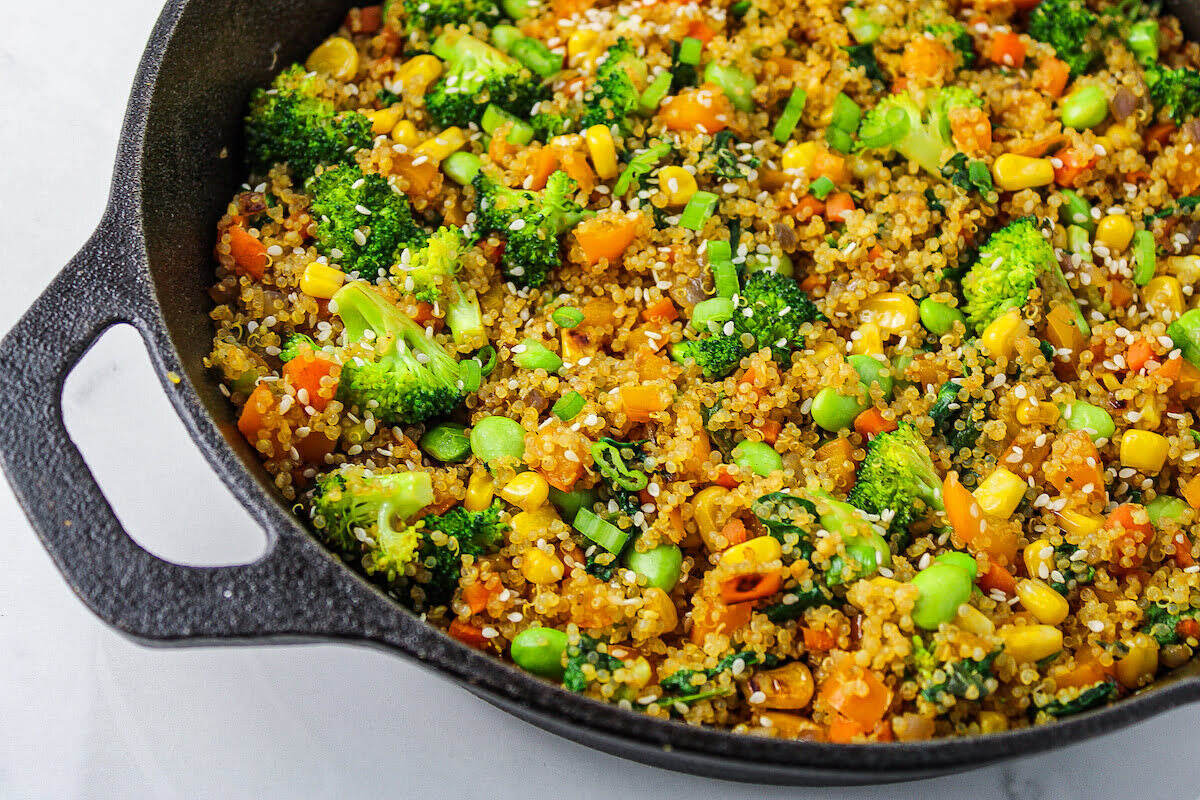
Cooked quinoa with vegetables is one of the most freezer-friendly meals you can make. Whether you batch-cooked a big pot on Sunday or have leftover roasted veggie quinoa bowls taking up fridge space, freezing is a smart, practical way to stretch your efforts across the week — or even the month.
The short answer is yes: you can freeze quinoa and vegetables, and a quinoa-and-cooked-vegetable mixture that doesn’t have a heavy sauce or dressing should freeze well. The longer answer involves a few simple techniques that make the difference between fluffy, ready-to-use quinoa and a mushy, clumped-together block. This guide walks you through every step.
Can You Freeze Cooked Quinoa with Veggies?
Yes, you can freeze quinoa mixed with vegetables — just make sure both are cooled before freezing to maintain quality. This applies whether you’re working with roasted broccoli and carrots, sautéed bell peppers, or a stir-fry blend.
There are a few caveats worth knowing before you toss everything in a bag. The type of vegetables you pair with quinoa matters quite a bit. As a rule of thumb, freezing salads made with fresh leafy salad greens and vegetables is not recommended. Tender greens like spinach and arugula will turn slimy and waterlogged after freezing. Stick to heartier cooked vegetables — think roasted sweet potatoes, steamed broccoli, sautéed zucchini, or stir-fried peppers — and you’ll get much better results.
Having cooked quinoa on hand helps you eat healthy, and quinoa is a complete protein, meaning it contains all nine essential amino acids that our bodies cannot make on their own. Pairing it with vegetables and freezing it in portions means you always have a nutritious meal base ready to go.
Pro Tip: Freeze your quinoa and vegetables plain — without dressings, sauces, or fresh herbs. Add those after reheating for the freshest possible flavor.
Does Freezing Change the Texture or Taste of Cooked Quinoa with Veggies?
Quinoa handles freezing better than most grains. Quinoa freezes with no significant texture changes at all, and it’s good to be used hot or cold after thawing — which is better than rice in this regard. That said, the outcome depends heavily on how well you freeze it in the first place.
Quinoa might become slightly softer in texture after freezing and thawing, which can make it more suitable for dishes like casseroles, stir-fries, or soups rather than using it as a standalone grain. If you want to use thawed quinoa in a cold salad, expect it to have a little more moisture than freshly cooked quinoa.
Vegetables behave differently depending on their density. Vegetables like broccoli, carrots, and peas can become mushy when thawed, so it helps to cook the ingredients until they are tender but still crisp before freezing. Slightly undercooking your veggies before freezing — especially if you plan to reheat them — gives them more structural integrity after thawing.
Freezing quinoa doesn’t significantly affect its nutrients. Because quinoa is already cooked before freezing, its protein, fiber, and most vitamins and minerals stay intact. In fact, freezing helps preserve nutritional value by halting oxidation and slowing any natural breakdown that happens over time in the fridge.
How to Freeze Cooked Quinoa with Veggies the Right Way
The process is straightforward, but skipping any one of these steps can lead to clumpy, freezer-burned, or mushy results. Follow these steps every time:
- Cool completely first. It’s important to make sure that the cooked quinoa comes to full room temperature before freezing. If you skip this step, you’ll end up with chunks of frozen quinoa that have a mushy texture when defrosted. The same rule applies to your vegetables.
- Spread on a baking sheet. To prevent the formation of ice crystals, cool the quinoa completely before freezing, then spread a thin layer on a baking sheet, ensuring the grains don’t clump together. Let it reach room temperature before moving on to the packaging step.
- Portion into serving sizes. Use a measuring cup to portion the grains into your freezer bags or containers, according to how much you typically use for your recipes. If you’re not sure, freeze them in 1-cup or 2-cup portions — this gives you versatility in how you use them.
- Remove all air before sealing. Before sealing the bags, press out as much air as possible to prevent freezer burn and ensure the quinoa stays in a thin, flat layer when freezing.
- Label each bag. Label each bag with the quantity of quinoa and the date — this makes it easier to grab exactly what you need later when you reheat it.
- Freeze flat. Lay the bags down flat in the freezer, which saves space and helps the quinoa thaw evenly.
Pro Tip: If you cook quinoa in chicken stock or vegetable broth instead of plain water, it holds onto more flavor through the freeze-thaw cycle. This works especially well when the quinoa is destined for savory dishes.
How Long Can You Freeze Cooked Quinoa with Veggies?
Storage time estimates vary across sources, but the general consensus lands in a clear range. Frozen cooked quinoa will last for up to 6 months in the freezer. Store it in tightly sealed containers or bags, with as much air as possible squeezed out, for best results and to prevent freezer burn.
Some sources push that window a bit further. If stored properly in airtight containers, frozen quinoa will keep about 6 to 8 months safely. For the best flavor and texture, plan to use your quinoa-and-veggie portions within the first 3 months.
When quinoa is mixed into a complete dish, the storage timeline shifts. The storage times for plain cooked quinoa change once you mix quinoa into a complete dish — a salad, a casserole, a stir-fry — because the shelf life then depends on the most perishable ingredient in the dish. If your mix includes cooked chicken or seafood, follow the storage guidelines for those proteins, not the quinoa.
| Storage Method | Estimated Duration | Notes |
|---|---|---|
| Refrigerator (cooked quinoa) | Up to 5–7 days | Use an airtight container |
| Freezer (plain cooked quinoa) | Up to 6–8 months | Best quality within 3 months |
| Freezer (quinoa with veggies) | Up to 6 months | Depends on most perishable ingredient |
| Freezer (quinoa with meat/seafood) | 2–4 months | Follow protein storage guidelines |
Need to ship frozen food to someone else? Properly packaged flat freezer bags of quinoa travel well when kept at temperature.
How to Thaw Frozen Cooked Quinoa with Veggies
You have several options depending on how much time you have. Each method works well when done correctly.
Refrigerator overnight (best method): The safest way to thaw quinoa is to move it from the freezer to the refrigerator and allow it to thaw gradually overnight. This slow thawing minimizes moisture loss and maintains the grain’s fluffy texture. Plan ahead and pull your bag out the night before you need it.
Warm water bath (fastest): Place the sealed freezer bag under warm running water or submerge it in a bowl of warm water. With the flat-bag method, a half-inch-thick bag thaws in about 5 minutes. This is the go-to option when you forgot to thaw overnight.
Microwave (most convenient): Place your frozen or thawed quinoa in a microwave-safe bowl and add a splash of water or broth — about 1 tablespoon per cup. This extra moisture helps the grains steam instead of dry out. Cover the bowl with a microwave-safe lid or damp paper towel to trap steam, then heat on high for 1 minute. Stir, check the temperature, and continue heating in 30-second intervals until it’s hot and fluffy.
Straight from frozen (for soups and stir-fries): One of the best things about freezing quinoa is how easily it fits into other dishes with no thawing necessary. Because the grains are small and already cooked, frozen quinoa defrosts in just a few minutes once it hits the heat.
Pro Tip: Always fluff thawed quinoa with a fork, not a spoon. A fork separates the grains without mashing them together, while a spoon tends to compress quinoa into a dense clump.
Can You Refreeze Cooked Quinoa with Veggies After Thawing?
This is one area where you should be cautious. Once you have thawed frozen quinoa, use it within a day or two and do not refreeze it. Refreezing causes ice crystals to form inside the grains, which damages the texture and results in mushy, watery quinoa when you reheat it again.
To ensure that everything is safe to eat, don’t refreeze anything that has already been frozen and thawed. Although it might be tempting to put something back in the freezer that you left out overnight to thaw and forgot to eat, don’t do it.
The best way to avoid this situation entirely is to freeze your quinoa and veggies in individual or meal-sized portions from the start. Portioning the quinoa into serving sizes before freezing makes it easier to thaw only the amount needed without repeatedly exposing the entire batch to air and temperature changes. This is especially helpful for households of one or two people.
Quinoa is just one of many foods that start with Q worth keeping stocked in your kitchen. Batch-cooking and freezing it in portions is one of the most efficient meal prep habits you can build.
How to Use Frozen Cooked Quinoa with Veggies (Best Uses After Freezing)
Thawed quinoa and veggie mixes are incredibly versatile. They work best in warm, cooked applications where a little extra moisture won’t matter. Thawed, frozen quinoa works best in hot recipes versus cold ones like salads, because defrosted quinoa sometimes has a little extra moisture and may get soggy if used in cold salads.
Here are the best ways to put your frozen stash to work:
- Soups and stews: Toss in a handful of frozen quinoa during the last 5 to 10 minutes of simmering. It will thaw, absorb the broth’s flavor, and add a gentle thickness and a protein boost — perfect for vegetable soup, chili, or minestrone.
- Grain bowls: Reheat with a splash of broth, then top with fresh avocado, a fried egg, pickled onions, or your favorite sauce. The quinoa does all the heavy lifting.
- Casseroles and skillet dishes: Mix frozen quinoa into dishes like enchilada bakes, stuffed peppers, or stir-fries near the end of cooking. The grains heat quickly and help make the dish more filling without altering the texture.
- Breakfast bowls: Add frozen quinoa straight into scrambled eggs or a breakfast skillet for extra fiber and texture — it warms up quickly and makes the meal heartier.
- Burritos and wraps: Reheat a portion, season it, and use it as a filling with black beans, salsa, and shredded cheese for a fast weeknight meal.
If you enjoy experimenting with different grains and ingredients, exploring foods that start with G or foods that start with R can give you fresh ideas for what to pair with your frozen quinoa base.
Signs That Frozen Cooked Quinoa with Veggies Has Gone Bad
Even frozen food has a limit. Before reheating a bag that’s been sitting in the freezer for a while, run through these quick checks:
- Smell: Fresh quinoa has a mild, nutty smell. When quinoa is bad, it smells sour or rotten. If anything smells off when you open the bag, discard it.
- Texture: Quinoa is likely spoiled if it feels slimy or rubbery. Excessive dryness may affect texture but doesn’t indicate spoilage.
- Appearance: Mold growth, milky residue, or changes in color are all signs that something is going bad.
- Freezer burn: Heavy freezer burn shows up as dry, grayish patches on the surface. The quinoa is still technically safe to eat, but the flavor and texture will be noticeably degraded. At that point, it’s better to discard and start fresh.
- Taste: Throw away quinoa right away if it tastes sour or bitter.
You can tell that quinoa has gone bad if it smells bad and has a change in its texture and/or aroma. This would usually be due to the presence of mold or bacteria, which may be visible. If it doesn’t look right or if it has an unpleasant smell, discard it immediately.
When in doubt, throw it out. No meal is worth a food safety risk. Proper labeling with dates — as covered in the freezing steps above — is the easiest way to avoid ever guessing how long something has been in the freezer.
You can also browse foods that start with F or foods that start with C for more freezer-friendly staples to add to your meal prep routine.
Frequently Asked Questions
Can you freeze quinoa salad with raw vegetables?
No. As a rule of thumb, freezing salads made with fresh leafy salad greens and vegetables is not recommended. The greens will wilt and turn watery. If you want to freeze a quinoa salad, use cooked or roasted vegetables only, and skip the dressing until after thawing.
Can you freeze quinoa casserole?
Casseroles that use cooked quinoa freeze well. However, it’s best to assemble the casserole and freeze it before the baking step. Pre-baked casseroles don’t defrost as cleanly.
Does freezing quinoa destroy its nutrients?
Freezing quinoa doesn’t significantly affect its nutrients. Because quinoa is already cooked before freezing, its protein, fiber, and most vitamins and minerals stay intact.
How do you reheat frozen quinoa on the stovetop?
Reheating quinoa on the stove gives you the best texture — soft, fluffy, and just like freshly cooked. Add 1 to 2 tablespoons of water or broth per cup of quinoa to bring back moisture, then cover with a lid. Warm it over medium-low heat for about 3 to 5 minutes, stirring occasionally to break up any clumps.
Can you freeze dry, uncooked quinoa?
Yes, you can. Uncooked quinoa has a long shelf life already, but keeping it in the freezer helps extend freshness even more and protects against pantry pests and moisture. Store it in a sealed jar, airtight container, or freezer-safe bag to prevent condensation. Freezing doesn’t change its cooking time or texture, and you can scoop it straight from the freezer to the pot with no thawing needed.
What vegetables freeze best with quinoa?
Roasted or steamed vegetables with low water content freeze best: broccoli, carrots, sweet potatoes, bell peppers, peas, corn, and green beans all hold up well. Avoid cucumbers, lettuce, tomatoes, and fresh herbs — these break down quickly and will make your quinoa watery.
Looking to expand your ingredient repertoire? Check out foods that start with N, foods that start with L, and foods that start with A for more ideas to incorporate into your frozen meal prep lineup.