Can You Freeze Something That Was Previously Frozen? What You Need to Know

October 26, 2026
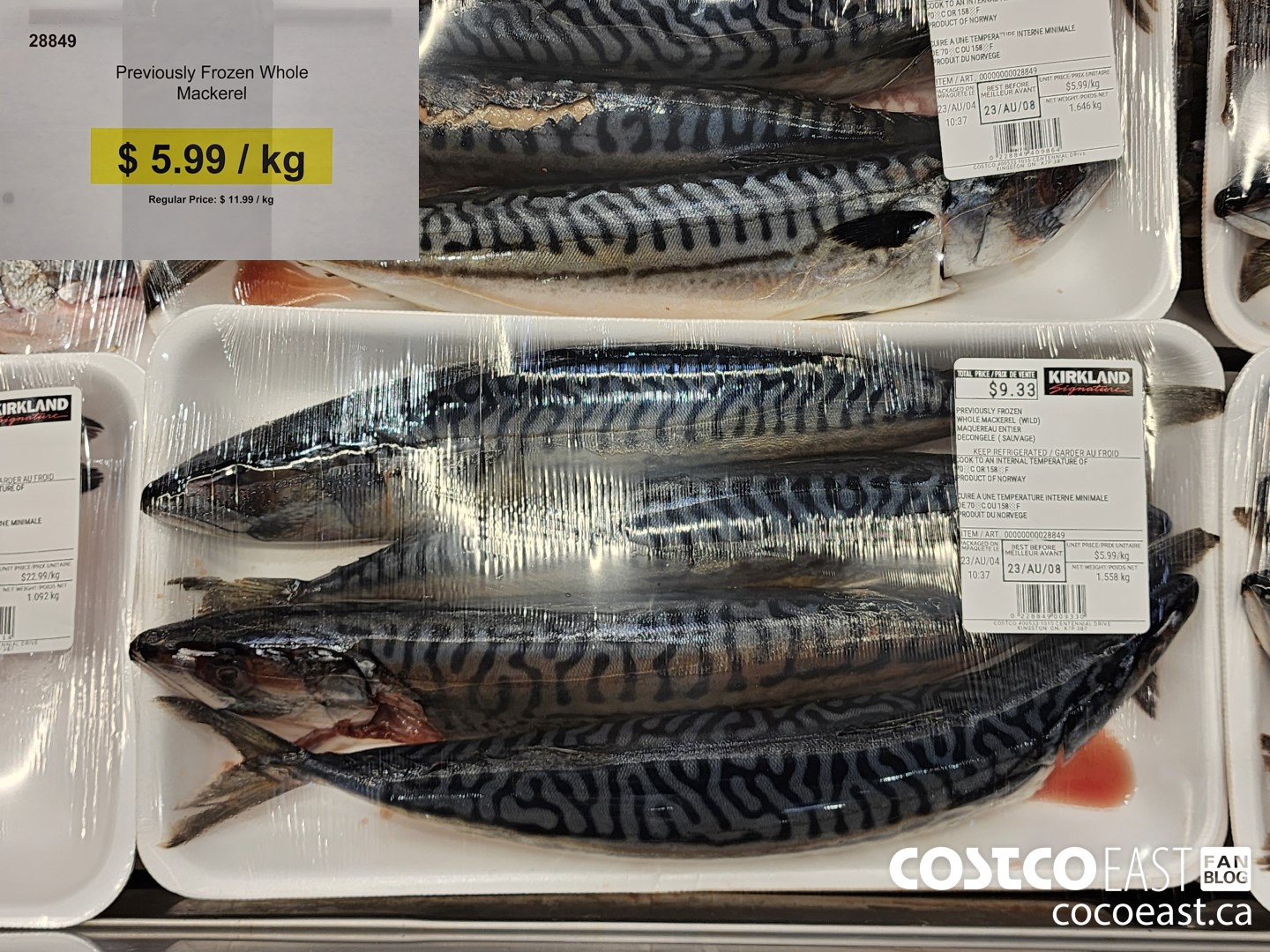
One of the most common questions in American kitchens is whether it is safe to put something back in the freezer after it has already been frozen once. Maybe you thawed a pound of ground beef and only used half, or you bought a bag of frozen shrimp at the grocery store and want to stash the rest. The short answer is yes — but how you thawed it is everything.
The rules around refreezing are grounded in food safety science, not superstition. Freezing to 0°F inactivates microbes — bacteria, yeasts, and molds — present in food. Once thawed, however, these microbes can again become active and multiply under the right conditions to levels that can lead to foodborne illness. That is why the method and temperature of thawing determines whether refreezing is safe.
This guide covers everything you need to know about freezing previously frozen food: when it is safe, how to do it properly, how long it lasts, and how to spot food that has gone bad.
Can You Freeze Previously Frozen Food?
Yes, you can freeze food that was previously frozen — with one key condition. Once food is thawed in the refrigerator, it is safe to refreeze it without cooking, although there may be a loss of quality due to the moisture lost through thawing. The refrigerator keeps food at a safe, constant temperature throughout the process, which is what makes refreezing acceptable.
The situation changes when food was thawed using other methods. Food thawed in the refrigerator can be safely refrozen without cooking, but anything thawed in cold water or a microwave should be cooked before going back into the freezer, according to the FDA.
There is also a straightforward rule for store-bought items. If you purchase previously frozen meat, poultry, or fish at a retail store, you can refreeze it if it has been handled properly and kept at 40°F or below at all times. That covers most supermarket frozen proteins that partially thaw during your drive home.
Pro Tip: Keep a small appliance thermometer inside your freezer to confirm it stays at or below 0°F. Foods stored continuously at that temperature remain safe indefinitely, even if quality declines over time.
One important rule applies across the board: do not refreeze any foods left outside the refrigerator longer than 2 hours — or 1 hour in temperatures above 90°F. If food sat on the counter to thaw, it is not safe to refreeze.
Does Freezing Change the Texture or Taste of Previously Frozen Food?
Safety and quality are two separate questions. Food can be perfectly safe to eat after multiple freeze-thaw cycles and still taste noticeably worse. Frozen food degrades over time even at safe temperatures, through enzymatic reactions, fat oxidation, and moisture loss known as freezer burn.
Texture takes the biggest hit. Proteins are particularly susceptible to quality losses from freezer burn because they rely on their moisture content for texture and tenderness. Even modest moisture loss from freezer burn significantly degrades quality. This is especially noticeable with chicken breasts, fish fillets, and lean cuts of beef.
Other food categories show their own changes. Starchy foods like cooked grains, rice, or pasta, as well as baked goods like bread or cake, usually develop a rougher texture. Grains may be coated with ice crystals, and baked goods may be dry and less voluminous. Fruits and vegetables with high water content tend to become mushy once thawed because ice crystals rupture their cell walls during freezing.
Freshness and quality at the time of freezing affect the condition of frozen foods. If frozen at peak quality, thawed foods emerge tasting better than foods frozen near the end of their useful life. The practical takeaway: freeze food as soon as you know you will not use it, rather than waiting until it is nearly past its prime.
How to Freeze Previously Frozen Food the Right Way
Refreezing food safely comes down to a few non-negotiable steps. Follow them every time and you protect both your family and the quality of the food.
- Thaw in the refrigerator only — if you want the option to refreeze without cooking first. Counter thawing, hot water, and leaving food in a warm car are not safe methods. Never thaw foods in a garage, basement, car, dishwasher, or plastic garbage bag; out on the kitchen counter, outdoors, or on the porch.
- Check the temperature — food must have stayed at 40°F or below throughout thawing. According to USDA guidelines, meat that stays at 40°F or below during the thawing process can be refrozen without needing to cook it first.
- Refreeze within the safe window — after thawing in the refrigerator, ground meat, stew meat, poultry, and seafood should remain safe for an additional day or two before cooking; red meat cuts such as beef, pork, or lamb roasts, chops, and steaks can hold for 3 to 5 days. Refreeze before that window closes.
- Use airtight packaging — proper packaging helps maintain quality and prevent freezer burn. Press out as much air as possible before sealing. Vacuum-sealed bags offer the best protection, but heavy-duty freezer bags with the air squeezed out work well for most home kitchens.
- Label every package — write the contents and the date before it goes back in. This prevents the mystery-package problem and helps you use food within its quality window.
- Freeze food as quickly as possible — freeze food as fast as possible to maintain its quality. Rapid freezing prevents undesirable large ice crystals from forming throughout the product because the molecules do not have time to form into the characteristic six-sided snowflake.
If you cooked the previously frozen food before deciding to refreeze it, you have more flexibility. After cooking raw foods that were previously frozen, it is safe to freeze the cooked foods. A thawed chicken breast that you turned into soup, for example, can absolutely go back into the freezer as a cooked dish.
Pro Tip: Portion food before refreezing so you only thaw what you need each time. Smaller portions freeze faster, thaw faster, and reduce the number of freeze-thaw cycles any single piece of food goes through.
How Long Can You Freeze Previously Frozen Food?
The good news is that the guidelines for freezer storage are for quality only — frozen foods stored continuously at 0°F (-18°C) or below can be kept indefinitely from a safety standpoint. The practical concern is quality, not safety, after a certain point.
Each time food is frozen, thawed, and refrozen, it loses a little more moisture and flavor. Use the storage times below as quality targets, not expiration dates. Food stored beyond these windows is still safe but may taste noticeably different.
| Food Category | Recommended Freezer Time (Quality) | Notes |
|---|---|---|
| Whole chicken or turkey | Up to 1 year | Quality holds well; wrap tightly |
| Chicken pieces / parts | Up to 9 months | Shorter than whole bird due to surface area |
| Ground chicken or turkey | 3–4 months | Declines faster; use sooner |
| Beef, pork, lamb roasts / steaks | 4–12 months | Lean cuts last longer than fatty ones |
| Ground beef or pork | 3–4 months | Higher surface area accelerates quality loss |
| Fatty fish (salmon, mackerel) | 2–3 months | Fat oxidizes quickly; use early |
| Lean fish (cod, tilapia) | Up to 6 months | Lower fat content slows rancidity |
| Cooked leftovers / casseroles | 3–4 months | Leftovers can be kept frozen for 3 to 4 months |
| Bread and baked goods | 2–3 months | Texture degrades with longer storage |
| Fruits and vegetables | 8–12 months | Blanch vegetables before freezing for best results |
Ground meat and fatty fish decline faster, typically within 3 to 4 months. If you are shipping or receiving frozen food, proper insulated packaging is just as important as storage time — you can find practical guidance on how to ship frozen food to keep items safe in transit.
How to Thaw Frozen Previously Frozen Food
How you thaw food directly affects whether you can safely refreeze it and how good it will taste. There are three safe ways to thaw food: in the refrigerator, in cold water, and in the microwave. Each has different implications for refreezing.
- Refrigerator thawing — the safest and most flexible method. Refrigerator thawing takes the longest, but the food stays safe the entire time. Food thawed this way can be refrozen without cooking. Plan for roughly 24 hours per 5 pounds of food.
- Cold water thawing — faster but requires attention. Place food in a leak-proof bag and submerge it in cold tap water, changing the water every 30 minutes so it continues to thaw. Food thawed this way must be cooked before refreezing.
- Microwave thawing — fastest option, but foods thawed in the microwave should be cooked before refreezing. Parts of the food may begin cooking during microwave thawing, which creates uneven temperature zones.
- Cook from frozen — always an option. When there is not enough time to thaw frozen foods, it is safe to cook foods from the frozen state. The cooking will take approximately 50% longer than the recommended time for fully thawed or fresh meat and poultry.
Perishable foods should never be thawed on the counter, in hot water, and must not be left at room temperature for more than two hours. That rule applies whether you plan to refreeze or not.
Can You Refreeze Previously Frozen Food After Thawing?
This is the question most people are really asking — and the answer depends entirely on how the food was thawed and how long it has been out.
Once food is thawed in the refrigerator, it is safe to refreeze it without cooking, although there may be a loss of quality due to the moisture lost through thawing. That applies to raw proteins, produce, and most other perishables.
For cooked leftovers, the rules are equally clear. It is safe to refreeze any food remaining after reheating previously frozen leftovers to the safe temperature of 165°F as measured with a food thermometer. If a large container of leftovers was frozen and only a portion of it is needed, it is safe to thaw the leftovers in the refrigerator, remove the needed portion, and refreeze the remainder without reheating it.
The number of times you can safely cycle through this process has a practical ceiling. While there is no absolute number, “you do not want to freeze-thaw too often.” Food safety microbiologist Keith Schneider of the University of Florida recommends not thawing and refreezing more than two or three times, though exactly how many depends on the speed and method of defrosting.
Important Note: Never refreeze food that was thawed at room temperature or that sat out for more than 2 hours (1 hour if the temperature was above 90°F). Refreezing meat thawed at room temperature is not safe. When meat stays in the danger zone — temperatures between 40°F and 140°F — for too long, bacteria can multiply rapidly, raising the risk of foodborne illness.
How to Use Frozen Previously Frozen Food (Best Uses After Freezing)
Refrozen food is often best suited to cooked applications where texture matters less. The moisture loss that comes with multiple freeze-thaw cycles changes how the food behaves, so matching it to the right recipe makes a real difference.
- Soups, stews, and chilis — the best destination for refrozen proteins. Braising and slow-cooking rehydrate the meat somewhat and the texture difference becomes irrelevant in a broth-based dish.
- Ground meat dishes — tacos, pasta sauce, meatloaf, and burgers are all forgiving of texture changes in ground beef or pork that has been refrozen.
- Baked goods and smoothies — refrozen fruit works perfectly in muffins, pancakes, jams, and blended drinks where you would not notice a softer texture.
- Casseroles and sheet-pan meals — refrozen chicken thighs or vegetable medleys hold up well when roasted or baked at high heat, where some moisture loss is actually an advantage for browning.
- Fried rice and grain bowls — previously frozen cooked rice or grains that have been refrozen actually fry better than fresh rice because the drier texture prevents clumping in the pan.
What to avoid: serving refrozen fish or chicken as a centerpiece protein with a delicate texture — grilled salmon or pan-seared chicken breast, for example, will show the quality loss more than a slow-cooked dish would. Many brain-healthy foods like fatty fish are best enjoyed fresh or after a single freeze cycle for peak nutritional impact and texture.
If you are working with fruits and vegetables that have been frozen before, they pair well in recipes that call for cooked or blended produce. Foods with strong natural pigments — like purple foods such as blueberries or red cabbage — hold their color better than pale, high-water vegetables when frozen and refrozen.
Signs That Frozen Previously Frozen Food Has Gone Bad
Knowing when to toss something is just as important as knowing when it is safe to refreeze. The challenge is that you cannot always rely on appearance or odor alone. If the food still contains ice crystals or is 40°F or below, it is generally safe to refreeze. But some warning signs are clear enough to act on immediately.
Signs of freezer burn (quality issue, not a safety issue):
- Most freezer-burned food will develop ice crystals and its coloration may change, giving it an overall dull appearance. Meats often take on a gray-brown color and may look tough or leathery, while fruits and vegetables are visibly dry and shriveled.
- Freezer burn does not make food unsafe — it merely makes it dry in spots. It appears as grayish-brown leathery spots and is caused by air coming in contact with the surface of the food. Trim those areas before cooking.
Signs the food is actually unsafe and should be discarded:
- Off or sour smell after thawing — this is a reliable warning sign for meat, poultry, and seafood
- Slimy or tacky texture on proteins after thawing
- If food thawed for too long, sat at room temperature, leaked, or smells off after thawing, or shows signs of spoilage unrelated to dryness and frost, the safety question changes.
- Visible mold — discard immediately without tasting
- Package was warm to the touch upon inspection, indicating it spent time above 40°F
The distinction between a quality problem and a safety problem matters. A freezer-burned corner on a still-frozen roast is different from a package that was warm for hours during a power outage. The first is mainly a quality problem; the second may be a food-safety problem.
Color changes in meat are common and not automatically a reason to discard. Color changes can occur in frozen foods. The bright red color of meat as purchased usually turns dark or pale brown depending on its variety. This is a normal result of reduced oxygen exposure during freezing, not spoilage. Trust your nose more than your eyes when evaluating thawed meat. Some orange-colored foods like carrots and sweet potatoes may also look faded after extended freezer storage — that is a quality change, not a safety concern.
Frequently Asked Questions
Can you refreeze raw chicken that was previously frozen?
Yes, if you thawed it in the refrigerator and it stayed at 40°F or below the entire time. Frozen chicken maintains best quality for up to 1 year for a whole chicken, 9 months for chicken pieces and parts, and 3 to 4 months for ground chicken. After refreezing, use it within those quality windows.
Can you refreeze fish that was previously frozen?
Yes, with the same refrigerator-thaw rule. Fatty fish like salmon and mackerel decline faster — within about 3 to 4 months. Lean white fish like cod or tilapia holds quality for closer to 6 months. Fish is one of the more texture-sensitive proteins, so use refrozen fish in cooked dishes rather than raw preparations like sushi or ceviche. Fish is also one of the nutrient-dense foods worth handling carefully to preserve its health benefits.
Is it safe to refreeze bread or baked goods?
Yes. Bread and baked goods do not carry the same bacterial risk as raw proteins. Wrap them tightly to prevent freezer burn. Starchy baked goods usually develop a rougher texture after freezing, and they may be dry and less voluminous. Toast or warm them after thawing to restore some of the original texture.
What if the food still has ice crystals — can you refreeze it?
If food is partly frozen, still has ice crystals, or is as cold as if it were in a refrigerator (40°F), it is safe to refreeze or use. Ice crystals are a good sign that the food never fully entered the temperature danger zone.
Can you freeze leftovers that were made from previously frozen ingredients?
After cooking raw foods that were previously frozen, it is safe to freeze the cooked foods. A casserole made from previously frozen chicken and vegetables can absolutely go into the freezer. Leftovers can be kept in the refrigerator for 3 to 4 days or frozen for 3 to 4 months.
Does refreezing food destroy its nutrients?
The freezing process itself does not destroy nutrients. In meat and poultry products, there is little change in nutrient value during freezer storage. The bigger nutritional concern is overcooking when you eventually prepare the food, not the freeze-thaw cycle itself. Foods like leafy greens and fish that support liver function and healthy eyesight retain most of their nutritional value through proper freezing and thawing.