Can You Freeze Garlic Sauce? Storage Tips That Actually Work

October 24, 2026
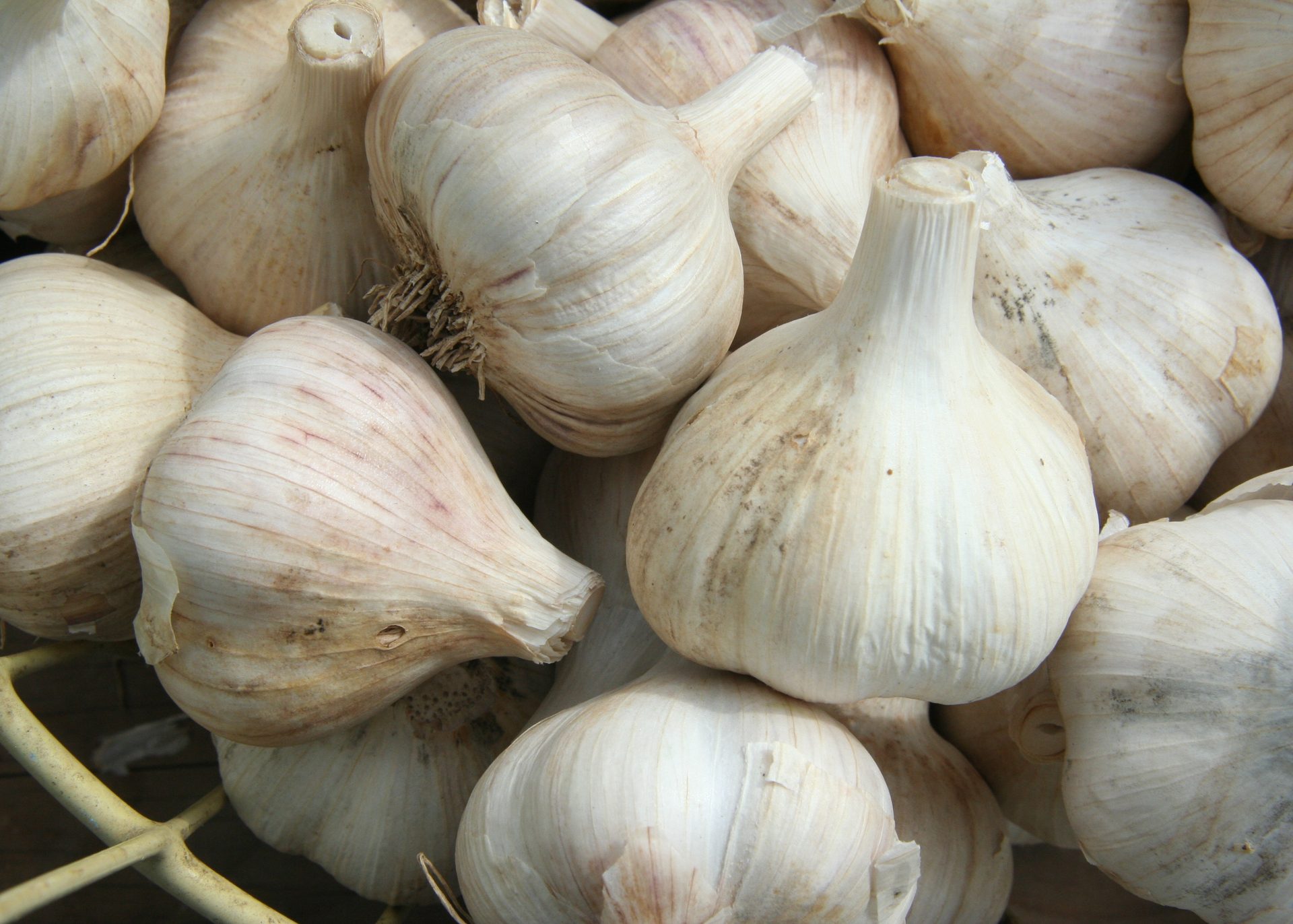
Garlic sauce is one of those condiments that disappears fast at the dinner table — but sometimes you make a big batch and need a way to stretch it. Whether you’ve whipped up a creamy toum, a simple garlic butter sauce, or a roasted garlic blend, knowing how to freeze it properly can save you time, money, and a lot of wasted flavor.
The short answer is yes, you can freeze garlic sauce. But not every variety freezes equally well, and a few simple steps make the difference between a sauce that comes back tasting great and one that separates into an oily mess. This guide walks you through everything you need to know, from prep and freezing to thawing and spotting spoilage.
Can You Freeze Garlic Sauce?
Freezing garlic sauce is a viable option, especially with homemade varieties that you may not be able to finish quickly. That said, the type of garlic sauce you’re working with matters a great deal before you reach for a freezer bag.
Simple oil-based garlic sauces and garlic butter sauces freeze reliably well. If you don’t think you can eat your garlic butter sauce within a few days, you should freeze it — use a freezer-safe container to avoid any mishaps, or freeze it in silicone ice trays for pre-portioned garlic butter sauce whenever you need it.
Emulsion-based garlic sauces are a different story. Freezing can impact the flavor and texture, particularly for emulsion-based sauces like aioli. Lebanese toum — a thick, whipped garlic sauce made from garlic, oil, lemon juice, and salt — is especially sensitive. Freezing breaks the emulsion, and the oil and water will separate into a gloopy mess. Some cooks at Cosette’s Kitchen suggest portioning toum into small containers and freezing up to six months if needed, though the fridge is preferred for maintaining texture.
Important Note: Sources differ on whether toum (Lebanese garlic sauce) freezes well. Some cooks report success when freezing in small portions, while others find the emulsion breaks. If you freeze toum, do so in small batches and plan to re-blend it after thawing to restore creaminess.
Garlic is also a well-known heart-healthy food, which makes preserving it in sauce form all the more worthwhile. The bottom line: most garlic sauces can be frozen with good results as long as you match your method to the sauce type.
Does Freezing Change the Texture or Taste of Garlic Sauce?
Yes, freezing does change garlic sauce — but the changes are manageable if you know what to expect. You can freeze garlic sauce, but it’s essential to consider the texture and flavor changes that might occur after thawing. Freezing can alter the consistency of the sauce, especially if it contains oil, which may separate upon defrosting.
On the flavor side, the garlic itself holds up surprisingly well. Frozen garlic won’t have the crunchy texture of fresh garlic, but the flavor definitely stays strong and robust — and it’s way better than the jarred garlic you would find at the grocery store. For sauces used in cooking rather than as raw dips, this trade-off is rarely noticeable.
After freezing and thawing, the taste can become a bit more mellow. The pungency associated with fresh garlic might be reduced. Some people describe the taste of thawed frozen garlic as being more “sweet” or “smooth.” This can actually work in your favor for delicate pasta sauces or soups where you don’t want garlic to dominate.
If the garlic sauce is not properly sealed, it can be exposed to freezer burn. Freezer burn occurs when the moisture evaporates, leaving behind dry, discolored patches. This can change both the texture and the taste — garlic with freezer burn might have a bitter or off-flavor. Airtight packaging is the most important factor in avoiding this.
For butter-based garlic sauces, when it comes to the butter, you want to use the highest-quality butter possible because it will taste better and will refrigerate and freeze better. Starting with quality ingredients gives you the best outcome after freezing.
How to Freeze Garlic Sauce the Right Way
The method you use depends on the type of sauce, but a few core principles apply across the board. Portion control, proper containers, and labeling are the three habits that protect your sauce in the freezer.
Step-by-Step Freezing Instructions
- Cool the sauce completely. Never put a warm or hot sauce directly into a freezer container. Let it reach room temperature first to prevent condensation and ice crystals from forming inside the container.
- Portion into small servings. Divide the garlic sauce into small, manageable portions — this makes it easier to thaw only the amount you need. Ice cube trays work especially well for this.
- Choose the right container. Place the sauce in an airtight container or a freezer-safe bag, leaving some headspace for expansion. Silicone ice cube trays are a popular option for pre-portioning before transferring frozen cubes to a labeled freezer bag.
- Remove excess air. Squeeze out as much air as possible from freezer bags before sealing. Air is the enemy of frozen sauces — it leads to oxidation and off-flavors over time.
- Label clearly. Label the container with the date to keep track of its storage time. Include the sauce type as well, since frozen garlic sauces can look similar.
- Freeze flat when using bags. Lay filled freezer bags flat on a baking sheet until frozen solid, then stack them upright to save space.
Pro Tip: For garlic butter sauce, freeze it in a silicone ice cube tray first, then pop the cubes into a labeled freezer bag. Each cube equals roughly one serving — perfect for tossing over pasta or brushing on bread without thawing the whole batch.
One important food safety note: if you store garlic in oil, you must keep it in the freezer. Never store garlic submerged in oil at room temperature, and use refrigerated garlic-in-oil mixtures within one week. This applies to any oil-heavy garlic sauce as well. Garlic is a low-acid food, and when stored in an anaerobic (oil-submerged) environment at room temperature, it can create conditions for dangerous bacterial growth.
Garlic is also featured among powerful nutrients and foods with health-supporting properties, so preserving it properly ensures you get the most out of every batch you make.
How Long Can You Freeze Garlic Sauce?
Freezer life varies by sauce type, but most garlic sauces hold up well for two to six months when stored correctly.
| Garlic Sauce Type | Freezer Life | Notes |
|---|---|---|
| Garlic butter sauce | 2–3 months | Best quality within 2 months; re-whisk after thawing |
| Oil-based garlic sauce | 3–6 months | Keep frozen continuously; never thaw and refreeze |
| Toum (Lebanese garlic sauce) | Up to 6 months | Emulsion may break; re-blend after thawing |
| Roasted garlic sauce | 3–6 months | Freezes very well; texture changes are minimal |
| Aioli-style garlic sauce | Not recommended | Egg-based emulsions break when frozen |
Generally, it’s best to use frozen garlic sauce within three to six months for the best flavor and quality. For garlic butter specifically, you can keep the sauce frozen for two to three months.
Beyond the recommended window, the sauce doesn’t necessarily become unsafe — but the flavor and texture will decline noticeably. The length of time the garlic is frozen plays a role. Generally, the longer it is in the freezer, the more its taste will change. If you freeze it for just a few weeks, the change in taste might be minimal. But if it’s in the freezer for several months, you’re more likely to notice a significant difference.
How to Thaw Frozen Garlic Sauce
How you thaw garlic sauce is just as important as how you freeze it. Rushing the process with high heat can cause oil separation and a watery, broken texture.
The safest and most reliable method is to move the container from the freezer to the refrigerator the night before you plan to use it. This slow, gentle thaw keeps the sauce’s structure as intact as possible. When it’s time to reheat your sauce, either from the fridge or freezer, put it in the microwave or a saucepan over low heat until the butter is no longer solidified.
For oil-based and butter garlic sauces that have separated during freezing, consider blending the sauce after thawing to restore its original texture. A quick whisk or 30-second blitz in a blender usually brings it back together. If the sauce still looks separated after blending, add a teaspoon of fresh lemon juice and blend again — the acid helps re-emulsify the mixture.
- Overnight in the fridge: Best method for all garlic sauce types. Plan ahead and transfer from freezer to fridge 8–12 hours before use.
- Cold water bath: Seal the container or bag and submerge in cold water, changing the water every 30 minutes. Works in about 1–2 hours.
- Directly into cooking: For sauces going into a hot pan, skillet, or pasta pot, you can often add frozen cubes directly without thawing. This works especially well for garlic butter and oil-based sauces.
- Microwave (last resort): Use 50% power in 30-second intervals, stirring between each. Avoid full power, which can cause uneven heating and oil separation.
Pro Tip: If you froze your garlic sauce in ice cube portions, you can drop a cube or two straight into a hot skillet without thawing at all. The sauce melts quickly and coats the pan evenly — no planning ahead required.
Can You Refreeze Garlic Sauce After Thawing?
Refreezing garlic sauce is not recommended. Oil-based preparations must be kept frozen continuously — never thaw and refreeze. Each freeze-thaw cycle degrades the texture and increases oxidation, which leads to off-flavors and an unpleasant consistency.
For emulsion-based sauces like toum or garlic aioli, refreezing is even more damaging. Once the emulsion breaks during the first thaw, a second freeze will make it nearly impossible to restore the original creamy texture.
The best way to avoid the refreezing problem entirely is to freeze garlic sauce in small, single-use portions from the start. Each freeze-thaw cycle degrades texture and increases oxidation — portion wisely upfront. Ice cube trays and small 2-ounce containers are ideal for this.
If you’ve thawed more sauce than you need, store the remainder in the refrigerator and use it within 3–5 days. Garlic sauce made at home typically lasts about one week when stored in the refrigerator.
How to Use Frozen Garlic Sauce (Best Uses After Freezing)
Frozen and thawed garlic sauce works best in cooked applications rather than as a cold dip or raw spread. It may be a good idea to use frozen and thawed garlic only in dishes like sauces, stews, soups, and stir-fries, rather than where garlic may be used as one of the main ingredients.
Here are some of the best ways to put your frozen garlic sauce to work:
- Pasta and noodle dishes: Stir thawed garlic butter sauce into freshly cooked pasta with a splash of pasta water for a quick weeknight dinner. It coats the noodles beautifully.
- Roasted vegetables: Toss broccoli, asparagus, or potatoes in thawed oil-based garlic sauce before roasting at 400°F for 20–25 minutes.
- Garlic bread: Spread thawed garlic butter sauce on sliced Italian bread or a baguette and broil until golden. It works as a dip for bread or pizza, topped on grilled steak, or as a sauce on pasta for an easy dinner.
- Marinades: Use thawed garlic sauce as a base marinade for chicken, shrimp, or pork. The slightly mellowed flavor after freezing actually works well here, since you don’t want an overpowering raw garlic bite.
- Soups and stews: Drop a frozen cube directly into a simmering pot of soup for instant garlic flavor without any prep work.
- Grilled meats: Brush thawed garlic butter or oil-based garlic sauce over chicken, steak, or salmon during the last few minutes of grilling.
- Dipping sauce (re-blended toum): If you froze toum, re-blend it thoroughly after thawing and use it as a dip for pita, fries, or grilled chicken. Toum pairs beautifully with shish tawook, chicken shawarma in pita bread, and potato fries.
For more ideas on how garlic and other nutrient-rich ingredients support your health, check out this guide to foods that support liver function or explore fibroid healing foods that include garlic as a key ingredient.
Signs That Frozen Garlic Sauce Has Gone Bad
Freezing extends the life of garlic sauce significantly, but it doesn’t last forever. Knowing what to look for keeps you from using sauce that’s past its prime.
There are several signs that garlic sauce may have gone bad. First, check for any changes in color or texture, such as discoloration or separation of ingredients. A foul or off smell is another strong indicator that the sauce is no longer safe to eat. Mold growth, whether on the surface or within the sauce, is a clear sign that it should be discarded.
Here’s a quick reference checklist:
- Smell: A sour, rancid, or off odor is a strong indication that your garlic sauce has spoiled. Fresh garlic sauce should smell pungent but clean — not fermented or acidic.
- Color: Discoloration, dark spots, or a grayish tint are warning signs. Garlic sauce should maintain its original color (white, pale yellow, or the color of its other ingredients).
- Texture: Some separation is normal after freezing and can be fixed by blending. But if the sauce looks grainy, slimy, or has an unusual chunky texture even after blending, discard it.
- Mold: Any visible mold growth — on the surface or inside the container — means the sauce should be thrown out immediately. Do not attempt to scoop off mold and use the rest.
- Taste: Taste testing can help determine if the sauce is still good; however, if you notice any off flavors, it’s better not to consume it.
- Freezer burn: Dry, white, or icy patches on the surface indicate freezer burn. The sauce is technically safe to eat, but the affected portions will taste bitter and papery. Cut those areas away or discard the batch if the damage is widespread.
Important Note: Always prioritize safety over salvage, and when in doubt, throw it out. Garlic sauce is inexpensive and easy to make — it’s not worth the risk of foodborne illness.
Proper storage also means being mindful of how long the sauce has been in the freezer. Check the date on the container. Even if it looks or smells fine, don’t consume it past its expiration date. This is exactly why labeling your containers with the date matters so much.
Frequently Asked Questions
Can You Freeze Store-Bought Garlic Sauce?
For store-bought garlic sauces, the shelf life may vary. Unopened, they can last for several months past the expiration date if stored in a cool, dry place. Once opened, refer to the manufacturer’s recommendations, which often suggest consuming the sauce within a few weeks for optimal freshness and flavor. If you’ve opened a store-bought garlic sauce and won’t finish it in time, you can freeze it using the same steps as homemade — just check the label first to confirm there are no freezing restrictions.
Does Garlic Sauce Freeze Better With or Without Oil?
Oil-based garlic sauces generally freeze well, though the oil may separate during thawing. A quick stir or blend after thawing usually fixes this. Sauces without oil (such as a simple garlic paste made with water) also freeze well and tend to have fewer texture issues after thawing. The sauces that freeze worst are those with egg-based emulsions, like aioli.
How Long Does Garlic Sauce Last in the Fridge Before Freezing?
Garlic sauce made at home typically lasts about one week when stored in the refrigerator. If you notice any changes in color, texture, or smell, it’s a good indicator that it has spoiled. Proper storage in an airtight container can help extend its shelf life. Freeze the sauce while it’s still fresh — ideally within the first two to three days — rather than waiting until it’s close to going bad.
Can You Freeze Toum (Lebanese Garlic Sauce)?
You can freeze toum, but results vary. To err on the side of safety, it should be consumed within a month and stored in a sealed container in the fridge. You may also portion out into smaller containers and freeze up to six months. Be prepared to re-blend it after thawing, as the emulsion often breaks. For the best texture and flavor, most cooks prefer to keep toum refrigerated and use it within a month. You can learn more about garlic varieties and their unique properties to understand why toum made with fresh, young garlic holds up better than older cloves.
Is It Safe to Freeze Garlic Sauce That Contains Oil?
If you store garlic in oil, you must keep it in the freezer. Never store garlic submerged in oil at room temperature, and use refrigerated garlic-in-oil mixtures within one week. The reason: garlic is a low-acid food. When submerged in oil — an anaerobic, oxygen-free environment — and stored at room temperature, it creates ideal conditions for Clostridium botulinum, the bacteria that produces botulinum toxin. Freezing stops this bacterial activity, making it the only safe long-term storage method for garlic-in-oil preparations.
Can You Freeze Applesauce the Same Way?
Yes — many sauce-style condiments freeze well using similar techniques. If you’re curious about freezing other sauces and purées, check out these guides on freezing applesauce for babies and freezing shop-bought applesauce for more storage tips that apply across the board.