
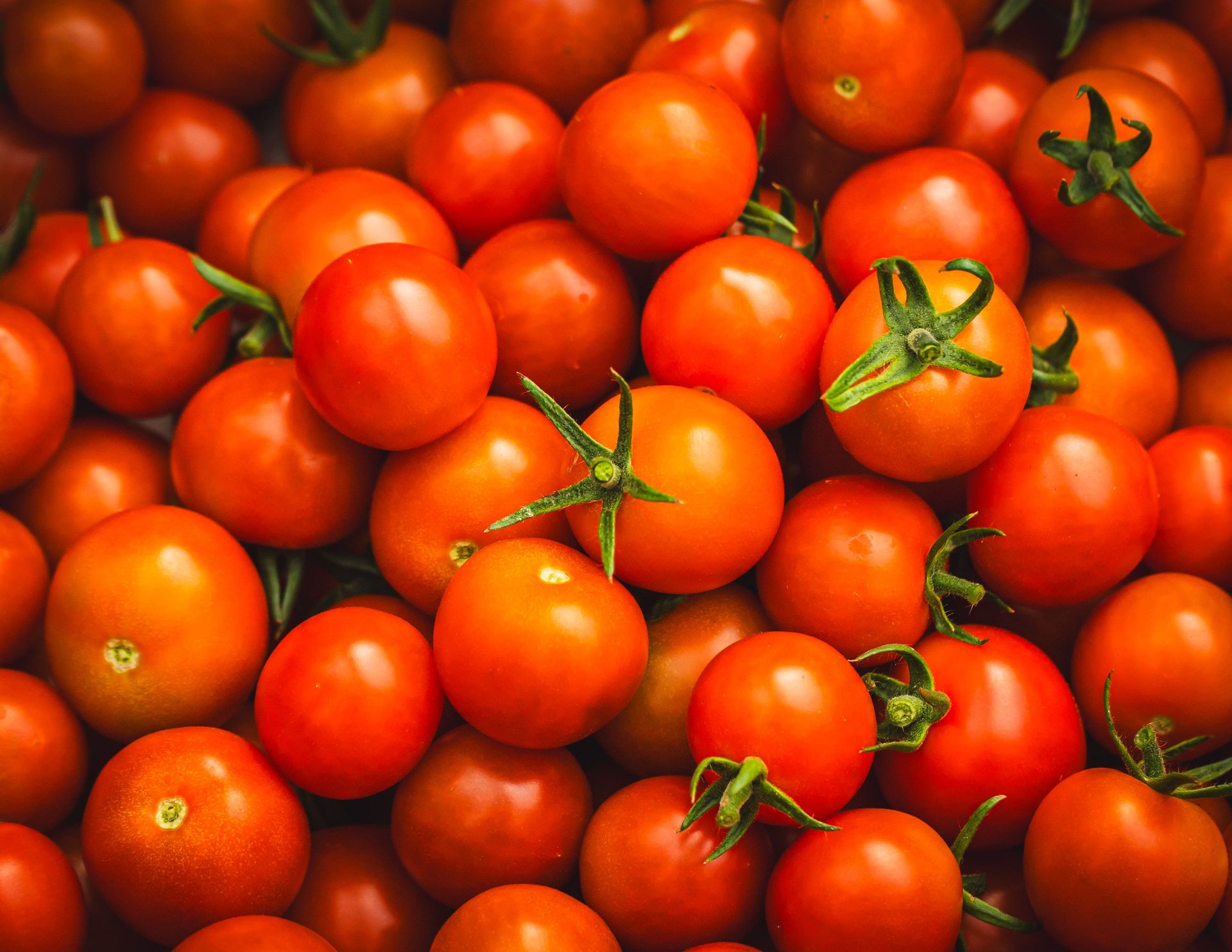
If your garden just produced more tomatoes than you can eat in a week, or you picked up a flat at a farmers market and have no idea what to do with them all, freezing for salsa is one of the smartest moves you can make. The short answer is yes — you can absolutely freeze tomatoes for salsa, and you can freeze finished salsa too. But how you do it makes a big difference in the results you get.
This guide walks you through everything: what freezing does to tomatoes and salsa, the right way to freeze both, how long they last, how to thaw them properly, and what to do with the salsa once it comes out of the freezer. Whether you grow your own or just want to stretch a big batch, you’ll find a clear, practical approach here.
Can You Freeze Tomatoes for Salsa?
Yes, and it’s one of the easiest preservation methods out there. Freezing tomatoes changed the home-preservation game for many cooks — when the harvest comes in, you simply rinse them, core them, and toss them into a gallon freezer bag. No blanching required, no boiling water bath, no hot kitchen in August.
You can also freeze the finished salsa itself. Salsas that have been cooked, like salsa roja or verde, freeze better than salsas that are still raw, like pico de gallo. That distinction matters a lot, and you’ll want to keep it in mind as you decide how to prep your batch.
One important caveat: the OSU Extension Service does not recommend using thawed, frozen tomatoes in salsa recipes intended for canning, because the quality will not be as good — once frozen tomatoes are thawed, they will be drier. Freezer salsa and canned salsa are two different paths. If you’re going the freezer route, you have much more flexibility with ingredients and don’t need to follow strict canning acid ratios.
Pro Tip: If you want to freeze raw tomatoes for later salsa-making, Roma and San Marzano paste varieties work best. Paste tomatoes have less moisture in them, which means less wateriness when you thaw and cook them down into salsa.
Does Freezing Change the Texture or Taste of Tomatoes for Salsa?
Tomatoes contain a large amount of water. Freezing changes their texture, causing them to soften once thawed — and this is completely normal, making them ideal for cooked recipes. If you were hoping to use thawed tomatoes in a fresh pico de gallo, that won’t work well. Frozen tomatoes lose their firm texture after thawing and are best used in cooked dishes.
For cooked salsa, however, softened tomatoes are not a problem at all. While the texture changes after freezing, the flavor remains excellent — frozen tomatoes are a great substitute for fresh tomatoes in sauces, soups, chili, and stews. Salsa made from frozen-then-thawed tomatoes, simmered down and seasoned properly, can taste just as good as a fresh batch.
Because almost all of the ingredients in salsa — tomatoes, onions, and peppers — have such high water content, the texture of the dip is likely to change in the freezer. The expansion of the water in the vegetables causes them to become slightly mushier when thawed. This is why cooking the salsa before freezing is such a common recommendation: the ingredients are already softened, so the texture shift is far less noticeable.
Fresh raw salsa frozen without cooking will turn mushy and be much more watery than if you cook the salsa first. You also get better flavor by cooking the salsa and seasoning it to your liking. Taste is the one area where frozen salsa holds up well — the spices, lime juice, garlic, and chiles all survive freezing with very little degradation.
How to Freeze Tomatoes for Salsa the Right Way
There are two approaches: freeze the raw tomatoes first and make salsa later, or make a cooked salsa and freeze the finished product. Both work — the second produces better results.
Freezing Raw Tomatoes
This method is ideal when tomatoes are coming off the vine faster than you can process them. Rinse the tomatoes, core them, and place them into a gallon freezer bag. Squeeze out as much air as possible before sealing. Label the bag with the date and variety. When you’re ready to make salsa, pull them out and thaw in a colander over the sink so excess liquid drains away naturally.
One bonus: frozen whole or sliced tomatoes become limp after thawing, but the skins slip right off without blanching — making prep for cooked salsa much faster than starting from scratch with fresh tomatoes.
Freezing Cooked Salsa (Recommended)
This is the method most home cooks prefer, and it produces the best texture and flavor after thawing. Follow these steps:
- Cook the salsa down. Cook your salsa for 25–30 minutes until the tomatoes have softened and released their juices, stirring frequently and using a potato masher to break up larger tomatoes. Then remove the lid and cook for another 20 minutes to allow the salsa to thicken.
- Choose your tomatoes wisely. Paste tomatoes work better than juicy ones for a thicker result. If you only have slicing tomatoes, drain excess liquid through a fine-mesh sieve or cheesecloth before cooking.
- Add tomato paste if needed. Canned tomato paste is optional, but it helps create a thicker, smoother salsa that brings everything together.
- Cool completely before freezing. Never put warm or hot salsa in the freezer. It will raise the temperature of the surrounding food, causing partial thawing and refreezing — a food safety risk. Let it cool to room temperature, then chill it in the fridge for an hour.
- Portion before you freeze. Think about how you’ll use the salsa. Freeze it in portion sizes that make sense — a small 1-cup container for topping tacos, or a larger 2-cup container for making a batch of chili.
- Use the right containers. Choose BPA-free plastic or glass freezer-safe containers, leave about ½ inch of space at the top to prevent cracking, or use quart-sized freezer bags that are easy to label, stack, and thaw.
- Remove all air and label. If using a freezer bag, squeeze out as much air as possible before sealing — air is the enemy of frozen food and causes freezer burn. Write the date and contents on every bag or container.
- Freeze flat. If using bags, lay them flat on a baking sheet to freeze. Once solid, you can stack them vertically like files in a drawer — a great space-saving approach.
Pro Tip: Adding a thickener such as Clear Jel (not cornstarch) before freezing helps retain a smoother texture. Avoid traditional cornstarch, which may break down after thawing. Tomato paste is the simplest natural option.
How Long Can You Freeze Tomatoes for Salsa?
For the best quality and flavor, use your frozen homemade salsa within 4 to 6 months. It will remain safe to eat indefinitely as long as it’s kept consistently frozen at 0°F (–18°C), but its quality will decline over time.
Most sources agree that salsa is best used from the freezer within three to four months of freezing. It can possibly last a bit longer, but one of the best things about salsa is the freshness it adds to a dish — you don’t want to jeopardize that by using salsa that has been sitting in the freezer too long.
Raw frozen tomatoes (not yet made into salsa) follow a similar timeline. After about 6 months, you might start to notice signs of freezer burn — ice crystals on the surface — or a dulling of the flavor. Always label containers with the date so you use the oldest bags first. | Storage Method | Recommended Use-By Window | |—|—| | Cooked salsa (freezer bag or container) | 3–6 months | | Raw whole tomatoes (freezer bag) | Up to 6 months | | Thawed salsa (refrigerator) | 5–7 days | | Homemade fresh salsa (refrigerator, unfrozen) | 4–7 days |
How to Thaw Frozen Tomatoes for Salsa
The best and easiest way to thaw your frozen salsa is to transfer it from the freezer to the refrigerator overnight before you need to use it. At that point, you can determine if you need to adjust the thawed salsa to remove extra liquid or address any texture issues that might have arisen in the freezer.
For raw frozen tomatoes you plan to cook into salsa, set the bag in a colander in the sink and let them thaw at room temperature, draining as they go. Set frozen tomatoes in the sink in a colander to thaw and drain before peeling, draining, and chopping. The skins slip off easily after freezing, which saves you the blanching step.
If your thawed salsa looks watery — which is common — don’t panic. When thawed, salsa may be a little more liquidy than jarred salsa. You can drain off some of the top liquid and then stir the salsa well before serving. If you’re using the salsa in a cooked recipe, just use it as is.
Pro Tip: Avoid microwaving frozen salsa to thaw it, as this can make the salsa watery. The slow overnight fridge method preserves the best texture and keeps the salsa food-safe.
Can You Refreeze Tomatoes for Salsa After Thawing?
Technically possible, but not recommended. Refreezing is not recommended. Each freeze-thaw cycle degrades the texture and flavor of the salsa. It also increases the risk of bacterial growth.
Freezing food does not destroy germs. Once thawed, bacteria continue to proliferate at the same exponential pace as before it was frozen. The best way to avoid this situation entirely is to freeze in small, single-use portions from the start.
Each time you freeze and thaw the salsa, it will affect the texture and taste. It’s best to portion your salsa into small containers or freezer bags before freezing so you can thaw only what you need. Silicone ice cube trays work well for recipe-sized amounts — each cube holds roughly a quarter cup, which is perfect for adding to soups, rice, or scrambled eggs without thawing a full bag.
How to Use Frozen Tomatoes for Salsa (Best Uses After Freezing)
Thawed salsa is more versatile than most people realize. Salsa is so much more than just a dip for corn chips. It’s a truly versatile condiment that can spice up eggs, soup, and burgers, put some heat into a meatloaf, and add a pop of flavor to stuffed peppers.
Because the texture softens after freezing, thawed salsa works best in applications where it gets stirred into something or cooked further. Here are the most practical uses:
- Tacos and burritos — spoon directly over the filling; the softer texture blends in naturally
- Enchiladas and chilaquiles — add salsa to a cooked dish such as a Mexican-inspired sauce by thawing to the point where you can remove it from the container and adding it to the stove or oven
- Soups and stews — stir into chicken tortilla soup, black bean soup, or chili for a built-in flavor base
- Rice and grain bowls — mix into Spanish rice or grain bowls for depth and color
- Eggs — spoon over scrambled eggs or huevos rancheros; the extra liquid cooks off quickly
- Dipping — if you drain the excess liquid after thawing and give it a good stir, freezer salsa can absolutely be served with chips
If you’re looking to build more whole, plant-based foods into your meals, frozen salsa is an easy way to add vegetables, lycopene-rich tomatoes, and bold flavor to bowls and wraps without extra prep time. You might also find it pairs well with ideas from our guide on different plants to grow with tomatoes, since companion planting can improve your tomato harvest — meaning more salsa-ready produce.
Pro Tip: You can substitute salsa in almost any recipe that calls for diced tomatoes and get an extra flavor kick. This makes frozen salsa one of the most useful ingredients to keep stocked in your freezer year-round.
Signs That Frozen Tomatoes for Salsa Have Gone Bad
Frozen salsa doesn’t spoil the way refrigerated food does, but quality can degrade — and in some cases, it can go bad. Know what to look for before you serve it.
- Freezer burn. Excessive freezer burn appears as dry, discolored patches on the surface of the salsa. Mild freezer burn is safe but affects flavor. Heavy freezer burn means the salsa is past its prime.
- Off odor. If your salsa smells overly sour, sharp, or yeasty — like beer or vinegar — it may be starting to ferment. That’s a clear sign it’s gone bad, even if you can’t see anything wrong.
- Visible mold. Visible mold, fuzz, or dark spots — especially around the lid or surface — is an obvious sign it’s no longer safe to eat. Discard it immediately.
- Unusual texture after thawing. If the salsa has become slimy, excessively watery, or gritty, the texture may have broken down — especially if it’s been exposed to air or fluctuating temperatures for too long.
- Off taste. If it looks and smells fine but tastes off — sour, bitter, or metallic — it’s better to be safe than sorry. Toss it.
- Pressure or bubbling when opened. If the container bubbles, hisses, or releases pressure when opened, it may be fermenting or harboring bacteria. Discard it immediately.
To avoid all of these problems, use airtight containers, freeze in small portions, label everything with the date, and aim to use your frozen salsa within 3 to 6 months. Tomatoes are a nutritious ingredient — they’re also featured in our overview of powerful nutrients and foods that fight cancer and foods that support a healthy heart — so it’s worth storing them properly to get the most out of every batch.
Frequently Asked Questions
Can you freeze raw tomatoes without blanching them first?
Yes. Freezing tomatoes is a great alternative to blanching them. Simply rinse, core, and bag them. The skins slip off easily once thawed, which actually makes prep faster than blanching fresh tomatoes.
Can you freeze store-bought salsa?
Freezing jarred salsa is a safe way to preserve your jars for longer if you don’t mind the altered texture. Transfer it to a freezer-safe bag or container first — don’t freeze it in the original glass jar, which can crack as the salsa expands.
Can you use frozen tomatoes in canned salsa recipes?
The OSU Extension Service does not recommend using thawed, frozen tomatoes in salsa recipes for canning. The quality of the salsa will not be as good because once the frozen tomatoes are thawed, they will be drier. Stick to fresh tomatoes for canning, and save the frozen ones for freezer salsa.
Does pico de gallo freeze well?
Pico de gallo is known for its crisp combination of fresh flavors and chopped ingredients, but because the salsa is not cooked before it is made, it contains a very high water content. This means the texture of almost every ingredient will be different when frozen and thawed. It is best to freeze salsas that are already cooked and don’t contain as many large chunks of raw tomatoes, onions, and other vegetables.
How do you fix watery salsa after thawing?
To combat excess liquid, you can drain the thawed salsa in a fine-mesh sieve or cheesecloth. You can also simmer it briefly on the stove to cook off the extra water. Stirring in a small amount of tomato paste also helps tighten the consistency.
What is the best tomato variety for freezer salsa?
Paste tomatoes work best because slicing tomatoes will result in a thin, watery salsa. Roma tomatoes are the most common choice in American home kitchens, but San Marzano varieties also work well. If you only have slicing tomatoes on hand, drain off excess juice before cooking.
Can you freeze salsa verde?
Salsa verde can also be frozen like its red tomato counterpart. Because salsa verde is typically puréed during the preparation process, it is one of the easiest salsas to freeze. The thicker, more blended nature means it will preserve most of its original texture after being frozen and defrosted.
Freezing tomatoes for salsa is one of the most practical food storage habits you can build — especially during tomato season in the United States, when gardens and farmers markets are overflowing. Cook the salsa before freezing, portion it smartly, label everything, and you’ll have homemade salsa ready to pull out all winter long. For more food storage ideas and healthy eating guidance, explore our articles on foods for healthy skin and foods that support liver function.